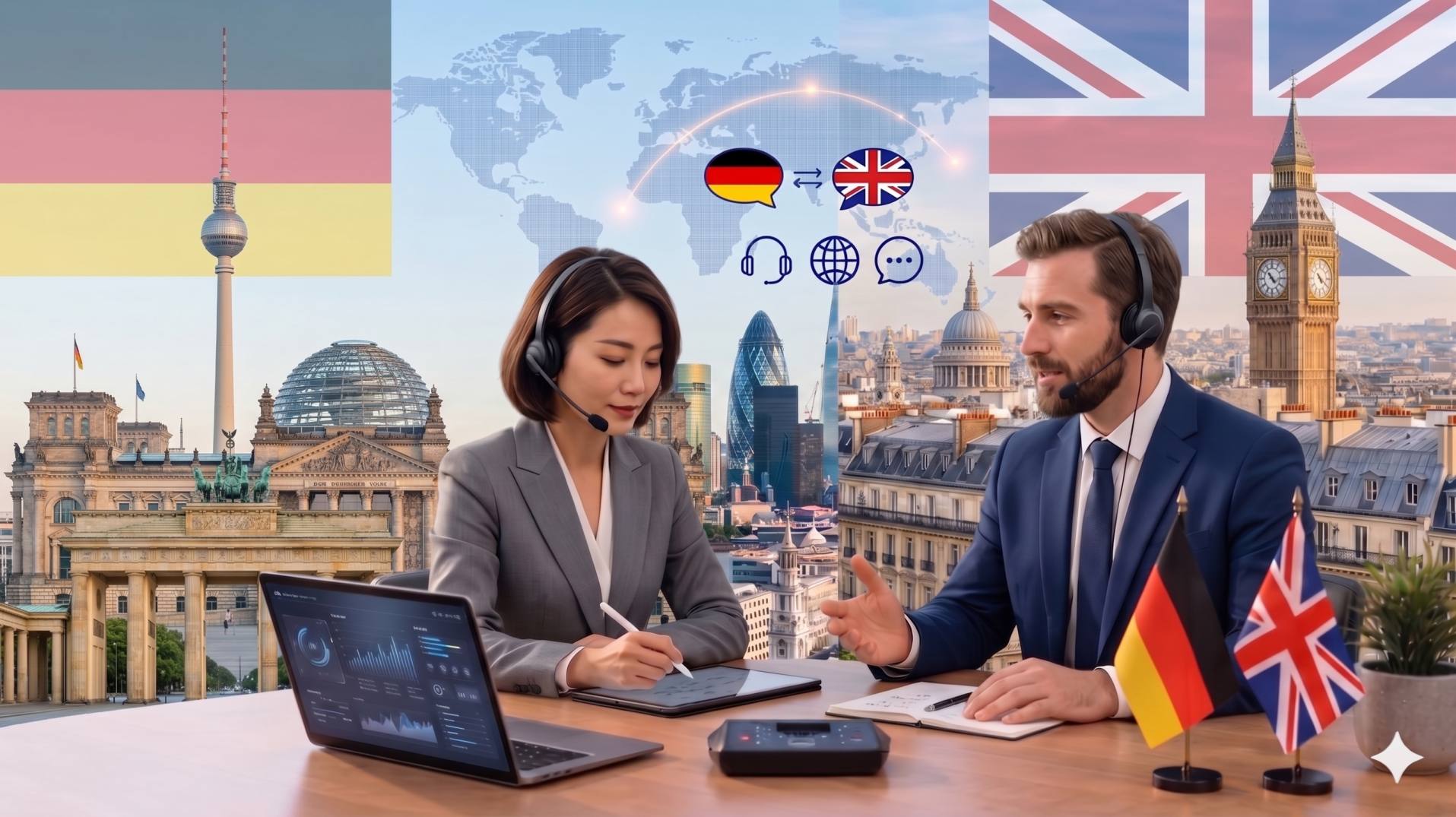
Securing a qualified Arabic interpreter in Aberdeen City is paramount for effective communication across diverse sectors, from legal proceedings and healthcare appointments to vital business negotiations. In a city like Aberdeen, with its dynamic economic landscape and international connections, the need for precise and culturally nuanced linguistic support is ever-present. Professional interpreters bridge the gap, ensuring that individuals can fully understand and participate in critical discussions, irrespective of their primary language. This is particularly crucial when dealing with sensitive matters within the UK’s robust legal and healthcare frameworks. For instance, residents and visitors in Aberdeen City can access vital healthcare services through trusts such as NHS Aberdeen City Health Board and the wider NHS Grampian, where clear communication is a cornerstone of patient safety and effective treatment. This document outlines the critical role of professional Arabic interpretation services within Aberdeen City, adhering strictly to UK professional standards and institutional requirements.
Translation vs Interpretation
While often used interchangeably, translation and interpretation are distinct disciplines, each requiring specialised skills and adherence to professional standards. Interpretation involves the live, oral conversion of spoken language from one tongue to another. This demands not only linguistic fluency but also exceptional short-term memory, cultural understanding, and the ability to think quickly under pressure. An Arabic translator in Aberdeen City, conversely, works with written texts, converting documents, websites, or other written materials. Both roles are vital, but the immediacy and real-time nature of interpretation present unique challenges, especially in high-stakes environments like courtrooms or medical consultations. Professional bodies such as the National Register of Public Service Interpreters (NRPSI) and the Chartered Institute of Linguists (CIOL) set rigorous standards for both translators and interpreters, ensuring competence, ethical conduct, and confidentiality. For legal and public service roles, holding qualifications recognised by these bodies, such as the Diploma in Public Service Interpreting (DPSI), is often a prerequisite. The distinction is critical for corporate buyers and legal professionals seeking to engage the right linguistic support, ensuring accuracy and compliance with UK regulations.
Legal Defence, Immigration, and Courtroom Interpretation
The administration of justice in the United Kingdom relies heavily on the principle of fairness and equal access to legal representation. For individuals who do not speak English as a first language, this necessitates the provision of qualified interpreters. In Aberdeen City, as across the UK, Arabic interpreters play a crucial role in ensuring that defendants, witnesses, and victims can fully understand court proceedings and communicate effectively with their legal representatives. This is governed by strict protocols overseen by His Majesty’s Courts and Tribunals Service (HMCTS). Interpreters working in this domain must possess a deep understanding of legal terminology and procedures, as well as impartiality and confidentiality. The NRPSI maintains a register of qualified public service interpreters, many of whom specialise in legal settings. For immigration matters, interpreters are essential for applications, interviews with UK Visas and Immigration (UKVI), and appeals before the First-tier Immigration Tribunal. The accuracy of interpretation in these contexts can have profound consequences for an individual’s right to remain in the UK. Law firms in Aberdeen City and throughout the UK must ensure they engage interpreters who meet the stringent requirements of HMCTS and UKVI, often requiring specific qualifications like the DPSI. The integrity of the legal process depends on this linguistic bridge, upholding the fundamental rights of all individuals interacting with the UK justice system.
Healthcare and NHS Patient Safety
Patient safety and effective healthcare delivery are paramount within the National Health Service (NHS). For Arabic-speaking patients in Aberdeen City, accessing timely and accurate medical information and advice is critical for their well-being. Professional Arabic interpreters facilitate essential communication between patients and healthcare professionals, ensuring that diagnoses are understood, treatment plans are followed, and informed consent is obtained. This is not merely a matter of convenience but a fundamental aspect of patient care and legal compliance under UK law, including the Data Protection Act 2018 (which incorporates UK GDPR). The Care Quality Commission (CQC), the independent regulator of health and social care in England, emphasises the importance of effective communication in ensuring high-quality care. While the CQC primarily regulates services in England, its principles resonate across the UK, influencing standards for all NHS trusts. In Aberdeen City, NHS trusts such as NHS Aberdeen City Health Board and NHS Grampian are committed to providing accessible services. This includes ensuring that patients have access to qualified interpreters when needed, often through in-house services or contracted professional agencies. Interpreters in healthcare settings must not only be linguistically proficient but also possess a high degree of empathy, cultural sensitivity, and an understanding of medical terminology and ethical considerations, such as patient confidentiality. Adherence to NHS England’s Language Access guidelines, which set a benchmark for the entire UK, ensures that all patients, regardless of their language, receive equitable and safe care. Engaging interpreters who are registered with bodies like the NRPSI or hold recognised qualifications guarantees a level of professionalism and accountability essential for patient safety.
Technical Interpretation Modalities
The effective delivery of interpretation services in Aberdeen City and across the UK depends on selecting the appropriate modality for the specific context. Several technical interpretation modes are employed, each suited to different situations:
- Simultaneous Interpretation: This is the most technically demanding form, where the interpreter speaks almost concurrently with the original speaker, often using specialised equipment like booths and headsets. It is ideal for large conferences, international meetings, and live broadcasts where immediate comprehension is required.
- Consecutive Interpretation: Here, the interpreter waits for the speaker to pause before rendering the message in the target language. This is commonly used in smaller meetings, legal depositions, and one-on-one discussions where the flow of conversation is less rapid.
- Escort Interpretation: Also known as liaison interpretation, this mode facilitates communication in informal settings, such as business meetings, factory tours, or social events. The interpreter acts as a cultural bridge, ensuring smooth interaction between parties.
- Remote Interpretation (VRI/OPI): With advancements in technology, Video Remote Interpretation (VRI) and Over-the-Phone Interpretation (OPI) have become increasingly prevalent. These services allow clients to connect with interpreters remotely via video link or telephone, offering flexibility and cost-effectiveness, particularly for situations where an on-site interpreter is not feasible or necessary. This modality is increasingly used by NHS trusts and legal firms for routine consultations or less complex legal discussions.
The choice of modality directly impacts the efficiency and effectiveness of communication. Professional interpretation agencies and qualified freelance interpreters in Aberdeen City can advise on the most suitable approach, ensuring that all parties are understood and that the communication objectives are met, in line with professional standards set by organisations like the International Association of Conference Interpreters (AIIC) for conference settings and NRPSI for public services.
Economic and Social Fabric of Aberdeen City
Aberdeen City, renowned as the ‘Oil Capital of Europe’, possesses a unique economic and social landscape that benefits significantly from robust linguistic support. The presence of international businesses, a vibrant tourism sector, and a well-established legal and healthcare infrastructure all underscore the need for skilled Arabic interpreters and translators.
Corporate/Industry
The energy sector, particularly oil and gas, has historically attracted a diverse international workforce and numerous multinational corporations to Aberdeen. This necessitates seamless communication in business negotiations, technical training, safety briefings, and inter-company collaborations. Professional Arabic interpreters ensure that contracts are understood, technical specifications are accurately conveyed, and that safety protocols are communicated effectively to Arabic-speaking employees and partners, thereby enhancing operational efficiency and safety compliance within UK industry standards.
Tourism
Aberdeen and its surrounding regions attract visitors from across the globe. For Arabic-speaking tourists, having access to interpretation services can enhance their experience, whether it’s navigating local attractions, understanding information provided by tour guides, or communicating with hotel staff and service providers. While not always a formal requirement, professional linguistic support contributes to a welcoming environment and can be crucial for businesses aiming to cater to a broader international clientele, aligning with UK tourism sector best practices.
Legal Infrastructure
Aberdeen City hosts a range of legal firms and services that cater to both local and international clients. The presence of Arabic-speaking individuals involved in legal matters, whether as parties to a dispute, witnesses, or clients seeking advice, requires the expertise of qualified legal interpreters. These professionals ensure that proceedings within local courts, such as those under the purview of Scottish Courts and Tribunals Service (which operates under the broader HMCTS framework), are accessible and fair. Engagement with solicitors and barristers is facilitated, ensuring that legal rights are understood and protected according to UK law.
NHS Healthcare
As previously detailed, the healthcare sector in Aberdeen City, served by NHS Aberdeen City Health Board and NHS Grampian, is a critical area where Arabic interpretation is indispensable. Ensuring that Arabic-speaking patients can communicate their symptoms, understand diagnoses, and follow treatment plans is vital for effective healthcare outcomes and patient satisfaction. This commitment to accessible healthcare aligns with the broader NHS mission and UK healthcare standards, ensuring equitable treatment for all residents.
Local Infrastructure and Transport
Effective communication is also essential for navigating the local infrastructure and transport systems in Aberdeen City. Whether it’s understanding public transport schedules, interacting with local authorities, or accessing essential services, clear communication is key. For Arabic speakers, professional interpreters can assist in a variety of situations, from registering with local GPs and accessing social services to understanding local council information provided by Aberdeen City Council. Furthermore, in business contexts, interpreters can facilitate negotiations with logistics providers, understand transport regulations, and ensure smooth operations for companies involved in import/export activities. The availability of reliable interpretation services supports the integration of Arabic-speaking individuals into the community and facilitates smoother business operations within the city’s economic framework.
In conclusion, the demand for a skilled Arabic interpreter in Aberdeen City is multifaceted, driven by the city’s economic strengths, its role as a hub for legal and healthcare services, and its diverse population. Engaging professional interpreters who adhere to UK standards, as set by bodies like the NRPSI, is not just a matter of language proficiency but a commitment to accuracy, confidentiality, and ethical practice. Whether for the courtroom, the hospital, or the boardroom, qualified interpreters are indispensable for ensuring clarity, fairness, and effective communication across all sectors.