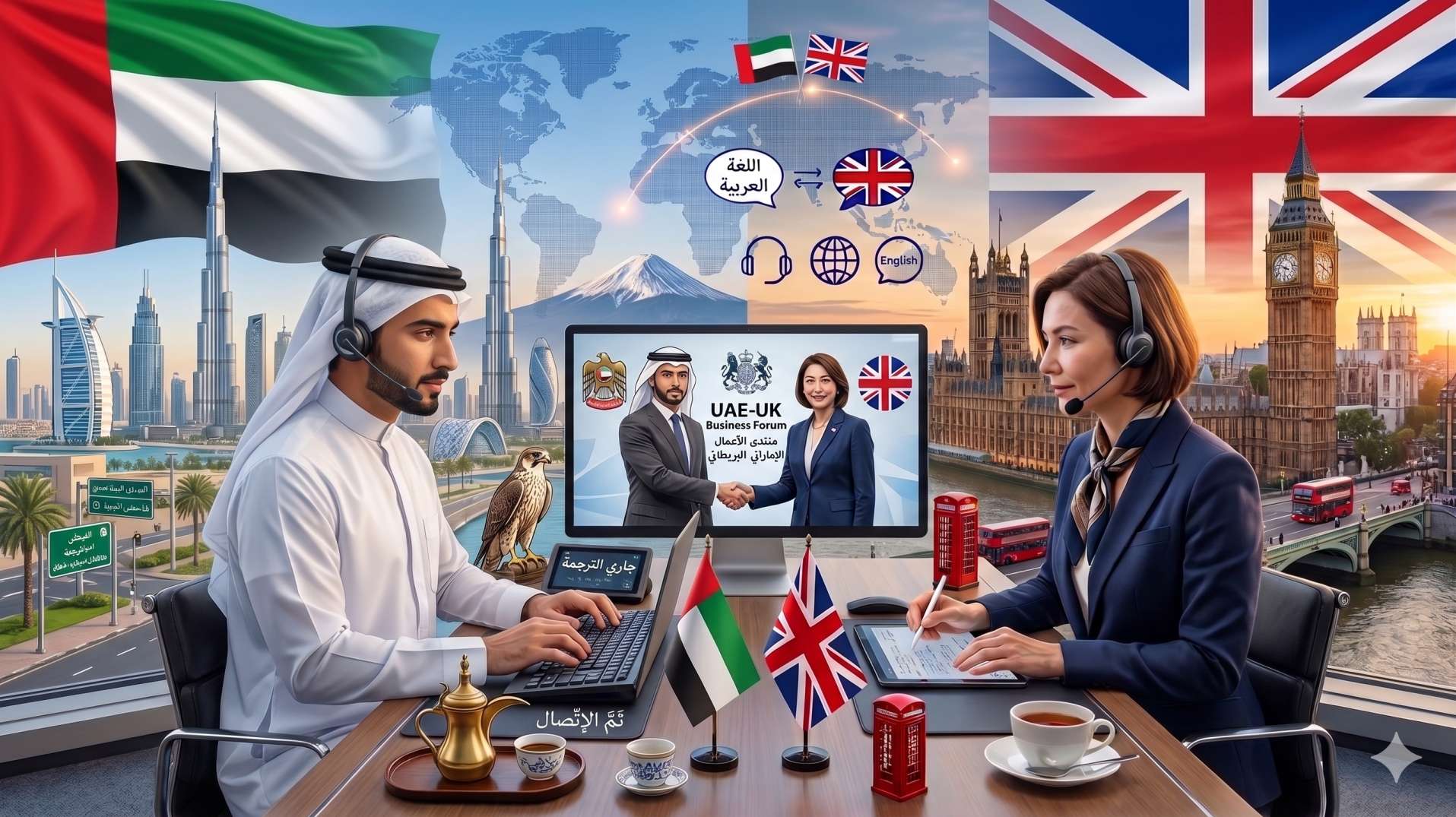
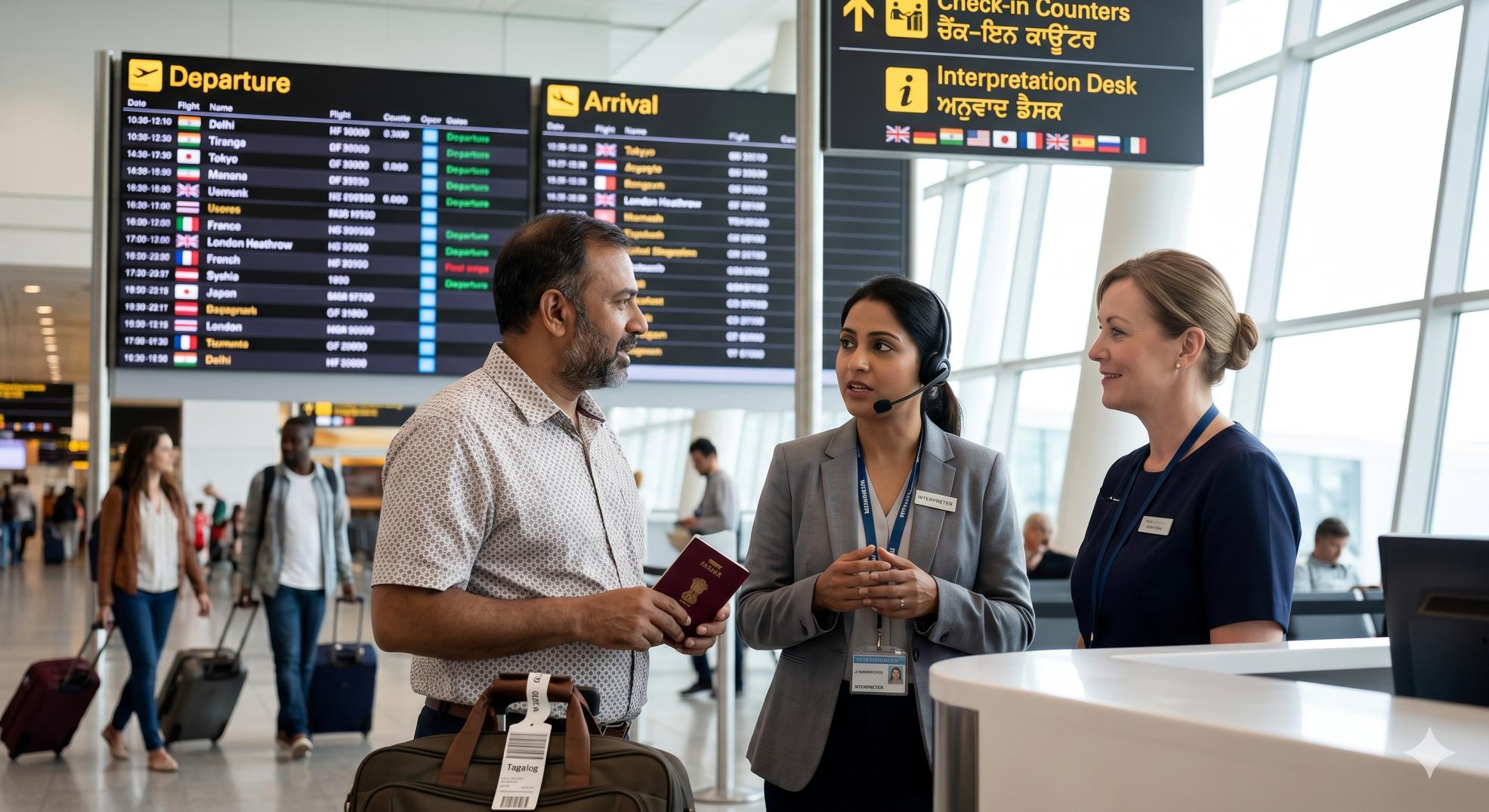
Securing a qualified Arabic interpreter in Bournemouth is paramount for effective communication across diverse sectors, from legal proceedings and healthcare consultations to business negotiations and public services. Bournemouth, a vibrant coastal town in Dorset, relies on robust communication channels to serve its diverse population and thriving economy. Ensuring that language barriers do not impede access to justice, healthcare, or essential services is a core responsibility for public and private institutions alike. This is particularly crucial within the National Health Service (NHS), where clear communication is vital for patient safety and effective treatment. Key NHS trusts serving the Bournemouth area include the Dorset Healthcare University NHS Foundation Trust and the University Hospitals Dorset NHS Foundation Trust, both of which are committed to providing accessible services to all patients, irrespective of their linguistic background. The demand for professional Arabic interpretation services in Bournemouth underscores the town’s connection to a globalised world and the necessity of bridging linguistic divides within the UK’s established professional frameworks.
Translation vs Interpretation
While often used interchangeably, translation and interpretation are distinct linguistic disciplines, each requiring specialised skills and adherence to professional standards. Understanding this difference is crucial when engaging services, particularly for critical applications such as those involving legal matters or healthcare. Interpretation involves the live, spoken rendition of information from one language to another. This can occur in real-time, as in simultaneous interpretation during conferences, or sequentially, where a speaker pauses for the interpreter to convey their message. The primary keyword, Arabic interpreter in Bournemouth, directly addresses this need for spoken language services. In contrast, translation deals with the written word, converting documents, texts, and other written materials from one language to another. This process allows for more deliberation, research, and revision to ensure accuracy and fidelity to the source text. For legal documents, medical records, or business contracts, professional translation services are essential. However, for live interactions, such as court hearings, medical appointments, or business meetings, a skilled Arabic translator in Bournemouth who also functions as an interpreter, or a dedicated interpreter, is indispensable. Professional bodies like the National Register of Public Service Interpreters (NRPSI) and the Chartered Institute of Linguists (CIOL) set the standards for both professions within the UK, ensuring that practitioners possess the necessary linguistic proficiency, ethical grounding, and cultural understanding to perform their duties effectively and impartially.
Legal Defence, Immigration, and Courtroom Interpretation
The UK’s legal system, governed by principles of natural justice and fairness, mandates that all individuals, regardless of their language, have access to competent interpretation services. For Arabic speakers involved in legal proceedings in Bournemouth, access to a qualified Arabic interpreter in Bournemouth is not merely a convenience but a fundamental right. This is particularly pertinent in cases before His Majesty’s Courts and Tribunals Service (HMCTS). Whether dealing with criminal defence, civil litigation, family law, or immigration matters, the presence of a certified interpreter ensures that evidence is presented accurately, testimony is understood, and legal arguments are conveyed precisely. The His Majesty’s Courts and Tribunals Service (HMCTS) operates under strict guidelines to facilitate access to justice for all. Professional interpreters working within this domain must often hold qualifications recognised by bodies such as the NRPSI or possess a Diploma in Public Service Interpreting (DPSI), demonstrating their competence in legal terminology and procedures. The Home Office, through UK Visas and Immigration (UKVI), also relies heavily on accurate interpretation during asylum claims, visa applications, and interviews. The First-tier Tribunal (Immigration and Asylum Chamber) frequently requires interpreters to ensure that applicants can fully articulate their cases and understand the proceedings. Engaging an interpreter who is registered with the NRPSI or holds a DPSI qualification ensures adherence to the highest professional standards, including confidentiality, impartiality, and accuracy, as mandated by UK law and professional bodies. This commitment to linguistic access underpins the integrity of the UK’s justice system, ensuring that every individual has a fair opportunity to be heard and understood within the courtroom or during official interviews.
Healthcare and NHS Patient Safety
Patient safety and effective healthcare delivery within the NHS are critically dependent on clear and accurate communication. For Arabic-speaking patients in Bournemouth, accessing healthcare services without linguistic support can lead to misunderstandings, delayed diagnoses, incorrect treatments, and significant patient distress. The Care Quality Commission (CQC), the independent regulator of health and social care in England, places a strong emphasis on providers’ ability to meet the diverse needs of their patients, including those with communication barriers. NHS England has established guidelines for language services, underscoring the importance of providing qualified interpreters to ensure equitable access to care. The Dorset Healthcare University NHS Foundation Trust and the University Hospitals Dorset NHS Foundation Trust, serving Bournemouth, are obligated to provide appropriate language support. This includes facilitating access to professional Arabic interpreters for consultations, diagnostic procedures, hospital admissions, and discharge planning. Adherence to UK GDPR principles also means that patient confidentiality must be maintained by interpreters, who are bound by strict codes of conduct. Professional interpreters working within the NHS are expected to possess not only linguistic fluency but also an understanding of medical terminology and the sensitive nature of healthcare interactions. Their role is to facilitate understanding between the patient and the healthcare professional, ensuring that the patient can provide informed consent, understand treatment options, and adhere to medical advice. The availability of a reliable Arabic interpreter in Bournemouth is therefore a cornerstone of equitable and safe healthcare provision within the local NHS trusts.
Technical Interpretation Modalities
The effective delivery of interpretation services in Bournemouth, particularly for professional settings, requires an understanding of various technical modalities. The choice of modality depends on the context, the number of participants, and the desired level of immediacy. Simultaneous interpretation is often employed in conferences, large meetings, or parliamentary sessions where participants need to understand the speaker in real-time. Interpreters work in soundproof booths, using specialised equipment to translate the speaker’s words with minimal delay. This requires intense concentration and is typically performed by highly skilled professionals. Consecutive interpretation is more common in smaller meetings, legal depositions, or medical consultations. Here, the interpreter speaks after the source speaker has finished a segment of their speech. This allows for a more natural flow of conversation, though it naturally extends the duration of the interaction. Escort interpretation, also known as liaison interpretation, is used for business meetings, site visits, or social events where an interpreter facilitates communication between parties who do not share a common language. The interpreter acts as a cultural bridge, ensuring smooth interactions. Finally, remote interpretation, facilitated by advancements in technology, allows interpreters to provide services via telephone (Video Remote Interpreting – VRI) or audio-only calls. This modality offers flexibility and can be particularly useful for urgent situations or when on-site interpreters are unavailable. For businesses and organisations in Bournemouth, understanding these modalities ensures they can select the most appropriate and cost-effective interpretation solution for their specific needs, whether for a high-level corporate negotiation or a routine patient interaction.
Economic and Social Fabric of Bournemouth
Bournemouth’s dynamic economic and social landscape necessitates robust communication infrastructure to support its diverse activities and resident population. The town’s strategic location and established infrastructure foster a range of economic pursuits, from corporate services to a thriving tourism sector. Ensuring that Arabic-speaking individuals and businesses can fully participate requires accessible and professional language services.
Corporate and Industry
Bournemouth hosts a growing number of businesses, including significant sectors in finance, technology, and professional services. International trade and investment are increasingly important, creating a demand for accurate Arabic translation and interpretation services. Businesses engaging with partners or clients in Arabic-speaking markets, or those with a diverse workforce, require interpreters for meetings, negotiations, and internal communications. Professional standards set by bodies like the International Association of Conference Interpreters (AIIC), though international, influence the standards expected within the UK for high-level corporate assignments. Adherence to UK commercial law and contract standards is paramount, and clear communication facilitated by expert interpreters ensures that all parties understand their obligations and agreements, thereby mitigating risks and fostering successful business relationships.
Tourism
As a popular seaside resort, Bournemouth attracts a significant number of international tourists, including visitors from Arabic-speaking countries. The hospitality sector, including hotels, restaurants, and attractions, benefits from having access to Arabic-speaking staff or, at minimum, the ability to engage professional interpreters when needed. This enhances the visitor experience, promotes repeat business, and contributes positively to Bournemouth’s reputation as a welcoming destination. Local tourism boards and businesses can leverage interpretation services to provide multilingual information and support, ensuring that all visitors feel comfortable and well-catered for during their stay.
Legal Infrastructure
Bournemouth’s legal sector, comprising numerous law firms and legal aid services, serves a diverse clientele. For firms specialising in immigration law, family law, or international business, the ability to serve Arabic-speaking clients effectively is a significant advantage. Access to qualified Arabic interpreters registered with the NRPSI or holding a DPSI qualification ensures that legal advice and representation are provided with the utmost accuracy and professionalism, in compliance with UK legal practice. This includes ensuring that all documentation is correctly translated and that court proceedings before His Majesty’s Courts and Tribunals Service (HMCTS) are fully understood by all parties.
NHS Healthcare
The provision of healthcare in Bournemouth is overseen by NHS trusts such as the Dorset Healthcare University NHS Foundation Trust and University Hospitals Dorset NHS Foundation Trust. These institutions are committed to providing equitable care to all residents. For Arabic-speaking patients, this means having access to qualified interpreters during all stages of their healthcare journey, from initial consultations and diagnosis to treatment and recovery. This commitment is in line with NHS England’s Language Access guidelines and ensures patient safety and satisfaction, upholding the principles of the National Health Service.
Local Infrastructure and Transport
Bournemouth benefits from a well-developed local infrastructure that supports its economic and social functions. The town is served by a comprehensive road network, including the A338, which connects it to the wider M27 and M3 motorways, facilitating national transport links. Public transport is primarily managed by local bus services, with connections to regional train services operating from Bournemouth Station, providing access to London and other major UK cities. For international travel, Bournemouth Airport offers a range of domestic and European flights. The presence of reliable transport links is crucial for the efficient movement of goods and people, and for ensuring that professional services, including interpreters, can reach their destinations promptly. For businesses and individuals requiring an Arabic interpreter in Bournemouth, the town’s transport infrastructure generally allows for timely arrival at various locations, whether for corporate events, legal appointments, or healthcare consultations. The accessibility of the town is a key factor in its attractiveness as a business and residential location, supported by ongoing investment in local infrastructure projects aimed at enhancing connectivity and services.
In conclusion, the need for professional Arabic interpreter in Bournemouth services is integral to the town’s functioning within the UK’s legal, healthcare, and economic frameworks. Ensuring access to qualified interpreters is not just about overcoming language barriers; it is about upholding principles of fairness, safety, and equal opportunity. Whether for the courts, the NHS, or commercial enterprises, engaging certified and experienced interpreters is a critical investment in effective communication and successful outcomes. We are committed to providing expert Arabic interpretation services that meet the highest UK professional standards.
Additional Local Resources
- Bournemouth, Christchurch and Poole Council
- Dorset Council
- University Hospitals Dorset NHS Foundation Trust
- Dorset Healthcare University NHS Foundation Trust
- His Majesty’s Courts and Tribunals Service (HMCTS)
- National Register of Public Service Interpreters (NRPSI)
- Home Office
- Care Quality Commission (CQC)