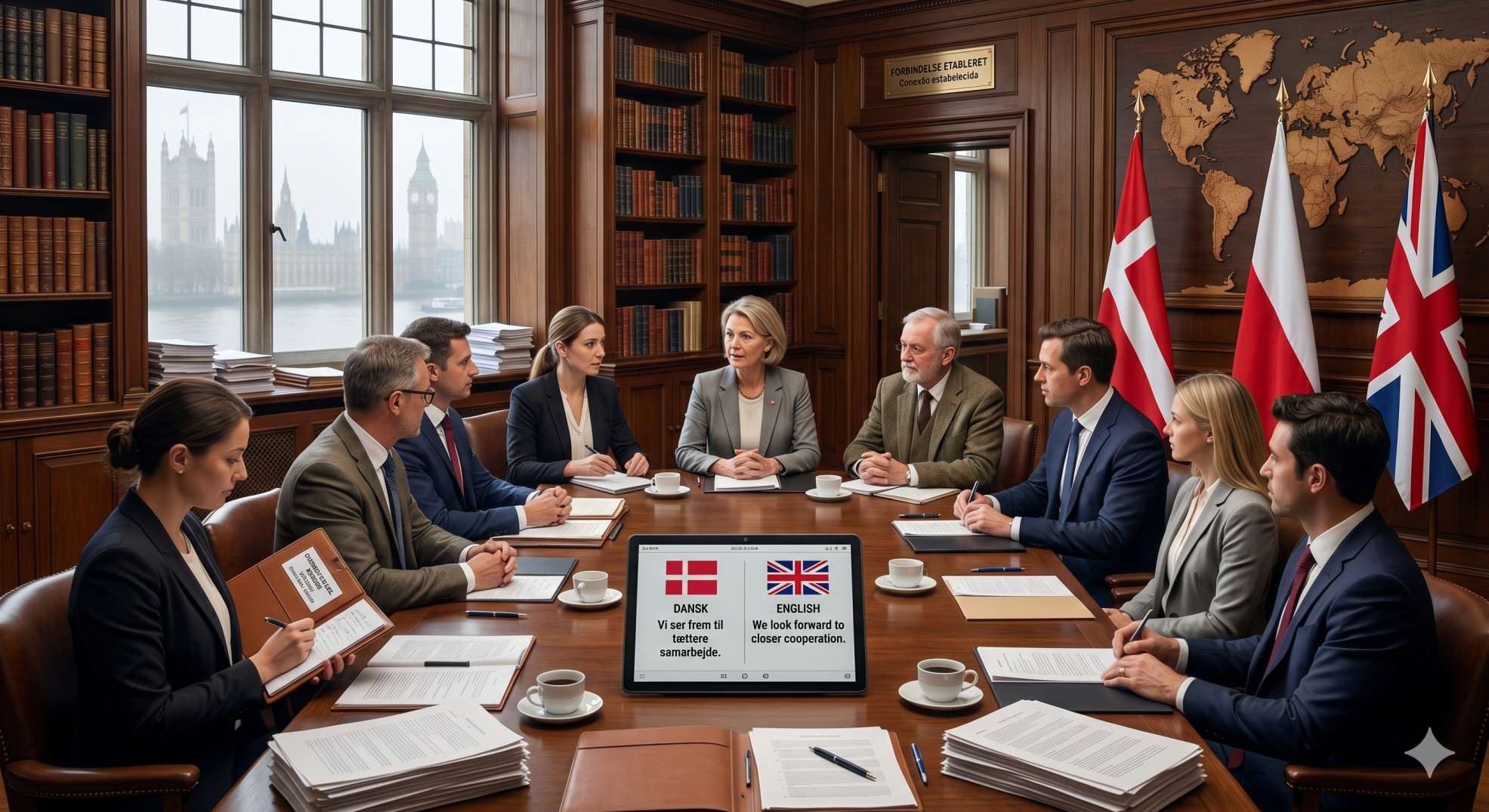
Securing a qualified Arabic interpreter in Carlisle is paramount for effective communication across vital sectors, from legal proceedings and healthcare appointments to business negotiations and public services. Carlisle, a historic city in Cumbria, serves a diverse population, and ensuring access to professional language services is a cornerstone of equitable service delivery. For residents and visitors requiring Arabic interpretation, access to skilled professionals is crucial for navigating the complexities of the UK’s institutional framework. This includes vital services provided by the North Cumbria Integrated Care NHS Foundation Trust and the Cumbria Partnership NHS Foundation Trust, both of which serve the wider region and rely on accurate communication to ensure patient safety and well-being. This page outlines the critical importance of professional Arabic interpretation services within Carlisle, detailing their application in legal, medical, and commercial environments, and highlighting the standards and resources available within the United Kingdom.
Translation vs Interpretation
While often used interchangeably, translation and interpretation are distinct linguistic disciplines, each requiring specialised skills and adherence to professional standards. Interpretation involves the real-time, oral conversion of spoken or signed language from one language to another. This is a dynamic process demanding not only linguistic fluency but also cultural understanding, acute listening skills, and the ability to think quickly under pressure. For businesses and public services in Carlisle, engaging a professional Arabic interpreter ensures that messages are conveyed accurately and nuances are preserved, preventing misunderstandings that could have significant consequences. Conversely, translation deals with the written word, converting text from a source language to a target language. This process allows for more deliberation, research, and revision to ensure accuracy and stylistic appropriateness. Both services are indispensable for the UK’s multicultural society, but the immediacy and interactive nature of interpretation make it particularly vital in face-to-face interactions, legal settings, and medical consultations. Finding a reliable Arabic translator in Carlisle for written documents, such as legal contracts or medical reports, is equally important, but this section focuses on the spoken word and the critical role of interpreters.
Legal Defence, Immigration, and Courtroom Interpretation
The administration of justice in the United Kingdom relies heavily on the principle of fairness and equal access to legal representation. For individuals who do not speak English as a first language, the provision of qualified interpreters is not merely a convenience but a fundamental right. This is particularly relevant in Carlisle, where individuals may need to interact with the legal system. His Majesty’s Courts and Tribunals Service (HMCTS) mandates the use of qualified interpreters in all court and tribunal proceedings to ensure that all parties can understand the proceedings and present their case effectively. This includes criminal courts, civil courts, family courts, and various tribunals, such as the First-tier Tribunal (Immigration and Asylum Chamber).
Arabic speakers involved in legal matters in Carlisle must have access to interpreters who are not only fluent in Arabic and English but also possess a deep understanding of legal terminology and procedures. Professional bodies such as the National Register of Public Service Interpreters (NRPSI) and the Diploma in Public Service Interpreting (DPSI) set rigorous standards for interpreters working in the public sector. These qualifications ensure that interpreters have undergone comprehensive training and assessment, covering legal frameworks, ethics, and confidentiality. Engaging an interpreter registered with the NRPSI or holding a DPSI qualification provides a guarantee of competence and adherence to a strict code of conduct. This is crucial for maintaining the integrity of legal proceedings and upholding the rights of individuals.
Immigration law is another area where expert Arabic interpretation is indispensable. The Home Office and UK Visas and Immigration (UKVI) process applications and conduct interviews where clear communication is essential. Individuals attending interviews at the Home Office or dealing with appeals at the First-tier Immigration Tribunal require interpreters who can accurately convey complex legal questions and responses. The consequences of miscommunication in these scenarios can be severe, impacting individuals’ right to remain in the UK. Therefore, solicitors and legal aid providers in Carlisle must prioritise engaging certified Arabic interpreters who are familiar with immigration procedures and terminology. The Royal Courts of Justice and other judicial centres across the UK depend on the availability of such professionals to ensure justice is served impartially.
Healthcare and NHS Patient Safety
Patient safety and effective healthcare delivery are paramount within the National Health Service (NHS). In a diverse city like Carlisle, ensuring that patients with limited English proficiency, including Arabic speakers, can fully understand their medical conditions, treatment options, and consent forms is a critical responsibility. The NHS England Language Access guidelines stipulate that healthcare providers must take all reasonable steps to ensure that patients have access to appropriate language support. This includes providing qualified interpreters for consultations, diagnostic procedures, and hospital admissions.
For the North Cumbria Integrated Care NHS Foundation Trust and other healthcare providers serving Carlisle, engaging professional Arabic interpreters is vital. These interpreters must not only be linguistically proficient but also possess a strong understanding of medical terminology, cultural sensitivities, and the ethical considerations inherent in healthcare settings. Misunderstandings can lead to incorrect diagnoses, inappropriate treatments, and adverse patient outcomes. The Care Quality Commission (CQC) also emphasises the importance of effective communication in ensuring the quality and safety of care.
Furthermore, adherence to the UK General Data Protection Regulation (UK GDPR) is essential. Interpreters working within the NHS are bound by strict confidentiality agreements, ensuring that sensitive patient information is protected. Professional interpreters often hold qualifications such as the DPSI or are registered with bodies like the NRPSI, which include modules on medical interpreting and ethical practice. This ensures they are equipped to handle the sensitive nature of medical discussions with professionalism and discretion. Access to a reliable Arabic interpreter in Carlisle for NHS appointments, hospital visits, and mental health services directly contributes to better health outcomes and a more equitable healthcare experience for all residents.
Technical Interpretation Modalities
The effectiveness of interpretation hinges on selecting the appropriate modality for the specific context. Professional Arabic interpreters in Carlisle offer a range of services tailored to different needs:
- Simultaneous Interpretation: This is the most demanding form of interpretation, where the interpreter speaks the target language almost concurrently with the source language speaker, typically using specialised equipment like booths and headsets. It is ideal for large conferences, international meetings, and parliamentary sessions where seamless communication is required.
- Consecutive Interpretation: In this mode, the interpreter listens to a segment of speech, then renders it into the target language after the speaker has finished. This is commonly used in smaller meetings, legal depositions, and medical consultations where direct interaction between speakers is important.
- Escort Interpretation (Liaison Interpretation): This involves facilitating communication between two or more parties who speak different languages during informal settings, such as business meetings, site visits, or social events. The interpreter acts as a bridge, ensuring smooth dialogue and understanding.
- Remote Interpretation (Video/Telephone Interpretation): With advancements in technology, remote interpretation services are increasingly common. This allows clients to connect with an Arabic interpreter via video conferencing or telephone, offering flexibility and cost-effectiveness for situations where an on-site interpreter is not feasible or necessary. This modality is particularly useful for routine calls, brief consultations, or when immediate access to an interpreter is required.
Choosing the correct interpretation modality ensures that the communication objectives are met efficiently and effectively, whether for a high-stakes legal negotiation or a routine medical check-up. Professional interpretation agencies and freelance interpreters in Carlisle can advise on the most suitable approach.
Economic and Social Fabric of Carlisle
Carlisle’s economy is a blend of historical significance and modern enterprise, supported by a growing professional services sector. The presence of a skilled Arabic-speaking workforce and the availability of professional interpretation services are increasingly important for businesses and public bodies operating within this dynamic environment.
Corporate/Industry
The industrial landscape around Carlisle includes sectors such as advanced manufacturing, agriculture, and logistics. For businesses engaged in international trade or with diverse workforces, professional Arabic interpretation facilitates smoother operations. This can range from negotiating contracts with Middle Eastern partners to ensuring effective communication and training for Arabic-speaking employees. Access to qualified interpreters supports compliance with UK employment law and promotes a more inclusive workplace. The ability to communicate effectively in Arabic can open new markets and strengthen business relationships, contributing to the economic vitality of the region.
Tourism
Carlisle, with its rich history, including Carlisle Castle and Hadrian’s Wall nearby, attracts visitors from around the globe. While English is the primary language, providing services in multiple languages enhances the visitor experience. For Arabic-speaking tourists, having access to interpreters or translated information can significantly improve their engagement with local attractions and businesses. This can be facilitated through hotels, visitor centres, and cultural institutions, making Carlisle a more welcoming destination and boosting the local tourism economy.
Legal Infrastructure
Carlisle possesses a robust legal infrastructure, including local law firms and access to regional courts. The demand for Arabic interpretation services within this sector is driven by the need to serve a diverse client base, including individuals involved in family law, criminal defence, and civil litigation. Law firms in Carlisle that can offer interpretation services, or partner with professional agencies, are better positioned to meet the needs of their clients and uphold the principles of justice. The presence of His Majesty’s Courts and Tribunals Service (HMCTS) facilities in the region further underscores the importance of readily available, qualified legal interpreters.
NHS Healthcare
As previously detailed, the NHS is a cornerstone of the Carlisle community. The North Cumbria Integrated Care NHS Foundation Trust and its associated services rely on clear communication to provide high-quality patient care. For Arabic-speaking patients, accessing interpreters ensures they receive accurate medical advice, can give informed consent, and feel supported throughout their healthcare journey. This commitment to language access is a key indicator of a well-functioning and inclusive healthcare system, aligning with national standards set by NHS England and the CQC.
Local Infrastructure and Transport
Carlisle’s infrastructure supports its role as a regional hub. The city is well-connected by road and rail, with major routes like the M6 motorway passing nearby, and Carlisle railway station serving as a significant transport interchange. This connectivity facilitates the movement of people and goods, and also makes it easier for professional interpreters to travel to and from appointments across the city and surrounding areas. Public transport options, including local bus services, further enhance accessibility for both clients and interpreters. The availability of reliable transport networks ensures that essential services, including legal and medical interpretation, can be delivered efficiently to meet the demands of Carlisle’s diverse population and its economic activities.
Conclusion
In conclusion, the need for professional Arabic interpreter in Carlisle services is multifaceted and critical. From ensuring fair access to justice within HMCTS proceedings and supporting the vital work of the NHS trusts like North Cumbria Integrated Care NHS Foundation Trust, to facilitating international business and enhancing the visitor experience, qualified interpreters play an indispensable role. Adherence to UK professional standards, such as those set by the NRPSI and DPSI, guarantees the quality and integrity of these services. For any organisation or individual in Carlisle requiring accurate and confidential Arabic interpretation, engaging certified professionals is not just a matter of convenience, but a necessity for effective communication, legal compliance, and equitable access to essential services. We are committed to providing expert Arabic interpretation solutions tailored to the specific needs of the Carlisle community and its professional sectors.