Securing a qualified Arabic interpreter in Crawley is paramount for seamless communication across diverse sectors, from legal proceedings within His Majesty’s Courts and Tribunals Service (HMCTS) to critical healthcare interactions with local NHS trusts such as Sussex Community NHS Foundation Trust and Brighton and Sussex University Hospitals NHS Trust. In a dynamic economic hub like Crawley, which serves as a gateway to Gatwick Airport and a significant business centre in West Sussex, the need for accurate, culturally sensitive, and professionally accredited language services cannot be overstated. This page explores the vital role of Arabic interpreters and translators in supporting the UK’s professional services market, focusing on the specific needs and regulatory landscape relevant to Crawley and its surrounding areas.
Translation vs Interpretation: Understanding the Nuances
While often used interchangeably, translation and interpretation are distinct linguistic disciplines, each requiring specialised skills and adhering to different professional standards. Understanding this difference is crucial for organisations seeking effective communication solutions. An Arabic translator in Crawley works with written text, converting documents, reports, websites, and other written materials from Arabic to English or vice versa. This process demands meticulous attention to detail, a deep understanding of subject-specific terminology, and the ability to convey the original text’s tone and intent accurately. Professional translators often specialise in fields such as legal, medical, technical, or financial translation, ensuring the highest level of precision. For instance, translating legal contracts or medical records requires not only linguistic proficiency but also an intimate knowledge of UK legal and healthcare terminology, respectively. The accuracy of translated documents can have significant legal and financial implications, underscoring the importance of engaging certified professionals. Organisations like the Chartered Institute of Linguists (CIOL) and the National Register of Public Service Interpreters (NRPSI) set rigorous standards for translators working within the UK’s public services.
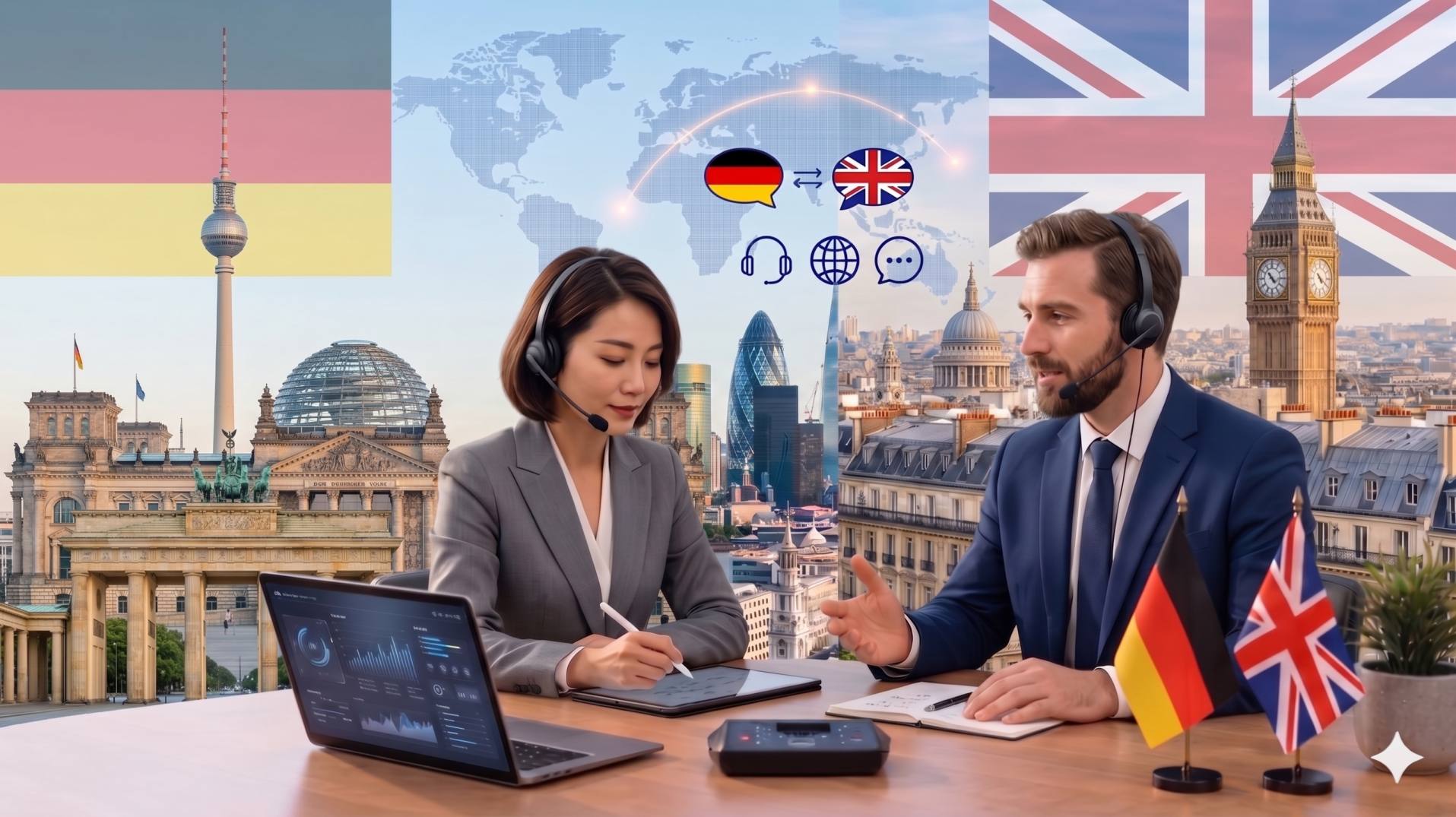
Conversely, an Arabic interpreter in Crawley facilitates spoken communication in real-time. This involves listening to a speaker in one language and rendering their message accurately and fluently in another. Interpretation demands exceptional auditory processing skills, a strong command of both languages, and the ability to think quickly and convey complex ideas spontaneously. Interpreters work in various settings, including courtrooms, hospitals, business meetings, and conferences. The role of an interpreter is not merely to convert words but to bridge cultural gaps and ensure mutual understanding. In high-stakes environments such as legal defence or medical consultations, the interpreter’s performance can directly impact outcomes. Professional bodies like the NRPSI and the Diploma in Public Service Interpreting (DPSI) provide qualifications and registration for interpreters working in critical public service domains, ensuring they meet the stringent requirements for accuracy, impartiality, and confidentiality under UK law.
Legal Defence, Immigration, and Courtroom Interpretation
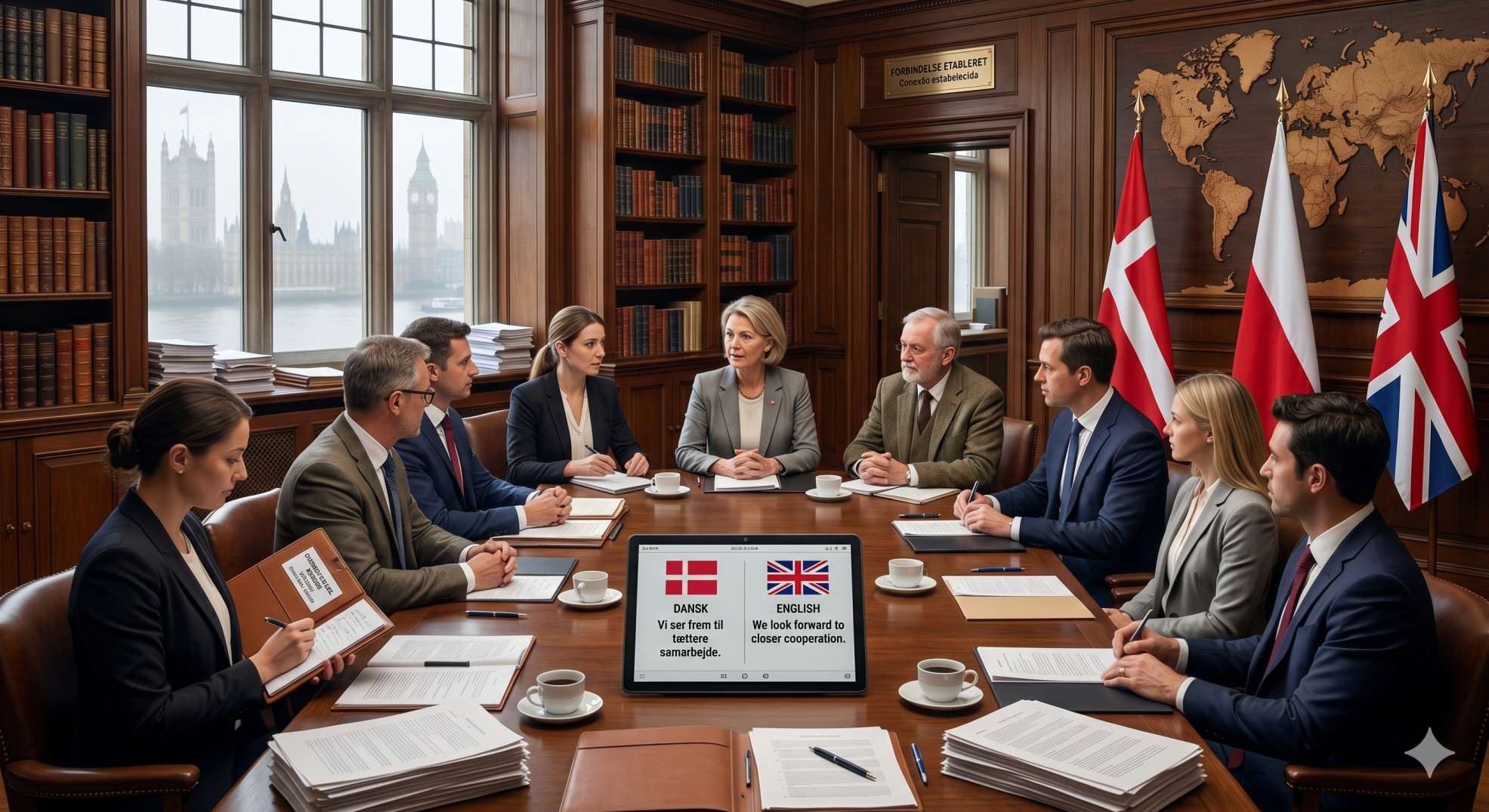
The UK’s justice system relies heavily on the principle of access to justice for all, regardless of language. For individuals who speak Arabic, accessing legal representation and understanding proceedings within His Majesty’s Courts and Tribunals Service (HMCTS) is facilitated by qualified interpreters. Whether dealing with criminal matters, family law disputes, or civil litigation, the presence of a professional Arabic interpreter ensures that all parties, including defendants, witnesses, and legal counsel, can communicate effectively. This is particularly critical in immigration cases, where individuals may be navigating complex procedures with the Home Office and the UK Visas and Immigration (UKVI) service, potentially facing hearings before the First-tier Immigration Tribunal. The accuracy and impartiality of the interpreter are vital to ensuring fair hearings and lawful outcomes.
Professional standards for interpreters in the legal sector are stringent, often requiring registration with bodies like the NRPSI or holding a qualification such as the DPSI. These qualifications ensure interpreters possess the necessary linguistic skills, ethical understanding, and knowledge of legal terminology and procedures within the UK context. The His Majesty’s Courts and Tribunals Service (HMCTS) has specific protocols for booking interpreters to ensure compliance with legal requirements and to maintain the integrity of court proceedings. Failure to provide adequate interpretation can lead to miscarriages of justice, highlighting the indispensable role of skilled Arabic interpreters in Crawley’s legal landscape and beyond. The Royal Courts of Justice, as the home of the High Court and Court of Appeal, also necessitates highly specialised interpreters for complex cases, ensuring that justice is administered fairly and transparently for all individuals interacting with the UK’s judicial system.
Healthcare and NHS Patient Safety
Patient safety and effective communication are cornerstones of the National Health Service (NHS). In Crawley, where a diverse population includes Arabic speakers, ensuring they can fully understand their medical conditions, treatment options, and consent forms is a critical responsibility for healthcare providers. The NHS’s commitment to equitable care is underpinned by guidelines on language access, which mandate the provision of professional interpreters when needed. For Arabic-speaking patients interacting with services provided by Sussex Community NHS Foundation Trust or Brighton and Sussex University Hospitals NHS Trust, a qualified interpreter ensures that consultations are clear, accurate, and respectful of patient confidentiality. This is crucial for informed decision-making, adherence to treatment plans, and building trust between patients and clinicians.
The regulatory framework governing healthcare in the UK, including the role of interpreters, is overseen by bodies such as the Care Quality Commission (CQC), which assesses the quality and safety of care services. Interpreters working within the NHS must adhere to strict ethical codes, including impartiality, confidentiality, and professional conduct, as outlined by organisations like the NRPSI. Compliance with UK GDPR is also essential, ensuring that patient data and sensitive personal information are handled securely. The NHS England Language Services guidance emphasizes the importance of using professionally qualified interpreters rather than relying on family members or untrained staff, who may lack the necessary skills or impartiality, potentially compromising patient safety and leading to diagnostic or treatment errors. Engaging a professional Arabic interpreter in Crawley for healthcare settings is therefore not just a matter of convenience but a fundamental requirement for delivering safe, effective, and person-centred care.
Technical Interpretation Modalities
The effectiveness of interpretation hinges on selecting the appropriate modality for the specific context. Professional Arabic interpreters in Crawley offer a range of services tailored to different communication needs:
- Simultaneous Interpretation: This is commonly used in conferences, large meetings, and broadcasts where the interpreter speaks almost concurrently with the speaker, often using specialised equipment like booths and headsets. It allows for high-volume information exchange in multiple languages without significant delays.
- Consecutive Interpretation: Here, the interpreter waits for the speaker to pause before rendering the message in the target language. This is suitable for smaller meetings, legal depositions, and one-on-one discussions where direct interaction is key. It allows for more detailed explanations and clarification.
- Escort Interpretation (Liaison Interpretation): This involves the interpreter accompanying clients to meetings, site visits, or social events, facilitating smooth communication between parties. It is often used in business negotiations, factory tours, or diplomatic visits, requiring cultural mediation skills alongside linguistic proficiency.
- Remote Interpretation (Video/Telephone): With advancements in technology, remote interpretation has become increasingly prevalent. This modality allows interpreters to connect with clients via phone or video conferencing platforms, offering flexibility and cost-effectiveness, especially for situations where in-person attendance is impractical or impossible. This is particularly useful for quick consultations or when immediate language support is needed across different locations.
Each modality requires a different skill set and preparation. Professional interpreters, often accredited by bodies such as the International Association of Conference Interpreters (AIIC) for conference settings or the NRPSI for public services, are trained to deploy the most effective technique for the situation, ensuring clarity, accuracy, and professional conduct.
Economic and Social Fabric of Crawley
Crawley’s strategic location and vibrant economy create a constant demand for professional language services. As a significant economic centre in West Sussex, its diverse business environment necessitates clear communication with international partners, clients, and employees.
Corporate and Industry
Crawley hosts a wide array of businesses, including those in aerospace, technology, finance, and retail. Many of these companies engage in international trade or have diverse workforces. For businesses operating in or with Crawley, having access to reliable Arabic translation and interpretation services is crucial for market expansion, client relations, and internal operations. This includes translating marketing materials, technical manuals, financial reports, and facilitating communication in international business meetings. Professional linguists ensure that corporate messages are conveyed accurately, maintaining brand integrity and fostering strong business relationships within the UK and globally.
Tourism
Proximity to Gatwick Airport makes Crawley a gateway for international travellers. While English is the primary language of business and tourism in the UK, providing information and services in multiple languages, including Arabic, enhances the visitor experience. Hotels, tourist attractions, and transport services can benefit from Arabic translations of websites, brochures, and signage. Furthermore, Arabic-speaking tourists may require interpretation services during their stay, whether for leisure activities or to navigate essential services. This inclusivity supports the local tourism economy and promotes Crawley as a welcoming destination.
Legal Infrastructure
Crawley has a robust legal sector supporting its residents and businesses. Law firms in the area frequently encounter clients who require Arabic interpretation for consultations, contract reviews, and court appearances. This is particularly relevant for immigration law, family law, and commercial disputes. Access to accredited Arabic interpreters ensures that legal professionals can effectively represent their clients, uphold client confidentiality, and navigate the complexities of the UK legal system, including matters before His Majesty’s Courts and Tribunals Service (HMCTS).
NHS Healthcare
As previously highlighted, the healthcare sector in and around Crawley, served by trusts like Sussex Community NHS Foundation Trust and Brighton and Sussex University Hospitals NHS Trust, requires professional Arabic interpretation to ensure equitable patient care. This includes GP surgeries, hospitals, and community health services. The ability to communicate effectively with Arabic-speaking patients is vital for accurate diagnosis, treatment, and patient well-being, adhering to the principles of patient-centred care mandated by CQC and NHS England.
Local Infrastructure and Transport
Crawley’s infrastructure plays a key role in its connectivity and economic function. Its strategic position near Gatwick Airport, one of the world’s busiest single-runway airports, makes it a vital hub for international travel and commerce. The town is well-served by road networks, including the M23 motorway, providing direct links to London and the south coast. Rail services are also extensive, with frequent trains connecting Crawley to major cities like London, Brighton, and Gatwick Airport itself, facilitating business travel and commuting. This excellent transport infrastructure ensures that professional interpreters and translators can reach clients efficiently across Crawley and the wider region, whether for in-person assignments or to connect remotely to global communication platforms. The presence of reliable transport links supports the seamless operation of essential services, including legal and healthcare appointments, which often require timely and punctual interpretation.
Conclusion
For businesses, legal firms, and healthcare providers in Crawley, engaging a professional Arabic interpreter in Crawley is not merely a service but a strategic necessity. It ensures compliance with UK legal and professional standards, enhances patient safety within the NHS, facilitates international commerce, and upholds the principles of fairness and accessibility in the justice system. By prioritising accurate, culturally competent, and professionally accredited language services, organisations can build stronger relationships, achieve better outcomes, and contribute to a more inclusive and prosperous community. We are committed to providing expert Arabic interpretation and translation services tailored to the specific needs of Crawley and the broader UK professional services market.