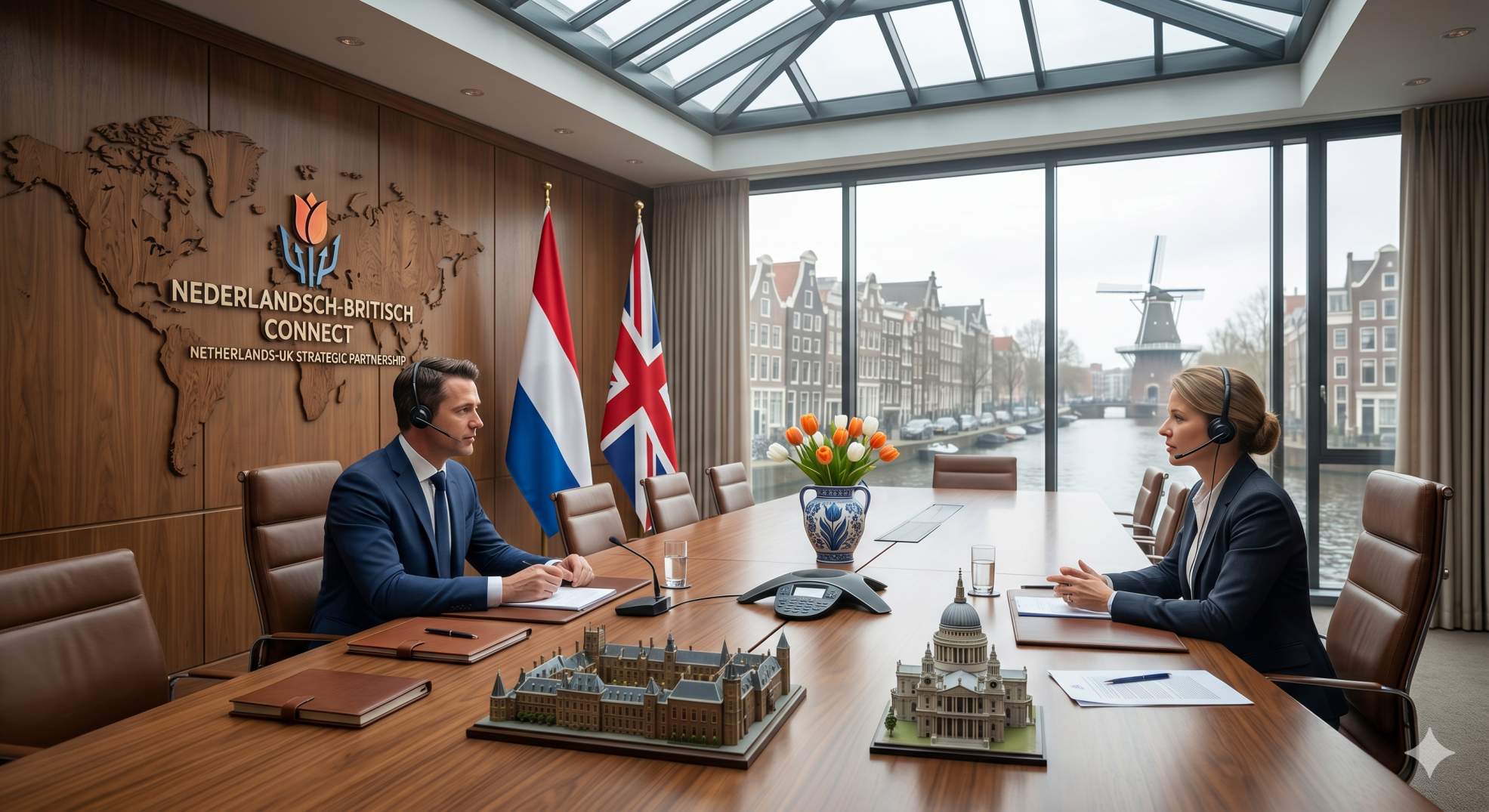

Securing a qualified Arabic interpreter in Inverness is paramount for effective communication across diverse sectors, from legal proceedings and healthcare appointments to business negotiations and public services within the United Kingdom. The Highland capital, while geographically distinct, is intrinsically linked to the UK’s robust legal, medical, and economic frameworks. For residents and visitors requiring Arabic language support, particularly within the National Health Service (NHS), access to accredited professionals is vital. This ensures that individuals interacting with services such as NHS Highland (https://www.nhshighland.scot.nhs.uk/) and potentially specialist services coordinated through other trusts like Great Ormond Street Hospital for Children NHS Foundation Trust (for highly specialised paediatric care, accessible via referral) can receive clear, accurate, and culturally sensitive interpretation. Navigating the complexities of UK institutions, from His Majesty’s Courts and Tribunals Service (HMCTS) to the Home Office, necessitates linguistic expertise that bridges cultural divides and upholds the integrity of official processes. This document outlines the critical role of professional Arabic interpretation in Inverness, underscoring its importance for legal, medical, and commercial interactions, all within the stringent regulatory landscape of the UK.
Translation vs Interpretation
While often used interchangeably in casual conversation, translation and interpretation are distinct linguistic disciplines, each requiring a unique skill set and adhering to different professional standards. Understanding this difference is crucial when engaging services, particularly for critical applications like legal or medical communication. Interpretation involves the real-time, spoken rendering of a message from one language to another. This can occur in various formats, including face-to-face, telephone, or video conferencing. An Arabic interpreter in Inverness must possess not only fluency in both Arabic and English but also a deep understanding of cultural nuances, idiomatic expressions, and the specific terminology relevant to the context, whether it be a courtroom, a hospital ward, or a business meeting. Professional interpreters are trained to convey not just the words, but also the tone, intent, and underlying meaning of the speaker, ensuring that the communication is as accurate and effective as possible. This is particularly important when dealing with sensitive or complex information. The accuracy and impartiality of an interpreter are protected by professional bodies such as the National Register of Public Service Interpreters (NRPSI) and the Chartered Institute of Linguists (CIOL), which set rigorous standards for qualification and conduct. Engaging a certified interpreter guarantees adherence to these high standards, which is essential for maintaining the integrity of legal and medical processes in the UK.
Translation, conversely, deals with the written word. A translator converts written text from one language to another, such as legal documents, medical reports, or technical manuals. This process allows for more time for research, editing, and proofreading, aiming for a highly polished and accurate rendition of the source text. While both professions demand linguistic proficiency, the skills and training differ significantly. For instance, a legal document requiring translation must be rendered with absolute precision, adhering to legal conventions and terminology specific to UK law. Similarly, medical records need to be translated with an understanding of medical terminology and patient confidentiality under UK GDPR. The distinction is vital for corporate buyers and public sector organisations in Inverness and across the UK who require specific linguistic support. For instance, a law firm might require a certified Arabic translator in Inverness for translating witness statements or court orders, while a hospital would need an interpreter for patient consultations. Ensuring the correct service is engaged prevents miscommunication and upholds the quality of service delivery, aligning with UK professional standards.
Legal Defence, Immigration, and Courtroom Interpretation
The UK’s justice system, governed by His Majesty’s Courts and Tribunals Service (HMCTS), mandates that all parties involved in legal proceedings have access to adequate interpretation services when required. This is a fundamental right to ensure a fair trial and access to justice for individuals who do not speak English or Welsh fluently. For the Arabic-speaking community in Inverness and throughout Scotland, this means that professional Arabic interpreters are essential in various legal settings. These include criminal courts, civil courts, family courts, and tribunals, such as the First-tier Immigration Tribunal. The role of the interpreter in these environments is critical, requiring absolute impartiality, confidentiality, and a profound understanding of legal terminology and procedures as defined by UK law. Professional interpreters often hold qualifications recognised by bodies like the NRPSI or the Diploma in Public Service Interpreting (DPSI), demonstrating their competence in handling complex legal discourse.
Immigration law is a particularly significant area where Arabic interpretation services are in high demand. Individuals seeking asylum, applying for visas, or facing deportation proceedings often need to communicate with the Home Office, UK Visas and Immigration (UKVI), and legal representatives. The accuracy of interpretation during interviews, appeals, and hearings at the First-tier Tribunal is paramount, as decisions made can have life-altering consequences. Interpreters must be adept at conveying precise legal questions and accurately recording the nuances of an individual’s testimony. Professional standards, such as those upheld by the NRPSI, ensure that interpreters are vetted and adhere to a strict code of conduct, including maintaining confidentiality and avoiding any personal bias. This is crucial for maintaining the integrity of the immigration process and ensuring that all individuals are treated fairly under UK immigration law. Law firms in Inverness and across the UK that specialise in immigration law rely heavily on qualified Arabic interpreters to effectively represent their clients and navigate the complex procedures set out by the Home Office and UKVI. The Royal Courts of Justice in London, while a central hub, represents the apex of a nationwide judicial system where consistent standards for interpretation are applied, ensuring that justice is accessible regardless of linguistic background.
Healthcare and NHS Patient Safety
Patient safety and effective communication are cornerstones of the National Health Service (NHS) in the UK. For Arabic-speaking patients in Inverness and the wider Highland region, accessing healthcare services requires reliable interpretation to ensure they can fully understand their medical conditions, treatment options, and discharge instructions. NHS trusts are legally and ethically obligated to provide interpretation services to patients who need them, as outlined by NHS England’s Language Access guidelines and the Equality Act 2010. This commitment is crucial for ensuring equitable access to care and preventing medical errors that can arise from miscommunication. Interpreters working within the NHS must not only be fluent in Arabic and English but also possess a strong understanding of medical terminology, ethical considerations, and patient confidentiality, adhering to UK GDPR principles.
The Care Quality Commission (CQC), the independent regulator of health and social care services in England, also emphasises the importance of effective communication in its inspections and ratings. Trusts that fail to provide adequate language support may face scrutiny. Therefore, NHS Highland and other relevant NHS bodies must ensure that qualified Arabic interpreters are readily available for consultations, diagnostic procedures, and emergency care. This includes providing interpreters for appointments with GPs, specialists, and during hospital stays. The use of professional interpreters, often certified by bodies like NRPSI or holding specific healthcare interpreting qualifications, ensures that patients can actively participate in their healthcare decisions and that clinicians receive accurate information to provide the best possible care. The commitment to patient safety extends to ensuring that all communication adheres to the highest professional standards, safeguarding patient rights and promoting trust in the healthcare system. This is a critical aspect of service delivery for all UK healthcare providers, including those serving Inverness.
Technical Interpretation Modalities
Professional Arabic interpretation services in Inverness are delivered through various modalities, each suited to different contexts and requirements. The choice of modality significantly impacts the flow of communication and the effectiveness of the interaction. Consecutive interpretation is commonly used in one-on-one settings, such as doctor’s appointments, interviews, or small meetings. In this mode, the interpreter listens to a segment of speech, then renders it into the target language while the speaker pauses. This allows for a natural conversational flow, though it can extend the duration of the interaction. Simultaneous interpretation, on the other hand, is employed in larger settings like conferences, lectures, or court proceedings where time is of the essence. Here, the interpreter speaks almost concurrently with the source speaker, often using specialised equipment such as soundproof booths and headsets. This requires intense concentration and is typically performed by highly skilled interpreters who are proficient in handling complex, fast-paced discourse.
Escort interpretation, also known as liaison interpretation, facilitates communication in social or business settings where the interpreter acts as a cultural bridge between parties. This might involve accompanying clients to business meetings, site visits, or social events, ensuring smooth and culturally appropriate interactions. For situations where face-to-face interaction is not feasible, remote interpretation services, including telephone interpreting (OPI) and video remote interpreting (VRI), have become increasingly prevalent. These services offer flexibility and rapid access to interpreters, particularly valuable for urgent situations or when geographical distance is a barrier. For example, a business in Inverness might use VRI to connect with an Arabic-speaking partner overseas, or an NHS patient might use OPI for a follow-up consultation. Each modality requires specific skills and preparation from the interpreter, and professional agencies ensure that the most appropriate interpreter and method are selected based on the client’s needs, adhering to UK professional standards for accuracy and confidentiality.
Economic and Social Fabric of Inverness
Inverness, as the capital of the Scottish Highlands, plays a vital role in the region’s economy and social landscape. Its strategic location and growing infrastructure make it an increasingly important hub for business, tourism, and public services. The presence of a skilled Arabic interpreter in Inverness is becoming more relevant as the city’s connections to the wider UK and international markets expand. Understanding the local economic and social context helps to appreciate the demand for and the importance of professional linguistic services.
Corporate/Industry
The economic diversification of Inverness includes sectors such as technology, renewable energy, and professional services. As businesses in these fields engage with international partners or serve a growing diverse population, the need for accurate communication becomes critical. For companies operating in or looking to invest in Inverness, having access to Arabic interpretation and translation services can facilitate smoother business dealings, market entry, and client relations. This is particularly relevant for sectors that have strong ties to the Middle East or cater to a growing Arabic-speaking demographic within the UK. Adherence to UK business law and professional standards is paramount, and clear communication through qualified interpreters ensures that contracts, negotiations, and operational communications are conducted with precision and integrity.
Tourism
Inverness is a gateway to the Scottish Highlands, attracting tourists from around the globe. While English is the primary language, a growing number of visitors from Arabic-speaking countries are exploring Scotland. Providing accessible services, including interpretation for tourism-related activities, hospitality, and information dissemination, enhances the visitor experience and supports the local tourism economy. This can range from providing translated visitor information to offering interpretation services for guided tours or at key attractions. Ensuring that Arabic-speaking tourists feel welcomed and can navigate their journey with ease contributes positively to Inverness’s reputation as a tourist destination within the UK.
Legal Infrastructure
Inverness possesses a functional legal infrastructure that serves the city and the surrounding Highlands. This includes local courts, legal practices, and administrative offices that operate under UK law. The demand for Arabic interpreters within this framework is driven by the need to ensure access to justice for all residents, regardless of their linguistic background. Law firms in Inverness, like their counterparts across the UK, may require interpreters for client consultations, court appearances, and the processing of legal documentation. The reliability and professionalism of interpreters are crucial, as they directly impact the fairness and efficiency of legal proceedings, aligning with the standards set by HMCTS and professional bodies like the NRPSI.
NHS Healthcare
The healthcare system in Inverness, primarily managed by NHS Highland, serves a diverse population. As highlighted previously, the provision of qualified Arabic interpreters is essential for ensuring that Arabic-speaking patients receive equitable and safe healthcare. This involves supporting communication between patients and healthcare professionals during consultations, treatments, and emergencies. The commitment to patient-centred care within the NHS framework necessitates robust language support services, ensuring that all individuals can understand and participate in their medical care, in line with UK healthcare regulations and CQC standards.
Local Infrastructure and Transport
Inverness benefits from a developing infrastructure that supports its role as a regional capital. The city is served by Inverness Airport (INV), providing connections to major UK cities and some international destinations, facilitating business travel and tourism. Rail links connect Inverness to the Scottish rail network, and a comprehensive road network, including the A9, ensures connectivity with the rest of Scotland. For businesses and individuals requiring Arabic interpretation services, this accessible infrastructure means that professional interpreters can be readily deployed to various locations within the city and its environs. Whether for airport transfers, business meetings at corporate offices, or appointments at healthcare facilities or legal offices, the transport network supports the logistical requirements of engaging interpretation services. The availability of reliable transport ensures that professional Arabic interpreters can reach their assignments promptly, contributing to the seamless operation of essential services across Inverness and the wider Highland region, all within the operational framework of UK public and private sector organisations.
Conclusion
In conclusion, the need for a professional Arabic interpreter in Inverness is multifaceted, underpinning the effective functioning of critical sectors such as legal services, healthcare, and business within the UK’s established frameworks. From ensuring fair access to justice under His Majesty’s Courts and Tribunals Service (HMCTS) and the Home Office, to safeguarding patient well-being within NHS Highland, and facilitating international commerce, the role of a qualified interpreter is indispensable. Engaging certified professionals who adhere to UK-wide standards, such as those set by the NRPSI, guarantees accuracy, impartiality, and confidentiality. For any organisation or individual in Inverness requiring Arabic language support, partnering with reputable interpretation providers ensures that communication barriers are overcome, fostering trust and enabling successful outcomes. We are committed to providing expert Arabic interpretation services tailored to the specific needs of Inverness and the broader UK professional landscape.