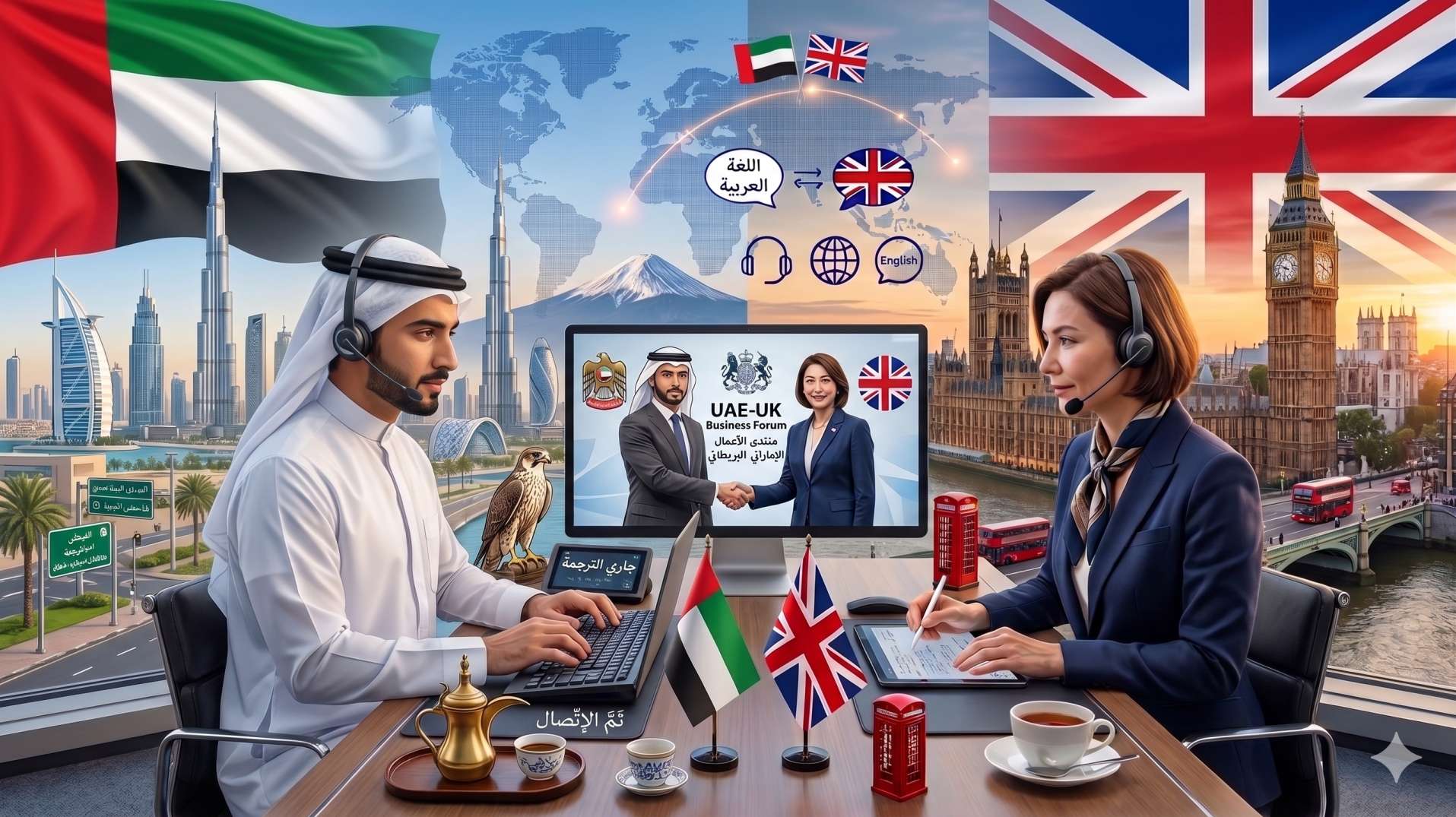
Securing a qualified Arabic interpreter in Luton is paramount for effective communication across a diverse range of professional sectors. Luton, a vibrant and economically significant town in Bedfordshire, hosts a substantial Arabic-speaking population, necessitating expert linguistic support for legal proceedings, healthcare access, business transactions, and public services. This document outlines the critical importance of professional Arabic interpretation and translation services, specifically tailored to the UK’s regulatory and institutional landscape, ensuring accuracy, confidentiality, and adherence to the highest professional standards. Our services cater to the specific needs of UK corporate buyers, law firms, NHS trusts, immigration solicitors, and government departments operating within Luton and the wider region, guaranteeing seamless communication and compliance with UK law and professional bodies such as the National Register of Public Service Interpreters (NRPSI).
Translation vs Interpretation
While often used interchangeably, translation and interpretation are distinct linguistic disciplines, each requiring specialised skills and qualifications. Interpretation involves the real-time, oral conversion of spoken language from one tongue to another. This is crucial in live settings such as courtroom hearings, medical consultations, or business meetings. An Arabic translator in Luton, conversely, deals with the written word, converting documents, contracts, or official papers from Arabic to English or vice versa. Both services are vital for the UK’s multicultural society and economy. For instance, a solicitor in Luton might require an urgent interpretation service for a client interview, while a local business might need a comprehensive translation of its marketing materials for the Arabic market. The accuracy and cultural nuance provided by professional interpreters and translators are essential for avoiding misunderstandings and ensuring legal and professional compliance. Professional bodies like the Chartered Institute of Linguists (CIOL) set rigorous standards for both translators and interpreters, ensuring practitioners are not only linguistically proficient but also understand the ethical and professional responsibilities involved. The demand for skilled Arabic linguists in Luton reflects the town’s diverse demographic and its role as a hub for international business and community services.
Legal Defence, Immigration, and Courtroom Interpretation
The UK’s justice system relies heavily on clear communication, especially in matters involving individuals who do not speak English as a first language. For Arabic speakers in Luton, access to justice is significantly enhanced by the availability of qualified interpreters. These professionals play a critical role in ensuring fair trials and effective legal representation. The His Majesty’s Courts and Tribunals Service (HMCTS) mandates the provision of interpreters in criminal and civil proceedings where a language barrier exists. This ensures that defendants, witnesses, and victims can fully understand the proceedings and express themselves accurately. Arabic interpreters working within the UK legal framework must adhere to strict codes of conduct, often holding qualifications such as the Diploma in Public Service Interpreting (DPSI) or being registered with the NRPSI. These qualifications signify a high level of competence in legal terminology and ethical practice. In immigration matters, which are a significant area of legal work in Luton, interpreters are indispensable. The UK Visas and Immigration (UKVI), part of the Home Office, requires clear communication during interviews and appeals. The First-tier Immigration Tribunal also relies on skilled interpreters to ensure all parties understand the evidence and arguments presented. Failure to provide adequate interpretation can lead to miscarriages of justice, as highlighted by numerous case law precedents within the UK. Professional Arabic interpreters in Luton ensure that Arabic-speaking individuals can navigate the complexities of the UK legal system, from initial police interviews to final court judgments, upholding the principles of natural justice and the rule of law.
Healthcare and NHS Patient Safety
Patient safety and effective communication are cornerstones of the National Health Service (NHS). In Luton, where a significant portion of the population speaks Arabic, the need for professional Arabic medical interpreters is critical. The NHS England’s guidelines on language services emphasise the importance of providing high-quality interpretation to ensure equitable access to healthcare for all patients. This is particularly vital for vulnerable individuals who may struggle to articulate their symptoms or understand complex medical advice. The primary NHS trusts serving Luton include Bedford Hospital NHS Trust and Luton and Dunstable University Hospital NHS Foundation Trust. Both trusts, along with the wider Bedfordshire, Luton and Milton Keynes Integrated Care Board (ICB), are committed to providing accessible healthcare. Professional Arabic interpreters ensure that patients can fully participate in their care, understand diagnoses, treatment plans, and consent forms, thereby improving health outcomes and reducing the risk of medical errors. Adherence to the UK General Data Protection Regulation (UK GDPR) is also paramount, requiring interpreters to maintain strict confidentiality regarding patient information. The Care Quality Commission (CQC) inspects healthcare providers on their effectiveness, safety, and patient experience, with language access being a key component of equitable care. Certified medical interpreters, often holding the DPSI qualification or equivalent, are essential for building trust between Arabic-speaking patients and healthcare professionals, ensuring that no one is disadvantaged due to a language barrier.
Technical Interpretation Modalities
Effective interpretation in professional settings requires understanding various modalities, each suited to different contexts. For an Arabic interpreter in Luton, proficiency in these techniques is essential for delivering accurate and efficient communication. Consecutive interpretation is commonly used in one-on-one meetings, doctor’s appointments, or small group discussions. The interpreter listens to a segment of speech, then delivers the interpretation while the speaker pauses. Simultaneous interpretation is employed in larger conferences, formal meetings, or courtroom settings where speed and flow are critical. The interpreter listens and speaks almost concurrently, often using specialised equipment like booths and headsets. This requires intense concentration and rapid cognitive processing. Escort interpretation, also known as liaison interpretation, facilitates communication between two or more parties who speak different languages in informal settings, such as business negotiations, site visits, or social events. The interpreter acts as a cultural bridge, ensuring smooth interaction. Increasingly, remote interpretation services are being utilised, allowing interpreters to connect via phone or video conferencing platforms. This modality is particularly useful for urgent situations or when in-person interpreters are not readily available. For remote services, ensuring secure connections and appropriate technology is vital, especially when dealing with sensitive information governed by UK data protection laws. Professional organisations like the International Association of Conference Interpreters (AIIC) provide guidance on best practices for all interpretation modalities, ensuring quality and professionalism regardless of the setting.
Economic and Social Fabric of Luton
Luton’s dynamic economy and diverse population create a constant need for professional Arabic interpretation and translation services. Understanding the local economic landscape is key to appreciating the demand for these linguistic skills.
Corporate and Industry
Luton boasts a significant presence in sectors such as aviation (home to London Luton Airport), manufacturing, retail, and technology. Many local businesses engage in international trade or serve a diverse customer base, including Arabic speakers. Professional Arabic interpreters and translators are essential for facilitating business negotiations, marketing campaigns, customer service, and internal communications. Ensuring that contracts, product manuals, and marketing materials are accurately translated into Arabic, and that business meetings are effectively interpreted, can provide a competitive edge and foster stronger international relationships. Compliance with UK business law and industry standards is non-negotiable, making accurate translation of legal and technical documents crucial.
Tourism
With attractions like the Wardown House Museum and Gallery and its proximity to London, Luton attracts a variety of visitors. While English is the primary language, providing information and services in Arabic can enhance the experience for Arabic-speaking tourists. This includes translated signage, brochures, and interpretation services for guided tours or hospitality staff. This focus on accessibility can boost the local tourism economy by making Luton more welcoming to a wider international audience.
Legal Infrastructure
Luton has a well-established legal community, including numerous law firms and access to HMCTS facilities. The town’s demographic profile means that Arabic-speaking individuals frequently interact with the legal system, whether for immigration advice, family law matters, or criminal defence. The demand for qualified Arabic interpreters registered with bodies like the NRPSI or holding a DPSI is high. Law firms in Luton rely on these professionals to ensure their Arabic-speaking clients receive accurate legal advice and representation, upholding the principles of justice within the UK legal framework.
NHS Healthcare
As detailed previously, the healthcare sector in Luton, served by trusts like the Luton and Dunstable University Hospital NHS Foundation Trust and Bedford Hospital NHS Trust, requires robust language support. The significant Arabic-speaking population necessitates readily available, professional medical interpreters to ensure patient safety, informed consent, and effective treatment. Compliance with NHS England’s language access policies and UK GDPR is critical for all healthcare providers. The Bedfordshire, Luton and Milton Keynes ICB oversees the commissioning of local health services, emphasising the need for accessible communication.
Local Infrastructure and Transport
Luton’s infrastructure plays a vital role in its connectivity and economic function. London Luton Airport (LLA) is a major international gateway, facilitating travel and business for people from around the world, including many Arabic-speaking countries. The airport’s operations, passenger services, and security protocols require clear communication, often necessitating multilingual support. Luton’s transport network, including its rail links to London and other major cities, further enhances its accessibility. For businesses and public services operating in Luton, understanding the needs of a diverse population, including Arabic speakers, is key to efficient operation. This includes providing information in multiple languages for public transport users, emergency services, and local government services. The town’s commitment to inclusivity is reflected in its efforts to provide accessible services, where professional Arabic interpretation and translation are indispensable tools for bridging communication gaps and ensuring all residents and visitors can engage effectively with local infrastructure and services.
Conclusion
For any organisation operating in Luton that requires clear, accurate, and confidential communication with Arabic speakers, engaging a professional Arabic interpreter in Luton is not merely a convenience but a necessity. From the critical demands of the UK legal system, including proceedings before His Majesty’s Courts and Tribunals Service (HMCTS) and UK Visas and Immigration, to the life-saving importance of clear communication within the NHS, particularly at trusts like the Luton and Dunstable University Hospital NHS Foundation Trust and Bedford Hospital NHS Trust, professional interpretation ensures fairness, safety, and efficacy. Adherence to UK professional standards, as set by bodies like the NRPSI and DPSI, guarantees the quality and integrity of the services provided. We offer expert Arabic interpretation and translation services designed to meet the stringent requirements of UK professional services markets, ensuring your communication is precise, culturally sensitive, and fully compliant. Contact us today to discuss your specific needs and ensure seamless communication for your Luton-based operations.