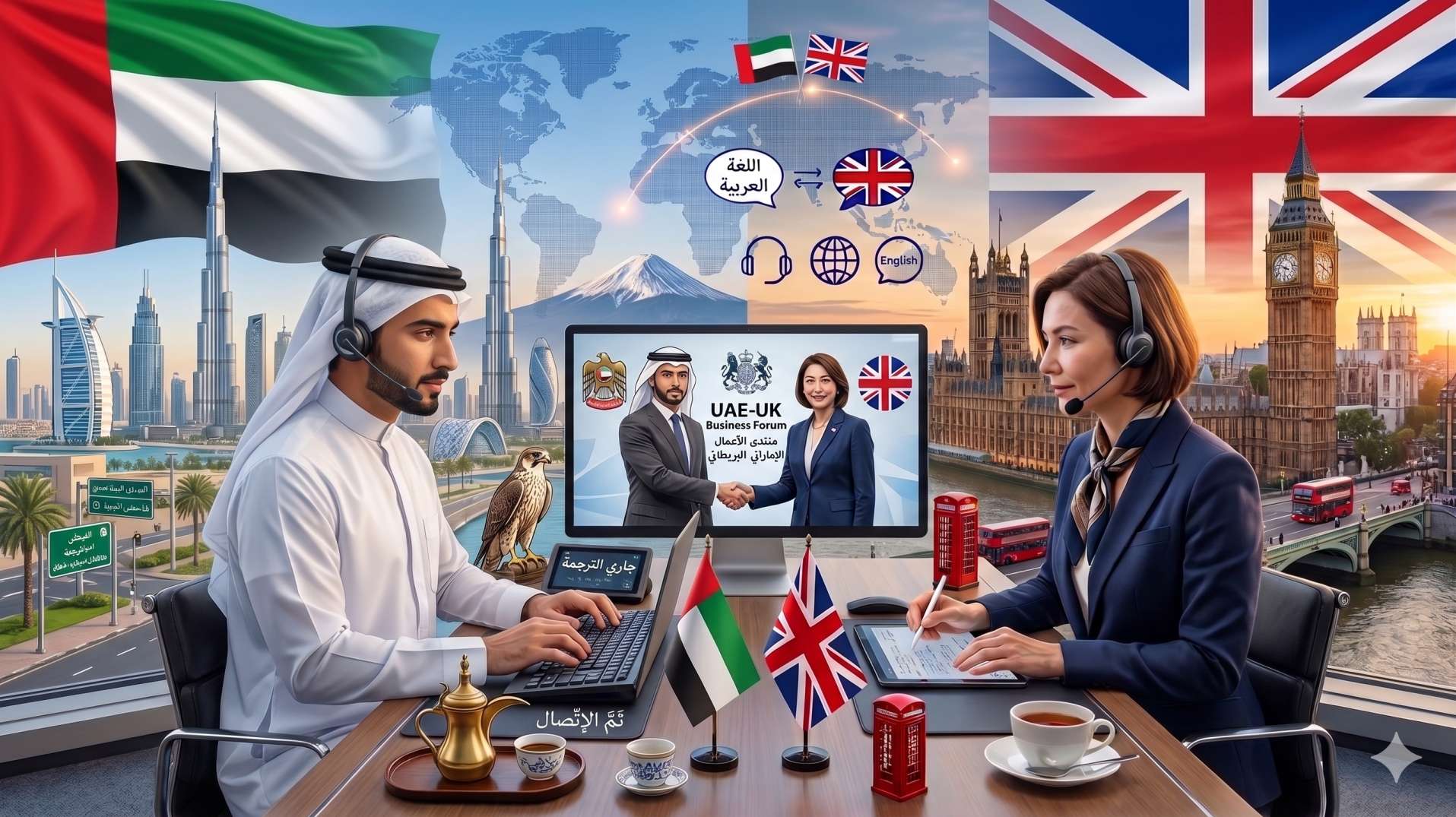
Securing a qualified Arabic interpreter in Northampton is paramount for effective communication across diverse sectors, from legal proceedings and healthcare consultations to business negotiations and public services. In a city like Northampton, which serves as a vital hub within the UK’s economic landscape, the need for precise and culturally sensitive interpretation is ever-present. This is particularly true when engaging with the Northampton Surgery or the Northamptonshire Healthcare NHS Foundation Trust, where clear communication is fundamental to patient care and safety, adhering strictly to NHS England’s Language Access guidelines and the principles of UK GDPR. Our services ensure that linguistic barriers are dismantled, providing access to justice, healthcare, and commercial opportunities for Arabic speakers within Northampton and beyond, upholding the highest professional standards recognised by bodies such as the National Register of Public Service Interpreters (NRPSI).
Translation vs Interpretation: Bridging the Linguistic Divide
While often used interchangeably, translation and interpretation are distinct disciplines, each requiring specialised skills and adherence to professional standards. An Arabic translator in Northampton works with written text, converting documents, reports, and correspondence from Arabic to English or vice versa. This process demands meticulous attention to detail, a deep understanding of both source and target languages, and often, subject-specific knowledge to ensure accuracy and nuance are preserved. In contrast, an Arabic interpreter in Northampton facilitates spoken communication in real-time. This involves listening to a speaker in one language and rendering their message accurately and impartially in another. The interpreter must possess not only linguistic fluency but also exceptional short-term memory, cultural awareness, and the ability to remain neutral, especially in sensitive environments like legal settings or medical appointments. The Chartered Institute of Linguists (CIOL) and the International Association of Professional Translators and Interpreters (IAPTI), along with the NRPSI, set the benchmarks for these professions within the UK, ensuring that clients receive services that meet rigorous quality and ethical requirements. For corporate clients in Northampton, understanding this distinction is crucial for selecting the appropriate service to meet their specific communication needs, whether it’s translating contracts or facilitating live business meetings.
Legal Defence, Immigration, and Courtroom Interpretation
The UK’s legal system, governed by His Majesty’s Courts and Tribunals Service (HMCTS), places a significant emphasis on ensuring fair access to justice for all individuals, regardless of their language proficiency. For Arabic speakers involved in legal matters in Northampton, whether civil, criminal, or family law, the provision of qualified interpreters is not merely a courtesy but a legal necessity. This is particularly critical in proceedings before HMCTS, where misunderstandings can have profound consequences. Professional interpreters must be registered with bodies like the NRPSI or hold qualifications such as the Diploma in Public Service Interpreting (DPSI), demonstrating their competence in legal terminology and courtroom etiquette. This ensures impartiality and accuracy, vital for the integrity of the judicial process. In immigration law, interpreters are indispensable for applications, appeals, and interviews conducted by the UK Visas and Immigration (UKVI), part of the Home Office. The First-tier Immigration Tribunal also relies heavily on accurate interpretation to ensure fair hearings. Engaging an Arabic interpreter in Northampton who understands the specific legal frameworks and terminology used by UK authorities is essential for clients to effectively present their case and for legal professionals to represent them adequately. The Ministry of Justice oversees the standards for interpreters working within the justice system, ensuring that all parties have a clear understanding of proceedings, thereby upholding the principles of natural justice.
Healthcare and NHS Patient Safety
Patient safety within the National Health Service (NHS) is a cornerstone of UK healthcare policy, and effective communication is integral to achieving this. For Arabic-speaking patients in Northampton, accessing healthcare services provided by trusts such as the Northamptonshire Healthcare NHS Foundation Trust or services managed by Northampton Surgery requires the availability of skilled Arabic interpreters. Misunderstandings regarding medical history, symptoms, diagnoses, treatment plans, or consent can lead to serious adverse outcomes, including incorrect medication, delayed treatment, or a breakdown in the patient-provider relationship. The Care Quality Commission (CQC), the independent regulator of health and social care in England, emphasizes the importance of effective communication in ensuring high-quality care. Adherence to NHS England’s Language Access guidelines mandates that healthcare providers must ensure that patients who need interpretation services receive them promptly and professionally. Interpreters working in the NHS must not only be linguistically proficient but also possess a strong understanding of medical terminology, ethical considerations, and the confidential nature of patient information, in line with UK GDPR. Professional bodies like the NRPSI and the DPSI qualification are often the benchmark for such professionals. Ensuring access to a qualified Arabic interpreter in Northampton is therefore a critical component of delivering equitable and safe healthcare to the local Arabic-speaking community, supporting the overarching mission of the NHS to provide care for all.
Technical Interpretation Modalities
The effectiveness of interpretation hinges on selecting the appropriate modality for the specific context. For an Arabic interpreter in Northampton, understanding these different modes is crucial for delivering seamless communication. Consecutive interpretation is commonly used in one-on-one meetings, doctor’s appointments, or smaller group discussions. The interpreter listens to a segment of speech, waits for the speaker to pause, and then renders the message in the target language. This allows for a natural flow of conversation, albeit with some delay. Simultaneous interpretation is employed in larger settings such as conferences, lectures, or formal meetings where time is critical. The interpreter, usually working from a soundproof booth with specialised equipment, listens to the speaker through headphones and interprets almost instantaneously into a microphone. This requires intense concentration and rapid processing. Escort interpretation, also known as liaison interpretation, is used to facilitate communication between parties who speak different languages in social or business settings, such as factory tours, site visits, or informal business meetings. The interpreter acts as a cultural bridge, conveying not just words but also cultural nuances. Increasingly, remote interpretation services are becoming prevalent, utilising telephone or video conferencing platforms. This modality offers flexibility and cost-effectiveness, particularly for situations where an in-person interpreter is not readily available or necessary. Platforms like the NHS services directory often highlight the availability of remote options. Regardless of the modality, the commitment to accuracy, impartiality, and confidentiality, as upheld by professional bodies like the AIIC, remains paramount for all Arabic interpretation services in Northampton.
Economic and Social Fabric of Northampton
Northampton, a historic market town with a dynamic modern economy, benefits significantly from a diverse population and its strategic location within the UK. The presence of a skilled Arabic-speaking workforce and the availability of professional interpretation services contribute to its economic vitality and social cohesion.
Corporate and Industry
Northampton’s economy is robust, with key sectors including advanced manufacturing, logistics, professional services, and retail. For businesses operating in or looking to engage with the Arabic-speaking market, whether for export, investment, or talent acquisition, professional Arabic interpretation and translation services are indispensable. Companies can leverage these services to negotiate contracts, conduct market research, provide customer support, and manage international partnerships. The Department for Business and Trade (formerly DIT) often supports UK businesses in international trade, where accurate communication is key. Ensuring that all parties in a business transaction understand each other perfectly, facilitated by a qualified Arabic interpreter in Northampton, builds trust and fosters successful commercial relationships, aligning with the UK’s commitment to global trade.
Tourism
Northampton boasts a rich heritage, with attractions such as its historic churches, the Royal & Derngate theatres, and proximity to stately homes like Althorp. For Arabic-speaking tourists, the availability of interpretation services can enhance their experience, providing access to guided tours, local information, and hospitality services. This not only benefits the visitors but also supports the local tourism economy, encouraging repeat visits and positive word-of-mouth referrals. Local tourism boards and hospitality providers can utilise interpretation services to cater to a wider international audience, promoting Northampton as an accessible and welcoming destination.
Legal Infrastructure
Northampton possesses a well-established legal infrastructure, including local law firms and access to regional courts. For Arabic-speaking individuals navigating the UK legal system, whether for personal matters or business disputes, access to qualified legal interpreters is crucial. These interpreters, often holding DPSI qualifications or equivalent, ensure that legal advice and court proceedings are fully understood. This is vital for upholding the principles of justice and ensuring that all residents of Northampton have equal access to legal recourse through bodies like HMCTS.
NHS Healthcare
The healthcare landscape in Northampton is served by dedicated NHS trusts and primary care services. The commitment to providing equitable healthcare means that Arabic-speaking patients must have access to interpreters for all consultations, procedures, and emergencies. This ensures that patients can provide informed consent, understand treatment options, and communicate effectively with healthcare professionals at facilities like Northampton Surgery and across the Northamptonshire Healthcare NHS Foundation Trust. Compliance with NHS England’s Language Access Policy and UK GDPR is paramount in maintaining patient confidentiality and trust.
Local Infrastructure and Transport
Northampton’s strategic location in the East Midlands, with excellent transport links including the M1 motorway and a direct rail service to London, makes it an accessible hub for business and residents. The presence of a reliable Arabic interpreter in Northampton complements this infrastructure by ensuring that communication flows smoothly for visitors, new residents, and businesses interacting with local authorities, transport providers, and service industries. Whether it’s navigating public transport information, engaging with local council services at Northampton Borough Council, or accessing essential community services, linguistic support ensures that all members of the community can participate fully. The National Highways network, including the M1, is a vital artery for commerce and travel, and clear communication with Arabic-speaking drivers and logistics professionals can be facilitated by professional interpreters. This seamless integration of communication support enhances the overall efficiency and inclusivity of Northampton’s local infrastructure.
In conclusion, the demand for professional Arabic interpreter in Northampton services is multifaceted, underpinning critical functions across the legal, healthcare, and commercial sectors. By engaging certified and experienced interpreters, organisations and individuals can ensure clarity, accuracy, and compliance with UK standards. We are committed to providing unparalleled interpretation services that bridge linguistic and cultural divides, empowering Arabic speakers and facilitating effective communication for all stakeholders within Northampton and the wider UK.