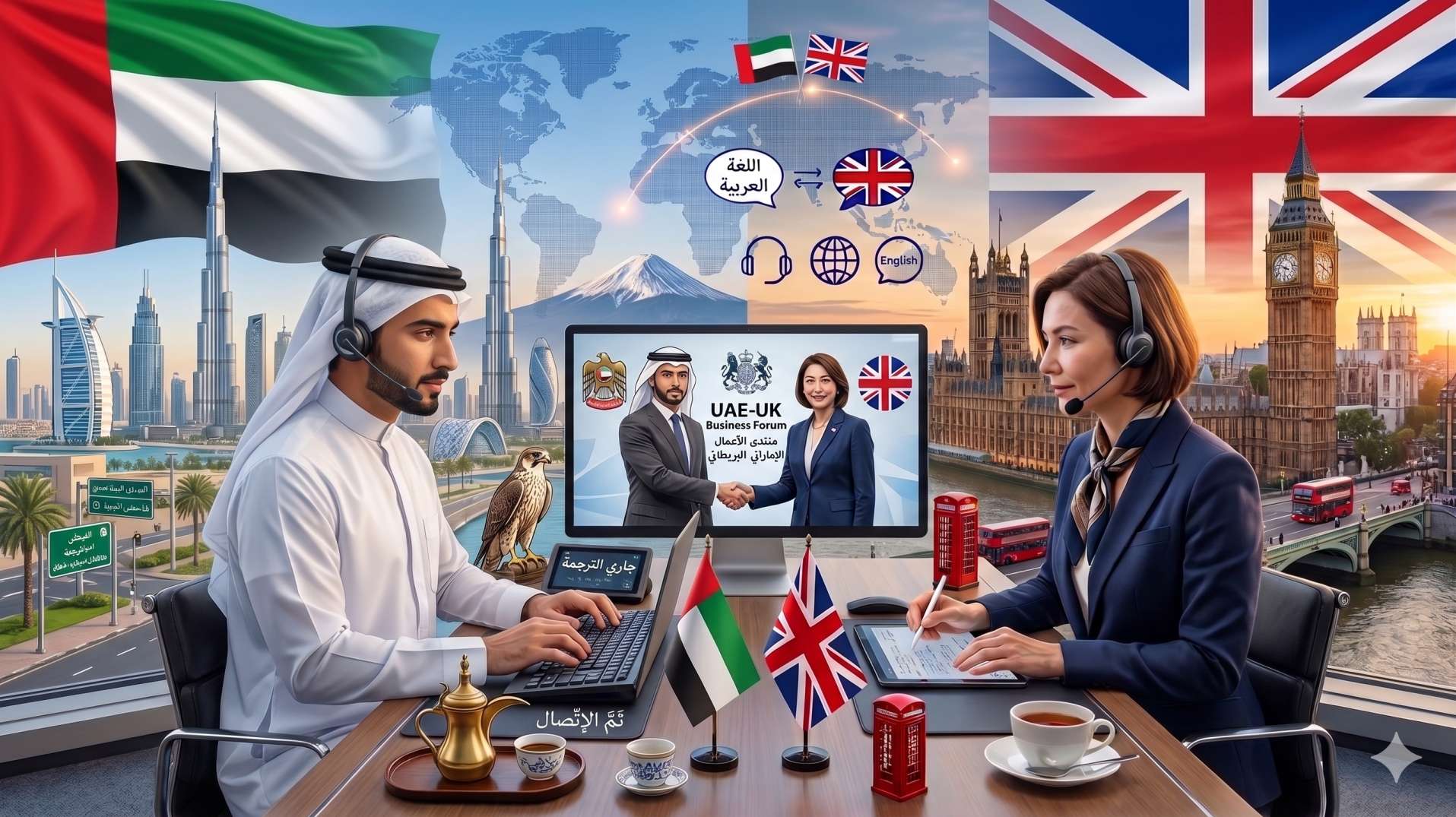
Securing a qualified Arabic interpreter in Perth and Kinross is paramount for effective communication across diverse sectors, from legal proceedings to critical healthcare consultations. In a region like Perth and Kinross, where a growing diversity necessitates clear and accurate linguistic bridges, professional interpretation services ensure that all individuals can access essential services and participate fully in civic life. This is particularly vital when navigating the complexities of the UK’s legal, medical, and administrative systems. For residents and businesses in Perth and Kinross, access to accredited interpreters is not merely a convenience but a fundamental requirement for justice, safety, and economic engagement. The NHS in this region, for instance, relies on robust language support to serve its diverse patient population effectively. Key NHS trusts serving the area include NHS Lothian and NHS Greater Glasgow and Clyde, both of which have extensive patient bases and require comprehensive language services to uphold patient rights and safety standards under UK law.
Translation vs Interpretation
While often used interchangeably, translation and interpretation are distinct linguistic disciplines, each requiring specialised skills and qualifications. Interpretation involves the real-time, spoken rendering of a message from one language to another. This demands not only fluency in both the source and target languages but also an acute understanding of cultural nuances, idiomatic expressions, and the specific terminology relevant to the context, whether it be a legal deposition, a medical examination, or a business negotiation. An Arabic translator in Perth and Kinross, conversely, works with written texts, converting documents, reports, or correspondence from one language to another. The skills required for translation include meticulous attention to detail, strong writing abilities, and a deep understanding of grammar and syntax in both languages. For professional services in Perth and Kinross, engaging the correct linguistic professional is crucial. For instance, a legal firm might require an interpreter for client interviews or court appearances, while a business might need a translator for contracts or marketing materials. Ensuring that the chosen professional is accredited by recognised UK bodies, such as the National Register of Public Service Interpreters (NRPSI) or the Chartered Institute of Linguists (CIOL), guarantees a high standard of accuracy and adherence to professional ethics, which is a cornerstone of UK professional practice.
Legal Defence, Immigration, and Courtroom Interpretation
The administration of justice in the United Kingdom hinges on the principle of equal access to legal representation and fair trial, regardless of an individual’s linguistic background. For Arabic speakers involved in legal matters within Perth and Kinross and across the UK, the availability of highly skilled and accredited interpreters is non-negotiable. These professionals play a critical role in ensuring that all parties, including defendants, witnesses, and legal counsel, can communicate effectively. This is particularly pertinent in cases heard before His Majesty’s Courts and Tribunals Service (HMCTS). Interpreters must possess a thorough understanding of legal terminology, courtroom procedures, and the strict ethical codes governing public service interpreters. Accreditation from bodies like the NRPSI or holding a Diploma in Public Service Interpreting (DPSI) is often a prerequisite for working in sensitive legal environments. In immigration law, where individuals seek asylum or residency in the UK, the role of the Arabic interpreter is equally vital. Proceedings before the First-tier Immigration Tribunal and interactions with the UK Visas and Immigration (UKVI) require interpreters who can convey complex legal and personal information with absolute precision. Failure to provide adequate interpretation can have profound consequences, potentially leading to miscarriages of justice. Professional interpreters ensure that the rights of individuals are protected and that the integrity of the legal process is maintained, upholding the high standards expected within the UK’s justice system. The Ministry of Justice oversees many aspects of the court system, and their commitment to accessibility is supported by the availability of qualified interpreters.
Healthcare and NHS Patient Safety
Patient safety and equitable access to healthcare are fundamental pillars of the National Health Service (NHS) in the UK. For Arabic-speaking patients in Perth and Kinross, effective communication with healthcare professionals is essential for accurate diagnosis, informed consent, and the overall quality of care. Professional Arabic interpreters facilitate these vital interactions, ensuring that patients understand their conditions, treatment options, and medical advice. This is not only a matter of good practice but a legal and ethical imperative, governed by regulations such as the UK General Data Protection Regulation (UK GDPR) and guidelines set by the Care Quality Commission (CQC). The CQC rigorously assesses healthcare providers on their ability to meet the needs of all patients, including those with language barriers. NHS England also provides guidance on language services to ensure consistency and quality across the service. Interpreters working within the NHS must adhere to strict confidentiality agreements and possess a specialised vocabulary related to medical terminology. Their role extends beyond simple word-for-word conversion; they must convey the tone, intent, and emotional context of the communication, ensuring that the patient feels heard and understood. This is critical in sensitive situations such as discussing diagnoses, undergoing procedures, or managing chronic conditions. The availability of a reliable Arabic interpreter in Perth and Kinross directly impacts patient outcomes and upholds the NHS’s commitment to providing high-quality care to all members of the community, irrespective of their linguistic background. Ensuring that healthcare providers have access to these services is a key component of patient-centred care and aligns with the principles of the NHS Business Services Authority in promoting accessible healthcare.
Technical Interpretation Modalities
The effective delivery of interpretation services relies on employing the appropriate modality to suit the specific context and requirements of the communication. For Arabic interpretation in Perth and Kinross, several key modalities are utilised, each with its unique application:
- Consecutive Interpretation: This is perhaps the most common form, where the interpreter listens to a segment of speech, notes it down, and then renders it into the target language once the speaker pauses. It is ideal for one-on-one meetings, doctor’s appointments, or small group discussions where a natural flow of conversation is desired.
- Simultaneous Interpretation: In this modality, the interpreter speaks almost concurrently with the source speaker, often using specialised equipment such as soundproof booths and headsets. This is essential for large conferences, international summits, or parliamentary sessions where time is of the essence and continuous communication is required. The UK Parliament frequently employs this method for multilingual debates.
- Escort Interpretation: Also known as liaison interpretation, this involves the interpreter accompanying a client to various appointments, meetings, or site visits. The interpreter facilitates communication between the client and different parties throughout the day, acting as a linguistic bridge in diverse settings. This is common for business delegations or individuals navigating multiple professional engagements.
- Remote Interpretation (ROBIN): With the advancement of technology, remote simultaneous interpretation (RSI) and remote consecutive interpretation (RCI) have become increasingly prevalent. This allows interpreters to work from anywhere in the world, connecting to meetings and events via secure online platforms. This modality offers flexibility and can be cost-effective, especially for events where on-site interpreters are not feasible or readily available. Professional bodies like the International Association of Conference Interpreters (AIIC) provide guidance on best practices for remote interpretation, ensuring quality standards are maintained.
The choice of modality depends heavily on the nature of the interaction, the number of participants, and the required speed and accuracy. Professional interpretation agencies in the UK will advise clients on the most suitable approach to ensure seamless communication.
Economic and Social Fabric of Perth and Kinross
Perth and Kinross, a region rich in history and natural beauty, possesses a dynamic economic and social landscape that benefits significantly from robust linguistic support. The presence of skilled Arabic interpreters and translators enhances the region’s capacity to engage with a globalised economy and serve its diverse population.
Corporate/Industry
The business community in Perth and Kinross, encompassing sectors from agriculture and food production to advanced manufacturing and technology, increasingly operates on an international scale. For companies looking to expand into Arabic-speaking markets or those engaging with international partners, accurate translation of business documents, marketing materials, and technical specifications is crucial. Equally, for businesses within Perth and Kinross that employ Arabic-speaking staff or serve Arabic-speaking customers, professional interpretation services are vital for smooth operations, effective team collaboration, and excellent customer service. This fosters stronger business relationships and contributes to the region’s economic competitiveness. The Department for Business and Trade supports UK businesses in international trade, and linguistic services are a key enabler for this.
Tourism
Perth and Kinross is a significant tourist destination, attracting visitors from around the world with its historic sites, stunning landscapes, and cultural attractions. As the number of visitors from Arabic-speaking countries grows, the demand for multilingual services, including translation of tourist information, websites, and promotional materials, increases. Furthermore, providing Arabic interpretation services for tour guides, hospitality staff, and at visitor centres enhances the visitor experience, making Perth and Kinross a more welcoming and accessible destination for a broader range of international travellers. This directly supports the local tourism economy, a vital component of the region’s prosperity.
Legal Infrastructure
As previously detailed, the legal sector in Perth and Kinross, like elsewhere in the UK, relies heavily on the accuracy and impartiality of interpreters. Whether dealing with local solicitors, the Sheriff Courts, or matters involving immigration, access to qualified Arabic interpreters ensures that the principles of justice are upheld for all residents. This strengthens the rule of law and provides confidence to individuals and businesses operating within the region’s legal framework. The Scottish Courts and Tribunals Service, which oversees courts in Scotland, mandates the provision of interpreters where necessary.
NHS Healthcare
The National Health Service in Perth and Kinross serves a diverse population, and ensuring equitable access to healthcare for Arabic speakers is a priority. Professional interpretation services are indispensable for effective patient-doctor communication, enabling accurate diagnoses, treatment plans, and the provision of essential health information. This commitment to accessible healthcare not only improves patient outcomes but also reinforces the region’s reputation as a caring and inclusive community. The NHS Inform Scotland website provides health information, and ensuring this is accessible to all language groups is key.
Local Infrastructure and Transport
Perth and Kinross benefits from a well-developed infrastructure that supports its economic and social functions. The region is connected by a robust network of roads, including major routes like the A9, facilitating the movement of goods and people. Public transport options, including bus services operated by companies like Stagecoach, and rail links from Perth station, connect the region to major cities across Scotland and the rest of the UK. For businesses and individuals requiring interpretation services, this accessible infrastructure ensures that interpreters can reach their destinations efficiently, whether for on-site assignments or client meetings. Furthermore, the increasing availability of reliable broadband and telecommunications infrastructure supports the growth of remote interpretation services, offering flexible and efficient solutions for linguistic support across the region and beyond. The Transport Scotland agency plays a key role in maintaining and developing the transport network.
Conclusion
In conclusion, the need for professional and accredited Arabic interpreter in Perth and Kinross is multifaceted, underpinning the region’s engagement with legal, healthcare, economic, and social spheres. Ensuring access to high-quality interpretation services is not merely about bridging a language gap; it is about upholding fundamental rights, promoting patient safety, facilitating international business, and fostering an inclusive community. For law firms, NHS trusts, government bodies, and corporations operating in or engaging with Perth and Kinross, partnering with reputable interpretation providers is an investment in clarity, accuracy, and effective communication. We are committed to providing expert Arabic interpretation services that meet the rigorous standards expected within the UK, ensuring that every voice is heard and understood. Contact us today to discuss your specific interpretation needs and discover how our professional services can support your objectives in Perth and Kinross and across the United Kingdom.