Securing a qualified Arabic interpreter in Slough is paramount for effective communication across critical sectors within the UK’s professional landscape. Whether engaging with legal proceedings, accessing vital healthcare services, or navigating complex business negotiations, the need for precise and culturally nuanced interpretation cannot be overstated. Slough, a vibrant economic hub in Berkshire, is served by key NHS trusts including Ashford and St. Peter’s Hospitals NHS Foundation Trust and Royal Berkshire NHS Foundation Trust, both of which rely on professional language services to ensure equitable patient care for all residents, irrespective of their linguistic background. This document outlines the strategic importance of professional Arabic interpretation and translation services, focusing on their application within the UK’s specific legal, healthcare, and economic frameworks.
Translation vs Interpretation: Understanding the Nuances
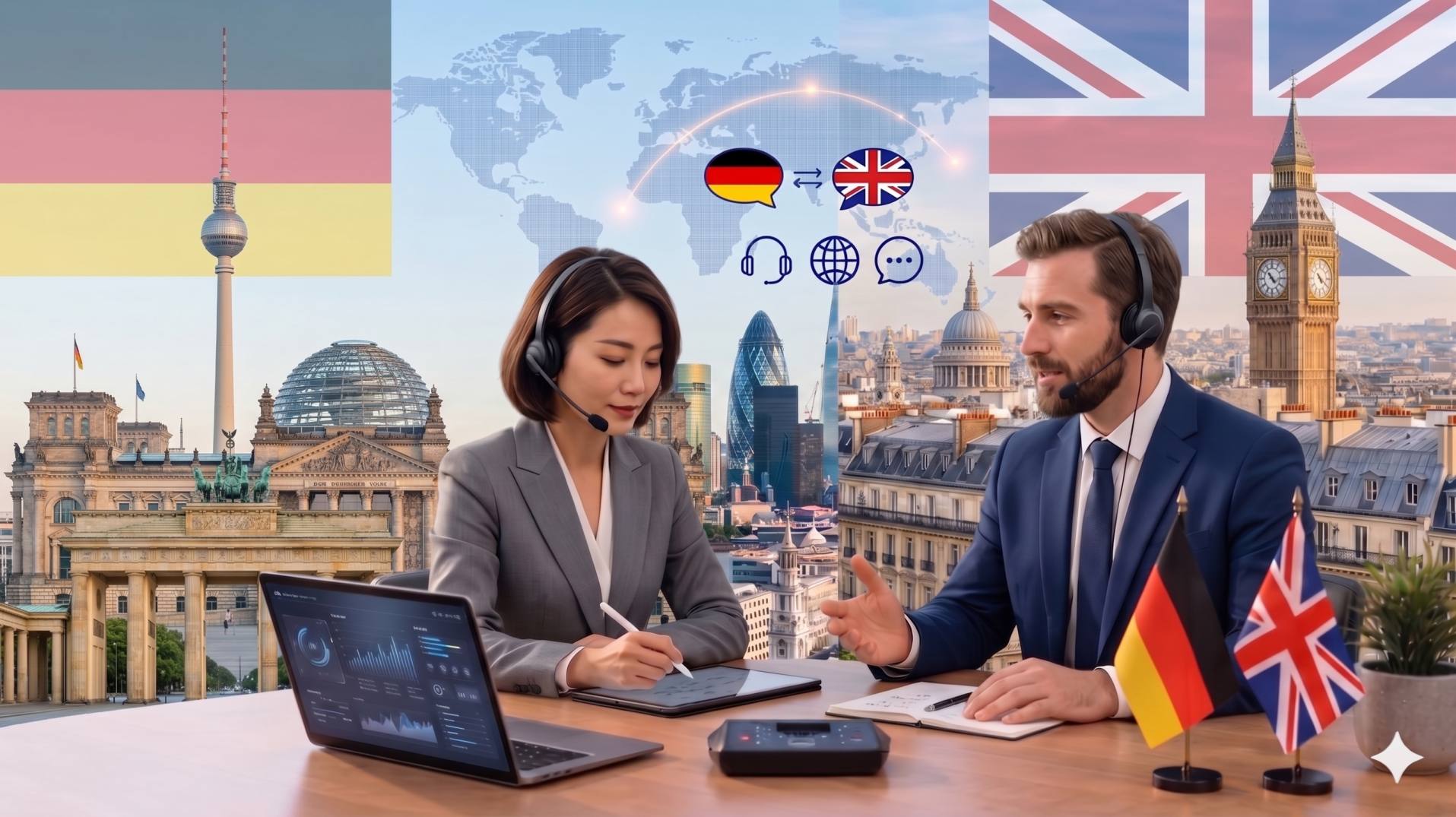
While often used interchangeably, translation and interpretation are distinct disciplines requiring different skill sets and methodologies. Translation involves the conversion of written text from one language to another, demanding meticulous attention to detail, accuracy, and the preservation of original meaning. This is crucial for documents such as legal contracts, medical reports, and official correspondence. An Arabic translator in Slough must possess not only linguistic proficiency but also a deep understanding of the subject matter and the legal or cultural context of the target audience. Conversely, interpretation deals with spoken language in real-time. This can range from facilitating a live conversation between two individuals to providing simultaneous interpretation during a conference or court hearing. The role of an Arabic interpreter in Slough is to bridge immediate communication gaps, ensuring that spoken words are conveyed accurately and fluently, capturing tone, intent, and cultural subtleties. Professional bodies like the Chartered Institute of Linguists (CIOL) and the National Register of Public Service Interpreters (NRPSI) set rigorous standards for both translators and interpreters, ensuring that practitioners are qualified, ethical, and competent to serve the public interest in the UK.
Legal Defence, Immigration, and Courtroom Interpretation
The UK’s justice system is built on the principle of fairness and accessibility for all. For individuals who do not speak English as a first language, access to justice is critically dependent on the availability of qualified interpreters. This is particularly relevant in cases involving Arabic speakers interacting with His Majesty’s Courts and Tribunals Service (HMCTS). Whether appearing before a judge in the Crown Court, the Magistrates’ Court, or tribunals such as the First-tier Immigration Tribunal, accurate interpretation is not merely a convenience but a fundamental right. The His Majesty’s Courts and Tribunals Service (HMCTS) mandates the provision of interpreters to ensure that all parties can understand proceedings and present their case effectively. Professional Arabic interpreters working within the UK legal system must adhere to strict codes of conduct, often requiring accreditation from bodies like the NRPSI or holding qualifications such as the Diploma in Public Service Interpreting (DPSI). This ensures impartiality, confidentiality, and a high level of linguistic accuracy. The Home Office, through UK Visas and Immigration (UKVI), also relies heavily on accurate interpretation during interviews and asylum claim processing. Immigration solicitors in Slough and across the UK frequently engage specialist Arabic interpreters to assist their clients, ensuring that complex immigration law and procedures are clearly understood. The integrity of legal outcomes hinges on the interpreter’s ability to convey precise legal terminology and nuances, safeguarding due process for all individuals involved.
Healthcare and NHS Patient Safety
Patient safety and equitable access to healthcare are cornerstones of the National Health Service (NHS). In a diverse community like Slough, ensuring that patients with limited English proficiency can fully understand their medical conditions, treatment options, and care plans is a critical responsibility. The NHS England Language Access guidelines stipulate the requirement for professional, qualified interpreters when a patient’s understanding of English is insufficient. For Arabic-speaking patients interacting with healthcare providers within the purview of the Ashford and St. Peter’s Hospitals NHS Foundation Trust or the Royal Berkshire NHS Foundation Trust, access to a skilled Arabic interpreter is vital. This ensures that diagnoses are communicated accurately, consent for procedures is fully informed, and patient-doctor relationships are built on trust and mutual understanding. Interpreters in healthcare settings must not only be linguistically competent but also possess a thorough understanding of medical terminology and the sensitive nature of health-related discussions. They must adhere to strict confidentiality requirements, in line with UK GDPR regulations, and uphold the professional standards set by bodies like the NRPSI. The Care Quality Commission (CQC) also emphasizes the importance of effective communication in ensuring high-quality patient care. Failure to provide adequate language support can lead to misdiagnosis, incorrect treatment, and adverse patient outcomes, underscoring the indispensable role of professional Arabic interpreters in maintaining patient safety and promoting health equity within the NHS.
Technical Interpretation Modalities
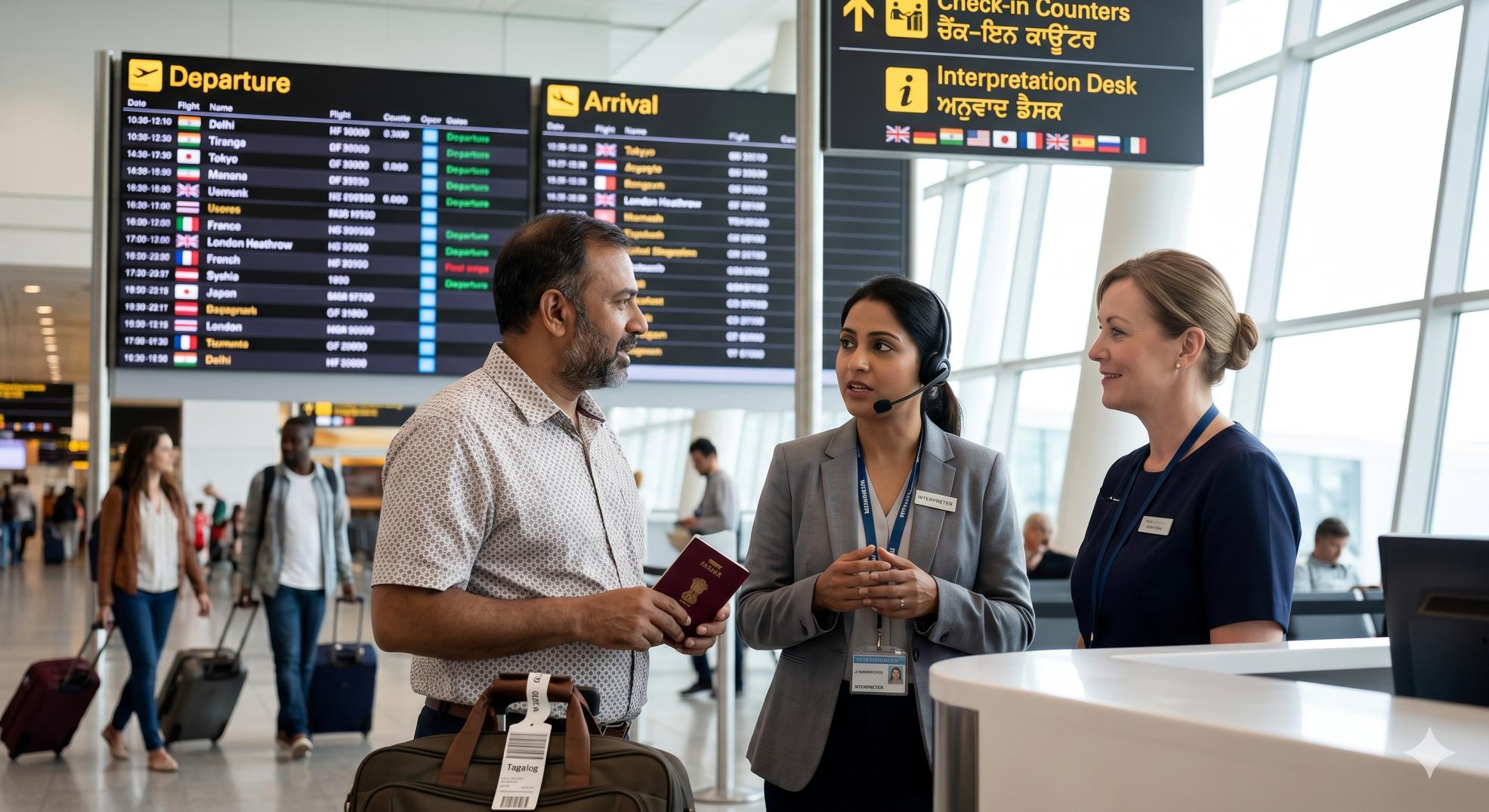
The effective delivery of interpretation services relies on selecting the appropriate modality to suit the specific context and requirements of the communication. For an Arabic interpreter in Slough, proficiency in various techniques is essential. Consecutive interpretation is commonly used in one-on-one settings, such as medical consultations or legal interviews, where the interpreter listens to a segment of speech, conveys it in the target language, and then allows the speaker to respond. Simultaneous interpretation, often employed in conferences, large meetings, or courtroom proceedings, involves the interpreter speaking almost concurrently with the original speaker, typically using specialized equipment. This requires intense concentration and rapid processing. Escort interpretation, also known as liaison interpretation, facilitates communication in more informal settings, such as business meetings, site visits, or social events, where the interpreter acts as a cultural bridge. In recent years, remote interpretation (also known as telephonic or video remote interpretation) has become increasingly prevalent, allowing interpreters to connect with clients via phone or video conferencing platforms. This modality offers flexibility and can be particularly useful for urgent or geographically dispersed communication needs. Regardless of the modality, professional interpreters must maintain accuracy, impartiality, and cultural sensitivity, adhering to the rigorous standards expected by UK professional bodies and their clients.
Economic and Social Fabric of Slough
Slough’s dynamic economic landscape and diverse social fabric necessitate robust communication infrastructure, including professional Arabic interpretation and translation services. The town’s strategic location and thriving business environment attract a wide array of enterprises, while its multicultural population enriches its community life. Ensuring seamless communication is vital for both economic prosperity and social cohesion.
Corporate and Industry
Slough is a significant economic powerhouse, home to numerous multinational corporations and a vibrant small and medium-sized enterprise (SME) sector. Businesses operating in sectors such as technology, finance, logistics, and media often engage with international partners and clients, including those from Arabic-speaking countries. For UK-based companies in Slough, having access to professional Arabic interpreters and translators is crucial for international trade, client relations, and internal communications. This facilitates contract negotiations, market expansion, and the effective management of a diverse workforce. Professional bodies like the International Association of Conference Interpreters (AIIC), while international, set benchmarks that UK professionals often align with, ensuring a global standard of quality for complex business interactions.
Tourism and Hospitality
While not a primary tourist destination in the traditional sense, Slough’s proximity to London and its role as a business hub attract international visitors. Arabic-speaking tourists and business travellers may require assistance with navigation, accommodation, and local services. Professional interpreters can facilitate smoother experiences, enhancing Slough’s reputation as a welcoming and accessible location for global visitors. This extends to the hospitality sector, where clear communication ensures customer satisfaction and operational efficiency.
Legal Infrastructure
Slough benefits from a well-established legal infrastructure, with numerous law firms serving local and national clients. These firms frequently encounter cases involving individuals who speak Arabic, requiring expert legal interpretation and translation. This includes work related to family law, commercial disputes, property transactions, and criminal defence. The effective functioning of legal services in Slough depends on the availability of accredited Arabic interpreters who understand the intricacies of UK law and court procedures, as managed by HMCTS.
NHS Healthcare
As previously highlighted, the NHS trusts serving Slough, such as Ashford and St. Peter’s Hospitals NHS Foundation Trust and Royal Berkshire NHS Foundation Trust, cater to a diverse population. Professional Arabic interpretation is indispensable for ensuring that all patients receive high-quality, safe, and understandable healthcare. This commitment to accessible healthcare aligns with the broader objectives of NHS England and the regulatory oversight of the Care Quality Commission (CQC).
Local Infrastructure and Transport
Slough’s strategic location within the Thames Valley, its excellent transport links, and its robust local infrastructure further enhance its appeal as a business and residential centre. The town is served by major road networks, including the M4 motorway, and benefits from efficient rail connections to London Paddington and other key destinations. This connectivity is vital for businesses and residents alike. For professional services, including interpretation and translation, this means that services can be delivered efficiently across the region. The availability of skilled Arabic interpreters in Slough ensures that communication barriers do not impede the effective use of these transport and infrastructure networks for businesses, public services, and individuals. The local council, Slough Borough Council, plays a key role in maintaining and developing this infrastructure, supporting the economic vitality that necessitates diverse language services.
Conclusion
In conclusion, the demand for a professional Arabic interpreter in Slough is driven by the town’s dynamic economic activity, its diverse population, and the UK’s commitment to accessible justice and healthcare. Ensuring that communication is clear, accurate, and culturally appropriate is not merely a matter of convenience but a fundamental requirement for legal compliance, patient safety, and successful business operations. Whether you require an Arabic interpreter in Slough for court proceedings, NHS consultations, Home Office interviews, or corporate meetings, engaging certified and experienced professionals is essential. We are dedicated to providing high-calibre Arabic interpretation and translation services that meet the rigorous standards of UK professional bodies and cater to the specific needs of our clients across Slough and beyond. Contact us today to discuss your language requirements and ensure seamless communication.