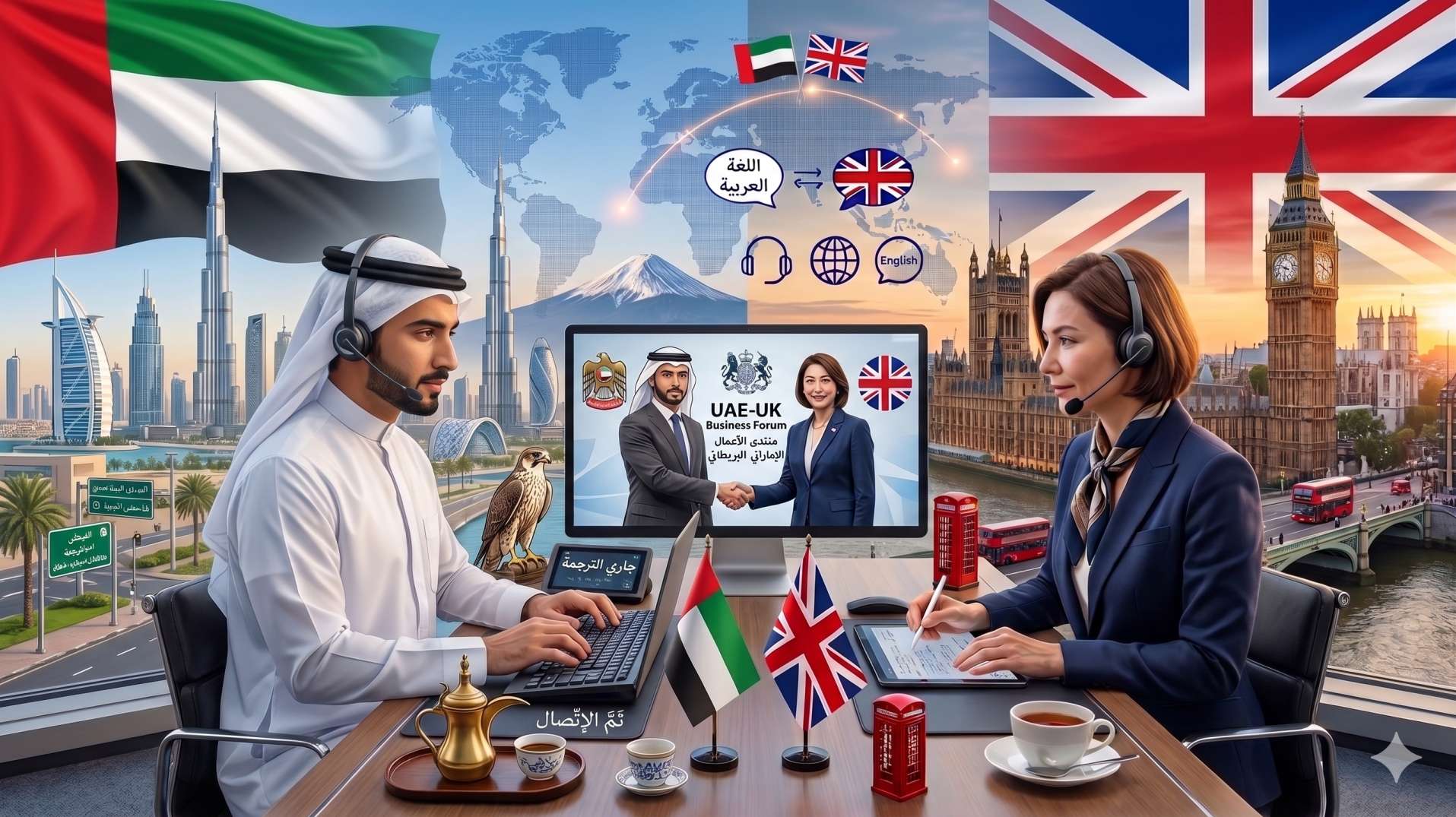
Securing a qualified Arabic interpreter in Stevenage is paramount for effective communication across diverse sectors within the UK’s professional landscape. Whether engaging with the National Health Service (NHS), navigating the complexities of His Majesty’s Courts and Tribunals Service (HMCTS), or facilitating business interactions, the need for precise and culturally nuanced interpretation is undeniable. Stevenage, a significant Hertfordshire town, is served by vital NHS trusts, including the East and North Hertfordshire NHS Trust and the West Hertfordshire Teaching Hospitals NHS Trust, both of which rely on professional language services to ensure equitable patient care for Arabic-speaking communities. This page explores the critical role of Arabic interpreters in Stevenage, highlighting their importance in legal, healthcare, and commercial environments, underpinned by UK professional standards and legal frameworks.
Translation vs Interpretation: Understanding the Nuances
While often used interchangeably, translation and interpretation are distinct disciplines, each requiring specialised skills and qualifications. Interpretation involves the live, oral conversion of spoken language from one tongue to another, demanding immediate comprehension, accurate rendering, and cultural sensitivity. This is crucial in real-time interactions such as courtroom proceedings, medical consultations, or business meetings. A professional Arabic translator in Stevenage, conversely, focuses on the written word, converting documents, contracts, or official paperwork from Arabic to English or vice versa. Both roles are vital, but the immediacy and high-stakes nature of interpretation, particularly in legal and medical contexts, necessitate a distinct set of competencies. Professional bodies like the National Register of Public Service Interpreters (NRPSI) and the Chartered Institute of Linguists (CIOL) set rigorous standards for interpreters working within the UK’s public services, ensuring a high level of accuracy, impartiality, and adherence to ethical codes. The distinction is vital for corporate buyers and public sector organisations seeking to procure language services that meet stringent UK legal and professional requirements.
Legal Defence, Immigration, and Courtroom Interpretation
The UK’s justice system is built on the principle of fairness and access to justice for all, regardless of language. For Arabic speakers involved in legal proceedings in or around Stevenage, the availability of qualified interpreters is not merely a convenience but a fundamental right. His Majesty’s Courts and Tribunals Service (HMCTS) mandates the provision of interpreters in cases where a party’s understanding of English is insufficient. This includes criminal trials, civil litigation, family law matters, and employment tribunals. An Arabic interpreter working within this sphere must possess a deep understanding of legal terminology, courtroom etiquette, and the specific legal frameworks governing England and Wales. Accreditation from bodies such as the NRPSI or holding a Diploma in Public Service Interpreting (DPSI), particularly in the legal or immigration specialism, is often a prerequisite for working in HMCTS-approved settings. This ensures interpreters are not only linguistically competent but also understand their ethical obligations, including impartiality and confidentiality, as defined by UK professional standards. The Home Office and UK Visas and Immigration (UKVI) also require certified interpreters for asylum claims, visa applications, and other immigration-related interviews, where accurate communication is critical for the integrity of the process and the rights of the applicant. Failure to provide adequate interpretation can lead to miscarriages of justice, appeals, and significant delays, underscoring the importance of engaging accredited professionals for any legal matter involving Arabic speakers.
Healthcare and NHS Patient Safety
Patient safety and equitable access to healthcare are cornerstones of the NHS. For Arabic-speaking patients in Stevenage, effective communication with healthcare professionals is essential for accurate diagnosis, treatment, and informed consent. The East and North Hertfordshire NHS Trust and the West Hertfordshire Teaching Hospitals NHS Trust, like all NHS bodies, are committed to adhering to the NHS England Language Access Guidance. This guidance emphasises the need for professional, qualified interpreters when a patient’s primary language is not English. Relying on family members or untrained staff can lead to misinterpretations, breaches of confidentiality, and potentially serious medical errors, violating the principles of patient safety and UK GDPR. Professional Arabic interpreters working within the NHS must understand medical terminology, the nuances of patient-doctor communication, and the ethical framework governing healthcare, including confidentiality and impartiality. The Care Quality Commission (CQC) also inspects healthcare providers on their ability to meet the diverse needs of their patient population, including language support. Engaging certified interpreters ensures that Arabic-speaking patients receive the same standard of care as English speakers, fostering trust and improving health outcomes within the Stevenage community and beyond. The use of professional interpreters is a key component of delivering person-centred care, respecting patient dignity and autonomy.
Technical Interpretation Modalities
The effectiveness of interpretation hinges on selecting the appropriate modality for the specific context. For Arabic interpretation services in Stevenage, several technical modes are employed, each suited to different scenarios:
- Simultaneous Interpretation: This is the most demanding form, where the interpreter conveys the message in the target language almost instantaneously as the speaker talks, typically using specialised equipment like booths and headsets. It is ideal for large conferences, international meetings, or parliamentary sessions where seamless flow of information is critical.
- Consecutive Interpretation: Here, the interpreter waits for the speaker to pause before rendering the message in the target language. This mode requires excellent memory and note-taking skills and is commonly used in smaller meetings, legal depositions, or one-on-one consultations where direct interaction is key.
- Escort Interpretation: Also known as liaison interpretation, this is a more informal mode used for facilitating communication between parties in social or business settings, such as factory tours, site visits, or business negotiations. The interpreter acts as a bridge, ensuring smooth conversation and cultural understanding.
- Remote Interpretation (ROH): With advancements in technology, remote simultaneous (ROH) and remote consecutive interpretation are increasingly common. This allows clients to access professional interpreters via telephone or video conferencing platforms, offering flexibility and cost-effectiveness, especially for urgent or less frequent language needs. This modality is governed by strict data protection protocols under UK GDPR to ensure confidentiality.
Choosing the correct modality, supported by qualified linguists adhering to standards set by bodies like the International Association of Conference Interpreters (AIIC) for conference settings, or NRPSI for public services, is crucial for achieving the desired communication outcomes.
Economic and Social Fabric of Stevenage
Stevenage, as a significant economic hub in Hertfordshire, possesses a diverse economic and social landscape where effective communication is a facilitator of growth and integration. The presence of a skilled Arabic interpreter is instrumental in supporting various facets of the town’s development.
Corporate and Industry
Stevenage hosts a range of industries, including technology, advanced manufacturing, and life sciences. International business dealings, collaborations, and the integration of a multicultural workforce necessitate professional Arabic interpretation and translation services. Companies operating in or trading with Arabic-speaking markets rely on interpreters for meetings, contract negotiations, and client relations. This ensures that business objectives are clearly understood, fostering stronger commercial ties and supporting Stevenage’s economic competitiveness on a global scale. Adherence to UK business law and professional standards is paramount in these interactions.
Tourism
While not a primary tourist destination, Stevenage attracts visitors for business, events, and transit. Providing language support, including Arabic interpretation, enhances the visitor experience for those from Arabic-speaking countries. This can range from assisting hotel staff and local businesses to providing information services, contributing to a more welcoming environment and potentially boosting local commerce.
Legal Infrastructure
Stevenage benefits from access to the UK’s robust legal system. The presence of local solicitors’ firms and proximity to courts means that Arabic-speaking individuals and businesses may require legal interpretation for consultations, property transactions, or disputes. Ensuring access to qualified interpreters accredited by bodies like NRPSI is vital for upholding the principles of justice and enabling participation in the legal process. The efficient functioning of His Majesty’s Courts and Tribunals Service (HMCTS) relies on this accessibility.
NHS Healthcare
As previously detailed, the healthcare sector in Stevenage, represented by trusts like East and North Hertfordshire NHS Trust and West Hertfordshire Teaching Hospitals NHS Trust, is a critical area where Arabic interpretation is indispensable. Ensuring that Arabic-speaking residents can fully access and understand healthcare services is a matter of public health and social equity, directly impacting the well-being of the community.
Local Infrastructure and Transport
Stevenage’s infrastructure plays a key role in its connectivity and accessibility. The town is well-served by road networks, including the A1(M), facilitating transport for businesses and residents. Public transport options, such as train services connecting to London and other major cities, further enhance its accessibility. For professional services, particularly those involving travel for interpretation assignments, understanding these transport links is practical. The availability of skilled Arabic interpreters in Stevenage means that businesses and public sector organisations can readily access language support for meetings, site visits, and client engagements across the region, leveraging the town’s strategic location and transport links. This local infrastructure supports the seamless deployment of interpretation services, whether for a corporate board meeting in a Stevenage business park or a legal consultation at a local firm.
Conclusion
In conclusion, the demand for professional Arabic interpreter in Stevenage is driven by the town’s diverse economic activities, its role within the UK’s legal and healthcare systems, and its commitment to inclusivity. Engaging certified and experienced Arabic interpreters is not merely a linguistic requirement but a strategic imperative for organisations seeking to ensure clarity, compliance, and effective communication. From the critical proceedings within His Majesty’s Courts and Tribunals Service (HMCTS) and the vital consultations within the NHS, to the nuanced negotiations of international business, the role of a qualified interpreter is indispensable. By prioritising accredited professionals who adhere to UK standards, businesses and public bodies in Stevenage can foster trust, enhance service delivery, and uphold the principles of equal access and understanding for all members of the community. For organisations requiring reliable and professional Arabic interpretation services in Stevenage, seeking interpreters with recognised qualifications and a proven track record in public service or specialised sectors is the most effective approach to achieving successful communication outcomes.