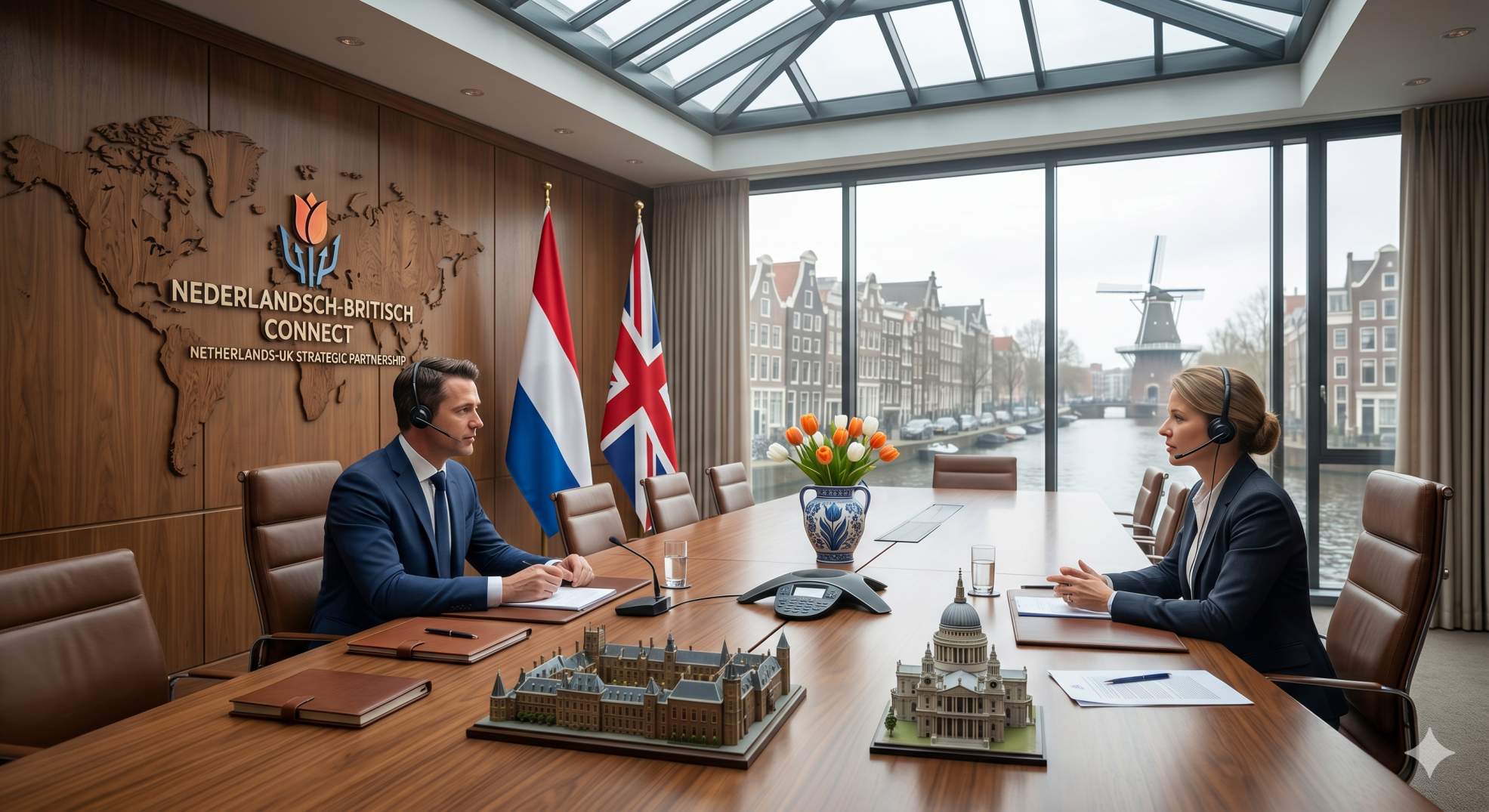
Securing a qualified Dutch interpreter in Basildon is paramount for effective communication across a multitude of critical sectors within the UK’s professional landscape. Whether engaging with His Majesty’s Courts and Tribunals Service (HMCTS), navigating complex immigration procedures with the Home Office, or ensuring patient safety within the National Health Service (NHS), the need for precise and culturally attuned linguistic support cannot be overstated. Basildon, a significant economic hub in Essex, benefits from a diverse population and a robust business environment, necessitating specialised language services to bridge communication gaps. For residents and businesses interacting with the NHS, services are primarily supported by trusts such as the North East London NHS Foundation Trust and the East Suffolk and North Essex NHS Foundation Trust, both of which serve the Basildon area and rely on professional interpretation to uphold their commitment to equitable patient care.
Translation vs Interpretation
While often used interchangeably in casual conversation, translation and interpretation are distinct linguistic disciplines, each requiring specialised skills and methodologies. Interpretation involves the real-time, oral conversion of spoken language from one tongue to another. This is a dynamic process that demands not only linguistic fluency but also cultural understanding, rapid cognitive processing, and the ability to convey nuances, tone, and intent accurately. A professional interpreter must be adept at listening, comprehending, and then reformulating the message instantaneously, often under pressure. Conversely, translation deals with the written word, converting text from a source language to a target language. This process allows for more deliberate reflection, research, and editing to ensure accuracy and fidelity to the original text. For legal documents, medical reports, or corporate literature, a skilled Dutch translator in Basildon is essential. However, for live interactions, such as court proceedings, medical appointments, or business negotiations, a certified Dutch interpreter is indispensable. The distinction is critical when engaging language professionals, as the skills required for each are not directly transferable. For instance, a highly proficient translator may not possess the immediate recall and public speaking skills necessary for simultaneous interpretation, and vice versa. Professional bodies like the Chartered Institute of Linguists (CIOL) and the National Register of Public Service Interpreters (NRPSI) set rigorous standards for both professions, ensuring that clients receive services from qualified and vetted individuals.
Legal Defence, Immigration, and Courtroom Interpretation
The UK’s legal system is built on principles of justice, fairness, and the right to a fair trial, all of which are underpinned by effective communication. For individuals who do not speak English as a first language, access to justice is severely compromised without professional interpretation. In Basildon, as across the UK, legal proceedings within His Majesty’s Courts and Tribunals Service (HMCTS) demand interpreters who are not only fluent in Dutch and English but also possess a deep understanding of legal terminology, courtroom etiquette, and the specific requirements of UK law. This is particularly crucial in criminal defence cases, civil litigation, family law matters, and immigration tribunals. The Home Office, through its UK Visas and Immigration (UKVI) department, frequently requires Dutch interpreters for interviews and hearings related to asylum claims, visa applications, and other immigration matters. The accuracy of interpretation in these contexts can have profound consequences, directly impacting an individual’s liberty, family life, and future in the UK. Professional interpreters working in this sector are often required to hold qualifications such as the Diploma in Public Service Interpreting (DPSI), particularly the Law module, or be registered with the NRPSI. This ensures they are competent to handle the sensitive and high-stakes nature of legal interpretation. The Royal Courts of Justice and various county courts across the country rely on a pool of accredited interpreters to facilitate proceedings, ensuring that all parties, including defendants, witnesses, and legal representatives, can fully understand and participate in the legal process. Adherence to the Public Sector Interpreters Code of Conduct is mandatory, guaranteeing impartiality, confidentiality, and professional integrity.
Healthcare and NHS Patient Safety
Patient safety and equitable access to healthcare are fundamental tenets of the NHS. For Dutch-speaking patients in Basildon, effective communication with healthcare professionals is not merely a matter of convenience but a critical component of safe and effective medical treatment. Misunderstandings arising from language barriers can lead to diagnostic errors, incorrect medication dosages, non-compliance with treatment plans, and ultimately, adverse health outcomes. The NHS is committed to providing language support to all patients who require it, in line with NHS England’s Language Access guidelines and the principles of the UK GDPR. Professional Dutch interpreters play a vital role in ensuring that patients can fully understand their diagnosis, treatment options, and medical advice, and that healthcare professionals can accurately gather patient histories and explain procedures. This is essential in all healthcare settings, from GP surgeries and community clinics to hospital wards and emergency departments. The Care Quality Commission (CQC), the independent regulator of health and social care in England, emphasises the importance of effective communication in ensuring high-quality care. Trusts serving Basildon, such as the North East London NHS Foundation Trust and the East Suffolk and North Essex NHS Foundation Trust, must ensure that Dutch-speaking patients receive appropriate interpretation services. This can involve face-to-face interpreters for complex consultations, telephone interpreting for routine queries, or even video remote interpreting (VRI) for specific situations. Interpreters in healthcare settings must adhere to strict codes of confidentiality and professional conduct, mirroring the standards expected in legal environments. Their role is to facilitate understanding, not to influence decisions, ensuring that the patient’s voice is heard and understood by the medical team, thereby upholding the principles of informed consent and patient autonomy.
Technical Interpretation Modalities
The effective delivery of interpretation services relies on selecting the appropriate modality to suit the specific context and requirements of the interaction. For a Dutch interpreter in Basildon, understanding these modalities is key to providing seamless communication. Simultaneous interpretation is perhaps the most demanding, requiring the interpreter to listen to the speaker, process the message, and render it into the target language with minimal delay, often speaking into a microphone while the original speaker continues. This is commonly used in international conferences, large meetings, and parliamentary sessions where time is of the essence. Consecutive interpretation involves the interpreter listening to a segment of speech, pausing, and then rendering the message in the target language. This is typical in smaller meetings, one-on-one discussions, and legal depositions where detailed accuracy is paramount and a slight delay is acceptable. Escort interpretation, also known as liaison interpretation, is more informal and facilitates communication between two or more parties who speak different languages during social events, tours, or business meetings. The interpreter acts as a cultural bridge, ensuring smooth dialogue and understanding. Finally, remote interpretation, including telephone interpreting (OPI) and video remote interpreting (VRI), has become increasingly prevalent, offering flexibility and cost-effectiveness. VRI, in particular, allows for visual cues and a more personal connection than OPI, making it suitable for a range of professional settings, including healthcare consultations and legal interviews, provided that adequate technology and privacy measures are in place. Each modality requires specific skills and equipment, and a professional interpreting agency or freelance interpreter will advise on the most suitable option for any given requirement.
Economic and Social Fabric of Basildon
Basildon’s dynamic economic landscape and evolving social structure necessitate robust linguistic support to foster integration and facilitate business growth. As a key town in Essex, its economic activities span various sectors, and its community is increasingly diverse, making the role of Dutch language professionals vital.
Corporate and Industry
Basildon hosts a significant number of businesses, particularly in sectors such as logistics, manufacturing, and retail. For Dutch companies looking to invest or trade within the UK, or for UK-based firms engaging with Dutch partners, clear communication is essential. This includes everything from contract negotiations and technical specifications to marketing materials and internal communications. A professional Dutch interpreter or translator ensures that business dealings are conducted smoothly, avoiding costly misunderstandings and fostering strong commercial relationships. The presence of Dutch professionals or businesses in Basildon also requires accessible services in their native language, supporting their integration into the local economy and workforce.
Tourism
While not a primary tourist destination compared to some other UK cities, Basildon and its surrounding areas attract visitors for various reasons, including business, events, and cultural attractions. For Dutch tourists or business visitors, having access to information and services in their language enhances their experience and facilitates their stay. Local businesses, hotels, and information centres can benefit from having Dutch language resources or access to interpreters to cater to this demographic, contributing to a more welcoming environment.
Legal Infrastructure
Basildon’s legal infrastructure, including local solicitors’ offices and access to HMCTS facilities, serves a diverse population. Dutch-speaking individuals involved in legal matters, whether civil, criminal, or immigration-related, require qualified interpreters to ensure their rights are protected and they can fully participate in proceedings. The availability of NRPSI-registered or DPSI-qualified Dutch interpreters is crucial for law firms and legal aid providers in the area to serve their clients effectively and comply with UK legal standards.
NHS Healthcare
As previously mentioned, the NHS trusts serving Basildon, such as the North East London NHS Foundation Trust and the East Suffolk and North Essex NHS Foundation Trust, are integral to the community’s well-being. Ensuring that Dutch-speaking patients can access healthcare services without language barriers is a priority. This involves providing interpreters for consultations, hospital stays, and emergency situations. The effective functioning of local GP practices and community health services also relies on accessible language support, reinforcing the commitment to universal healthcare access.
Local Infrastructure and Transport
Basildon’s strategic location within the South East of England provides excellent connectivity, with robust transport links facilitating both local and national travel. The town is served by a comprehensive road network, including proximity to major motorways like the A127 and A13, which connect it to London and the wider motorway system. This accessibility is vital for businesses requiring efficient logistics and for individuals needing to travel for work or personal reasons. Public transport is also well-developed, with a frequent train service connecting Basildon station to London Fenchurch Street, making it an attractive commuter town. Local bus services further enhance connectivity within Basildon and to surrounding areas. For professional interpreters and translators, this well-connected infrastructure means they can efficiently reach clients across Basildon and the wider Essex region, whether for in-person assignments at corporate offices, legal chambers, or NHS facilities. The ease of access supports the seamless delivery of interpretation and translation services, reinforcing Basildon’s role as a key economic centre.
Conclusion
For any organisation or individual requiring linguistic assistance in Basildon, engaging a professional Dutch interpreter in Basildon is not just a preference but a necessity for ensuring clarity, compliance, and successful outcomes. From the critical demands of the courtroom and immigration services under HMCTS and the Home Office, to the life-saving necessity of clear communication within the NHS, and the intricate requirements of international business, the need for expert Dutch language services is ever-present. We provide highly qualified and accredited interpreters and translators who understand the specific cultural and professional contexts of the UK. Contact us today to discuss your specific needs and ensure your communication is precise, confidential, and effective.