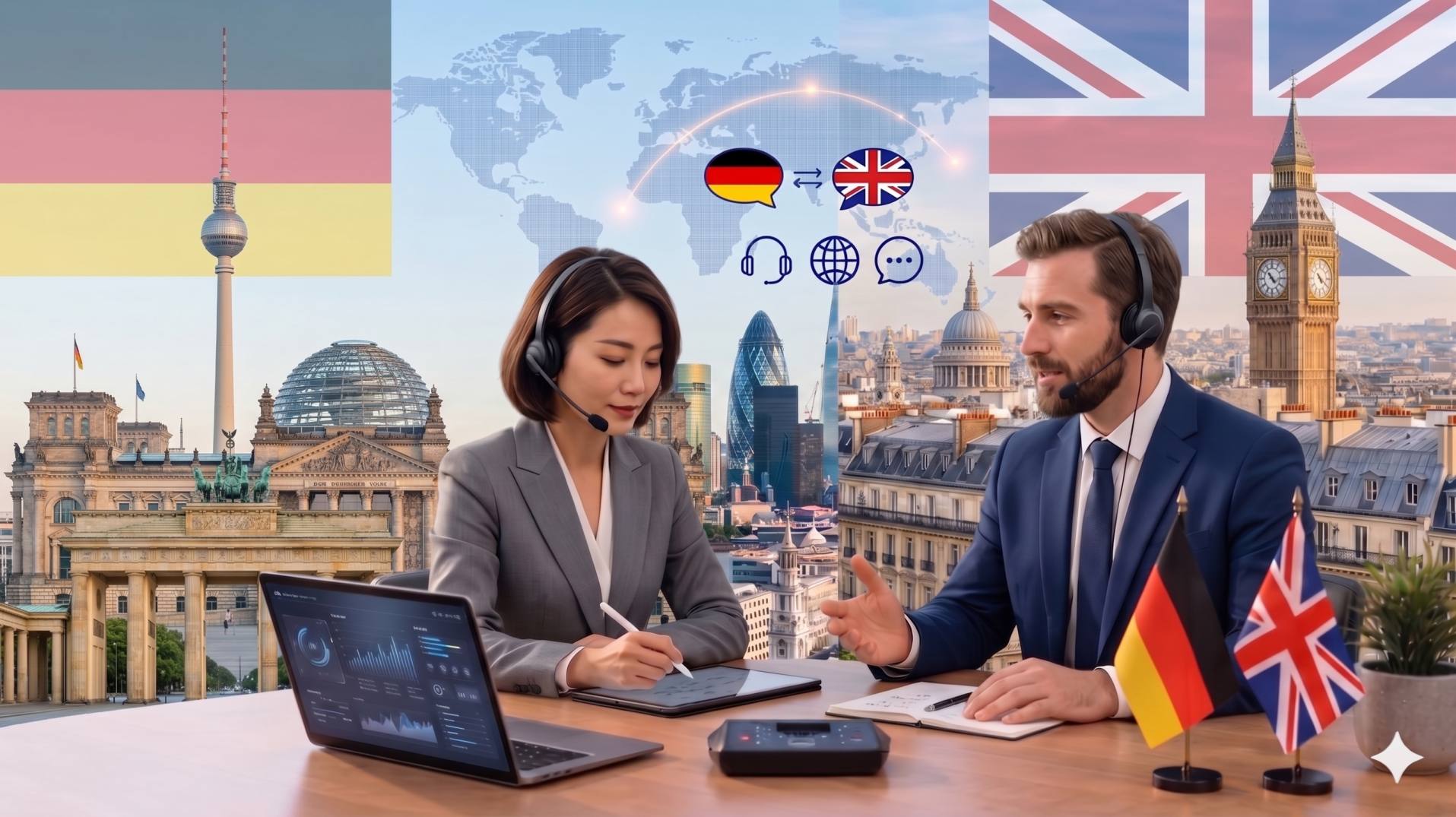

Securing a qualified Dutch interpreter in Belfast is paramount for effective communication across a multitude of critical sectors within the United Kingdom. Whether navigating the complexities of His Majesty’s Courts and Tribunals Service (HMCTS), ensuring patient safety within the National Health Service (NHS) — specifically with trusts such as the Belfast Health and Social Care Trust and the Southern Health and Social Care Trust — or facilitating international business dealings, the need for precise and culturally attuned linguistic support cannot be overstated. This service is essential for individuals and organisations operating in or engaging with the vibrant economic landscape of Belfast, ensuring that language barriers do not impede access to justice, healthcare, or commercial opportunities under UK law and professional standards.
Translation vs Interpretation: Understanding the Nuances
While often used interchangeably, translation and interpretation are distinct linguistic disciplines, each requiring specialised skills and training. Understanding this difference is crucial when seeking linguistic support, particularly for a Dutch interpreter in Belfast. Interpretation involves the real-time, spoken rendering of a message from one language to another. This demands not only fluency in both Dutch and English but also exceptional listening comprehension, memory retention, and the ability to convey meaning, tone, and nuance instantaneously. Interpreters work in live settings, such as courtrooms, medical consultations, or business meetings, where immediate understanding is critical. A professional Dutch interpreter in Belfast must adhere to strict ethical codes and professional standards, often regulated by bodies like the National Register of Public Service Interpreters (NRPSI), ensuring accuracy and impartiality. The secondary keyword, Dutch translator in Belfast, refers to the process of converting written text from one language to another. Translators work with documents, such as legal contracts, medical reports, or technical manuals, requiring meticulous attention to detail, subject matter expertise, and an understanding of stylistic conventions in both source and target languages. For legal and medical contexts, certified translations are often required, attesting to the accuracy and completeness of the written document, adhering to UK legal and professional requirements.
Legal Defence, Immigration, and Courtroom Interpretation
The administration of justice in the UK relies heavily on clear and accurate communication, making the role of a qualified Dutch interpreter indispensable within the legal system. For individuals facing legal proceedings in Belfast, whether civil or criminal, access to justice is a fundamental right. This is particularly true for those who do not speak English as a mother tongue. His Majesty’s Courts and Tribunals Service (HMCTS) mandates the provision of interpreters to ensure fair trials and equitable access to legal processes. A professional Dutch interpreter engaged for HMCTS proceedings must possess the highest level of linguistic proficiency and a thorough understanding of legal terminology and procedures as defined by UK law. Accreditation from recognised bodies, such as the NRPSI or holding a Diploma in Public Service Interpreting (DPSI), is often a prerequisite for court work. These qualifications ensure interpreters are competent in handling sensitive legal discussions, including those related to criminal defence, family law, and civil litigation heard in courts across Northern Ireland, such as the Royal Courts of Justice in Belfast. Furthermore, in immigration matters, the UK Visas and Immigration (UKVI) service and the First-tier Immigration Tribunal require accurate interpretation for asylum claims, visa applications, and appeals. A Dutch interpreter in Belfast plays a vital role in ensuring that all parties, including applicants and legal representatives, fully understand the proceedings and can present their cases effectively. The accuracy of interpretation in these contexts directly impacts individuals’ rights and futures within the UK, underscoring the critical need for accredited professionals who understand the nuances of UK immigration law and the specific requirements of the Home Office.
Healthcare and NHS Patient Safety
Patient safety and effective care within the National Health Service (NHS) are significantly enhanced by professional language services. For Dutch-speaking patients in Belfast, accessing healthcare services without a language barrier is a matter of fundamental right and clinical necessity. The NHS is committed to providing equitable care to all individuals, regardless of their linguistic background, as outlined in NHS England’s Language Access guidelines. This commitment is vital for ensuring that patients can fully understand diagnoses, treatment options, consent forms, and post-operative instructions. A qualified Dutch interpreter working within NHS trusts, such as the Belfast Health and Social Care Trust or the Southern Health and Social Care Trust, must not only be linguistically proficient but also possess a deep understanding of medical terminology and the sensitive nature of healthcare interactions. Adherence to the UK General Data Protection Regulation (UK GDPR) is paramount, ensuring patient confidentiality is maintained at all times. The Care Quality Commission (CQC), the independent regulator of health and social care services in England, also emphasises the importance of effective communication in ensuring high standards of care. While the CQC primarily regulates services in England, its principles and emphasis on patient safety and communication resonate across the UK. Professional interpreters facilitate crucial conversations between Dutch-speaking patients and healthcare professionals, contributing directly to accurate diagnoses, informed consent, and improved patient outcomes. This is essential for all aspects of healthcare, from routine GP appointments to complex surgical procedures and mental health consultations, ensuring that every patient receives the best possible care under the NHS framework.
Technical Interpretation Modalities
The effective delivery of interpretation services, especially for a Dutch interpreter in Belfast, encompasses various modalities, each suited to different communication scenarios. Consecutive interpretation is commonly used in one-on-one settings, such as medical appointments or legal interviews, where the interpreter speaks after the primary speaker has finished their segment. This allows for a more deliberate and detailed exchange. Simultaneous interpretation is employed in more dynamic environments, like conferences, large meetings, or court proceedings, where the interpreter conveys the message in real-time, often using specialised equipment like booths and headsets. This requires intense concentration and rapid processing. Escort interpretation, also known as liaison interpretation, facilitates communication in social or business settings, such as factory tours, site visits, or informal business meetings, where the interpreter acts as a cultural and linguistic bridge between parties. Finally, remote interpretation, including telephone interpreting (OPI) and video remote interpreting (VRI), has become increasingly prevalent, offering flexibility and accessibility. This modality allows clients to connect with a Dutch interpreter in Belfast or elsewhere in the UK via phone or video conferencing platforms, proving invaluable for urgent situations or when in-person services are not feasible. Each modality demands specific skill sets and often requires different technological setups, underscoring the need for experienced interpreters who can adapt to the demands of the situation while maintaining the accuracy and professionalism expected in UK professional services.
Economic and Social Fabric of Belfast
Belfast, a city with a rich history and a dynamic present, boasts a diverse economic landscape and a vibrant social tapestry. The presence of professional Dutch interpretation services is integral to the city’s continued growth and its integration into the global economy. The need for linguistic support extends across various sectors, reflecting the city’s evolving commercial and cultural interactions.
Corporate and Industry Engagement
Northern Ireland, and Belfast in particular, has seen significant growth in sectors such as technology, advanced manufacturing, and professional services. Many international companies have established a presence, fostering a need for seamless communication in business negotiations, client relations, and internal operations. Dutch companies looking to invest or collaborate in Belfast, or local businesses engaging with Dutch partners, require expert Dutch interpreters to ensure that all contractual agreements, technical specifications, and strategic discussions are accurately understood. This facilitates smoother business transactions and strengthens economic ties, aligning with the UK’s broader trade objectives. Professional bodies like the Chartered Institute of Linguists (CIOL) set high standards for professional linguists operating in the UK corporate environment.
Tourism and Cultural Exchange
Belfast is a growing tourist destination, attracting visitors from across the globe. While English is widely spoken, providing Dutch language support can enhance the visitor experience for Dutch tourists. This can range from translated tourist information and signage to interpretation services for guided tours or cultural events. Such initiatives not only benefit the tourists but also contribute to the local economy by encouraging greater engagement with the city’s attractions and hospitality sector. Promoting cultural exchange through accessible language services fosters a more inclusive and welcoming environment for international visitors.
Legal Infrastructure and Access to Justice
As previously detailed, Belfast’s legal infrastructure, encompassing HMCTS courts, legal aid services, and a network of law firms, requires robust interpretation services. Dutch individuals involved in legal matters, whether as defendants, witnesses, or parties in civil disputes, must have access to qualified interpreters. This ensures compliance with UK legal standards and upholds the principle of fair access to justice for all residents and visitors. The availability of accredited Dutch interpreters is a vital component of Belfast’s legal support system, serving both local residents and those interacting with the UK legal framework from abroad.
NHS Healthcare Services
The healthcare sector in Belfast, primarily served by the Belfast Health and Social Care Trust, is committed to providing patient-centred care. For Dutch-speaking patients, accessing timely and accurate medical information is crucial for their well-being. Professional interpretation services ensure that patients can communicate effectively with doctors, nurses, and other healthcare professionals, leading to better health outcomes and adherence to treatment plans. This commitment to linguistic accessibility is a cornerstone of high-quality healthcare delivery within the NHS framework, adhering to UK GDPR and patient rights.
Local Infrastructure and Transport
Belfast’s infrastructure, including its transport network, plays a crucial role in facilitating access to services for all its residents and visitors. The city is served by a comprehensive public transport system, including bus and rail services managed by Translink. For individuals requiring interpretation services, accessibility extends to navigating these transport hubs and understanding travel information. Furthermore, key institutions, including government offices, hospitals, and legal centres, are often located centrally or are well-connected by public transport, making them accessible to those who may require the assistance of a Dutch interpreter in Belfast. The availability of interpretation services at key points of contact, such as airports or major train stations, can significantly ease the transition for Dutch nationals arriving in the city for business, legal, or personal reasons. Ensuring that information regarding transport services, such as schedules, ticketing, and disruption alerts, is available in multiple languages or can be readily interpreted, contributes to a more inclusive and functional urban environment. This focus on accessible infrastructure, coupled with professional language support, ensures that Belfast remains a welcoming and functional city for its diverse population and international visitors, aligning with the UK’s commitment to accessibility and inclusion.
Conclusion
In conclusion, the need for a professional Dutch interpreter in Belfast is multifaceted, spanning critical areas of legal proceedings, healthcare, and business. Ensuring access to qualified, accredited interpreters is not merely a matter of convenience but a fundamental requirement for upholding justice, ensuring patient safety under the NHS, and fostering robust economic relationships within the UK. Organisations and individuals requiring linguistic services should prioritise working with interpreters who meet the stringent professional standards set by UK bodies like the NRPSI and adhere to UK legal and data protection regulations. By engaging expert Dutch interpretation services, you guarantee clear, accurate, and culturally sensitive communication, essential for success and compliance in Belfast’s dynamic environment.