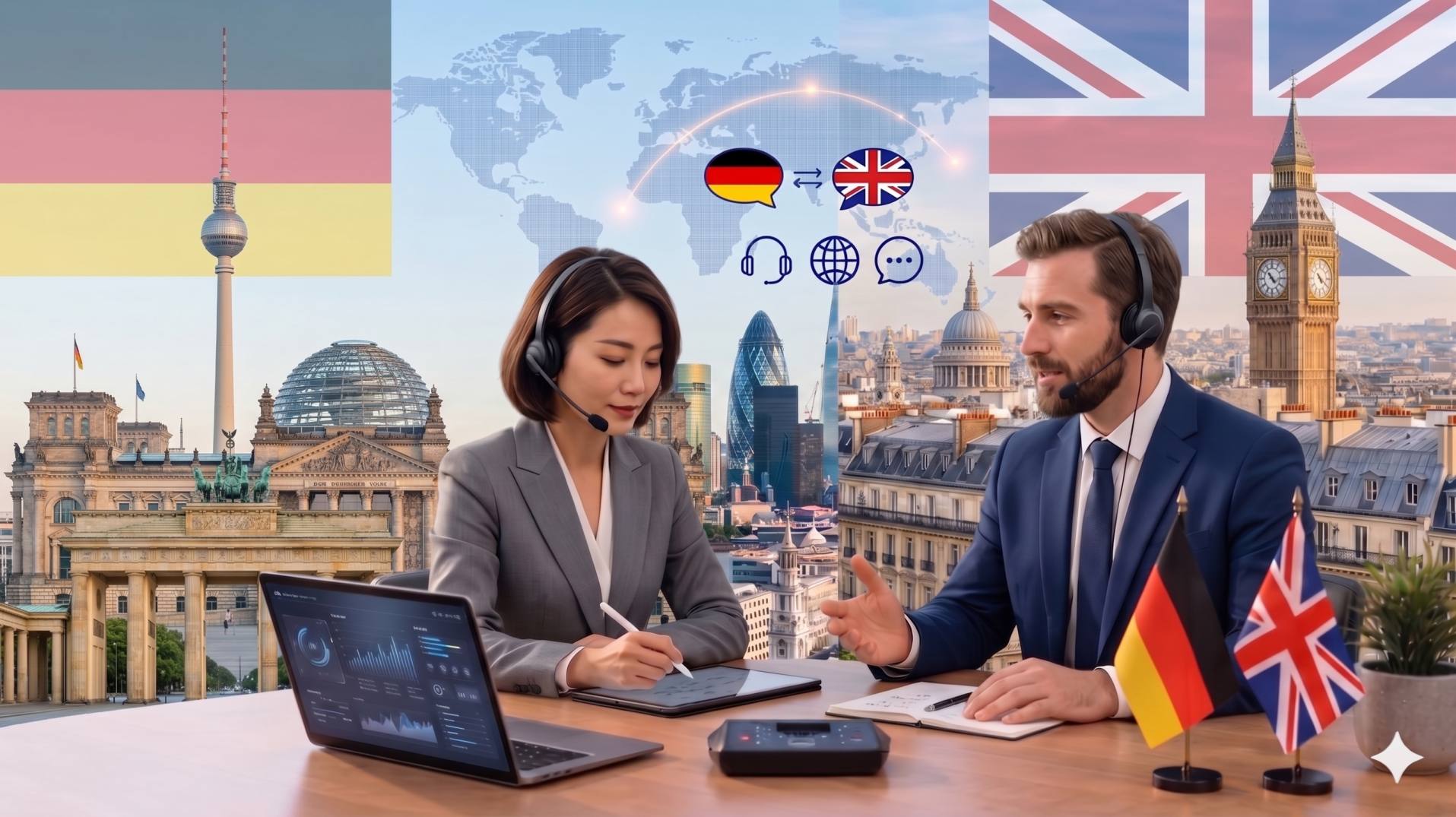
Securing a qualified Dutch interpreter in Cambridge is paramount for effective communication across a multitude of professional sectors within the UK. Whether navigating the complexities of legal proceedings, ensuring patient safety within the National Health Service (NHS), or facilitating international business dealings, the need for precise and culturally nuanced interpretation cannot be overstated. Cambridge, a city renowned for its academic excellence and burgeoning tech scene, attracts a diverse international population, making reliable language services essential. For healthcare needs, residents and visitors can rely on services provided by NHS trusts such as Cambridge University Hospitals NHS Foundation Trust and Cambridgeshire Community Services NHS Trust, where clear communication is a cornerstone of patient care, supported by NHS England’s Language Access guidelines.
Translation vs Interpretation: Understanding the Nuances
While often used interchangeably, translation and interpretation are distinct disciplines requiring different skill sets and methodologies. Interpretation involves the live, spoken rendering of one language into another, demanding immediate comprehension, recall, and accurate delivery. This is crucial in dynamic environments like courtrooms, medical consultations, or business meetings. A professional Dutch translator in Cambridge, conversely, works with written texts, ensuring accuracy and fidelity in documents, contracts, or reports. Both roles are vital for bridging language barriers, but the immediacy and real-time nature of interpretation, especially for a Dutch interpreter in Cambridge, present unique challenges and require specific training and accreditation. Professional bodies such as the Chartered Institute of Linguists (CIOL) and the National Register of Public Service Interpreters (NRPSI) set the standards for these professions in the UK, ensuring quality and ethical practice.
Legal Defence, Immigration, and Courtroom Interpretation
The UK’s legal system is built on principles of justice and accessibility, which inherently require effective communication for all parties involved, regardless of their linguistic background. For Dutch speakers interacting with the UK legal framework, a certified Dutch interpreter in Cambridge is indispensable. This is particularly critical in proceedings before His Majesty’s Courts and Tribunals Service (HMCTS), where misunderstandings can have profound consequences. Whether in criminal trials, civil disputes, family law matters, or administrative hearings, the interpreter ensures that evidence is understood, testimony is accurately conveyed, and legal rights are upheld. The Home Office and the UK Visas and Immigration (UKVI) department also rely heavily on accurate interpretation for applications, interviews, and asylum claims. Professional interpreters registered with bodies like the NRPSI or holding qualifications such as the Diploma in Public Service Interpreting (DPSI) are essential for maintaining the integrity of these processes. The First-tier Tribunal, including its immigration and asylum chambers, frequently requires skilled interpreters to ensure fair hearings. The Royal Courts of Justice in London also hosts numerous high-profile cases where linguistic support is vital.
Healthcare and NHS Patient Safety
Patient safety and equitable access to healthcare are fundamental tenets of the NHS. For Dutch-speaking patients in Cambridge and the surrounding areas, accessing medical advice, diagnoses, and treatment plans requires clear and accurate communication. The Care Quality Commission (CQC) mandates that healthcare providers ensure effective communication for all patients, and NHS England provides specific guidelines on Language Access. A professional Dutch interpreter in Cambridge plays a critical role in facilitating consultations between patients and clinicians, ensuring that medical histories are accurately recorded, symptoms are clearly understood, and treatment instructions are followed precisely. This is vital for informed consent, effective treatment, and preventing medical errors. The NHS England integrated care systems, such as the Cambridgeshire and Peterborough Integrated Care Board, are committed to providing accessible services. Adherence to UK GDPR principles also means that patient confidentiality must be maintained by interpreters, who are bound by strict professional codes of conduct. This ensures that sensitive health information is handled securely and ethically, fostering trust between patients and the healthcare providers within trusts like Cambridge University Hospitals NHS Foundation Trust.
Technical Interpretation Modalities
The effectiveness of interpretation hinges on selecting the appropriate modality for the specific context. For a Dutch interpreter in Cambridge, understanding these modalities is key to providing optimal service:
- Simultaneous Interpretation: This is often used in conferences, large meetings, or parliamentary settings where the interpreter speaks almost concurrently with the original speaker, typically using specialised equipment like booths and headsets. It demands intense concentration and rapid processing.
- Consecutive Interpretation: Here, the interpreter listens to a segment of speech, then renders it into the target language once the speaker pauses. This is common in smaller meetings, legal depositions, or medical consultations where direct interaction is key.
- Escort Interpretation (Liaison Interpretation): This involves facilitating communication in informal settings, such as business negotiations, site visits, or social events. The interpreter acts as a bridge between two or more parties, often moving with them throughout the engagement.
- Remote Interpretation (Video/Telephone): With advancements in technology, remote interpretation has become increasingly prevalent. This allows interpreters to connect with clients via video conferencing or telephone, offering flexibility and cost-effectiveness, particularly for less complex or urgent needs. Professional bodies like the International Association of Conference Interpreters (AIIC) provide guidance on best practices across these modalities.
Economic and Social Fabric of Cambridge
Cambridge’s unique position as a global centre for research, innovation, and education significantly influences its demand for professional language services. The city’s dynamic economy and vibrant community necessitate robust communication channels for both its established institutions and its growing international presence.
Corporate and Industry Engagement
Cambridge is a powerhouse of scientific research and technological innovation, with numerous multinational corporations, start-ups, and research institutions. Companies operating in sectors such as biotechnology, pharmaceuticals, software development, and advanced manufacturing often engage with Dutch partners or employ Dutch professionals. Accurate interpretation and translation are vital for securing international investment, fostering collaborations, negotiating contracts, and ensuring smooth operational integration. The Cambridge City Council supports economic development initiatives that often involve international engagement, underscoring the need for linguistic support.
Tourism and Cultural Exchange
As a world-renowned tourist destination, Cambridge attracts visitors from across the globe, including a significant number from the Netherlands. Hotels, museums, tour operators, and cultural institutions benefit from having access to Dutch-speaking staff or interpretation services to enhance the visitor experience. Facilitating cultural exchange and ensuring that international visitors feel welcomed and understood contributes to the city’s reputation and economic vitality.
Legal Infrastructure and Services
The presence of numerous law firms specialising in intellectual property, corporate law, and international business means that Cambridge has a sophisticated legal infrastructure. These firms frequently require Dutch interpreters and translators for client consultations, due diligence, and cross-border transactions. The accessibility of certified interpreters ensures that Dutch businesses and individuals can confidently engage with the UK legal system, supported by institutions like HMCTS.
NHS Healthcare Provision
Beyond the renowned teaching hospital, Cambridge boasts a comprehensive network of NHS services, including community health centres and specialist clinics. The diverse population served by trusts such as Cambridgeshire Community Services NHS Trust means that language support is a constant requirement. Ensuring that Dutch-speaking patients can fully participate in their healthcare decisions is a priority, aligning with the CQC’s focus on patient well-being and the NHS Integrated Care System objectives for equitable access.
Local Infrastructure and Transport
Cambridge is well-connected, facilitating the movement of people and goods, which is crucial for professional services. The city benefits from excellent road links, including proximity to the M11 motorway, connecting it to London and Stansted Airport. Rail services provide rapid access to London Liverpool Street and King’s Cross stations, as well as other major UK cities. For international travel, London Stansted Airport (STN) and London Luton Airport (LTN) are within easy reach, offering direct flights to many European destinations, including the Netherlands. The local public transport network, including buses and cycle paths, ensures accessibility within the city itself. This robust infrastructure supports the logistical needs of interpreters and clients alike, ensuring timely arrival for crucial appointments, whether at the Department for Transport offices, legal chambers, or healthcare facilities.
In conclusion, the demand for a skilled and certified Dutch interpreter in Cambridge is driven by the city’s multifaceted economic landscape, its world-class academic and research institutions, and its commitment to accessible public services, particularly within the legal and healthcare sectors. Ensuring that communication barriers are effectively overcome is not merely a matter of convenience but a fundamental requirement for justice, safety, and successful collaboration in the UK context. Engaging professional interpreters who adhere to the stringent standards set by UK bodies like the NRPSI and CIOL guarantees accuracy, confidentiality, and cultural competence, underpinning the integrity of all interactions.
Additional Local Resources
- Cambridge City Council
- Cambridgeshire County Council
- Cambridge University Hospitals NHS Foundation Trust
- Cambridgeshire Community Services NHS Trust
- Cambridgeshire and Peterborough Integrated Care Board
- His Majesty’s Courts and Tribunals Service (HMCTS)
- National Register of Public Service Interpreters (NRPSI)
- Home Office