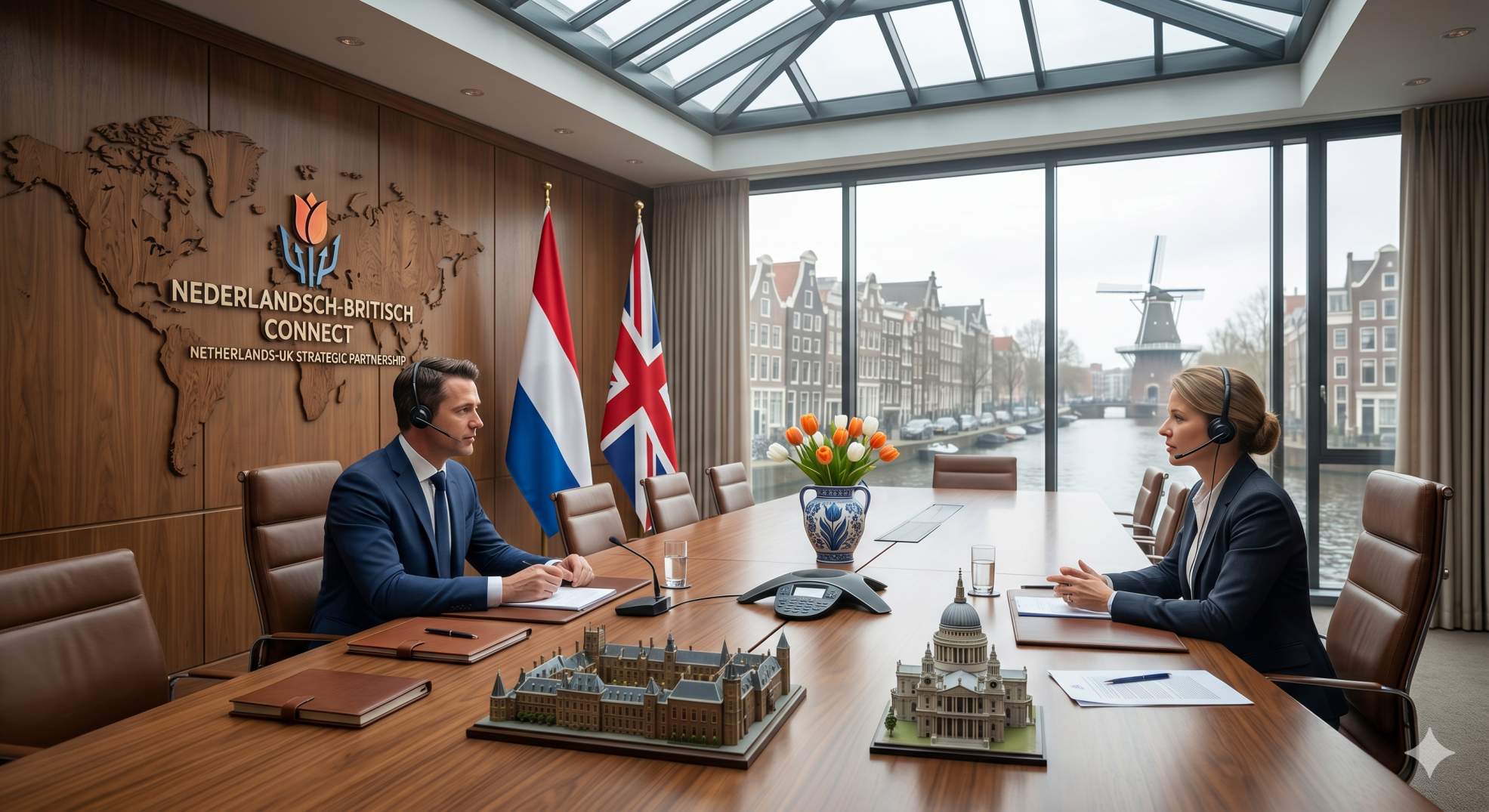
Securing a qualified Dutch interpreter in Harwich is paramount for effective communication across critical sectors within the UK’s professional landscape. Whether navigating the complexities of His Majesty’s Courts and Tribunals Service (HMCTS), ensuring patient safety within the National Health Service (NHS), or facilitating international business dealings, the need for precise and culturally attuned linguistic support cannot be overstated. Harwich, with its unique historical significance and evolving economic profile, requires specialised services that bridge language divides with accuracy and professionalism. This is particularly true for Dutch speakers interacting with UK institutions, where adherence to stringent legal and medical standards is essential. For residents and businesses in Harwich, access to reliable Dutch interpretation is facilitated by a network of accredited professionals who understand the nuances of both languages and the specific regulatory environments of the United Kingdom. The local NHS trusts serving Harwich, such as the East Suffolk and North Essex NHS Foundation Trust and the East Suffolk and Ipswich Hospital Trust, rely on professional interpreters to ensure equitable access to healthcare for all patients, irrespective of their linguistic background, in line with NHS England’s Language Access guidelines.
Translation vs Interpretation
Understanding the distinction between translation and interpretation is the first step in procuring the correct linguistic service. While both involve conveying meaning from one language to another, they are fundamentally different disciplines requiring distinct skill sets and methodologies. Interpretation is the live, spoken rendering of a message from one language into another. This requires immediate cognitive processing, cultural understanding, and the ability to think on one’s feet, often under pressure. A professional Dutch interpreter in Harwich must possess not only fluency in both Dutch and English but also a deep comprehension of the context in which they are working, whether it be a legal proceeding, a medical consultation, or a business negotiation. This is crucial for maintaining the integrity of the communication and avoiding misunderstandings that could have significant consequences. The secondary keyword, Dutch translator in Harwich, refers to the written word. Translators work with documents, converting written text from one language to another. This process allows for more time for research, editing, and proofreading to ensure accuracy. The skills involved are different; while fluency is essential, translators also need strong writing skills in the target language and expertise in specific subject matter to ensure technical accuracy. For legal documents, medical records, or corporate reports, a qualified Dutch translator ensures that the written information is precisely and faithfully reproduced, adhering to UK legal and professional standards.
Legal Defence, Immigration, and Courtroom Interpretation
The UK legal system, governed by principles of natural justice and due process, mandates that all individuals have the right to understand proceedings and to be understood. For Dutch speakers involved in legal matters, this necessitates the presence of a qualified Dutch interpreter. His Majesty’s Courts and Tribunals Service (HMCTS) requires interpreters to meet rigorous standards, often necessitating accreditation by bodies such as the National Register of Public Service Interpreters (NRPSI) or holding a Diploma in Public Service Interpreting (DPSI). These qualifications ensure that interpreters possess the necessary linguistic proficiency, ethical understanding, and subject matter knowledge to operate within the demanding environment of UK courts and tribunals. Whether it is a criminal trial at the Crown Court, a civil dispute in the County Court, or an immigration hearing before the First-tier Immigration Tribunal, the interpreter’s role is to provide a verbatim rendition of everything said, maintaining impartiality and confidentiality. This is critical for ensuring fair trials and upholding the rule of law. The Home Office and UK Visas and Immigration (UKVI) also rely heavily on professional interpreters for interviews and asylum claims, where accurate communication is vital for the fair assessment of cases. Engaging a Dutch interpreter in Harwich who is registered with NRPSI or holds a DPSI qualification provides assurance of their competence and adherence to the strict code of conduct governing public service interpreters in the UK. This commitment to professional standards underpins the integrity of the justice system.
Healthcare and NHS Patient Safety
Patient safety and equitable access to healthcare are cornerstones of the NHS. For Dutch-speaking patients in Harwich, effective communication with healthcare professionals is not merely a matter of convenience but a fundamental aspect of receiving safe and effective care. The NHS England Language Access guidelines mandate that NHS trusts provide appropriate language support to ensure that patients understand their diagnosis, treatment options, and care plans. This is particularly crucial in complex medical situations where miscommunication can lead to serious adverse outcomes. Professional Dutch interpreters play a vital role in facilitating these consultations, ensuring that patients can articulate their symptoms, ask questions, and provide informed consent. The Care Quality Commission (CQC) inspects healthcare providers to ensure they meet fundamental standards of quality and safety, including the provision of effective communication services. Therefore, NHS trusts serving Harwich, such as the East Suffolk and North Essex NHS Foundation Trust, are obligated to engage interpreters who meet professional standards. Adherence to UK GDPR is also paramount, ensuring that patient confidentiality is maintained throughout the interpretation process. A qualified Dutch interpreter understands the sensitive nature of medical information and operates under strict ethical guidelines, similar to those of the NRPSI, to protect patient privacy. This ensures that Dutch-speaking patients receive the same high standard of care as their English-speaking counterparts, fostering trust and improving health outcomes.
Technical Interpretation Modalities
The nature of the communication often dictates the most appropriate interpretation modality. For a Dutch interpreter in Harwich, proficiency in various techniques ensures flexibility and effectiveness across different settings. Consecutive interpretation is commonly used in one-to-one meetings, medical appointments, or smaller legal discussions. Here, the interpreter speaks after the source speaker has finished their utterance, allowing for a brief pause and a more deliberate rendition. Simultaneous interpretation is employed in more formal settings such as conferences, large meetings, or court proceedings where time is critical. The interpreter speaks almost concurrently with the source speaker, often using specialised equipment like booths and headsets. This requires intense concentration and rapid processing. Escort interpretation, also known as liaison interpretation, facilitates communication in social or informal settings, such as accompanying business delegations, site visits, or during international events. The interpreter acts as a cultural bridge, facilitating smooth interaction. Increasingly, remote interpretation services are becoming prevalent, utilising telephone or video conferencing platforms. This modality offers flexibility and cost-effectiveness, especially for less critical or urgent communications, but requires robust technology and a secure connection to maintain confidentiality and clarity. Each modality demands specific skills and preparation, and a professional interpreter will advise on the most suitable approach based on the client’s needs and the specific context.
Economic and Social Fabric of Harwich
Harwich, a historic port town in Essex, possesses a unique economic and social fabric that benefits from and contributes to the wider UK economy. Understanding this local context is crucial for providing tailored professional services, including Dutch interpretation. The town’s maritime heritage continues to influence its present-day economy, while new industries and opportunities emerge, creating a dynamic environment for businesses and residents alike.
Corporate and Industry
While Harwich may not be a major industrial hub, its proximity to larger economic centres and its port facilities mean it engages with international trade and logistics. Businesses operating in or connected to Harwich may require Dutch language services for import/export documentation, supply chain management, or negotiations with Dutch partners. The UK’s strong trade links with the Netherlands mean that Dutch language proficiency is a valuable asset for companies involved in international commerce. Professional interpreters and translators are essential for ensuring that contracts are clear, communications are effective, and business relationships are built on a foundation of mutual understanding. This supports the broader UK economic objective of fostering international trade and investment.
Tourism
Harwich’s rich maritime history, picturesque harbour, and coastal location make it an attractive destination for tourists. While English is the primary language of tourism in the UK, a growing number of visitors come from continental Europe, including the Netherlands. Providing Dutch language support, whether through translated visitor information, multilingual signage, or the availability of Dutch-speaking guides or interpreters for specific tours, can enhance the visitor experience. This aligns with the UK’s tourism strategy to attract a diverse range of international visitors and boost local economies. Professional Dutch interpretation services can facilitate communication for Dutch tourists encountering any administrative or service-related issues, ensuring their stay is positive and memorable.
Legal Infrastructure
The legal infrastructure supporting Harwich, as part of the wider Essex legal system, includes local courts and legal practices. Dutch nationals or businesses operating in the area may require legal representation or advice. In such cases, the services of a qualified Dutch interpreter are indispensable for interactions with solicitors, barristers, and His Majesty’s Courts and Tribunals Service (HMCTS). Ensuring that legal proceedings are conducted with full linguistic accessibility is a core principle of the UK justice system, upholding the rights of all individuals. The availability of accredited interpreters ensures that Dutch speakers can fully participate in legal processes, from initial consultations to courtroom appearances.
NHS Healthcare
The National Health Service (NHS) is a vital local resource for all residents of Harwich. As mentioned previously, the East Suffolk and North Essex NHS Foundation Trust and the East Suffolk and Ipswich Hospital Trust serve the community. For Dutch-speaking patients, accessing healthcare services requires clear communication with medical professionals. Professional Dutch interpreters are crucial for ensuring that patients understand medical advice, treatment plans, and their rights within the NHS framework. This commitment to linguistic inclusivity is a key aspect of delivering equitable healthcare across the UK and ensuring patient safety, as overseen by the CQC and guided by NHS England’s Language Access policies.
Local Infrastructure and Transport
Harwich benefits from a range of local infrastructure and transport links that connect it to the wider region and beyond. Its status as a port town is fundamental to its transport network, facilitating both freight and passenger services. The A120 road provides a key link to the national road network, connecting Harwich to Colchester, Chelmsford, and London. Public transport options include local bus services and rail connections, primarily operated by Greater Anglia, which link Harwich to major towns and cities. For businesses and individuals requiring Dutch interpretation services, these transport links ensure accessibility for interpreters travelling to Harwich or for clients needing to meet in accessible locations. The efficiency of these transport networks supports the seamless delivery of professional services, including crucial interpretation for legal, medical, and commercial engagements within the UK context.
Conclusion
In conclusion, the provision of expert Dutch interpreter in Harwich services is integral to the functioning of key UK sectors, from the administration of justice to the delivery of healthcare and the facilitation of international commerce. Professionals requiring these services can be assured that adherence to UK standards, accreditation by bodies like NRPSI, and a deep understanding of the local economic and social context are hallmarks of competent providers. Ensuring clear, accurate, and confidential communication is not just a service; it is a fundamental requirement for upholding rights, ensuring safety, and fostering successful relationships within the United Kingdom. For any organisation or individual in Harwich needing to bridge the Dutch-English language gap, engaging a certified professional interpreter is a critical step towards achieving your objectives with confidence and compliance.