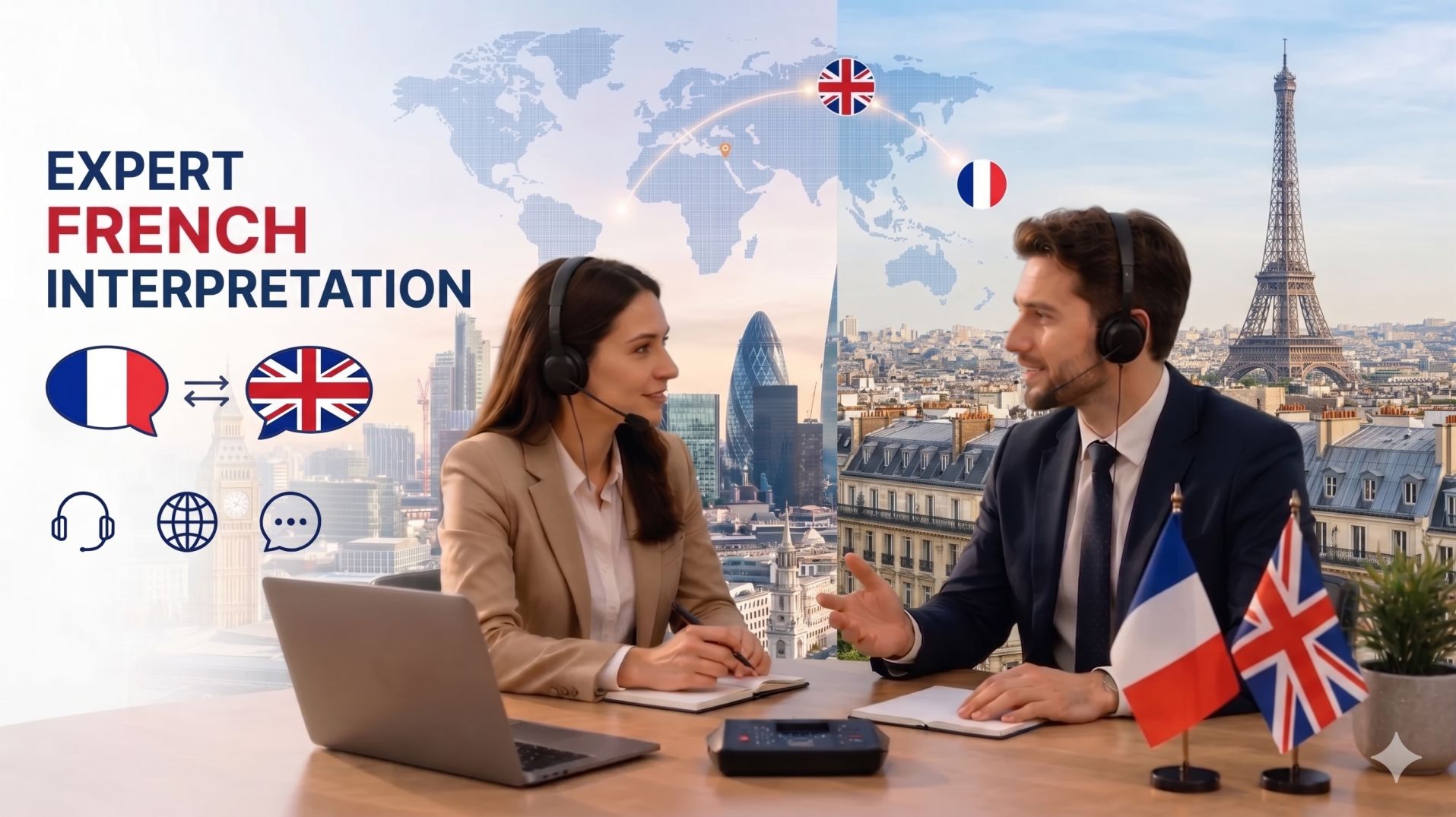

Securing a qualified Dutch interpreter in Ipswich is paramount for effective communication across diverse sectors, from legal proceedings and healthcare consultations to business negotiations and public services within the United Kingdom. Ipswich, a vibrant county town of Suffolk, benefits from a growing economy and a diverse population, necessitating robust language support. For residents and businesses requiring Dutch language services, access to accredited interpreters is crucial for ensuring clarity, accuracy, and compliance with UK standards. The National Health Service (NHS) in Ipswich, primarily served by trusts such as the East Suffolk and North Essex NHS Foundation Trust and the Suffolk and North East Essex Integrated Care Board, relies heavily on professional interpretation to uphold patient safety and provide equitable care, adhering strictly to NHS England’s Language Access guidelines and UK GDPR principles.
Translation vs Interpretation
Understanding the distinction between translation and interpretation is fundamental when seeking language support. While both involve conveying meaning from one language to another, they are distinct disciplines requiring different skill sets and methodologies. Interpretation focuses on the spoken word, enabling real-time communication between individuals who do not share a common language. A Dutch interpreter in Ipswich facilitates live conversations, whether in face-to-face meetings, court hearings, or medical appointments. This requires not only fluency in both Dutch and English but also an acute understanding of cultural nuances, non-verbal cues, and the ability to think quickly and accurately under pressure. Professional interpreters adhere to strict codes of conduct, often regulated by bodies like the National Register of Public Service Interpreters (NRPSI), ensuring impartiality, confidentiality, and accuracy. Conversely, translation deals with the written word, converting documents, websites, or other textual materials from one language to another. A Dutch translator in Ipswich would handle the conversion of legal documents, medical reports, business contracts, or marketing materials. Both services are vital for the smooth operation of businesses and public services in Ipswich, but the specific need dictates whether an interpreter or a translator is required. For immediate, spoken communication, particularly in sensitive environments like legal or medical settings, a professional Dutch interpreter is indispensable.
Legal Defence, Immigration, and Courtroom Interpretation
The legal landscape in the UK demands absolute precision, and this is particularly true when language barriers exist. For individuals navigating the complexities of the UK legal system, access to a qualified Dutch interpreter in Ipswich is not merely a convenience but a fundamental right. His Majesty’s Courts and Tribunals Service (HMCTS) mandates that all parties involved in legal proceedings have access to professional interpreters when required, ensuring fairness and due process under UK law. This applies to a wide range of legal matters, including criminal trials, civil disputes, family law hearings, and administrative reviews. The His Majesty’s Courts and Tribunals Service (HMCTS) operates under stringent protocols to ensure that interpreters are not only linguistically competent but also adhere to the highest ethical standards. Professional bodies such as the NRPSI and the Diploma in Public Service Interpreting (DPSI) set the benchmark for qualifications and professional conduct. In immigration law, the role of a Dutch interpreter is critical. Whether assisting clients with applications to the UK Visas and Immigration (UKVI) or representing them before the First-tier Immigration Tribunal, accurate interpretation ensures that all evidence and arguments are clearly understood by Home Office officials and tribunal judges. Failure to provide adequate interpretation can lead to miscarriages of justice, wrongful deportations, and significant legal repercussions. Law firms in Ipswich and across the UK regularly engage Dutch interpreters for client consultations, evidence gathering, and courtroom representation, underscoring the vital link between language access and the effective administration of justice.
Healthcare and NHS Patient Safety
Patient safety and equitable access to healthcare are cornerstones of the UK’s National Health Service (NHS). For Dutch-speaking patients in Ipswich, effective communication with healthcare professionals is essential for accurate diagnosis, treatment, and overall well-being. The Care Quality Commission (CQC), the independent regulator of health and social care in England, emphasizes the importance of effective communication in its inspections and ratings. NHS England’s Language Access guidelines stipulate that healthcare providers must ensure that patients who do not speak English as a first language have access to competent interpreters. This is particularly relevant for complex medical discussions, obtaining informed consent for procedures, and managing chronic conditions. A professional Dutch interpreter in Ipswich working within the NHS ensures that patients fully understand their medical conditions, treatment options, and medication instructions. This not only enhances patient autonomy but also significantly reduces the risk of medical errors and adverse outcomes. The East Suffolk and North Essex NHS Foundation Trust and the Suffolk and North East Essex Integrated Care Board are committed to providing accessible healthcare, and this includes facilitating access to qualified Dutch interpreters for appointments, ward rounds, and emergency situations. Adherence to UK GDPR principles further ensures that patient confidentiality is maintained throughout the interpretation process, building trust and fostering a positive patient-provider relationship.
Technical Interpretation Modalities
The effective delivery of interpretation services hinges on selecting the appropriate modality for the specific context. For a Dutch interpreter in Ipswich, understanding these different modes is crucial for meeting client needs efficiently and effectively. Simultaneous interpretation is commonly used in conferences, large meetings, or live broadcasts where the interpreter speaks almost concurrently with the original speaker, often using specialized equipment like booths and headsets. This mode requires intense concentration and is ideal for situations where time is of the essence and the audience is large. Consecutive interpretation is more common in smaller meetings, legal depositions, or medical consultations. Here, the interpreter listens to a segment of speech, then renders it in the target language, allowing for pauses and note-taking. This mode facilitates more direct interaction and is suitable for dialogues and discussions. Escort interpretation, also known as liaison interpretation, is used for informal settings, business meetings, or site visits where the interpreter acts as a cultural bridge, facilitating smooth communication and understanding between parties. This often involves accompanying clients and providing interpretation for conversations, tours, and social interactions. Finally, remote interpretation, including telephone interpreting (OPI) and video remote interpreting (VRI), has become increasingly prevalent, offering flexibility and cost-effectiveness. This modality allows clients to connect with a Dutch interpreter in Ipswich or elsewhere via phone or video conferencing, ideal for urgent situations or when in-person services are not feasible. Each modality requires specific skills and preparation, and professional interpreters are adept at deploying the most suitable technique to ensure clear and accurate communication.
Economic and Social Fabric of Ipswich
Ipswich, with its rich maritime history and evolving economic landscape, presents a dynamic environment where Dutch language skills play an increasingly important role. The town’s strategic location and developing infrastructure attract a diverse range of businesses and visitors, necessitating robust language support services.
Corporate and Industry
The economic vitality of Ipswich is driven by a mix of established industries and emerging sectors. From manufacturing and logistics to professional services and technology, businesses operating in or trading with the Netherlands require seamless communication. A professional Dutch interpreter in Ipswich can facilitate crucial business interactions, including contract negotiations, client meetings, technical discussions, and international trade delegations. The presence of Dutch companies or those with Dutch business interests in the region underscores the demand for accurate and culturally sensitive interpretation. Professional bodies like the Chartered Institute of Linguists (CIOL) promote high standards in linguistic services, ensuring that businesses can rely on qualified professionals for their international dealings. This linguistic support is vital for fostering strong business relationships, expanding market reach, and ensuring compliance with international business practices.
Tourism
Ipswich and the wider Suffolk coast are popular destinations for both domestic and international tourists. While English is the primary language, providing Dutch language support can significantly enhance the visitor experience for Dutch travellers. This can range from translated visitor information and signage to the availability of Dutch-speaking guides or interpreters for tours and excursions. Ensuring that Dutch visitors feel welcomed and understood contributes positively to the local tourism economy and promotes Ipswich as an accessible and friendly destination. High-quality interpretation services can bridge cultural gaps and ensure that tourists can fully enjoy their visit, from exploring historical sites like Christchurch Mansion to experiencing the natural beauty of the Suffolk coast.
Legal Infrastructure
Ipswich possesses a well-established legal infrastructure, including local law firms and access to regional courts. The need for Dutch interpretation services within this sector is significant, particularly for immigration law, international family law, and commercial disputes involving Dutch entities or individuals. Law firms in Ipswich that handle cross-border cases rely on accredited interpreters to ensure their Dutch-speaking clients receive accurate legal advice and representation. The adherence to standards set by bodies like the NRPSI ensures that legal professionals can trust the impartiality and accuracy of the interpreters they engage, safeguarding the integrity of the legal process and upholding the rights of all parties involved, in line with the principles of HMCTS.
NHS Healthcare
As previously highlighted, the healthcare sector in Ipswich, encompassing facilities managed by the East Suffolk and North Essex NHS Foundation Trust and coordinated by the Suffolk and North East Essex Integrated Care Board, places a high premium on effective communication. Dutch-speaking patients require access to professional interpreters to ensure they receive the best possible care, understand diagnoses, and participate actively in their treatment plans. This commitment to language access aligns with national NHS policies and the CQC’s focus on patient safety and experience. The availability of qualified Dutch interpreters is a critical component of delivering equitable and high-quality healthcare services to all residents of Ipswich.
Local Infrastructure and Transport
Ipswich’s infrastructure and transport links are vital for its economic function and connectivity. The town benefits from its position as a major hub in Suffolk, with good road and rail connections. The A12 and A14 provide key arterial routes, linking Ipswich to London, the Midlands, and major ports like Felixstowe, one of the UK’s busiest container ports. This connectivity is crucial for businesses involved in international trade, many of whom may require Dutch language services for logistics, customs, and supply chain management. Ipswich railway station offers regular services to London Liverpool Street, making it easily accessible for business travellers and visitors. The presence of a reliable transport network facilitates the movement of goods and people, supporting the town’s economic growth and its role as a regional centre. For businesses and individuals requiring language support, the accessibility of Ipswich, coupled with its developing infrastructure, makes it a strategic location for engaging professional Dutch interpretation and translation services.
Conclusion
In conclusion, the need for a professional Dutch interpreter in Ipswich is multifaceted, extending across critical sectors such as legal services, healthcare, and business. Ensuring access to qualified and accredited interpreters is not merely about facilitating communication; it is about upholding justice, safeguarding patient well-being, and fostering economic opportunity within the UK’s regulatory framework. Whether you are a law firm preparing for a case before HMCTS, an NHS trust committed to equitable patient care, or a business seeking to expand its international reach, engaging a certified Dutch interpreter is an essential investment. We provide expert, confidential, and reliable Dutch interpretation services tailored to the specific needs of Ipswich and the wider UK professional landscape. Contact us today to discuss your requirements and ensure seamless communication.