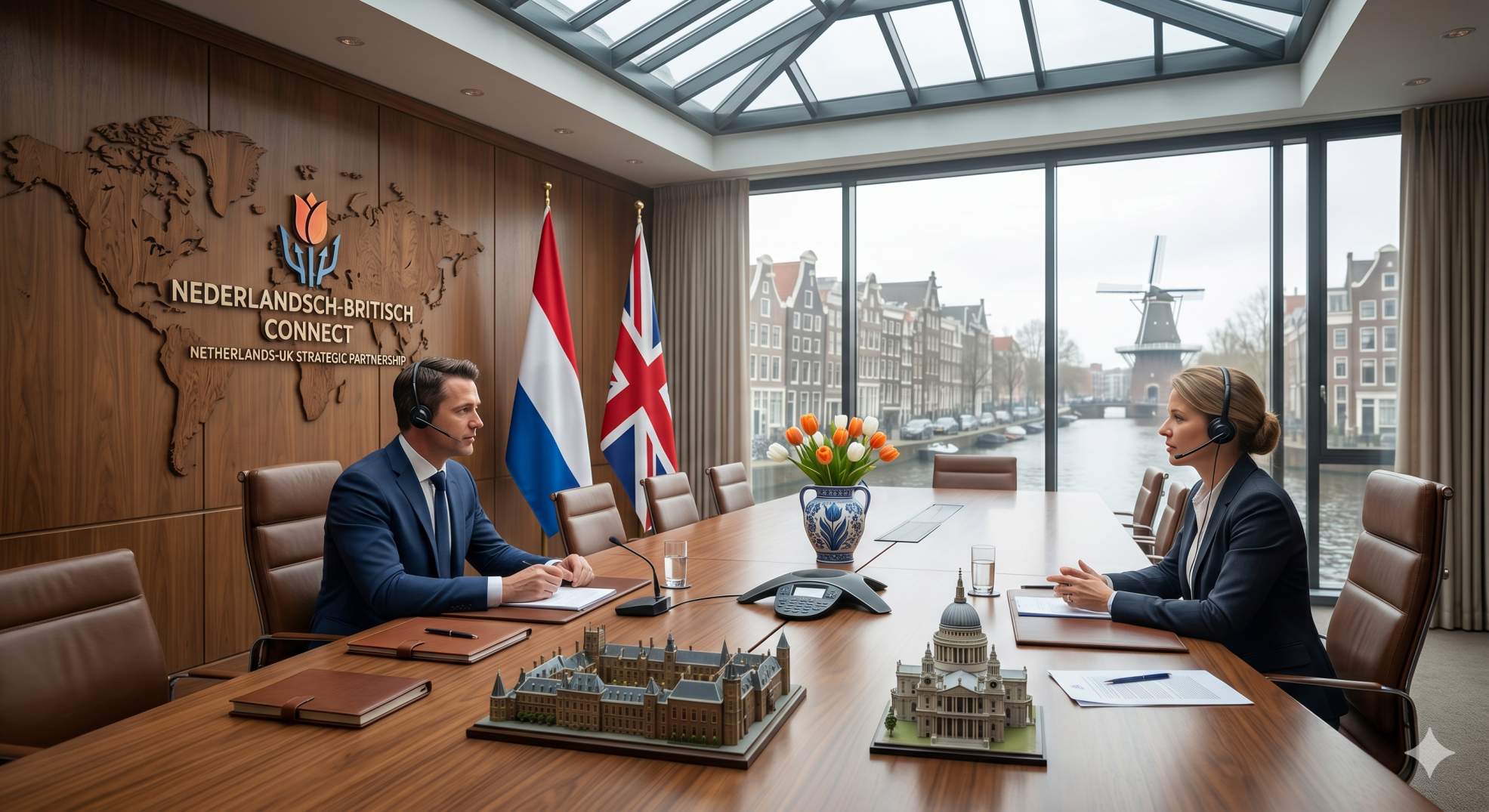
Securing a qualified Dutch interpreter in Maidstone is paramount for effective communication across a spectrum of critical sectors within the UK. Whether navigating the complexities of His Majesty’s Courts and Tribunals Service (HMCTS), ensuring patient safety within the National Health Service (NHS), or facilitating business transactions, the need for precise and culturally nuanced interpretation is undeniable. Maidstone, as a significant administrative and economic hub in Kent, benefits from a growing demand for specialised language services, particularly for the Dutch language, reflecting its diverse international connections. This service ensures that legal proceedings, healthcare consultations, and business engagements are conducted with the utmost clarity and adherence to UK professional standards, serving vital institutions such as the Medway NHS Foundation Trust and the Dartford and Gravesham NHS Trust, both of which may serve the wider Kent region including Maidstone.
Translation vs. Interpretation: Understanding the Nuances
While often used interchangeably, translation and interpretation are distinct disciplines, each requiring a unique skill set and adherence to professional standards. Interpretation involves the live, spoken rendering of a message from one language to another. This can occur in real-time (simultaneous interpretation) or with brief pauses (consecutive interpretation). A skilled Dutch interpreter in Maidstone must possess not only linguistic fluency but also cultural competency, an understanding of the subject matter, and the ability to maintain confidentiality and impartiality. This is crucial in high-stakes environments where miscommunication can have severe consequences. Translation, conversely, deals with the written word, converting documents, websites, or other textual materials from one language to another. Both services are vital for businesses and public services operating in a multilingual society, but the immediate, dynamic nature of interpretation demands a specific type of expertise, especially when seeking a Dutch translator in Maidstone for written documents.
Legal Defence, Immigration, and Courtroom Interpretation
The UK’s legal system, governed by principles of natural justice and fairness, mandates that all parties have access to justice, regardless of their linguistic background. For Dutch speakers involved in legal matters in Maidstone, access to qualified interpreters is not a luxury but a necessity. His Majesty’s Courts and Tribunals Service (HMCTS) relies heavily on accredited interpreters to ensure that defendants, witnesses, and victims can fully understand proceedings and express themselves without impediment. This includes cases heard at the Maidstone Combined Court Centre, where interpreters are essential for maintaining the integrity of the judicial process. Professional interpreters must adhere to strict codes of conduct, often regulated by bodies such as the National Register of Public Service Interpreters (NRPSI), ensuring impartiality and accuracy. This is particularly critical in immigration law, where individuals may be interacting with the Home Office, UK Visas and Immigration (UKVI), or appearing before the First-tier Immigration Tribunal. The accuracy of interpretation in these contexts can significantly impact personal liberty and future prospects. Professional standards, such as those set by the NRPSI, ensure that interpreters are vetted for their linguistic ability, ethical conduct, and understanding of legal terminology. The His Majesty’s Courts and Tribunals Service (HMCTS) provides guidance on the use of interpreters, underscoring the commitment to accessibility within the UK justice system. Furthermore, legal professionals such as solicitors and barristers in Maidstone often require the services of specialist Dutch interpreters for client consultations, police station interviews, and case preparation, ensuring that all legal avenues are explored effectively and ethically.
Healthcare and NHS Patient Safety
Patient safety and equitable access to healthcare are cornerstones of the NHS. For Dutch-speaking patients in Maidstone, effective communication with healthcare professionals is vital for accurate diagnosis, treatment, and overall well-being. The NHS operates under stringent guidelines, including those set by the Care Quality Commission (CQC) and NHS England’s Language Access guidelines, to ensure that all patients receive high-quality care. Interpreters play a critical role in bridging language barriers during consultations, explaining complex medical information, and ensuring that patients can provide informed consent. This is particularly important for vulnerable individuals or those with chronic conditions who require ongoing communication with their GP practices, such as those served by the All Saints Health Centre in Maidstone, or specialist hospital departments. Interpreters working within the NHS must not only be linguistically proficient but also understand medical terminology and ethical considerations, including patient confidentiality, which is protected under UK law and the UK General Data Protection Regulation (UK GDPR). The Care Quality Commission (CQC) inspects health and social care services to ensure they meet high standards of safety and care, and effective communication is a key component of this. Professional bodies like the NRPSI and the Chartered Institute of Linguists (CIOL) provide frameworks for the qualification and conduct of public service interpreters, ensuring a high standard of service delivery within the NHS. Ensuring that Dutch-speaking patients can communicate freely and accurately with their medical providers is a fundamental aspect of providing equitable care and upholding patient rights within the UK healthcare system.
Technical Interpretation Modalities
The effectiveness of interpretation hinges on selecting the appropriate modality for the specific context. For Dutch speakers in Maidstone, understanding these modalities ensures that communication objectives are met efficiently and accurately. Simultaneous interpretation is used in settings where immediate communication is required, such as conferences, high-level meetings, or court hearings. The interpreter listens to the speaker through a headset and renders the speech into the target language with minimal delay, often using specialised equipment. Consecutive interpretation is employed when speakers pause to allow the interpreter to convey the message. This is common in smaller meetings, interviews, or one-on-one consultations, where direct interaction is key. Escort interpretation, also known as liaison interpretation, facilitates communication between parties speaking different languages in informal settings, such as business meetings, site visits, or social events. The interpreter acts as a cultural bridge, ensuring smooth dialogue. Increasingly, remote interpretation services are becoming prevalent, utilising technology to connect interpreters with clients via phone or video conferencing. This modality offers flexibility and can be cost-effective, but requires careful consideration of audio quality and connection stability to maintain accuracy and professionalism, especially when dealing with sensitive legal or medical information. Each modality requires a distinct skill set and preparation, and professional interpreters are trained to deploy the most suitable method based on the client’s needs and the environment.
Economic and Social Fabric of Maidstone
Maidstone’s dynamic economy and vibrant community necessitate robust language support. As a key economic centre in Kent, the town fosters a diverse range of activities that benefit from skilled Dutch interpretation and translation services.
Corporate and Industry
Maidstone hosts a variety of businesses, from manufacturing and logistics to professional services and technology. Companies engaging with Dutch partners, suppliers, or clients require accurate interpretation for negotiations, product launches, technical support, and international collaborations. The presence of a reliable Dutch interpreter in Maidstone facilitates smoother business operations, strengthens international trade relationships, and supports inward investment. Adherence to professional standards ensures that all communications are handled with the utmost discretion and accuracy, vital for maintaining corporate reputation and compliance with UK business law.
Tourism
Kent, often referred to as the ‘Garden of England’, attracts a significant number of tourists, including those from the Netherlands. Maidstone, with its historical sites, proximity to transport links, and natural beauty, is a key destination. Dutch-speaking visitors benefit from interpretation services that can enhance their experience, whether through guided tours, hotel services, or interactions with local businesses. This not only improves the visitor experience but also supports the local tourism economy, encouraging repeat visits and positive word-of-mouth referrals.
Legal Infrastructure
Maidstone possesses a well-established legal infrastructure, including the Maidstone Combined Court Centre. This makes it a crucial location for legal interpretation services. Dutch-speaking individuals involved in civil litigation, criminal proceedings, or family law matters require access to qualified interpreters to ensure their rights are protected and that they can participate fully in the legal process. The availability of interpreters accredited by bodies like the NRPSI or holding qualifications such as the Diploma in Public Service Interpreting (DPSI) is essential for upholding the principles of justice within the UK legal framework.
NHS Healthcare
The healthcare landscape in and around Maidstone is served by dedicated NHS trusts. For Dutch-speaking residents and visitors, accessing healthcare services requires clear communication. Interpreters are indispensable for ensuring that patients understand medical advice, treatment plans, and their rights within the NHS. This commitment to accessible healthcare aligns with the broader UK policy of providing equitable services to all residents, irrespective of their language background, and is overseen by organisations like NHS England and regulated by the CQC.
Local Infrastructure and Transport
Maidstone’s strategic location in Kent, with excellent transport links, further enhances its connectivity. The town is served by major road networks, including the M20 motorway, and benefits from regular train services connecting it to London and other key UK cities. This accessibility is crucial for the deployment of interpreters, enabling them to reach clients efficiently across Maidstone and the wider Kent region. Reliable public transport and road infrastructure ensure that professional Dutch interpreters can provide timely and consistent services for legal, medical, and business appointments, supporting the smooth functioning of various sectors that rely on accurate cross-lingual communication.
Conclusion
For any organisation or individual in Maidstone requiring precise and professional language services, engaging a qualified Dutch interpreter in Maidstone is a critical step towards ensuring clarity, compliance, and successful outcomes. From the courtroom to the hospital ward, and from the boardroom to the tourist information centre, the need for expert interpretation is paramount. We provide certified, experienced Dutch interpreters who understand the intricacies of UK professional standards, legal frameworks, and healthcare protocols. Contact us today to discuss your specific interpretation needs and experience the assurance of seamless communication.