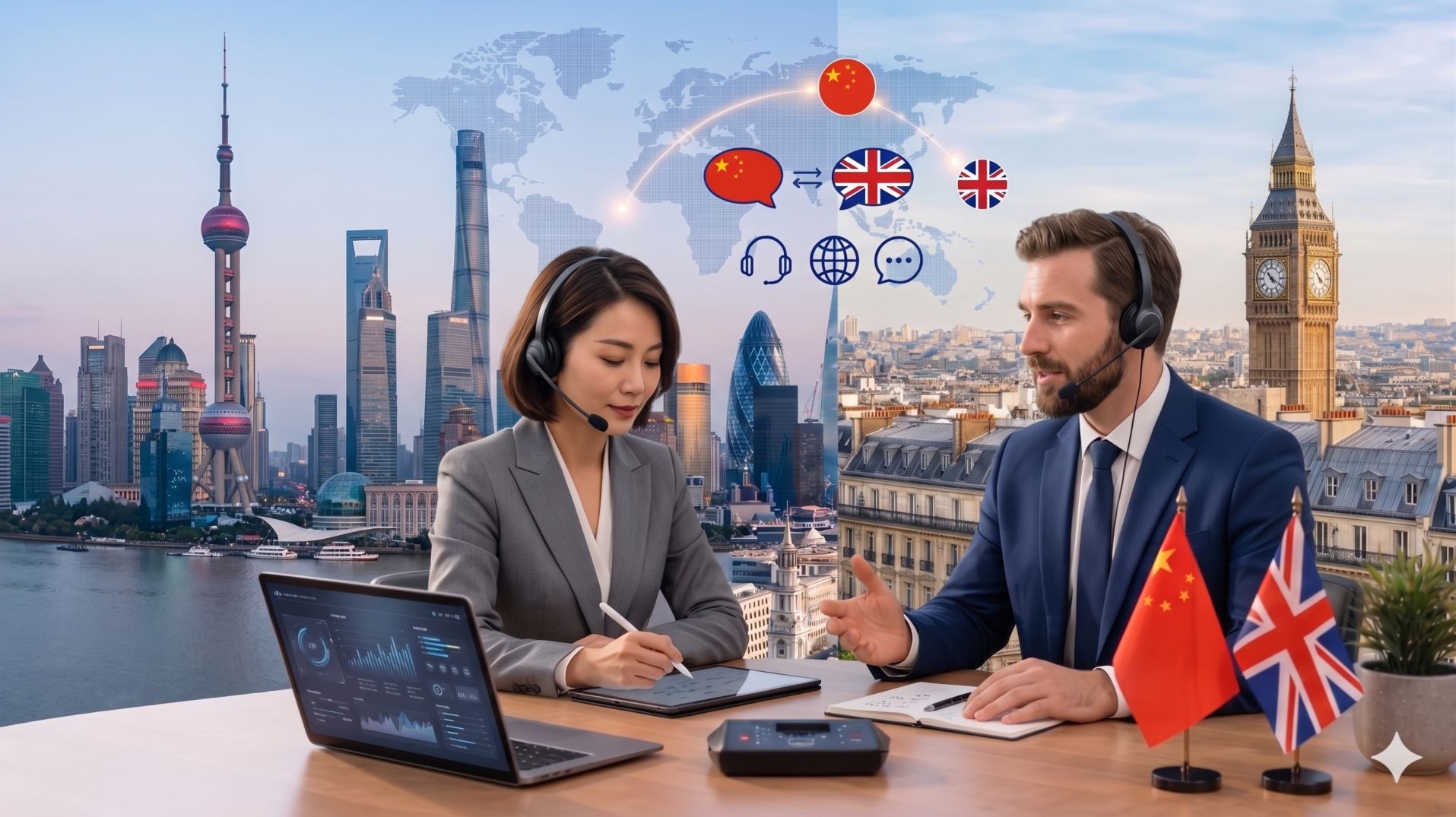

Securing a qualified Dutch interpreter in Reading is paramount for ensuring clear communication and upholding legal and medical standards within this vibrant Thames Valley hub. Reading, a significant economic centre in Berkshire, attracts a diverse international community and hosts numerous businesses with Dutch connections, necessitating precise linguistic support. Whether for critical legal proceedings at His Majesty’s Courts and Tribunals Service (HMCTS), vital healthcare appointments within the Royal Berkshire NHS Foundation Trust, or complex business negotiations, the availability of professional Dutch interpretation is indispensable. The Frimley Integrated Care Board, which oversees healthcare provision in the wider region, also highlights the importance of accessible language services for all residents. This page explores the critical role of Dutch interpreters and translators in Reading, addressing the specific needs of UK professional services and the local economic landscape.
Translation vs Interpretation: Precision in Communication
While often used interchangeably, translation and interpretation are distinct linguistic disciplines, each requiring specialised skills and adherence to professional standards. A Dutch translator in Reading works with written text, converting documents, contracts, websites, and reports from Dutch to English or vice versa. This process demands meticulous attention to detail, an understanding of cultural nuances, and the ability to maintain the original text’s tone and intent. Professional translators often specialise in specific fields, such as legal, medical, or technical translation, ensuring accuracy within that domain. Conversely, a Dutch interpreter in Reading facilitates spoken communication in real-time. This involves listening to a speaker in one language and rendering their message accurately and fluently in another. The interpreter must possess not only linguistic proficiency but also exceptional short-term memory, cultural awareness, and the ability to remain neutral and objective. The demand for both services is significant in Reading, given its international business links and diverse population. For legal professionals, accurate translation of case documents is as crucial as real-time interpretation in court. Similarly, for healthcare providers, translating patient information leaflets is vital, but providing an interpreter during a consultation ensures immediate understanding and patient safety. Professional bodies like the Chartered Institute of Linguists (CIOL) and the National Register of Public Service Interpreters (NRPSI) set the standards for both professions, ensuring that clients receive services from qualified and vetted individuals.
Legal Defence, Immigration, and Courtroom Interpretation
The UK’s legal system is built on principles of fairness and access to justice for all. For individuals who do not speak English as a first language, including Dutch speakers in Reading, access to qualified interpreters is a fundamental right. His Majesty’s Courts and Tribunals Service (HMCTS) mandates the provision of interpreters in criminal and civil proceedings to ensure that all parties can understand the evidence presented and participate effectively in their defence or prosecution. This is particularly critical in cases involving immigration, where individuals may be navigating complex procedures with the Home Office and the UK Visas and Immigration (UKVI) service. Dutch nationals appearing before the First-tier Immigration Tribunal, or involved in family law, civil disputes, or criminal matters heard at Reading Magistrates’ Court or higher courts, require interpreters registered with bodies like the NRPSI. These interpreters adhere to a strict code of conduct, guaranteeing impartiality, confidentiality, and accuracy. The His Majesty’s Courts and Tribunals Service (HMCTS) provides guidance on the booking and use of interpreters, emphasising the need for qualified professionals. Law firms in Reading that represent Dutch clients, whether in corporate law, conveyancing, or criminal defence, must engage interpreters who meet these stringent requirements. Holding qualifications such as the Diploma in Public Service Interpreting (DPSI) or equivalent demonstrates a commitment to professional standards. The accuracy provided by a professional Dutch interpreter is not merely a matter of convenience; it is essential for the integrity of the judicial process and the protection of individual rights. Without competent interpretation, misunderstandings can lead to miscarriages of justice, impacting livelihoods and liberty. The Ministry of Justice oversees the broader framework within which HMCTS operates, underscoring the government’s commitment to accessible justice.
Healthcare and NHS Patient Safety
Patient safety and effective communication are cornerstones of the National Health Service (NHS). For Dutch-speaking patients in Reading, accessing healthcare services without language barriers is crucial for receiving appropriate diagnosis, treatment, and care. The Royal Berkshire NHS Foundation Trust, serving Reading and its surrounding areas, is committed to providing equitable care to all patients, regardless of their linguistic background. This commitment is reinforced by NHS England’s Language Access Guidelines, which stipulate the need for high-quality interpretation and translation services. Dutch patients may require interpreters for consultations with GPs at local practices, specialist appointments at Royal Berkshire Hospital, or during emergency admissions. The Care Quality Commission (CQC), the independent regulator of health and social care in England, also emphasises the importance of effective communication in ensuring patient safety and quality of care. Misunderstandings arising from language barriers can lead to incorrect medication, delayed treatment, or a failure to understand post-operative instructions, with potentially severe consequences. Professional Dutch interpreters working within the NHS must not only be linguistically competent but also understand medical terminology and the sensitive nature of healthcare interactions. They operate under strict confidentiality agreements, adhering to UK General Data Protection Regulation (UK GDPR) principles. The Frimley Integrated Care Board (ICB) works to ensure that local healthcare providers have the resources to meet these communication needs. Engaging interpreters who are registered with the NRPSI or hold equivalent qualifications ensures a high standard of service, contributing directly to patient well-being and trust in the NHS.
Technical Interpretation Modalities
The effectiveness of interpretation hinges on selecting the appropriate modality for the specific situation. Professional Dutch interpreters in Reading offer a range of services tailored to diverse professional contexts. Simultaneous interpretation is employed in settings where participants speak at the same time, such as conferences, large meetings, or live broadcasts. The interpreter, typically working from a soundproof booth with specialised equipment, renders the speech into Dutch with minimal delay. This requires intense concentration and rapid processing. Consecutive interpretation is more common in smaller meetings, legal depositions, or one-on-one discussions. The interpreter listens to a segment of speech, then delivers the interpretation in the target language once the speaker has finished. This allows for a more deliberate and nuanced delivery. Escort interpretation, also known as liaison interpretation, facilitates communication between parties speaking different languages in less formal settings, such as business meetings, site visits, or social events. The interpreter acts as a cultural bridge, ensuring smooth interaction. For situations requiring flexibility, remote interpretation, including telephone interpreting (OPI) and video remote interpreting (VRI), has become increasingly prevalent. This modality leverages technology to connect interpreters with clients regardless of geographical location, offering a cost-effective and rapid solution for urgent needs or when in-person interpreters are unavailable. The choice of modality depends on factors such as the number of participants, the formality of the setting, the technical requirements, and the urgency of the communication. Professional interpreting agencies and independent interpreters in Reading can advise on the most suitable modality to ensure effective communication for any given scenario, whether it’s a high-stakes legal deposition or a routine business meeting.
Economic and Social Fabric of Reading
Reading’s status as a major economic and cultural centre in the UK is underpinned by its diverse industries, historical significance, and vibrant community. Understanding the local economic landscape is crucial for businesses and organisations seeking linguistic support.
Corporate and Industry Presence
Reading boasts a thriving business environment, particularly in the technology, finance, and professional services sectors. Several multinational corporations have a significant presence in the town, and many smaller enterprises engage in international trade. The presence of Dutch companies or those with strong ties to the Netherlands creates a consistent demand for Dutch translation and interpretation services. This includes translating business proposals, marketing materials, technical documentation, and facilitating meetings, negotiations, and international collaborations. Professional bodies like the International Association of Conference Interpreters (AIIC) represent interpreters working at the highest levels of international business and diplomacy, reflecting the calibre of expertise available to Reading’s corporate sector.
Tourism and Hospitality
While not a primary tourist destination in the same vein as London, Reading attracts visitors for its historical sites, cultural events, and as a gateway to the Thames Valley. Dutch tourists and business travellers may require assistance with information, bookings, or during their stay. The hospitality sector, including hotels, restaurants, and visitor attractions, can benefit from readily available Dutch language resources, such as translated menus or multilingual staff support facilitated by interpreters, to enhance the visitor experience.
Legal Infrastructure
Reading possesses a robust legal infrastructure, including its own Magistrates’ Court and proximity to Crown Courts, serving a significant caseload. The town is home to numerous law firms specialising in various areas, from corporate law to family and immigration matters. The presence of a Dutch-speaking population and businesses necessitates a strong network of qualified Dutch legal interpreters and translators. These professionals are vital for ensuring that Dutch nationals have equitable access to justice, as mandated by HMCTS and the broader UK legal framework. The Law Society provides resources for legal professionals, highlighting the importance of clear communication in all legal matters.
NHS Healthcare Provision
As previously detailed, Reading is served by the Royal Berkshire NHS Foundation Trust and falls under the Frimley ICB. The Trust provides a comprehensive range of services, and ensuring that Dutch-speaking patients can communicate effectively with healthcare professionals is a priority. This involves not only providing interpreters for consultations but also translating essential health information, patient records, and consent forms, all in compliance with UK GDPR and NHS guidelines. The Care Quality Commission monitors the quality of care, including communication aspects.
Local Infrastructure and Transport
Reading’s strategic location and excellent transport links contribute to its economic vitality and make it an accessible centre for professional services. Situated at the confluence of the River Thames and River Kennet, and at the heart of a major transport corridor, the town benefits from superb connectivity. Its main railway station is a major hub on the Great Western Main Line, offering fast services to London Paddington, Bristol, and other key cities. This ease of access is beneficial for businesses requiring interpreters or translators to travel to Reading for meetings or assignments. The M4 motorway, running to the east and west of the town, further enhances its accessibility for road transport. Public transport within Reading is well-developed, with extensive bus services connecting different parts of the town and surrounding areas. For international visitors, Heathrow Airport is within easy reach, facilitating travel for Dutch clients and professionals. The availability of reliable transport infrastructure ensures that interpreters and translators can reach their assignments efficiently, whether they are based locally or travelling from further afield. This seamless connectivity supports the smooth operation of businesses and public services that rely on accurate Dutch interpretation and translation in Reading.
Conclusion
For any organisation or individual in Reading requiring precise and professional linguistic support, engaging a qualified Dutch interpreter in Reading is essential. From the critical demands of the UK legal system, including proceedings before HMCTS and immigration matters handled by the Home Office, to the vital patient care provided by the Royal Berkshire NHS Foundation Trust and the Frimley ICB, accuracy and cultural understanding are paramount. Professional interpreters and translators, often accredited by bodies such as the NRPSI, ensure that communication is clear, confidential, and legally compliant. We offer expert Dutch interpretation and translation services tailored to the specific needs of Reading’s professional and public sectors. Contact us today to discuss your requirements and ensure seamless communication for your critical operations.