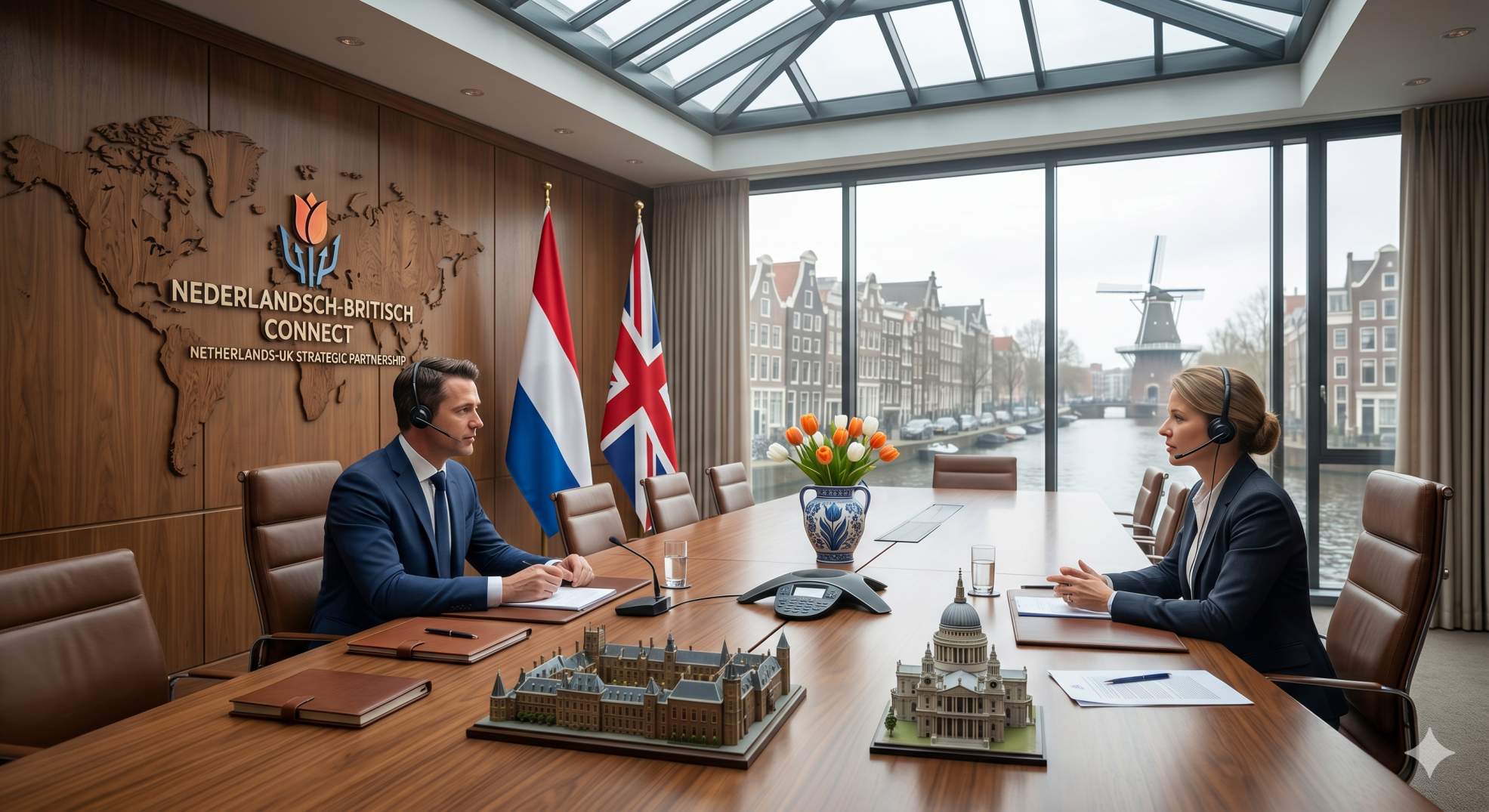
Securing a qualified Dutch interpreter in Stevenage is paramount for ensuring clear communication and access to essential services across various sectors in the United Kingdom. Whether navigating the complexities of the UK legal system, accessing vital healthcare through the National Health Service (NHS), or engaging in international business, the need for accurate and culturally sensitive interpretation cannot be overstated. Stevenage, a significant town in Hertfordshire, is served by key NHS trusts, including the East and North Hertfordshire NHS Trust, which provides a wide range of services, and is also within the operational area of other regional NHS bodies that may offer specialised care. Effective communication bridges cultural divides and upholds the principles of fairness, safety, and inclusivity that are fundamental to UK public services and professional standards.
Translation vs Interpretation: Understanding the Nuances
While often used interchangeably in casual conversation, translation and interpretation are distinct disciplines requiring different skill sets and methodologies. A Dutch translator in Stevenage works with written text, converting documents, websites, and other written materials from Dutch to English or vice versa. This process allows for meticulous review, editing, and proofreading to ensure accuracy and fidelity to the original meaning. Conversely, a Dutch interpreter in Stevenage facilitates spoken communication in real-time. This demanding role requires not only fluency in both languages but also an acute understanding of cultural nuances, idiomatic expressions, and the specific terminology relevant to the context, whether it be a legal proceeding, a medical consultation, or a business negotiation. Professional interpreters adhere to strict codes of conduct, ensuring impartiality, confidentiality, and accuracy, as mandated by bodies such as the National Register of Public Service Interpreters (NRPSI). The choice between a translator and an interpreter depends entirely on whether the communication is written or spoken, and the urgency and setting of the interaction.
Legal Defence, Immigration, and Courtroom Interpretation
The UK justice system, overseen by His Majesty’s Courts and Tribunals Service (HMCTS), operates on the principle of natural justice, which includes the right to understand proceedings and communicate effectively. For individuals who do not speak English fluently, access to qualified interpreters is a legal necessity. A Dutch interpreter in Stevenage plays a critical role in various legal settings, from initial police interviews conducted under the Police and Criminal Evidence Act 1984 (PACE), to appearances before magistrates in the Magistrates’ Courts, and complex cases heard in the Crown Court. The His Majesty’s Courts and Tribunals Service (HMCTS) mandates the use of accredited interpreters to ensure fair trials and due process. This is particularly vital in immigration law, where individuals may need to communicate with the Home Office, UK Visas and Immigration (UKVI), and present their cases before the First-tier Immigration Tribunal. The NRPSI and the Diploma in Public Service Interpreting (DPSI) qualification are benchmarks for public service interpreters, ensuring they possess the linguistic and ethical standards required for these sensitive environments. Without a competent Dutch interpreter in Stevenage, individuals could face significant disadvantages, potentially impacting the outcome of their legal matters, including asylum claims, deportation appeals, and criminal charges.
Healthcare and NHS Patient Safety
Patient safety and effective communication are cornerstones of the National Health Service (NHS). For Dutch-speaking patients in Stevenage and surrounding areas, accessing healthcare services requires professional interpretation to ensure they can fully understand diagnoses, treatment options, consent forms, and post-operative care instructions. The Care Quality Commission (CQC), the independent regulator of health and social care in England, emphasises the importance of effective communication in providing safe and high-quality care. NHS England’s Language Access guidelines stipulate that providers must ensure patients have access to interpreters when needed, regardless of their language. This is crucial for informed consent, as stipulated under UK law and ethical medical practice. A Dutch interpreter in Stevenage working within the NHS, such as at the East and North Hertfordshire NHS Trust, must not only be linguistically proficient but also understand medical terminology and the sensitive nature of healthcare interactions. Adherence to the UK General Data Protection Regulation (UK GDPR) is also essential, ensuring patient confidentiality is maintained at all times. Interpreters are often required for consultations with GPs, specialists, hospital admissions, and mental health services, ensuring that all patients, irrespective of their language, receive equitable and safe care. The East and North Hertfordshire NHS Trust, like other NHS trusts, has protocols in place to facilitate access to interpreters, recognising the vital role they play in patient outcomes and adherence to regulatory standards.
Technical Interpretation Modalities
The effectiveness of interpretation hinges on selecting the appropriate modality for the specific situation. A professional Dutch interpreter in Stevenage can offer services across several modes:
- Simultaneous Interpretation: This is commonly used in conferences, large meetings, or court proceedings where the interpreter speaks almost concurrently with the speaker, often using specialised equipment like booths and headsets. It requires immense concentration and rapid processing.
- Consecutive Interpretation: Here, the interpreter waits for the speaker to pause before rendering the message in the target language. This is suitable for smaller meetings, one-on-one discussions, or interviews where immediate rendering is not critical.
- Escort Interpretation: Also known as liaison interpretation, this mode facilitates communication in informal settings, such as business negotiations, site visits, or social events. The interpreter acts as a bridge between parties, often providing cultural insights.
- Remote Interpretation (ROH): With advancements in technology, remote simultaneous or consecutive interpretation is increasingly common. This allows clients to connect with interpreters via telephone or video conferencing platforms, offering flexibility and cost-effectiveness, especially for urgent or geographically dispersed needs. This modality requires robust internet connectivity and appropriate platforms to ensure clarity and confidentiality, adhering to UK data protection standards.
Choosing the correct modality ensures that the communication flow is natural and efficient, meeting the specific demands of the interaction and upholding professional standards.
Economic and Social Fabric of Stevenage
Stevenage, a New Town designated in 1946, has evolved into a significant economic hub within Hertfordshire, blending its planned infrastructure with a growing and diverse population. The presence of a Dutch-speaking community and businesses necessitates accessible language services to fully integrate and thrive within the local economic and social landscape.
Corporate and Industry Presence
Stevenage boasts a strong presence in sectors such as aerospace, technology, and life sciences, with companies like Airbus Defence and Space and GlaxoSmithKline having significant operations in the vicinity. For these international businesses, a reliable Dutch interpreter in Stevenage is invaluable for facilitating communication with Dutch partners, suppliers, or employees. This includes everything from contract negotiations and technical briefings to internal team meetings and HR communications. Professional interpreters ensure that business dealings are conducted smoothly, avoiding misunderstandings that could lead to financial loss or damaged relationships. Adherence to professional standards set by organisations like the Chartered Institute of Linguists (CIOL) ensures a high level of service for corporate clients.
Tourism and Cultural Exchange
While Stevenage is primarily known for its industry and residential development, its proximity to historical sites and its role as a transport hub attract visitors. For Dutch tourists or business travellers, having access to local information and services in their language can enhance their experience. While not a primary tourist destination itself, its connectivity means it serves as a gateway. Professional interpretation can assist in local businesses, hospitality, and cultural events, fostering a more welcoming environment and promoting cross-cultural understanding. This also extends to supporting Dutch residents who may be new to the area, helping them integrate into the community and access local amenities.
Legal Infrastructure
Stevenage is served by local legal practices and is within the jurisdiction of HMCTS. The town’s legal infrastructure supports a range of services, from conveyancing and family law to commercial litigation. For Dutch nationals or businesses involved in legal matters in Stevenage, engaging with solicitors and barristers requires accurate communication. A qualified Dutch interpreter in Stevenage is essential for client consultations, court appearances, and the review of legal documents, ensuring that all parties understand their rights and obligations under UK law. The availability of NRPSI-registered interpreters ensures that legal professionals can meet their duty of care and comply with regulatory requirements.
NHS Healthcare Access
As mentioned previously, the NHS is a critical service for all residents. The East and North Hertfordshire NHS Trust provides essential healthcare services to the Stevenage population. Ensuring that Dutch-speaking patients can access these services without language barriers is a matter of equity and patient safety. This involves interpretation for GP appointments, hospital visits, emergency care, and public health information. The commitment of the NHS to language access, supported by bodies like the CQC, underscores the importance of professional interpreters in maintaining high standards of care for all members of the community.
Local Infrastructure and Transport
Stevenage benefits from excellent transport links, being situated close to the A1(M) and served by a main line railway station offering fast services to London King’s Cross and other major cities. This connectivity is vital for businesses and individuals requiring seamless travel and logistics. For international businesses operating in or trading with Stevenage, understanding these local transport networks is key. Professional interpretation can facilitate discussions related to logistics, supply chain management, and business travel arrangements. The town’s infrastructure, including its public transport network and digital connectivity, supports a dynamic economic environment. Ensuring that Dutch-speaking professionals and residents can navigate and utilise these services effectively is supported by the availability of skilled interpreters who can assist with understanding local regulations, transport information, and community services.
Conclusion
In conclusion, the need for professional language services, particularly a skilled Dutch interpreter in Stevenage, is multifaceted and essential for the town’s economic vitality and the well-being of its residents. From upholding justice in the UK courts and ensuring patient safety within the NHS, to facilitating international commerce and supporting community integration, accurate interpretation bridges critical communication gaps. Professional interpreters adhere to stringent UK standards, ensuring confidentiality, impartiality, and accuracy. For businesses, legal firms, healthcare providers, and individuals in Stevenage requiring expert Dutch interpretation, engaging certified professionals is not merely a convenience but a necessity for compliance, effective communication, and successful outcomes. Contacting a reputable agency or professional interpreter ensures access to the linguistic expertise required to navigate the complexities of UK professional and public life.