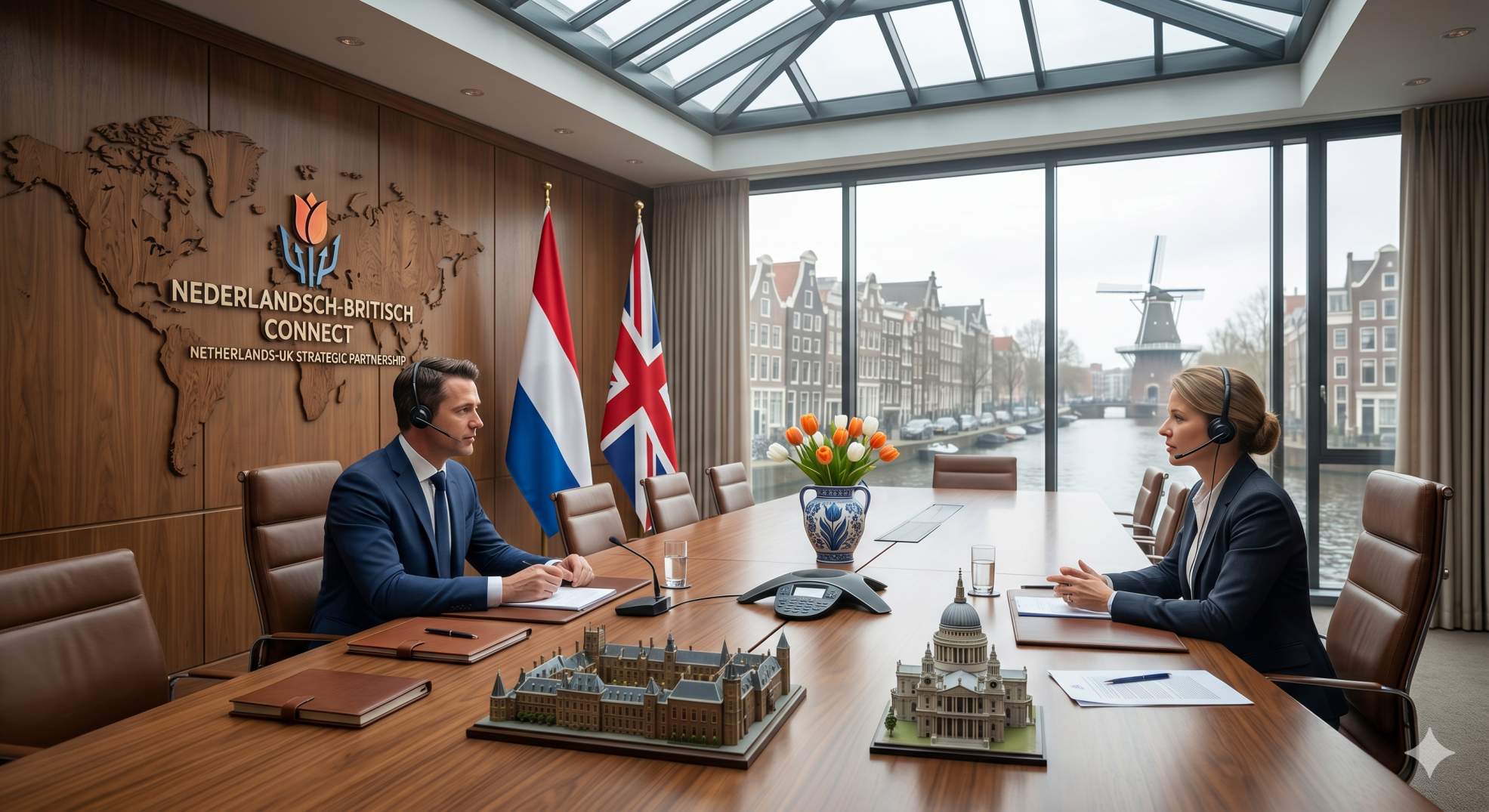
Securing a qualified Dutch interpreter in Stoke-on-Trent is paramount for effective communication across vital sectors within the UK’s professional landscape. Whether engaging with legal proceedings, accessing critical healthcare services, or facilitating international business, the need for precise and culturally nuanced interpretation is undeniable. For residents and businesses in Stoke-on-Trent, accessing these essential services ensures compliance with UK law, promotes patient safety within the National Health Service (NHS), and fosters robust economic ties. The local NHS trusts serving Stoke-on-Trent, such as the University Hospitals of North Midlands NHS Trust and Midlands Partnership University NHS Foundation Trust, rely on professional interpreters to bridge language barriers and uphold the highest standards of patient care, adhering strictly to NHS England’s Language Access guidelines and UK GDPR principles.
Translation vs Interpretation
While often used interchangeably, translation and interpretation are distinct disciplines, each requiring specialised skills and adhering to different professional standards. Interpretation involves the live, spoken rendition of a message from one language to another. This is critical in real-time interactions such as court hearings, medical appointments, or business meetings. A professional interpreter must possess not only fluency in both Dutch and English but also a deep understanding of the cultural contexts, legal terminology, and professional jargon relevant to the specific situation. In the UK, the professional standards for interpreters are overseen by bodies like the National Register of Public Service Interpreters (NRPSI) and the Diploma in Public Service Interpreting (DPSI), ensuring a high level of competence and ethical conduct. A skilled Dutch translator in Stoke-on-Trent, conversely, works with written documents, converting text from Dutch to English or vice versa. This process requires meticulous attention to detail, accuracy in conveying meaning, and often, specialised knowledge in fields like law, medicine, or engineering. Both services are indispensable for individuals and organisations operating within the UK’s diverse and interconnected economy, ensuring clarity and preventing misunderstandings that could have significant consequences.
Legal Defence, Immigration, and Courtroom Interpretation
The UK’s justice system, governed by His Majesty’s Courts and Tribunals Service (HMCTS), mandates that all parties involved in legal proceedings have access to adequate interpretation services. For Dutch speakers navigating the complexities of UK law, whether as defendants, witnesses, or victims, the presence of a qualified Dutch interpreter is not merely a convenience but a fundamental right. This is particularly crucial in criminal courts, civil litigation, and family law matters. The His Majesty’s Courts and Tribunals Service (HMCTS) ensures that interpreters are available for cases heard in magistrates’ courts, county courts, and the Crown Court. Furthermore, immigration law is a significant area where Dutch interpretation is vital. Individuals seeking asylum, applying for visas, or facing deportation proceedings must communicate effectively with the Home Office, UK Visas and Immigration (UKVI), and the First-tier Immigration Tribunal. Professional interpreters registered with bodies like the NRPSI or holding a DPSI qualification are essential for ensuring fair hearings and accurate representation. The integrity of the legal process hinges on the interpreter’s ability to provide a neutral and accurate rendition of statements, evidence, and legal arguments, upholding the principles of justice as administered by UK courts and tribunals.
Healthcare and NHS Patient Safety
Patient safety and equitable access to healthcare are cornerstones of the NHS. For Dutch-speaking patients in Stoke-on-Trent, effective communication with medical professionals is critical for accurate diagnosis, treatment, and overall well-being. The NHS England’s Language Access Policy mandates that healthcare providers must ensure that patients who have limited English proficiency receive appropriate language support. This includes providing access to qualified interpreters for consultations, hospital admissions, and emergency care. The Care Quality Commission (CQC), the independent regulator of health and social care services in England, also emphasises the importance of effective communication in its inspections and ratings, ensuring that providers meet the needs of all patients. Interpreters working within the NHS must adhere to strict confidentiality agreements and professional codes of conduct, often guided by the same standards as public service interpreters. This ensures that sensitive medical information is handled with the utmost discretion, in compliance with UK GDPR regulations. The University Hospitals of North Midlands NHS Trust and the Midlands Partnership University NHS Foundation Trust, serving Stoke-on-Trent, are committed to providing culturally competent care, and professional Dutch interpreters play an integral role in achieving this goal, fostering trust and improving health outcomes for Dutch-speaking communities.
Technical Interpretation Modalities
The effective delivery of interpretation services relies on selecting the appropriate modality to suit the specific context and requirements of the interaction. For a Dutch interpreter in Stoke-on-Trent, understanding these modalities is key to providing seamless communication. Simultaneous interpretation is used in settings where speakers talk continuously, such as conferences, large meetings, or live broadcasts. The interpreter listens to the speaker through a headset and renders the speech into the target language with minimal delay, often using specialised booths and equipment. Consecutive interpretation is employed in smaller settings like business negotiations, legal consultations, or medical appointments. The interpreter listens to a segment of speech, then pauses to render it into the target language. This allows for more natural interaction and clarification. Escort interpretation, also known as liaison interpretation, facilitates communication between two or more parties who speak different languages, often accompanying individuals on business trips, tours, or during informal meetings. Finally, remote interpretation, including telephone interpreting and video remote interpreting (VRI), has become increasingly prevalent, offering flexibility and cost-effectiveness for situations where face-to-face interpretation is not feasible. This modality requires interpreters to maintain high levels of concentration and technical proficiency, ensuring that the quality of communication remains uncompromised, adhering to the professional standards set by bodies like the Chartered Institute of Linguists (CIOL).
Economic and Social Fabric of Stoke-on-Trent
Stoke-on-Trent, a city with a rich industrial heritage, continues to evolve as a dynamic economic hub within the UK. The presence of a skilled Dutch interpreter is increasingly valuable as the city engages with international markets and diverse communities. Understanding the local economic and social landscape helps to contextualise the demand for professional language services.
Corporate and Industry
Stoke-on-Trent has a diverse industrial base, with strengths in advanced manufacturing, ceramics, and logistics. Companies operating in these sectors, particularly those with international supply chains or export markets in the Netherlands, require professional Dutch interpretation and translation services for business meetings, technical documentation, and international collaborations. The city’s ongoing regeneration efforts also attract foreign investment, further increasing the need for linguistic support to ensure smooth business operations and compliance with UK commercial law.
Tourism
While historically known for its pottery industry, Stoke-on-Trent is also developing its tourism sector. Attractions such as the World of Wedgwood, Emma Bridgewater, and the city’s cultural festivals draw visitors from across the globe. For Dutch tourists or business visitors, having access to Dutch-speaking guides or interpretation services can significantly enhance their experience and facilitate engagement with local businesses and cultural sites. This supports the city’s ambition to grow its visitor economy.
Legal Infrastructure
Stoke-on-Trent is served by a network of legal professionals and courts, including those under the purview of HMCTS. Law firms in the city handle a range of cases, from corporate law and property transactions to criminal defence and family matters. For Dutch nationals residing in or interacting with the UK legal system, securing a qualified Dutch interpreter is essential for accessing justice. This includes representation in matters before His Majesty’s Courts and Tribunals Service and interactions with the Home Office regarding immigration status.
NHS Healthcare
As previously detailed, the NHS trusts serving Stoke-on-Trent, namely the University Hospitals of North Midlands NHS Trust and Midlands Partnership University NHS Foundation Trust, are vital to the community. The Dutch-speaking population relies on these institutions for comprehensive healthcare. Professional interpreters ensure that language barriers do not impede access to medical advice, treatment plans, and patient support services, upholding the NHS’s commitment to universal care and patient safety in line with CQC standards and UK GDPR.
Local Infrastructure and Transport
Stoke-on-Trent benefits from a well-connected transport infrastructure, facilitating the movement of people and goods both locally and nationally. Major road networks, including the A500 and proximity to the M6 motorway, provide excellent links to other parts of the UK. The city also has a railway station offering services to major cities like London, Manchester, and Birmingham, connecting it to national and international transport hubs. This connectivity is crucial for businesses requiring the services of a Dutch interpreter in Stoke-on-Trent, enabling interpreters to travel efficiently to client locations, courtrooms, hospitals, or corporate offices across the region and beyond. Public transport within the city, including bus services, further supports accessibility for both residents and visitors, ensuring that professional language services can be delivered reliably across the urban and surrounding areas.
In conclusion, the demand for professional Dutch interpretation services in Stoke-on-Trent is driven by the city’s diverse economic activities, its integral role within the UK’s legal and healthcare systems, and its commitment to inclusive communication. Engaging a certified Dutch interpreter in Stoke-on-Trent is essential for navigating the complexities of UK law, ensuring patient safety within the NHS, and fostering successful business relationships. We provide expert, confidential, and reliable interpretation services tailored to meet the stringent professional standards expected by UK corporate buyers, law firms, NHS trusts, and government departments.