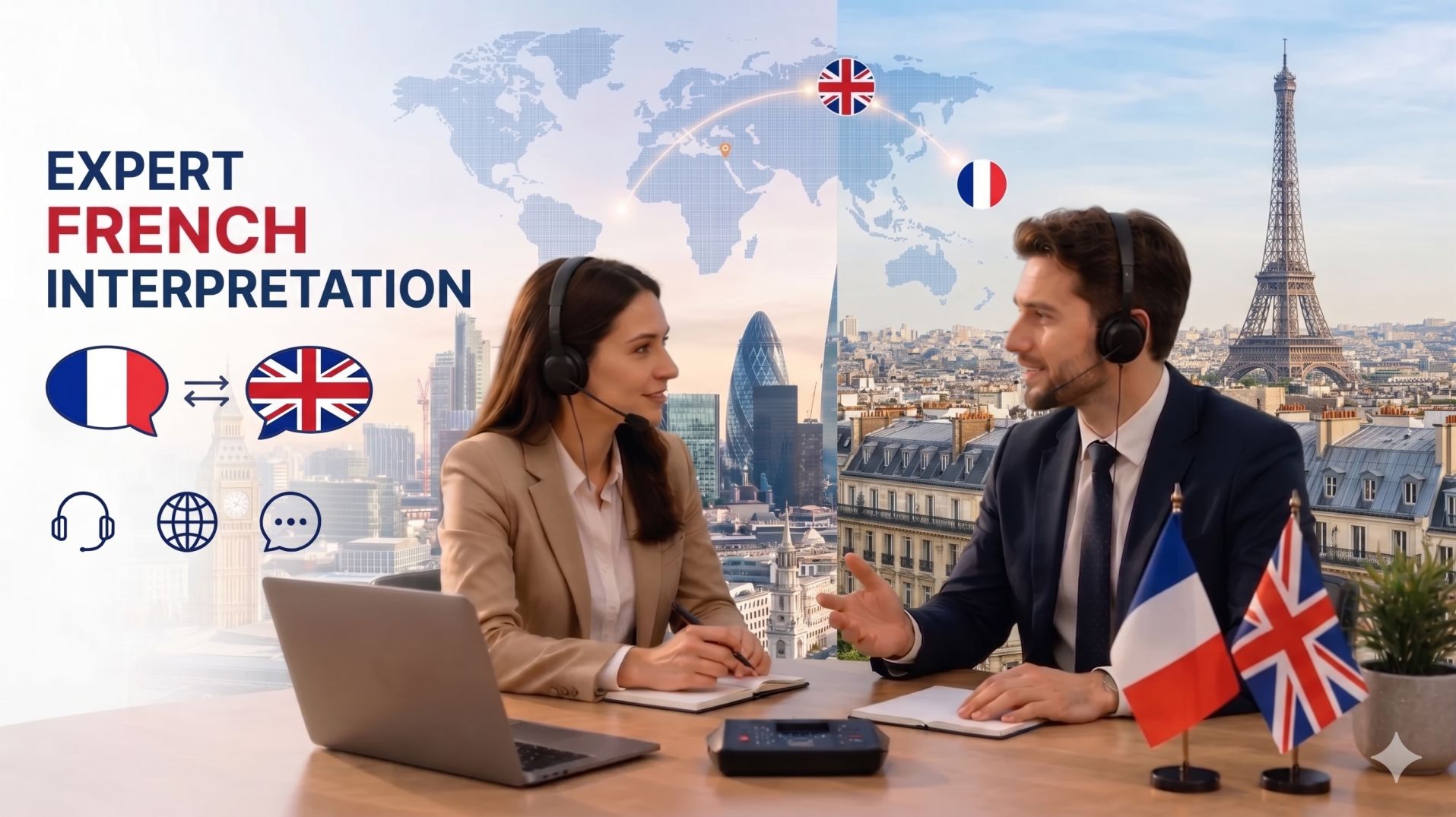
Securing a qualified French interpreter in Blaenau Gwent is paramount for effective communication across diverse sectors, from legal proceedings and healthcare consultations to business negotiations and public services within the United Kingdom. The demand for accurate and culturally sensitive interpretation services is driven by the increasing interconnectedness of our society and the vital need for clear dialogue, particularly when navigating complex legal frameworks, critical healthcare decisions, or sensitive immigration matters. For residents and businesses in Blaenau Gwent, access to professional interpreters ensures that language barriers do not impede access to justice, essential medical care, or economic opportunities. This is particularly relevant when engaging with key NHS providers such as Aneurin Bevan University Health Board, which serves the region, and understanding the nuances of UK legislation and professional standards. Ensuring equitable access to services for all individuals, regardless of their linguistic background, is a cornerstone of UK public policy and a critical component of maintaining trust and efficiency in public and private sector operations. The availability of skilled French interpreters is not merely a convenience but a necessity for upholding the principles of fairness, safety, and inclusivity that define the UK’s professional landscape.
Translation vs Interpretation
While often used interchangeably in casual conversation, translation and interpretation are distinct disciplines, each requiring specialised skills and methodologies. Understanding this difference is crucial when seeking linguistic support, particularly for a French translator in Blaenau Gwent or for interpreting services. Interpretation involves the real-time, oral conversion of spoken or signed language from one language to another. This demands exceptional listening comprehension, immediate recall, and the ability to convey meaning, tone, and nuance accurately and instantaneously. Interpreters work with live communication, whether in person, over the phone, or via video conference, and must possess a deep understanding of cultural contexts to ensure messages are received as intended. Professional interpreters are often accredited by bodies such as the National Register of Public Service Interpreters (NRPSI), adhering to strict codes of conduct and ethical standards. Conversely, translation deals with the conversion of written text from a source language to a target language. This process allows for more time for research, drafting, and revision, enabling translators to focus on linguistic precision, stylistic consistency, and the accurate rendering of complex terminology. Both professions are vital, but their application differs significantly depending on the communication context. For instance, a legal document might require translation, while a court hearing necessitates interpretation.
Legal Defence, Immigration, and Courtroom Interpretation
The UK’s justice system, administered by His Majesty’s Courts and Tribunals Service (HMCTS), operates on the fundamental principle of fairness and equal access to justice for all. This principle is significantly challenged when language barriers exist. For individuals involved in legal proceedings in or around Blaenau Gwent, whether as defendants, witnesses, or victims, the presence of a qualified French interpreter is not just beneficial but often a legal requirement. HMCTS mandates the provision of interpreters to ensure that all parties understand the proceedings and can participate effectively. This is particularly critical in criminal cases, civil litigation, family law matters, and administrative hearings before tribunals. The His Majesty’s Courts and Tribunals Service (HMCTS) works with accredited interpreters to guarantee impartiality and accuracy. Professional bodies like the NRPSI and the Diploma in Public Service Interpreting (DPSI) set rigorous standards for interpreters working within the legal domain. These standards ensure interpreters possess the necessary linguistic proficiency, subject matter knowledge, and ethical grounding to handle sensitive legal discussions. In immigration matters, overseen by the Home Office and its UK Visas and Immigration (UKVI) department, accurate interpretation is vital for asylum claims, visa applications, and appeals heard at the First-tier Immigration Tribunal. Misunderstandings can have profound consequences, impacting individuals’ rights and futures. Therefore, engaging a certified French interpreter ensures that all evidence and testimony are accurately conveyed, upholding the integrity of the legal process and the rights of individuals interacting with the UK’s immigration system. The Royal Courts of Justice and other judicial centres across the UK rely on these professionals to facilitate justice.
Healthcare and NHS Patient Safety
Patient safety and effective communication are paramount within the National Health Service (NHS). In Blaenau Gwent, where residents rely on services provided by trusts like Aneurin Bevan University Health Board, ensuring that patients who speak French can fully understand their medical conditions, treatment options, and care plans is a critical responsibility. The NHS England Language Access guidelines, and indeed Welsh NHS equivalents, stipulate that healthcare providers must take all reasonable steps to provide interpretation and translation services to ensure equitable access to care. A qualified French interpreter facilitates essential communication between patients and clinicians, enabling informed consent, accurate diagnosis, and adherence to treatment regimens. Without professional interpretation, patients are at risk of receiving suboptimal care, experiencing adverse events, or feeling disempowered and anxious. The Care Quality Commission (CQC), the independent regulator of health and social care services in England, also highlights the importance of effective communication in ensuring high-quality patient care. Compliance with UK GDPR is also essential, ensuring that patient confidentiality is maintained during interpretation sessions. Professional interpreters working within the NHS are trained to handle sensitive medical terminology and understand the cultural nuances that can affect patient-doctor relationships. Engaging a French interpreter for appointments at local GP practices, hospitals, or community health services in Blaenau Gwent ensures that language is not a barrier to receiving the best possible healthcare, aligning with the UK’s commitment to accessible and high-quality medical services for all.
Technical Interpretation Modalities
The effectiveness of interpretation hinges on selecting the appropriate modality for the specific situation. Professional French interpreters in Blaenau Gwent and across the UK are proficient in various techniques, each suited to different communication environments. Simultaneous interpretation is perhaps the most demanding, requiring the interpreter to listen, process, and speak in the target language with minimal delay, often using specialised equipment like booths and headsets. This is common in large conferences, international meetings, and parliamentary sessions where multiple languages are spoken concurrently. Consecutive interpretation involves the interpreter listening to a segment of speech, then rendering it into the target language once the speaker has finished. This is suitable for smaller meetings, one-on-one discussions, and legal depositions where note-taking is possible. Escort interpretation, also known as liaison interpretation, facilitates communication between two or more parties speaking different languages in informal settings, such as business meetings, site visits, or social gatherings. The interpreter acts as a bridge, ensuring smooth dialogue and cultural understanding. Increasingly, remote interpretation (also known as Video Remote Interpreting – VRI, or Over-the-Phone Interpreting – OPI) is being utilised. This modality allows interpreters to connect with clients via telephone or video conferencing platforms, offering flexibility and cost-effectiveness for situations where in-person interpretation is not feasible or necessary. Each modality requires a distinct skill set and preparation, and professional interpreters are adept at deploying the right technique to ensure clarity and accuracy, whether for a corporate negotiation or a sensitive medical consultation within the UK context.
Economic and Social Fabric of Blaenau Gwent
Blaenau Gwent, a borough in South Wales, possesses a rich industrial heritage and is undergoing economic diversification, presenting unique opportunities and challenges for communication. The presence of a skilled French interpreter can significantly support various facets of its local economy and social infrastructure.
Corporate/Industry
As Blaenau Gwent attracts new investment and businesses, particularly in sectors seeking to leverage its strategic location and skilled workforce, the need for professional French translation and interpretation services grows. International companies looking to establish operations, engage with local suppliers, or manage a multilingual workforce require accurate communication. This includes translating technical manuals, business proposals, marketing materials, and facilitating meetings between French-speaking executives and their UK counterparts. Adherence to UK business standards and regulations is crucial, and clear communication ensures smooth integration and compliance. Professional interpreters and translators, often certified by bodies like the Chartered Institute of Linguists (CIOL), play a vital role in fostering these international business relationships.
Tourism
While Blaenau Gwent is not traditionally a major tourist destination, its unique industrial history, natural landscapes, and cultural heritage offer potential for growth in niche tourism markets. French-speaking tourists visiting the area, whether for heritage sites, outdoor activities, or exploring Welsh culture, benefit from accessible information and services. Providing translated visitor information, multilingual signage, and interpretation services for guided tours can enhance the visitor experience, encouraging repeat visits and positive word-of-mouth referrals within the UK tourism sector.
Legal Infrastructure
The local legal infrastructure in and around Blaenau Gwent, encompassing solicitors’ offices, legal aid services, and proximity to HMCTS facilities, requires robust language support. French-speaking individuals involved in legal matters, from property transactions to family disputes or criminal defence, need access to accredited interpreters. This ensures they can fully understand legal advice, court proceedings, and documentation, upholding their rights within the UK legal system. The availability of qualified French interpreters is essential for the smooth functioning of local legal services and ensuring access to justice.
NHS Healthcare
As previously highlighted, the healthcare sector is a critical area where interpretation services are indispensable. For the residents of Blaenau Gwent served by the Aneurin Bevan University Health Board, access to French interpretation ensures that medical consultations, hospital admissions, and public health information are clearly understood. This is vital for patient safety, effective treatment, and maintaining trust between patients and the NHS. Adherence to NHS guidelines on language access and UK GDPR is paramount.
Local Infrastructure and Transport
Blaenau Gwent’s infrastructure, including its transport networks, plays a role in facilitating access to services. While the borough is primarily served by road networks, with connections to major routes like the A465 Heads of the Valleys road, understanding local transport options is key for both residents and visitors needing to reach interpretation services or engage with public bodies. The availability of remote interpretation services further mitigates geographical barriers, allowing individuals to access linguistic support regardless of their location within Blaenau Gwent or further afield in the UK. For businesses and public services, understanding how to integrate interpretation services into their operations, whether through on-site provision or remote solutions, is crucial for effective engagement with the French-speaking community and international partners. The Blaenau Gwent Council provides essential local services, and ensuring these are accessible to all residents, including those who speak French, is a key objective.
In conclusion, the need for a professional French interpreter in Blaenau Gwent is multifaceted, underpinning access to justice, healthcare, and economic participation within the UK. Engaging certified and experienced interpreters ensures that language is a bridge, not a barrier, facilitating clear, accurate, and culturally appropriate communication across all sectors. Whether for legal proceedings before HMCTS, critical consultations within the NHS, or vital business interactions, investing in professional interpretation services is an investment in fairness, safety, and success.