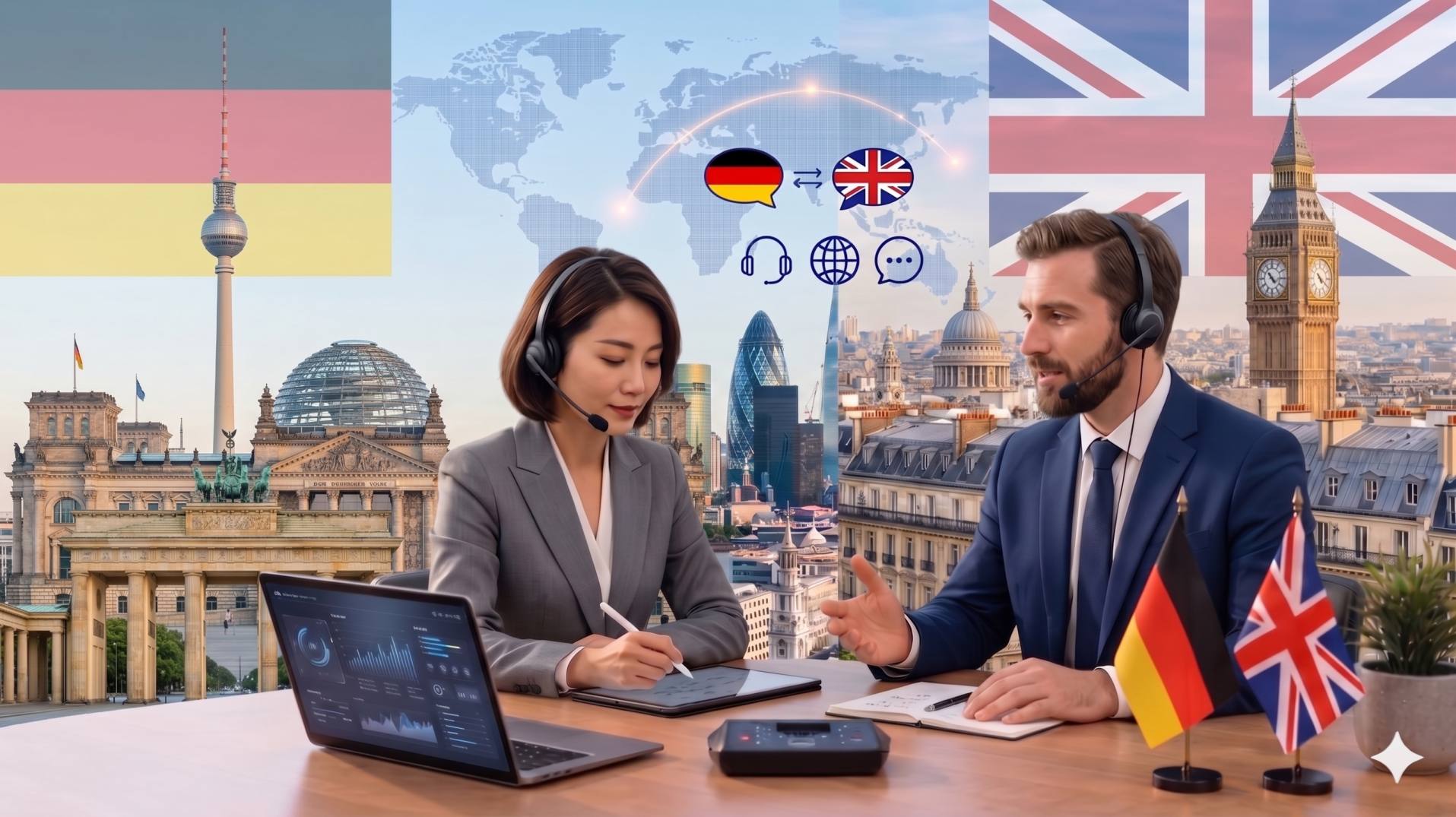
Securing a qualified French interpreter in Burnley town is paramount for effective communication across diverse sectors within the United Kingdom. Whether navigating the complexities of His Majesty’s Courts and Tribunals Service (HMCTS), ensuring patient safety within the National Health Service (NHS) by engaging with trusts such as the Lancashire and South Cumbria NHS Foundation Trust or the East Lancashire Hospitals NHS Trust, or facilitating international business dealings, the need for precise linguistic services cannot be overstated. This guide explores the critical role of professional interpreters and translators in Burnley town, highlighting their importance in upholding legal standards, ensuring healthcare accessibility, and supporting the local economy, all within the framework of UK regulations and institutions.
Translation vs Interpretation
While often used interchangeably, translation and interpretation are distinct linguistic disciplines, each requiring specialised skills and adhering to different professional standards. A French translator in Burnley town works with written text, converting documents, reports, websites, and other written materials from French to English or vice versa. This process demands meticulous attention to detail, a deep understanding of subject-specific terminology, and the ability to convey nuance and tone accurately in the target language. Professional translators often specialise in fields such as legal, medical, technical, or financial translation, ensuring that the translated content is not only linguistically correct but also contextually appropriate and legally compliant within the UK. Certification from bodies like the Chartered Institute of Linguists (CIOL) is a strong indicator of professional competence.
In contrast, interpretation involves facilitating spoken communication in real-time. A French interpreter in Burnley town enables direct dialogue between individuals who do not share a common language. This requires not only fluency in both French and English but also exceptional listening skills, memory retention, cultural awareness, and the ability to convey meaning accurately and instantaneously. The interpreter must remain neutral and objective, ensuring that the message is transmitted faithfully without adding or omitting information. Professional interpreters often hold qualifications recognised by bodies such as the National Register of Public Service Interpreters (NRPSI) or have achieved the Diploma in Public Service Interpreting (DPSI), demonstrating their proficiency in public service settings, including legal and healthcare environments.
Legal Defence, Immigration, and Courtroom Interpretation
The UK’s legal system, governed by institutions like His Majesty’s Courts and Tribunals Service (HMCTS), relies heavily on accurate interpretation to ensure justice is served. For individuals involved in legal proceedings in Burnley town or elsewhere in the UK, access to a qualified French interpreter in Burnley town is a fundamental right. This is particularly critical in criminal and civil courts, where misunderstandings can have severe consequences. Interpreters working within the legal sphere must possess a thorough understanding of legal terminology, courtroom etiquette, and the specific procedures of HMCTS. They must adhere to strict codes of conduct, often regulated by bodies such as the NRPSI, to maintain impartiality and confidentiality.
Immigration law is another area where expert interpretation is indispensable. The UK Visas and Immigration (UKVI) department, part of the Home Office, processes numerous applications and conducts interviews where French speakers may require assistance. The First-tier Immigration Tribunal also hears appeals, and effective communication is vital for both applicants and the tribunal. A professional French interpreter in Burnley town can facilitate these crucial interactions, ensuring that all parties understand the proceedings, evidence, and decisions. This not only upholds the principles of natural justice but also contributes to the efficiency of the immigration system. The His Majesty’s Courts and Tribunals Service (HMCTS) mandates the use of qualified interpreters to ensure fair hearings, and compliance with these standards is essential for legal professionals and service providers.
Healthcare and NHS Patient Safety
Patient safety and effective communication are cornerstones of the UK’s National Health Service (NHS). In Burnley town, the Lancashire and South Cumbria NHS Foundation Trust and the East Lancashire Hospitals NHS Trust, along with other healthcare providers, are committed to providing accessible care to all patients, regardless of their language. For French-speaking patients, accessing vital medical information, discussing symptoms, understanding diagnoses, and consenting to treatments requires the services of a skilled medical interpreter. These interpreters must not only be fluent in French and English but also possess a deep understanding of medical terminology and the sensitive nature of healthcare interactions.
Adherence to NHS England’s Language Access guidelines and the UK General Data Protection Regulation (UK GDPR) is critical. Interpreters must maintain strict confidentiality regarding patient information, ensuring that sensitive data is protected. The Care Quality Commission (CQC), which monitors and rates health and social care services, also emphasises the importance of effective communication in ensuring high-quality patient care. Professional interpreters, often registered with bodies like the NRPSI or holding qualifications such as the DPSI, are essential in bridging language barriers, preventing misdiagnoses, ensuring informed consent, and ultimately enhancing patient outcomes within the NHS. Engaging a certified French interpreter in Burnley town is therefore not merely a matter of convenience but a critical component of patient safety and equitable healthcare provision.
Technical Interpretation Modalities
The nature of the communication dictates the interpretation modality required. For a French interpreter in Burnley town, understanding these different modes is crucial for providing the most effective service. Simultaneous interpretation is commonly used in conferences, large meetings, or court proceedings where speakers talk continuously. The interpreter, often working from a soundproof booth with specialised equipment, listens to the speaker through headphones and interprets into a microphone simultaneously, with only a few seconds’ delay. This requires intense concentration and rapid processing skills.
Consecutive interpretation is typically employed in smaller settings, such as one-on-one meetings, interviews, or medical consultations. The interpreter listens to a segment of speech, pauses, and then renders the message in the target language. This allows for a more deliberate and precise rendition of the message, often used when detailed accuracy is paramount. Escort interpretation, also known as liaison interpretation, facilitates communication between two or more parties who speak different languages during social or business interactions, such as factory tours, site visits, or informal meetings. The interpreter acts as a bridge, ensuring smooth conversation flow. Increasingly, remote interpretation services are becoming prevalent, utilising telephone or video conferencing platforms. This modality offers flexibility and cost-effectiveness, allowing clients to access interpreters from anywhere, provided they have reliable internet access and appropriate technology. Professional interpreters are adept at adapting their skills to suit the specific requirements of each modality, ensuring clarity and accuracy regardless of the context.
Economic and Social Fabric of Burnley town
Burnley town, with its rich industrial heritage and evolving economic landscape, presents a dynamic environment where linguistic services play a vital role. The presence of a skilled French interpreter in Burnley town supports the town’s engagement with international markets and its diverse community.
Corporate and Industry
Burnley’s industrial base, historically strong in textiles and now diversifying into advanced manufacturing, aerospace, and digital sectors, increasingly interacts with international partners. Businesses seeking to export goods, secure foreign investment, or collaborate on research and development projects often require French language support. This can range from translating technical manuals and marketing materials to facilitating negotiations and international client meetings. Professional translation and interpretation services ensure that UK businesses can compete effectively on the global stage, fostering economic growth and creating opportunities within Burnley.
Tourism
While perhaps not as prominent as some larger cities, Burnley and its surrounding areas possess attractions that draw international visitors. The town’s heritage sites, natural beauty, and cultural events can attract French-speaking tourists. Providing information in French, whether through translated brochures, website content, or on-site interpretation services, enhances the visitor experience, encouraging tourism and contributing to the local economy. A professional French translator in Burnley town can ensure that promotional materials are accurate and appealing to French-speaking travellers.
Legal Infrastructure
Burnley has a well-established legal infrastructure, including local law firms and access to HMCTS facilities. These legal entities frequently encounter clients or deal with matters involving French speakers. Whether it’s assisting individuals with legal queries, handling cross-border disputes, or facilitating communication in family law or criminal defence cases, the availability of qualified French legal interpreters and translators is essential. This ensures that all parties have access to justice and that legal processes are conducted fairly and transparently, adhering to UK legal standards.
NHS Healthcare
As previously highlighted, the NHS is a significant employer and service provider in Burnley. The commitment to equitable access to healthcare means that French-speaking residents and visitors must be able to communicate effectively with healthcare professionals. This requires readily available medical interpretation services, ensuring that diagnoses, treatment plans, and patient advice are clearly understood. The integration of professional interpreters into the healthcare system, supported by trusts like the Lancashire and South Cumbria NHS Foundation Trust, is crucial for patient well-being and adherence to treatment protocols, aligning with the standards set by NHS England and the CQC.
Local Infrastructure and Transport
Burnley’s infrastructure, including its transport links, plays a role in facilitating access to essential services and economic opportunities. The town is served by a network of roads and public transport, connecting it to the wider Lancashire region and beyond. For businesses and individuals requiring interpretation or translation services, the accessibility of these services within Burnley town is key. Professional interpreters and translators often operate remotely or can travel to client locations, utilising the local transport infrastructure. Reliable communication channels, supported by professional linguistic services, are integral to the smooth functioning of both the public and private sectors in Burnley, ensuring that language barriers do not impede access to services or economic participation.
In conclusion, the demand for a professional French interpreter in Burnley town is driven by the multifaceted needs of its legal, healthcare, and business sectors. Ensuring access to qualified linguistic professionals is not merely a service but a fundamental requirement for upholding justice, ensuring patient safety, and fostering economic prosperity within the UK’s regulatory framework. Engaging certified interpreters and translators guarantees accuracy, cultural understanding, and adherence to the highest professional standards, benefiting both individuals and institutions across Burnley and the nation.