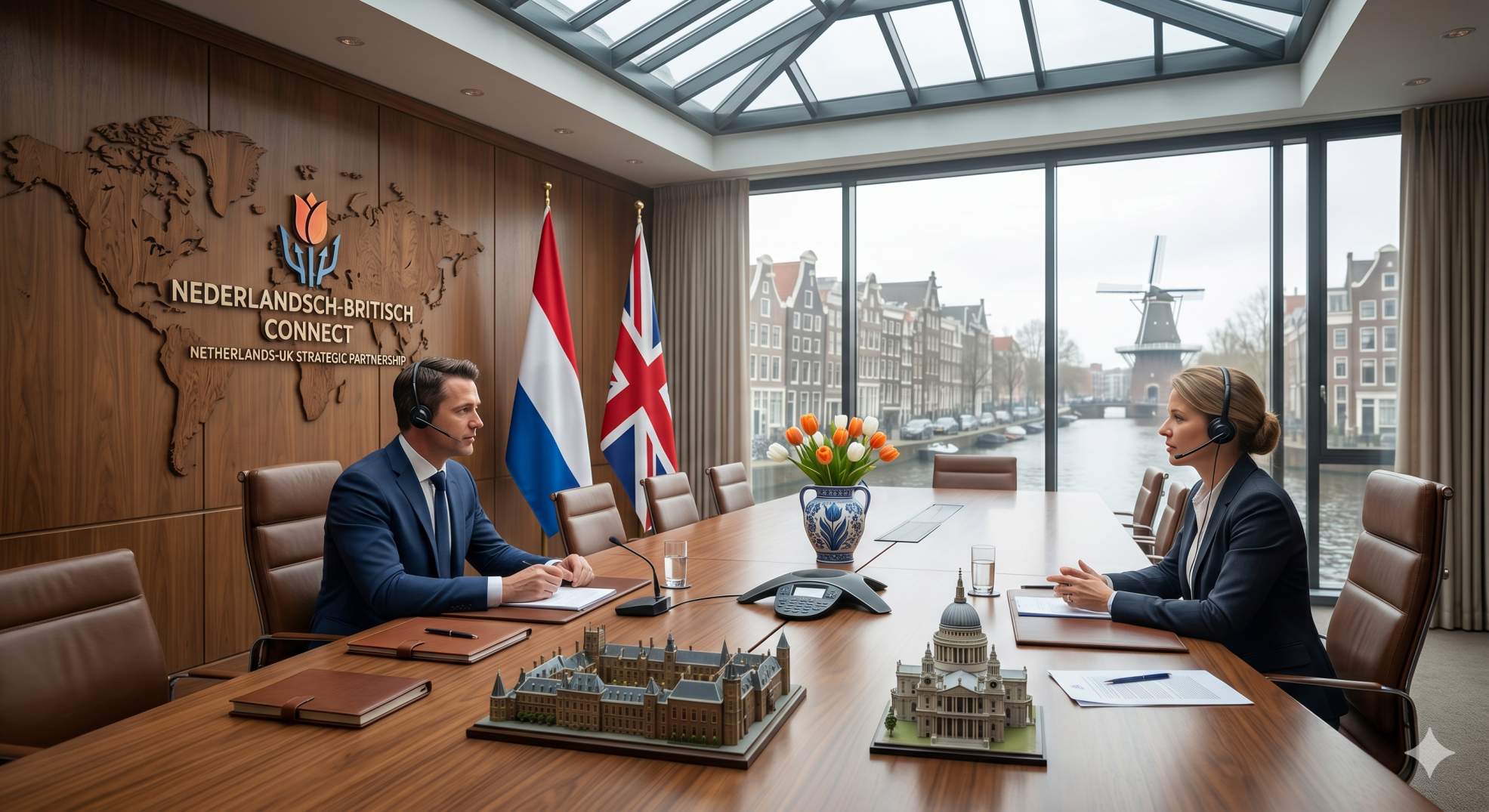
Securing a qualified French interpreter in Caerphilly is paramount for effective communication across diverse professional sectors in the United Kingdom. Whether engaging with His Majesty’s Courts and Tribunals Service (HMCTS), navigating complex healthcare scenarios within the NHS, or facilitating international business dealings, the need for precise and culturally nuanced interpretation is undeniable. Caerphilly, a vibrant town in South Wales, is served by key NHS trusts that ensure local residents receive comprehensive care. These include the Aneurin Bevan University Health Board and the Cardiff and Vale University Health Board, both of which operate under stringent UK healthcare standards and are committed to providing accessible services, including language support when required. This commitment extends to ensuring that all patients, regardless of their linguistic background, can fully understand and participate in their medical care, adhering to the principles of patient safety and informed consent mandated by NHS England and regulated by the Care Quality Commission (CQC).
Translation vs Interpretation
While often used interchangeably, translation and interpretation are distinct linguistic disciplines, each requiring a unique skill set and adhering to different professional standards. Understanding this difference is crucial when seeking linguistic support for your needs in Caerphilly. Interpretation involves the live, oral conversion of spoken or signed language from one language to another. This requires not only a deep understanding of both the source and target languages but also exceptional listening skills, memory, and the ability to think quickly under pressure. A professional French interpreter in Caerphilly must be adept at conveying not just the words, but also the tone, intent, and cultural context of the speaker. This is particularly vital in high-stakes environments such as legal proceedings or medical consultations, where misinterpretation can have severe consequences. Conversely, translation deals with the written word, converting text from one language to another. This process allows for more time for research, editing, and proofreading, ensuring accuracy and fidelity to the original document. For official documents, legal contracts, or medical reports in Caerphilly, a certified French translator is essential. The distinction is critical for corporate buyers, legal professionals, and healthcare providers who must ensure they engage the correct linguistic professional for their specific requirements. For instance, a legal firm might require a French translator for case files and a French interpreter for client interviews or court appearances. Similarly, a business looking to expand into French-speaking markets might need a French translator for marketing materials and a French interpreter for negotiations or conferences. The professional standards for interpreters are often governed by bodies like the National Register of Public Service Interpreters (NRPSI) or the Institute of Translation and Interpreting (ITI), ensuring a high level of competence and ethical conduct. A skilled French translator in Caerphilly, on the other hand, would typically be accredited by professional bodies such as the Chartered Institute of Linguists (CIOL) or the International Association of Professional Translators and Interpreters (IAPTI).
Legal Defence, Immigration, and Courtroom Interpretation
The UK’s legal system, governed by His Majesty’s Courts and Tribunals Service (HMCTS), places a significant emphasis on fairness and access to justice for all individuals, irrespective of their language proficiency. For French speakers involved in legal matters in or around Caerphilly, the provision of qualified interpreters is not merely a convenience but a fundamental right. This applies to a wide spectrum of legal proceedings, from criminal defence cases heard at the Magistrates’ Court to civil disputes before the County Court, and complex appeals that may reach the High Court or even the Supreme Court. The accuracy and impartiality of an interpreter are critical in ensuring that evidence is presented correctly, witness testimonies are understood fully, and legal advice is comprehended by the client. Failure to provide adequate interpretation can lead to miscarriages of justice, with potentially devastating consequences for the individuals involved. Professional interpreters working within the UK legal framework must adhere to strict codes of conduct, often requiring certification from recognised bodies such as the NRPSI or holding qualifications like the Diploma in Public Service Interpreting (DPSI). These qualifications ensure that interpreters possess the necessary linguistic skills, ethical understanding, and knowledge of legal terminology and procedures specific to the UK. For immigration matters, which fall under the purview of the Home Office and the UK Visas and Immigration (UKVI) department, French interpreters play a vital role. Whether assisting individuals with asylum claims, visa applications, or appeals before the First-tier Immigration Tribunal, accurate interpretation ensures that the applicant’s case is presented clearly and without distortion. The Royal Courts of Justice and other tribunals rely on the expertise of these professionals to uphold the principles of natural justice. Engaging a certified French interpreter ensures compliance with the stringent requirements set by HMCTS and the Home Office, safeguarding the integrity of the legal process and promoting confidence in the UK’s justice system. The availability of skilled interpreters is a cornerstone of a fair and equitable legal system, ensuring that language barriers do not impede access to justice for French-speaking individuals within Caerphilly and across the UK.
Healthcare and NHS Patient Safety
Patient safety and effective communication are cornerstones of the National Health Service (NHS) in the UK. For French-speaking patients in Caerphilly, accessing healthcare services requires clear and accurate communication, which is facilitated by professional medical interpreters. The NHS operates under strict guidelines, including those set by NHS England and regulated by the Care Quality Commission (CQC), to ensure that all patients receive high-quality care. Language barriers can pose significant risks to patient safety, potentially leading to misdiagnosis, incorrect treatment, or adverse drug reactions. Therefore, the provision of qualified medical interpreters is a critical component of healthcare delivery. Interpreters working within the NHS must possess not only advanced linguistic skills but also a thorough understanding of medical terminology, ethical considerations, and the specific cultural nuances that may influence a patient’s understanding of their health condition and treatment options. They must adhere to the principles of confidentiality, impartiality, and accuracy, as outlined in the NHS Language Access guidelines and UK GDPR regulations, which govern the handling of sensitive personal data. The Aneurin Bevan University Health Board and the Cardiff and Vale University Health Board, serving the Caerphilly area, are committed to meeting the diverse linguistic needs of their patient populations. This commitment involves ensuring that interpreters are available for consultations, diagnostic procedures, and emergency situations. Professional bodies such as the NRPSI play a role in accrediting interpreters who meet the rigorous standards required for public service roles, including those within the NHS. Engaging a certified French medical interpreter ensures that French-speaking patients can fully participate in their healthcare decisions, understand treatment plans, and provide accurate information to their clinicians, thereby enhancing patient safety and improving health outcomes. The professional standards expected of these interpreters are high, reflecting the critical nature of their role in maintaining the quality and accessibility of NHS services for all.
Technical Interpretation Modalities
The effective delivery of interpretation services in Caerphilly, particularly in professional settings, relies on understanding and deploying various technical modalities. The choice of modality depends heavily on the context, the number of participants, and the specific communication requirements. Consecutive interpretation is perhaps the most common, where the interpreter listens to a segment of speech, then renders it into the target language. This is ideal for one-on-one meetings, small group discussions, or medical consultations where interaction is fluid and pauses are acceptable. For a French interpreter in Caerphilly, mastering consecutive interpretation ensures seamless dialogue in business meetings or legal client interviews. Simultaneous interpretation, on the other hand, is a highly demanding skill where the interpreter speaks almost concurrently with the source speaker, often requiring specialised equipment such as soundproof booths and headsets. This modality is essential for large conferences, international summits, or parliamentary sessions where real-time communication is critical to maintain the flow of information. A professional French interpreter employing simultaneous techniques can facilitate complex international business events held in the UK. Escort interpretation, also known as liaison interpretation, is typically used in informal settings or during business negotiations, tours, or social functions. The interpreter acts as a cultural bridge, facilitating communication between parties who do not share a common language. This often involves a more personal and flexible approach, ensuring smooth social and professional interactions. Finally, remote interpretation (also known as telephonic or video remote interpretation – VRI) has become increasingly prevalent, especially in recent years. This modality allows interpreters to provide services via telephone or video conferencing platforms, overcoming geographical barriers and offering a flexible, cost-effective solution for various scenarios, including remote medical consultations or business calls. For corporate clients and public sector organisations in Caerphilly, understanding these different interpretation modes allows for the selection of the most appropriate service, ensuring efficiency, accuracy, and successful communication outcomes. Each modality demands a specific skill set and adherence to professional standards, often overseen by bodies like the CIOL or NRPSI.
Economic and Social Fabric of Caerphilly
Caerphilly, a town with a rich industrial heritage and a forward-looking economy, presents a dynamic environment where linguistic services are increasingly vital. The town and its surrounding areas are home to a diverse range of businesses and public services, each with unique communication needs. Understanding the local economic and social landscape helps to appreciate the demand for skilled French interpreters and translators in Caerphilly.
Corporate and Industry
The economic landscape of Caerphilly and the wider South Wales region is characterised by a mix of traditional industries and emerging sectors, including advanced manufacturing, technology, and professional services. Businesses operating in these fields often engage in international trade, collaborate with overseas partners, or serve a diverse clientele. For companies in Caerphilly looking to expand into French-speaking markets or to work with French-speaking suppliers and clients, professional French interpretation and translation services are indispensable. This can range from facilitating negotiations and international sales meetings to translating technical documentation, marketing materials, and corporate communications. Adherence to UK business standards and regulatory requirements, such as those governed by Companies House and various industry-specific bodies, necessitates clear and accurate communication in all business dealings. The presence of international companies or those with significant export activities underscores the need for reliable linguistic support to maintain competitiveness and foster strong business relationships.
Tourism
Caerphilly is renowned for its iconic castle, one of the largest in Europe, attracting visitors from across the globe. While English is the primary language of tourism, the presence of French-speaking tourists necessitates the availability of linguistic services to enhance their experience. This can involve providing interpretation for guided tours, translating visitor information, or assisting in hospitality settings. Ensuring that French-speaking visitors feel welcomed and can fully engage with the local attractions contributes to the region’s tourism economy and its international reputation. Professional interpreters and translators can bridge cultural divides, making local heritage and attractions more accessible to a wider audience.
Legal Infrastructure
The legal infrastructure serving Caerphilly, under the purview of His Majesty’s Courts and Tribunals Service (HMCTS), requires robust linguistic support to ensure access to justice for all. French-speaking individuals involved in legal proceedings, whether as defendants, witnesses, or parties in civil disputes, rely on qualified interpreters. This includes matters before the local Magistrates’ Court, County Court, and potentially higher tribunals. The need for accurate interpretation in legal contexts is paramount, ensuring that proceedings are fair and that all parties understand their rights and obligations under UK law. Law firms in Caerphilly and the surrounding areas may also require French translation services for case files, contracts, and client communications, particularly if they have international clients or deal with cross-border legal issues. The professional standards set by bodies like the NRPSI are crucial in maintaining the integrity of these legal services.
NHS Healthcare
As mentioned previously, the NHS trusts serving Caerphilly, such as Aneurin Bevan University Health Board and Cardiff and Vale University Health Board, are committed to providing equitable healthcare to all residents. For the French-speaking population, this means ensuring access to qualified medical interpreters. Whether for routine appointments, specialist consultations, or emergency care, clear communication is vital for patient safety and effective treatment. The CQC’s oversight and NHS England’s guidelines on language access highlight the importance of these services. Professional medical interpreters ensure that patients can articulate their symptoms, understand diagnoses, and consent to treatments, thereby upholding the high standards of care expected within the UK’s healthcare system and adhering to UK GDPR principles for data protection.
Local Infrastructure and Transport
Caerphilly benefits from a well-developed local infrastructure that supports both its residents and its economic activities. The town is connected via a network of roads, including the A469 and A470, facilitating transport within the region and to major cities like Cardiff and Newport. Public transport options, including a regular train service to Cardiff Central and other key destinations, further enhance connectivity. For businesses requiring interpretation services, this robust transport network ensures that interpreters can reach meeting venues, courts, or hospitals efficiently. Remote interpretation services also leverage modern communication infrastructure, making geographical location less of a barrier. The presence of reliable internet services and telecommunications networks is crucial for the effective delivery of remote interpretation, supporting businesses and public services in Caerphilly to maintain seamless communication channels. The accessibility of Caerphilly, both physically and digitally, underpins the smooth operation of its professional services sector, including the provision of essential linguistic support.
In conclusion, the demand for a professional French interpreter in Caerphilly is driven by the town’s diverse economic activities, its role within the UK’s legal and healthcare systems, and its position as a community serving both local residents and international visitors. Ensuring access to qualified, certified interpreters is not merely a matter of convenience but a fundamental requirement for upholding justice, ensuring patient safety, fostering business relationships, and promoting social inclusion within the United Kingdom. Organisations requiring these critical services are encouraged to engage with accredited professionals who adhere to the stringent standards set by UK professional bodies, thereby guaranteeing accuracy, confidentiality, and cultural sensitivity in all communication.