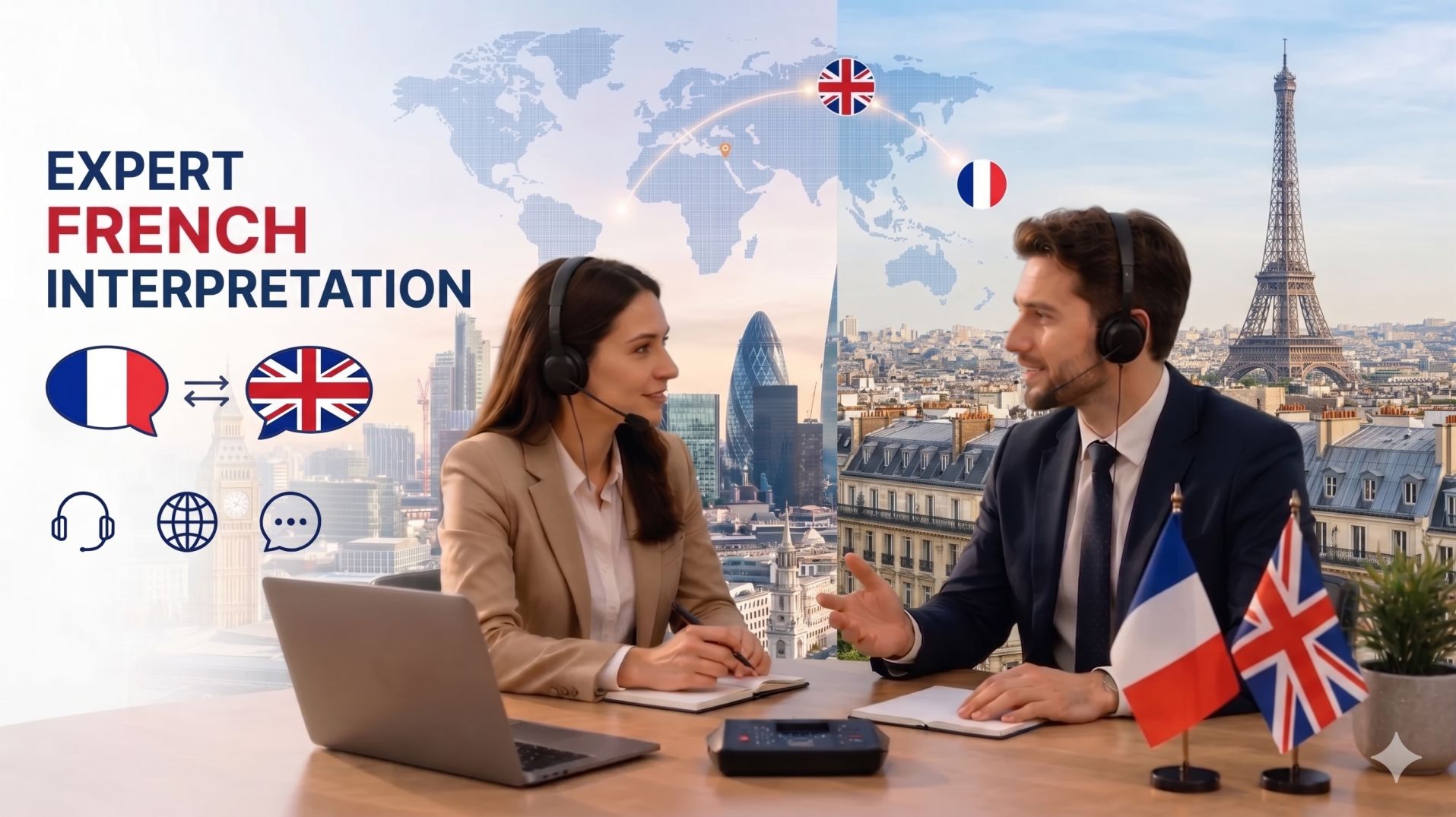
Securing a qualified French interpreter in Clackmannanshire is paramount for ensuring clear communication and access to essential services across various sectors in the United Kingdom. Whether navigating the complexities of the UK legal system, accessing vital healthcare through the NHS, or engaging in international business, the need for precise and culturally sensitive interpretation cannot be overstated. Clackmannanshire, a region with its own unique economic landscape, relies on robust communication channels to foster growth and inclusivity. For those requiring professional linguistic support, particularly within the NHS, services are often provided by trusts such as NHS Fife and NHS 24, which cover the broader Forth Valley and Fife areas, ensuring that language barriers do not impede patient care or access to information. These services are underpinned by stringent UK standards and regulations designed to protect patient confidentiality and facilitate effective communication.
Translation vs Interpretation
While often used interchangeably, translation and interpretation are distinct linguistic disciplines, each requiring specialised skills and adherence to professional standards. A French translator in Clackmannanshire works with written text, converting documents, reports, websites, and other written materials from French to English or vice versa. This process demands a deep understanding of grammar, syntax, cultural nuances, and subject-specific terminology to ensure accuracy and fidelity to the original meaning. Translators typically work remotely and have more time to research and refine their output. In contrast, a French interpreter in Clackmannanshire facilitates spoken communication in real-time. This involves listening to a speaker in one language and rendering their message accurately and fluently in another. The interpreter must possess exceptional listening skills, a strong command of both languages, and the ability to think quickly under pressure. Professional interpreters in the UK are often accredited by bodies such as the National Register of Public Service Interpreters (NRPSI) or hold qualifications like the Diploma in Public Service Interpreting (DPSI), ensuring a high standard of competence, particularly in legal and public service contexts. The choice between translation and interpretation depends entirely on the communication need: written materials require translation, while live spoken interactions necessitate interpretation.
Legal Defence, Immigration, and Courtroom Interpretation
The UK’s justice system, administered by His Majesty’s Courts and Tribunals Service (HMCTS), places a significant emphasis on ensuring that all parties, regardless of their linguistic background, have access to justice. For individuals involved in legal proceedings in or around Clackmannanshire, the availability of a qualified French interpreter in Clackmannanshire is critical. This is particularly true in criminal defence cases, civil litigation, family law matters, and immigration tribunals. Interpreters working within the legal sphere must adhere to strict codes of conduct, maintaining impartiality, confidentiality, and accuracy. Professional standards are often governed by the NRPSI, which sets benchmarks for public service interpreters. In immigration cases, which frequently involve the UK Visas and Immigration (UKVI) and the First-tier Immigration Tribunal, accurate interpretation is vital for presenting evidence and understanding proceedings. Solicitors and legal professionals in Clackmannanshire often engage interpreters who are registered with the NRPSI or hold a DPSI qualification, ensuring they meet the rigorous demands of the legal sector. The Royal Courts of Justice and various county courts across the UK rely on these professionals to facilitate fair hearings. Without competent interpretation, the fundamental right to a fair trial could be compromised, making the role of the French interpreter indispensable.
Healthcare and NHS Patient Safety
Patient safety and effective communication are cornerstones of the National Health Service (NHS) in the UK. For French-speaking patients in Clackmannanshire, accessing healthcare services requires access to professional interpreters who can bridge the language gap during consultations, diagnoses, and treatment discussions. The NHS operates under strict guidelines, including those set by the Care Quality Commission (CQC) and NHS England’s Language Access guidelines, which mandate that healthcare providers must ensure effective communication for all patients. This is crucial for obtaining informed consent, explaining complex medical information, and ensuring patients understand their treatment plans. Interpreters working within the NHS must be proficient in medical terminology and understand the ethical considerations involved, such as patient confidentiality, which is also protected under UK GDPR. Trusts serving Clackmannanshire, such as NHS Fife and NHS 24, often have established protocols for booking interpreters, ensuring that language support is available when needed. The role of a French interpreter in a clinical setting is to facilitate a two-way flow of information, enabling healthcare professionals to provide the best possible care and patients to actively participate in their own health decisions. The accuracy of medical interpretation directly impacts patient outcomes and satisfaction, making it a critical component of healthcare delivery.
Technical Interpretation Modalities
The effectiveness of interpretation services in Clackmannanshire is enhanced by the use of various technical modalities, each suited to different communication scenarios. Consecutive interpretation is commonly used in one-on-one meetings, doctor’s appointments, or small group discussions. The interpreter listens to a segment of speech, then delivers the interpretation while the speaker pauses. This allows for a natural flow of conversation but can extend the duration of the interaction. Simultaneous interpretation is employed in larger settings such as conferences, seminars, or formal meetings where time is a critical factor. Here, the interpreter speaks almost concurrently with the speaker, often using specialised equipment like booths and headsets. This requires a high level of concentration and skill. Escort interpretation, also known as liaison interpretation, is used for business meetings, site visits, or social functions. The interpreter acts as a cultural and linguistic bridge between parties, facilitating smoother interactions. Finally, remote interpretation, including telephone interpreting and video remote interpreting (VRI), has become increasingly prevalent. This modality offers flexibility and cost-effectiveness, allowing access to interpreters regardless of geographical location. For businesses and public services in Clackmannanshire, understanding these different modes enables them to select the most appropriate service for their specific needs, ensuring efficient and effective communication.
Economic and Social Fabric of Clackmannanshire
Clackmannanshire, though Scotland’s smallest traditional county, possesses a dynamic economic and social fabric that benefits significantly from robust multilingual communication. The presence of skilled French interpreters and translators supports various facets of local life and commerce.
Corporate and Industry
The region’s industrial heritage, transitioning towards modern enterprise, necessitates clear communication for international trade, partnerships, and investment. Businesses in Clackmannanshire engaging with French-speaking markets or hosting French clients require professional interpretation services for meetings, negotiations, and technical exchanges. This ensures that contracts are understood, collaborations are productive, and business relationships are built on a foundation of accurate communication. The availability of a French interpreter in Clackmannanshire can be a key differentiator for local companies seeking to expand their reach into European markets.
Tourism
Clackmannanshire boasts scenic beauty and historical sites that attract visitors from across the globe. For French-speaking tourists, having access to local information, hospitality services, and guided tours in their native language enhances their experience. While many tourism providers in the UK may offer basic multilingual support, professional interpretation can elevate the visitor experience, encouraging repeat visits and positive word-of-mouth referrals. This contributes to the local tourism economy, a vital sector for many UK communities.
Legal Infrastructure
The local legal infrastructure, including solicitors’ offices and potential interactions with HMCTS, requires reliable language support. French nationals or residents involved in legal matters within Clackmannanshire benefit immensely from interpreters accredited by bodies like the NRPSI. This ensures fair access to legal advice and representation, upholding the principles of justice within the UK legal framework.
NHS Healthcare
As previously detailed, the provision of healthcare services by NHS trusts serving Clackmannanshire is a critical area where French interpretation is essential. Ensuring that French-speaking residents can communicate effectively with healthcare professionals, understand diagnoses, and participate in treatment decisions is a matter of public health and patient welfare, aligning with the core values of the NHS.
Local Infrastructure and Transport
Effective communication is also vital for navigating the local infrastructure and transport networks in Clackmannanshire. While public transport services and local authorities strive to provide information in accessible formats, the nuances of travel arrangements, service updates, or interactions with transport officials can be challenging for those not fluent in English. Professional interpretation services can assist French speakers in understanding timetables, booking tickets, and resolving any travel-related issues. Furthermore, clear communication is essential for accessing local government services, community centres, and educational institutions, ensuring that all residents, regardless of their linguistic background, can fully participate in community life. The integration of services and infrastructure is significantly enhanced when language barriers are systematically addressed through professional interpretation.
In conclusion, the demand for a professional French interpreter in Clackmannanshire is driven by the multifaceted needs of the legal, healthcare, business, and social sectors within the UK. Ensuring access to qualified interpreters is not merely a matter of convenience but a fundamental requirement for justice, safety, and economic participation. For organisations and individuals in Clackmannanshire seeking reliable and accredited French interpretation services, engaging with professionals who adhere to UK standards is essential for achieving accurate, confidential, and effective communication.