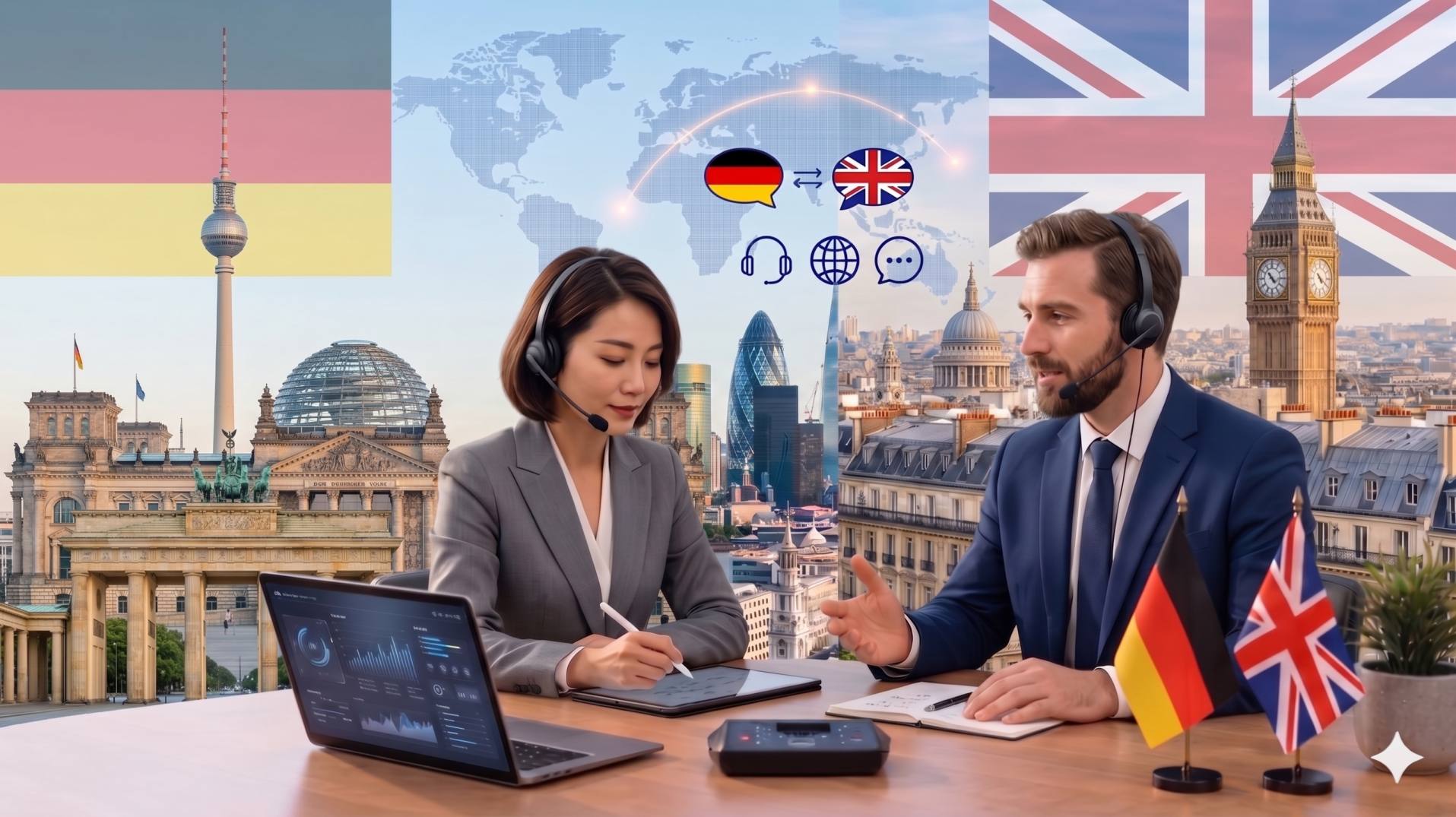
Securing a qualified French interpreter in East Dunbartonshire is paramount for effective communication across a multitude of professional sectors within the United Kingdom. Whether engaging with legal proceedings, accessing vital healthcare services, or conducting international business, the precision and cultural nuance provided by a professional interpreter are indispensable. In East Dunbartonshire, access to these critical services ensures that individuals and organisations can navigate complex environments with confidence. The local NHS trusts, such as NHS Greater Glasgow and Clyde and NHS Lothian (though Lothian is geographically distant, its services can be accessed by referral or for specific specialist needs), rely on skilled language professionals to uphold patient safety and ensure equitable access to care for all residents, irrespective of their linguistic background. This commitment to clear communication underpins the integrity of the UK’s public services and its professional landscape.
Translation vs Interpretation
While often used interchangeably, translation and interpretation are distinct disciplines, each requiring a unique skill set and adherence to professional standards. A French translator in East Dunbartonshire works with written text, converting documents, reports, websites, and other written materials from French to English or vice versa. This process demands meticulous attention to detail, an understanding of subject-specific terminology, and the ability to convey meaning accurately and stylistically in the target language. Translators often specialise in fields such as legal, medical, technical, or literary translation, ensuring that the final output is not only linguistically correct but also contextually appropriate. The Institute of Translation and Interpreting (ITI) and the Chartered Institute of Linguists (CIOL) are key professional bodies that set standards for translators in the UK.
Interpretation, on the other hand, deals with spoken language in real-time. A French interpreter in East Dunbartonshire facilitates live communication between parties who do not share a common language. This requires not only linguistic fluency but also exceptional listening skills, memory retention, cultural awareness, and the ability to think quickly and accurately under pressure. The professional standards for interpreters in the UK are rigorously maintained by organisations like the National Register of Public Service Interpreters (NRPSI) and the Diploma in Public Service Interpreting (DPSI), ensuring that interpreters working in sensitive areas like legal and healthcare settings meet the highest benchmarks of competence and ethical conduct. The accuracy of an interpreter is crucial, especially in legal and medical contexts where misunderstandings can have severe consequences. The NRPSI, for example, provides a register of qualified interpreters who have passed rigorous examinations, ensuring their suitability for public service roles. Similarly, the CIOL offers qualifications and a code of conduct for linguists, including interpreters.
Legal Defence, Immigration, and Courtroom Interpretation
The UK’s justice system, governed by His Majesty’s Courts and Tribunals Service (HMCTS), mandates the provision of qualified interpreters to ensure fair trials and access to justice for all. For individuals involved in legal proceedings in or around East Dunbartonshire, whether civil, criminal, or family law, a certified French interpreter is essential. This includes appearances before magistrates, Crown Courts, and various tribunals under the HMCTS umbrella. The accuracy and impartiality of the interpreter are critical, as misinterpretations can lead to miscarriages of justice. Professional interpreters working in this domain must adhere to strict codes of conduct, often holding qualifications such as the DPSI or being registered with the NRPSI, which signifies a commitment to ethical practice and professional competence.
Immigration law is another area where the need for expert French interpretation is acute. The UK Visas and Immigration (UKVI) section of the Home Office, along with the First-tier Immigration Tribunal, handles applications and appeals that often require detailed documentation and personal testimonies. Individuals navigating these complex processes, including asylum claims or visa applications, must be able to communicate their situation clearly. A qualified French interpreter ensures that their voice is accurately represented, upholding their rights under UK law. The Association of Translation Companies (ATC) also plays a role in setting standards for agencies that provide these vital services, ensuring that clients receive reliable and professional support. The role of the interpreter in these settings is not merely linguistic but also procedural, ensuring that all parties understand the questions, answers, and legal implications.
Healthcare and NHS Patient Safety
Patient safety and equitable access to healthcare are cornerstones of the National Health Service (NHS) in the UK. For French-speaking patients in East Dunbartonshire, accessing medical advice, consultations, and treatments requires the support of a professional French interpreter. The Care Quality Commission (CQC), the independent regulator of health and social care services in England, emphasises the importance of effective communication in ensuring high-quality care. While the CQC primarily regulates services in England, its principles regarding patient communication and safety are mirrored across the UK’s healthcare systems. NHS trusts, including those serving East Dunbartonshire, are committed to providing language support in line with NHS England’s Language Access guidelines and the principles of UK GDPR, which mandate the protection of personal data and the right to clear communication.
A skilled French interpreter in a healthcare setting ensures that patients understand diagnoses, treatment options, medication instructions, and consent forms. This is vital for informed decision-making and adherence to medical regimes. The interpreter acts as a conduit for clear communication between the patient and healthcare professionals, bridging any cultural or linguistic gaps. Professional bodies like the NRPSI and DPSI ensure that interpreters working within the NHS possess the necessary skills and ethical grounding to handle sensitive medical information with confidentiality and accuracy. The Association of Independent Language Professionals (AILP) also supports linguists working in various sectors, including healthcare, promoting best practices and professional development. Ensuring that all patients, including those who speak French, receive the same standard of care is a fundamental aspect of the NHS’s commitment to equality and non-discrimination.
Technical Interpretation Modalities
The effective delivery of interpretation services relies on selecting the appropriate modality to suit the specific context and requirements of the communication. For a French interpreter in East Dunbartonshire, understanding these different modes is crucial for providing seamless linguistic support.
- Simultaneous Interpretation: This is the most demanding form, where the interpreter conveys the message in the target language with minimal delay, often speaking into a microphone while listening to the speaker through headphones. It is commonly used in conferences, large meetings, and international summits where time is critical and multiple languages are involved. Specialist equipment, such as soundproof booths and interpretation consoles, is typically required.
- Consecutive Interpretation: In this mode, the interpreter listens to a segment of speech, then renders it into the target language after the speaker has finished. This requires excellent memory and note-taking skills (using a system like the Bosco method). Consecutive interpretation is suitable for smaller meetings, one-on-one discussions, legal depositions, and medical consultations where direct interaction between speakers is important.
- Escort Interpretation (Liaison Interpretation): This involves facilitating communication between two or more parties who speak different languages in informal settings, such as business meetings, site visits, or social events. The interpreter often travels with the client, acting as a cultural bridge and ensuring smooth dialogue. This requires a high degree of adaptability and interpersonal skills.
- Remote Interpretation (Video/Telephone): With advancements in technology, remote interpretation has become increasingly prevalent. This involves using telephone or video conferencing platforms to connect interpreters with clients. It offers flexibility and cost-effectiveness, particularly for situations where an on-site interpreter is not feasible or necessary. Services like the NRPSI offer guidance on best practices for remote interpreting to maintain quality and security.
The choice of modality depends on factors such as the number of participants, the formality of the setting, the subject matter, and the required speed of communication. Professional interpreting agencies and individual interpreters will advise clients on the most suitable option to ensure effective communication.
Economic and Social Fabric of East Dunbartonshire
East Dunbartonshire, a vibrant local authority area in Scotland, boasts a diverse economic and social landscape. Its proximity to Glasgow, coupled with its own distinct character, makes it an attractive location for businesses and residents alike. Understanding the local economic drivers and social structures is essential for businesses and organisations seeking to engage effectively within the region, often necessitating the support of professional language services, including a skilled French interpreter in East Dunbartonshire.
Corporate/Industry
The area hosts a range of businesses, from established corporations to burgeoning SMEs. Key sectors include professional services, technology, and retail. For companies operating internationally or engaging with French-speaking partners, clients, or employees, accurate communication is vital. This can range from translating marketing materials and technical documentation to providing interpretation for business meetings, negotiations, and international conferences. The presence of professional bodies like the Chartered Institute of Linguists (CIOL) underscores the importance of linguistic expertise in the UK’s professional services market, supporting businesses in their global outreach and collaboration efforts.
Tourism
East Dunbartonshire offers significant tourism potential, with attractions such as the Kilpatrick Hills, Mugdock Country Park, and historic castles. As international tourism recovers, attracting visitors from French-speaking countries requires accessible information and welcoming services. This includes translating promotional materials, website content, and providing interpretation for guided tours or hospitality staff. Ensuring that French-speaking tourists feel understood and catered for enhances their experience and encourages repeat visits, contributing to the local economy. The Scottish Government’s tourism strategies often highlight the importance of multilingualism in welcoming international visitors.
Legal Infrastructure
While East Dunbartonshire itself may not house major judicial centres, its residents and businesses interact with the broader Scottish legal system and UK-wide legal frameworks. This involves engagement with solicitors, legal firms, and potentially HMCTS. For French speakers involved in legal matters, whether as parties to a dispute, witnesses, or clients seeking advice, access to qualified French legal interpreters is non-negotiable. The standards set by the NRPSI and the availability of DPSI-qualified professionals are crucial for ensuring that legal processes are fair and transparent for all participants, upholding the principles of justice as administered by Scottish Courts and Tribunals Service and HMCTS.
NHS Healthcare
The National Health Service (NHS) is a critical service for all residents of East Dunbartonshire. The local health board, part of NHS Greater Glasgow and Clyde, provides a wide array of medical services. For French-speaking individuals, accessing these services relies heavily on the availability of competent interpreters. This ensures that patients can fully understand their health conditions, treatment options, and medical advice, thereby improving health outcomes and patient satisfaction. Adherence to UK GDPR and the CQC’s emphasis on patient communication highlights the essential role of professional interpreters in maintaining the quality and equity of healthcare provision across the UK.
Local Infrastructure and Transport
East Dunbartonshire benefits from robust infrastructure and transport links, facilitating both local and national connectivity. The area is served by a network of roads, including proximity to major motorways, and a reliable rail service connecting communities to Glasgow and Stirling. This well-developed infrastructure supports the movement of people and goods, essential for businesses operating within the region. For international businesses or individuals requiring interpretation services, the ease of access to East Dunbartonshire, combined with the availability of professional interpreters, makes it a practical location for meetings, consultations, and events. The presence of skilled linguists ensures that communication barriers do not impede the flow of business or access to essential services within this well-connected Scottish locale.
The commitment to providing high-quality interpretation services, whether for legal, medical, or commercial purposes, is a testament to the UK’s dedication to inclusivity and effective communication. For any organisation or individual requiring a French interpreter in East Dunbartonshire, engaging with certified professionals ensures accuracy, confidentiality, and adherence to the highest standards of practice. This is crucial for navigating the complexities of the UK’s legal, healthcare, and business environments.
Conclusion
In conclusion, the need for professional language services, particularly a skilled French interpreter in East Dunbartonshire, is undeniable across various critical sectors within the UK. From ensuring justice within the courts governed by His Majesty’s Courts and Tribunals Service (HMCTS), to safeguarding patient well-being within the NHS, and facilitating seamless business interactions, the role of the interpreter is indispensable. Adherence to UK professional standards, as upheld by bodies like the NRPSI and CIOL, guarantees the quality and reliability of these services. For businesses, legal professionals, healthcare providers, and individuals in East Dunbartonshire and beyond, securing expert French interpretation is not just a matter of convenience, but a necessity for effective communication, legal compliance, and equitable access to services. We are dedicated to providing top-tier French interpretation services tailored to the specific needs of the UK market.