
Securing a qualified French interpreter in East Riding of Yorkshire is paramount for effective communication across vital sectors, including legal, healthcare, and business. In a region like the East Riding of Yorkshire, where diverse communities interact and international business links are fostered, the need for accurate and culturally sensitive language services is ever-present. This is particularly true when navigating the complexities of the UK’s legal system, the National Health Service (NHS), and commercial agreements. For instance, residents and professionals in areas served by the Hull University Teaching Hospitals NHS Trust and the York and Scarborough Teaching Hospitals NHS Foundation Trust, both of which have a significant presence and impact within the East Riding of Yorkshire, rely on professional interpreters to ensure equitable access to care and information. This document outlines the critical role of professional French interpretation and translation services within the specific economic and legal landscape of the East Riding of Yorkshire, adhering strictly to UK professional standards and institutional frameworks.
Translation vs Interpretation
While often used interchangeably, translation and interpretation are distinct linguistic disciplines, each requiring specialised skills and qualifications. A French interpreter in East Riding of Yorkshire facilitates spoken communication in real-time, bridging language barriers in live interactions such as court hearings, medical appointments, or business meetings. This requires not only fluency in both French and English but also an acute understanding of cultural nuances, idiomatic expressions, and the specific terminology relevant to the context. Interpreters must maintain impartiality and confidentiality, adhering to strict ethical codes governed by professional bodies like the National Register of Public Service Interpreters (NRPSI). Conversely, a French translator in East Riding of Yorkshire works with written documents, converting text from one language to another. This process involves meticulous attention to detail, ensuring accuracy in grammar, syntax, and the precise conveyance of meaning. Translators often specialise in specific fields, such as legal, medical, or technical documentation, to provide the highest level of accuracy. For corporate buyers and legal professionals in the East Riding of Yorkshire, understanding this distinction is crucial for procuring the appropriate language service to meet their specific needs, whether it’s for a live negotiation or the translation of a critical legal contract.
Legal Defence, Immigration, and Courtroom Interpretation
The UK’s legal system is built on principles of justice and accessibility, which necessitates that all individuals, regardless of their linguistic background, can understand and participate fully in legal proceedings. For French speakers in the East Riding of Yorkshire, access to qualified interpreters is a fundamental right when engaging with the justice system. This includes appearances before His Majesty’s Courts and Tribunals Service (HMCTS), which oversees a vast array of legal matters, from criminal trials to civil disputes and family law. Professional interpreters are essential for ensuring fair trials, enabling defendants to understand charges, communicate with legal counsel, and present their case effectively. The Ministry of Justice, through HMCTS, mandates the use of accredited interpreters for such proceedings. Furthermore, in matters of immigration, French speakers interacting with the UK Visas and Immigration (UKVI), part of the Home Office, require interpreters for interviews, appeals, and asylum claims. The First-tier Immigration Tribunal also relies heavily on skilled interpreters to ensure that all parties understand the proceedings and evidence presented. Professional bodies like the NRPSI and the Diploma in Public Service Interpreting (DPSI) ensure that interpreters meet rigorous standards of competence and ethical conduct, vital for the integrity of the UK’s legal processes. Law firms and legal aid providers in the East Riding of Yorkshire must engage interpreters who are registered with these bodies to guarantee compliance and quality.
Healthcare and NHS Patient Safety
Patient safety and equitable access to healthcare are cornerstones of the NHS. For French-speaking patients in the East Riding of Yorkshire, effective communication with healthcare professionals is not merely a matter of convenience but a critical component of safe and effective medical care. The Care Quality Commission (CQC), the independent regulator of health and social care services in England, emphasises the importance of clear communication in its inspection frameworks. NHS trusts operating within or serving the East Riding of Yorkshire, such as the Hull University Teaching Hospitals NHS Trust and York and Scarborough Teaching Hospitals NHS Foundation Trust, are obligated to provide interpretation services to ensure that patients understand their diagnosis, treatment options, and medication instructions. Failure to do so can lead to misunderstandings, medication errors, and compromised patient outcomes, violating the principles of informed consent and patient autonomy, which are also underpinned by UK GDPR principles regarding the processing of sensitive personal data. NHS England’s Language Access guidelines further stipulate the need for readily available, high-quality interpretation services. Professional French interpreters working within the NHS must possess not only linguistic proficiency but also a deep understanding of medical terminology and the sensitive nature of healthcare interactions. Engaging interpreters certified by bodies like the NRPSI or those holding the DPSI qualification ensures that NHS trusts in the East Riding of Yorkshire meet their legal and ethical obligations, fostering trust and improving health outcomes for all patients.
Technical Interpretation Modalities
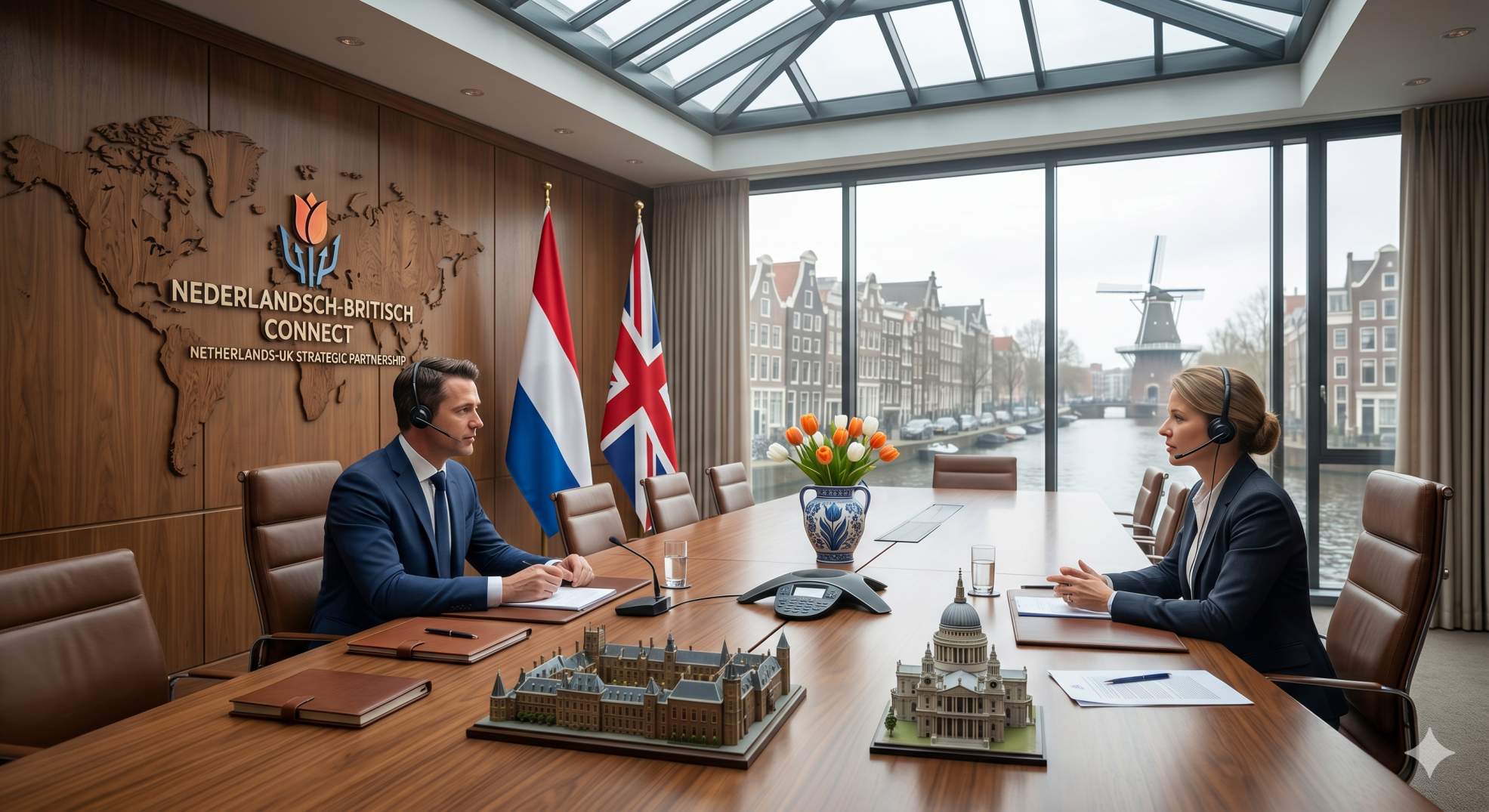
The specific requirements of a situation dictate the most appropriate mode of interpretation. For a French interpreter in East Riding of Yorkshire, proficiency in various modalities is essential to serve a diverse clientele. Consecutive interpretation is commonly used in one-on-one settings, such as doctor’s appointments or initial client consultations, where the interpreter speaks after the primary speaker has finished their segment. Simultaneous interpretation is employed in more dynamic environments like conferences, large meetings, or court proceedings, where the interpreter conveys the message in French almost concurrently with the speaker’s English delivery, often using specialised equipment. Escort interpretation (also known as liaison interpretation) is typical for business meetings, site visits, or social functions, where the interpreter facilitates communication between smaller groups, often acting as a cultural bridge. Increasingly, remote interpretation services are becoming prevalent, utilising telephone or video conferencing platforms to connect interpreters with clients across geographical distances. This modality requires robust technological infrastructure and interpreters skilled in managing communication flow in a virtual setting. For businesses and organisations in the East Riding of Yorkshire, selecting the correct interpretation modality ensures efficiency, clarity, and the successful achievement of communication objectives, whether for a formal legal deposition or an informal business discussion.
Economic and Social Fabric of East Riding of Yorkshire
The East Riding of Yorkshire is a region with a dynamic economic landscape, encompassing diverse industries, a growing tourism sector, and a well-established professional services infrastructure. Understanding this local context is crucial for tailoring language services effectively.
Corporate and Industry
The region boasts significant industrial and agricultural sectors, alongside a growing presence of small and medium-sized enterprises (SMEs) and some larger corporations. Key industries include advanced manufacturing, renewable energy (particularly offshore wind), food processing, and logistics. International trade and investment are vital for the economic prosperity of the East Riding of Yorkshire. French businesses looking to invest, establish partnerships, or source goods and services within the region, or local companies seeking to expand into French-speaking markets, require professional French interpretation and translation services. This includes facilitating negotiations, translating technical specifications, ensuring compliance with UK and EU regulations, and managing cross-cultural business communications. The East Riding of Yorkshire Council’s Business Support services often assist companies with international trade, highlighting the need for reliable language support.
Tourism
The East Riding of Yorkshire is a popular destination for both domestic and international tourists, with attractions ranging from the historic city of Hull to the coastal resorts of Bridlington and Hornsea, and the scenic Yorkshire Wolds. French tourists and visitors contribute significantly to the local economy. Hotels, restaurants, visitor attractions, and local businesses that cater to international visitors benefit immensely from having access to French-speaking staff or, at a minimum, multilingual information and signage. Professional interpretation services can enhance the visitor experience, facilitate bookings, and ensure that French-speaking tourists feel welcomed and well-catered for, thereby encouraging repeat visits and positive word-of-mouth referrals. The Visit Hull and East Yorkshire tourism board plays a key role in promoting the region, and accessible language services are integral to its success in attracting a global audience.
Legal Infrastructure
The East Riding of Yorkshire is served by a network of legal professionals, including solicitors, barristers, and legal aid agencies, many of whom are based in Hull and other key towns. These firms handle a wide range of legal matters, from corporate law and commercial disputes to family law, personal injury, and criminal defence. For French-speaking individuals or businesses involved in legal proceedings within the region, or for UK-based legal professionals representing French clients, the availability of accredited French interpreters is indispensable. This ensures that all parties understand court proceedings, legal advice, and contractual obligations, upholding the principles of justice and due process as administered by HMCTS. The presence of qualified interpreters supports the smooth functioning of the local legal ecosystem and ensures access to justice for all.
NHS Healthcare
As previously detailed, the NHS is a critical service provider across the East Riding of Yorkshire. The region is covered by integrated care systems and served by multiple NHS trusts, including those focused on acute care, mental health, and community services. French-speaking residents, whether long-term inhabitants or recent arrivals, require seamless access to these services. Professional interpretation ensures that patients can communicate effectively with GPs, hospital specialists, mental health practitioners, and other healthcare professionals. This is vital for accurate diagnosis, effective treatment, and the overall well-being of the patient. The commitment of NHS trusts to patient-centred care is reinforced by the provision of language services, ensuring that communication barriers do not impede the delivery of high-quality healthcare, in line with CQC standards and NHS England guidelines.
Local Infrastructure and Transport
Effective communication is also essential for navigating the local infrastructure and transport networks within the East Riding of Yorkshire. French-speaking residents and visitors may require assistance with understanding public transport information, engaging with local council services, or accessing essential utilities. Key transport links include road networks such as the A63 and M62, rail services connecting to major cities, and local bus routes. Interpreters can assist in situations where complex information needs to be conveyed, such as understanding travel advisories, utility bills, or council communications. The East Riding of Yorkshire Council provides a wide range of public services, and ensuring accessibility for all residents, including those who speak French as a primary language, is a key objective. Professional interpreters facilitate this by bridging language gaps in interactions with local authorities and service providers, thereby promoting social inclusion and ensuring that all residents can fully participate in community life.
In conclusion, the demand for a skilled French interpreter in East Riding of Yorkshire is multifaceted, spanning critical sectors such as law, healthcare, and commerce. Ensuring access to professional, accredited interpreters is not merely a matter of linguistic facilitation but a fundamental requirement for upholding legal rights, ensuring patient safety, fostering economic growth, and promoting social cohesion within the region. Organisations and individuals requiring these vital services should prioritise engaging interpreters who meet the stringent standards set by UK professional bodies, guaranteeing accuracy, confidentiality, and cultural competence.