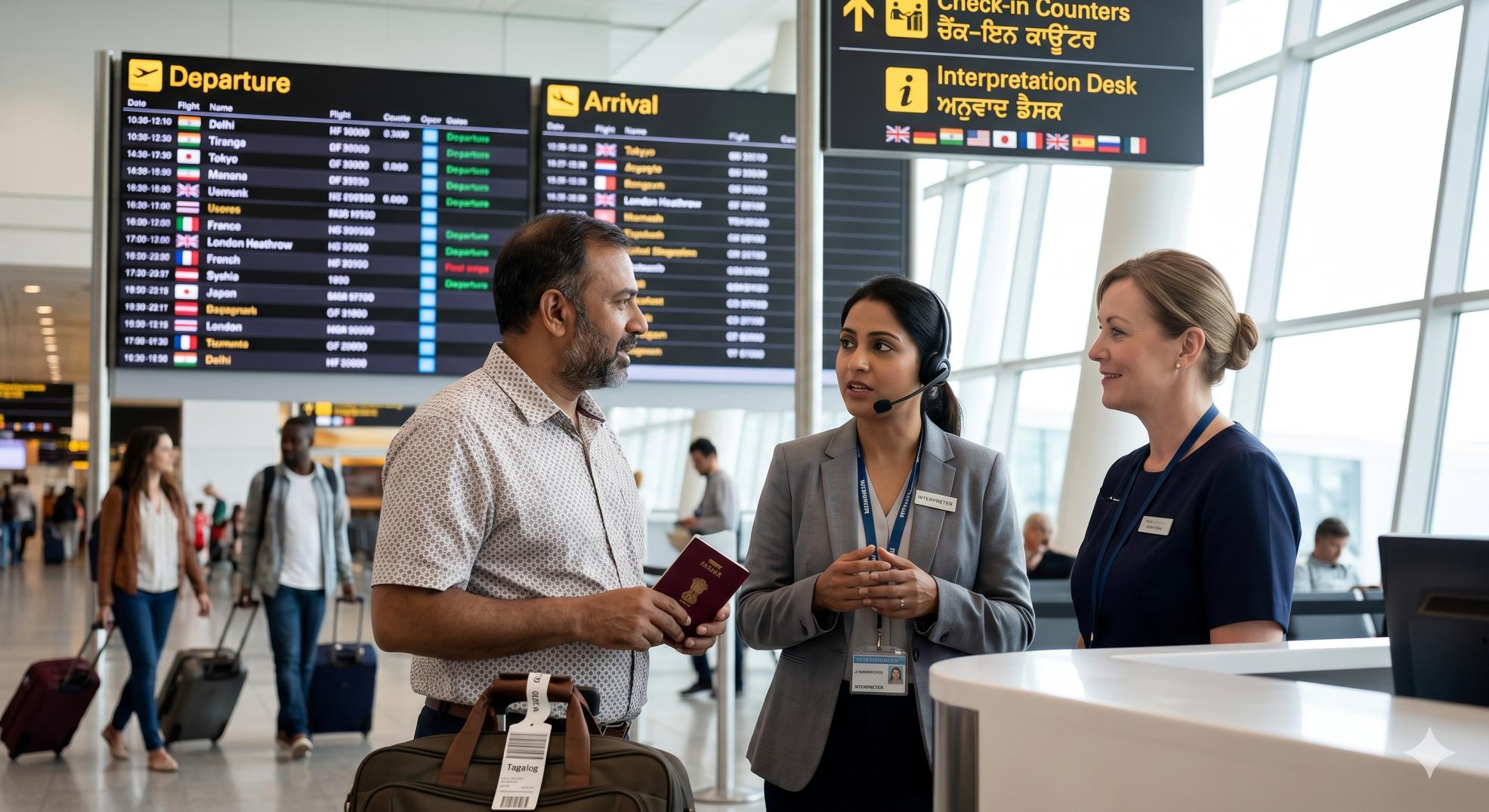
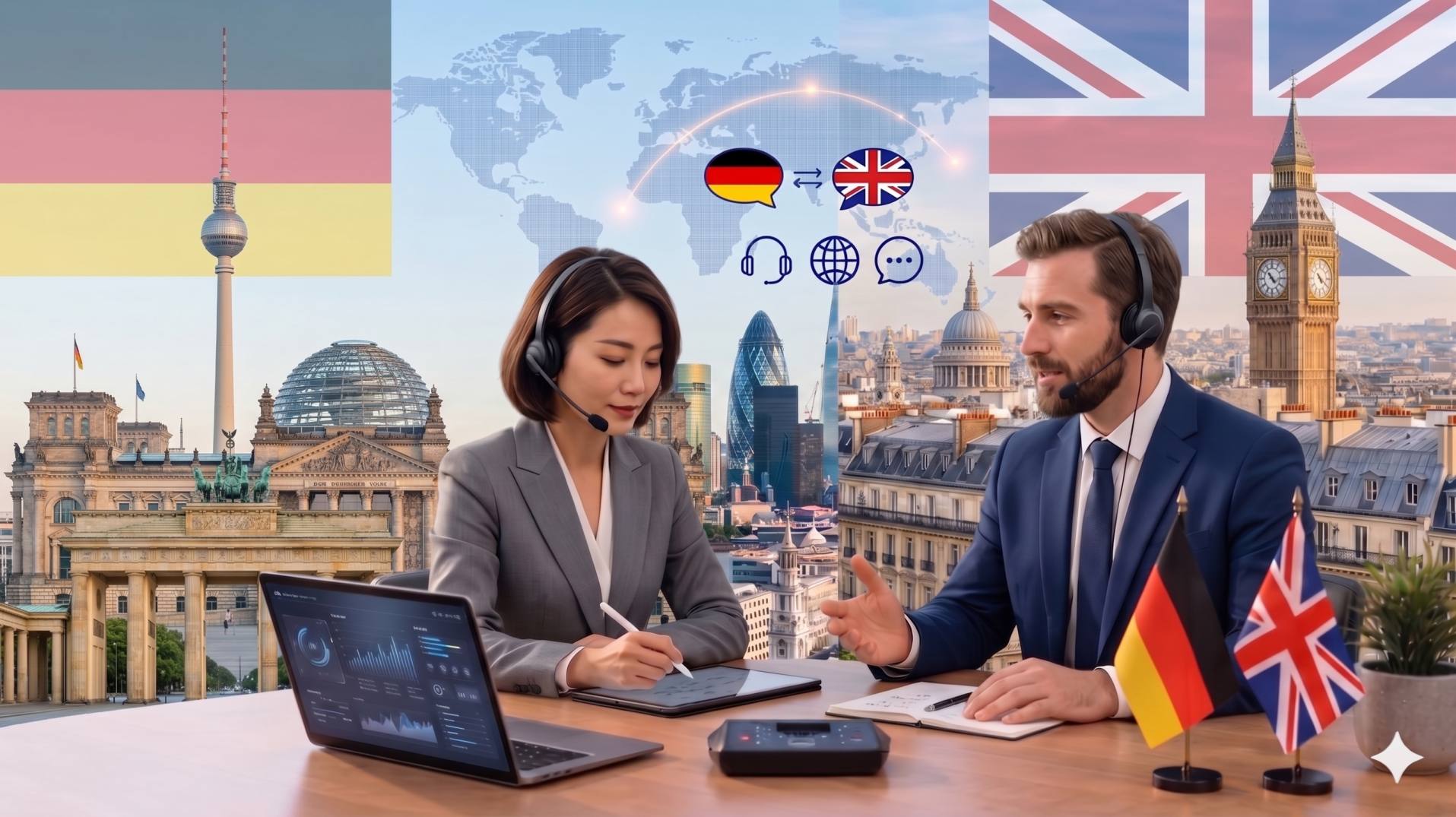
Securing a qualified French interpreter in Fife is paramount for effective communication across vital sectors, from legal proceedings to healthcare and business. In a region like Fife, where diverse needs intersect with stringent professional standards, access to accurate and culturally sensitive interpretation is not merely a convenience but a necessity. This is particularly true when engaging with public services such as the National Health Service (NHS). For instance, patients requiring French language support within Fife can be served by trusts like the NHS Lothian and NHS Fife, both of which operate under national guidelines that mandate accessible communication. Ensuring that individuals who speak French can fully understand and participate in their medical consultations, legal processes, and business dealings requires the expertise of accredited professionals who adhere to the highest UK standards.
Translation vs Interpretation
While often used interchangeably, translation and interpretation are distinct disciplines, each requiring a unique skill set. Interpretation involves the real-time, oral conversion of spoken or signed language from one language to another. This is critical in live environments such as courtrooms, medical appointments, or business meetings. A skilled French interpreter in Fife must possess not only linguistic fluency but also a deep understanding of cultural nuances, subject-specific terminology, and the ethical codes governing their profession in the UK. Conversely, translation deals with the written word, converting documents, texts, and other written materials from one language to another. This process allows for more time for research, editing, and proofreading to ensure accuracy. For businesses and legal professionals in Fife, understanding this distinction is key to procuring the correct service. For instance, translating a legal contract requires a different approach and set of qualifications than providing an interpreter for a client at His Majesty’s Courts and Tribunals Service (HMCTS). The demand for a reliable French translator in Fife for official documents, such as birth certificates, legal agreements, or technical manuals, is significant, supporting both local businesses and individuals navigating UK administrative systems. Professional bodies like the Chartered Institute of Linguists (CIOL) and the National Register of Public Service Interpreters (NRPSI) set the standards for both professions within the United Kingdom, ensuring quality and accountability.
Legal Defence, Immigration, and Courtroom Interpretation
The UK’s legal system, governed by principles of justice and fairness, relies heavily on clear communication, especially in matters involving individuals who do not speak English as a first language. For French speakers in Fife involved in legal proceedings, access to qualified interpreters is a fundamental right. His Majesty’s Courts and Tribunals Service (HMCTS) mandates the provision of interpreters in criminal, civil, and family courts to ensure that all parties can understand proceedings and present their cases effectively. This includes appearances before various tribunals, such as the First-tier Immigration Tribunal, where decisions can significantly impact an individual’s life in the UK. Professional interpreters working within the UK legal framework must be registered with bodies like the NRPSI or hold equivalent qualifications such as the Diploma in Public Service Interpreting (DPSI), demonstrating their competence and adherence to a strict code of conduct. This ensures impartiality, confidentiality, and accuracy, which are vital in maintaining the integrity of the justice system. Immigration law is another area where expert French interpretation is crucial. Individuals seeking to enter or remain in the UK, or those facing deportation proceedings, often need to communicate complex personal circumstances to the Home Office or the UK Visas and Immigration (UKVI) services. A misunderstanding can have severe consequences. Therefore, engaging a French interpreter accredited by UK authorities is essential for navigating these intricate processes, from initial visa applications to appeals heard at the Royal Courts of Justice or specialised tribunals. Law firms in Fife and across Scotland frequently require the services of experienced French interpreters to represent their clients effectively, ensuring that evidence is presented accurately and that clients fully comprehend legal advice and court instructions.
Healthcare and NHS Patient Safety
Patient safety and effective care within the UK’s National Health Service (NHS) are underpinned by the principle of clear communication. For French-speaking patients in Fife, accessing healthcare services without linguistic barriers is a critical aspect of receiving equitable treatment. The NHS operates under strict guidelines, including those outlined by NHS England’s Language Access guidelines, which emphasise the importance of providing professional interpretation and translation services to ensure patients understand their diagnosis, treatment options, and medication instructions. This is not only a matter of good practice but also a legal and ethical requirement, particularly in light of UK data protection laws like the UK General Data Protection Regulation (UK GDPR), which mandates the secure and understandable handling of personal health information. Failure to provide adequate interpretation can lead to misdiagnosis, incorrect treatment, and adverse health outcomes, placing both the patient and the healthcare provider at risk. The Care Quality Commission (CQC), the independent regulator of health and social care services in England, also scrutinises the accessibility of services, including language support, as part of its inspections. For NHS trusts serving Fife, such as NHS Fife itself, ensuring that French-speaking patients can communicate effectively with doctors, nurses, and other healthcare professionals is a priority. This involves having access to qualified interpreters who understand medical terminology and the sensitive nature of healthcare interactions. Professional interpreters working in the NHS are often required to hold specific qualifications and adhere to codes of conduct that guarantee confidentiality and impartiality, safeguarding patient trust and well-being. The provision of accurate French interpretation in GP surgeries, hospitals, and community health settings across Fife is therefore essential for upholding the quality and safety standards of the NHS.
Technical Interpretation Modalities
The effectiveness of interpretation services is often determined by the modality employed, which must be suited to the specific context and requirements of the communication. For French interpretation needs in Fife, understanding these modalities is crucial for selecting the most appropriate service. Consecutive interpretation is commonly used in one-on-one meetings, doctor’s appointments, or smaller group discussions. The interpreter listens to a segment of speech, then delivers the interpretation in the other language, allowing for natural pauses and interaction. Simultaneous interpretation is employed in larger conferences, international meetings, or court proceedings where speed and efficiency are paramount. The interpreter speaks almost concurrently with the source speaker, often using specialised equipment like soundproof booths and headsets. This requires a high level of concentration and linguistic skill. Escort interpretation, also known as liaison interpretation, facilitates communication between two or more parties who speak different languages during business meetings, site visits, or social events. The interpreter acts as a bridge, ensuring smooth dialogue and cultural understanding. Finally, remote interpretation, facilitated by technology, has become increasingly prevalent. This includes telephone interpreting (over-the-phone interpretation, OPI) and video remote interpreting (VRI), offering flexibility and rapid access to interpreters for various situations, from urgent medical consultations to business calls. Each modality demands specific skills and often different accreditations, with professional bodies like the International Association of Conference Interpreters (AIIC) setting standards for conference interpreters, while NRPSI covers public service contexts.
Economic and Social Fabric of Fife
Fife, a region rich in history and economic diversity, benefits significantly from robust communication channels that bridge linguistic divides. The presence of skilled French interpreters and translators supports various facets of its economy and social structure, fostering stronger connections both domestically and internationally.
Corporate and Industry
Fife’s economy encompasses a range of sectors, including advanced manufacturing, renewable energy, and financial services. For businesses operating in or engaging with Fife, the ability to conduct international trade, secure foreign investment, and manage diverse workforces is vital. French is a significant language in global commerce, and having access to professional French interpretation and translation services facilitates smoother negotiations, clearer marketing campaigns, and more effective employee training. This supports Fife’s integration into the global marketplace and enhances its attractiveness as a business destination. UK-based companies often require certified translations of contracts, patents, and technical documentation, ensuring compliance with UK and international regulations. Professional bodies like the Chartered Institute of Linguists (CIOL) provide pathways for professional development and recognition, ensuring that businesses can find qualified linguists.
Tourism
Fife is renowned for its stunning coastline, historic towns, and world-class golf courses, attracting visitors from across the globe. French-speaking tourists represent a significant demographic. Providing clear signage, multilingual information, and accessible customer service in French enhances the visitor experience, encouraging repeat visits and positive word-of-mouth referrals. This directly supports Fife’s vibrant tourism sector, contributing to local employment and economic growth. Hotels, attractions, and hospitality businesses benefit from having access to interpreters and translated materials that cater to French-speaking visitors, ensuring they feel welcomed and well-informed during their stay in Scotland.
Legal Infrastructure
The legal landscape in Fife, as across the UK, demands precision and clarity. French interpreters play a critical role in ensuring access to justice for French speakers involved in civil disputes, criminal matters, or immigration proceedings. Law firms in Fife rely on accredited interpreters to assist their clients, ensuring that all parties understand court procedures, legal advice, and documentation. The His Majesty’s Courts and Tribunals Service (HMCTS) framework requires qualified interpreters, and bodies like the National Register of Public Service Interpreters (NRPSI) maintain registers of competent professionals. This ensures that the legal rights of French speakers are protected and that the UK’s justice system operates fairly and transparently.
NHS Healthcare
The National Health Service (NHS) in Fife is committed to providing high-quality care to all residents. For the French-speaking population, this necessitates professional interpretation services to bridge any communication gaps with healthcare providers. Whether for routine appointments, emergency care, or complex medical procedures, accurate interpretation ensures that patients can fully understand their health status and treatment plans. This aligns with the NHS’s core values of patient-centred care and safety, as well as compliance with UK healthcare regulations and the UK GDPR. Ensuring that French-speaking patients receive the same standard of care and information as English speakers is a testament to the inclusive healthcare system in the UK.
Local Infrastructure and Transport
Fife’s infrastructure, including its transport networks, plays a vital role in connecting its communities and facilitating economic activity. Efficient public transport, road networks, and digital connectivity are essential for businesses, residents, and visitors alike. For French-speaking individuals navigating Fife, whether for business meetings, accessing public services, or exploring the region, clear communication is key. This can involve understanding public transport announcements, road signs, or service information provided by local authorities. The Fife Council provides essential services and information, and ensuring that this is accessible to all residents, including those who speak French, is part of effective local governance. Professional interpreters can assist in situations where complex information needs to be conveyed, such as during interactions with transport providers or local government offices. Furthermore, as Fife continues to develop its digital infrastructure, the need for multilingual online content and support services grows, further highlighting the importance of skilled French translators and interpreters in the region.
Conclusion
For any organisation or individual in Fife requiring accurate and professional linguistic services, engaging a certified French interpreter in Fife is an indispensable step towards ensuring clarity, compliance, and effective communication. Whether navigating the complexities of UK legal frameworks, ensuring patient safety within the NHS, or fostering international business relationships, the expertise of qualified French interpreters and translators is paramount. We are committed to providing high-calibre interpretation and translation services that meet the rigorous standards expected by UK institutions and professional bodies. Contact us today to discuss your specific needs and ensure seamless communication for your French-speaking clients and stakeholders in Fife and beyond.