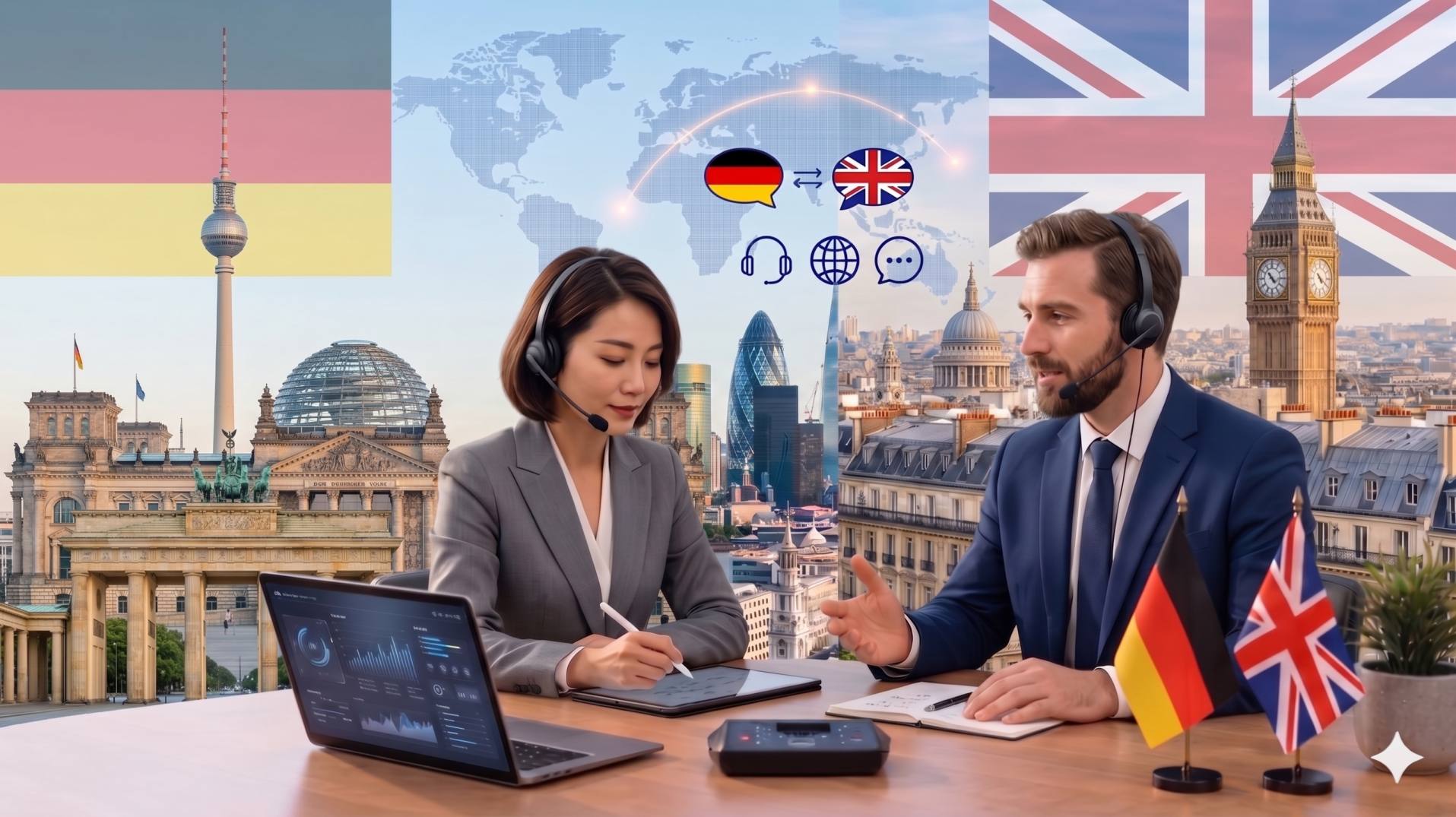
Securing a qualified French interpreter in Glasgow is paramount for effective communication across vital sectors of the UK economy and public services. Whether navigating the complexities of His Majesty’s Courts and Tribunals Service (HMCTS), ensuring patient safety within the National Health Service (NHS) by engaging with trusts such as NHS Greater Glasgow and Clyde and NHS 24, or facilitating international business dealings, the need for precise linguistic support cannot be overstated. This guide explores the critical role of professional French interpretation and translation services within Glasgow, underscoring their importance for legal proceedings, healthcare access, business operations, and the overall social cohesion of this dynamic Scottish city, all within the framework of UK regulations and professional standards.
Translation vs Interpretation
While often used interchangeably, translation and interpretation are distinct linguistic disciplines, each requiring specialised skills and adhering to different professional standards, particularly within the UK context. Interpretation involves the real-time, oral conversion of spoken or signed language from one language to another. This is crucial in live settings such as courtrooms, medical consultations, or business meetings. A professional French interpreter in Glasgow must possess not only fluency in both French and English but also a deep understanding of cultural nuances, legal terminology, and the specific jargon of the sector they are serving. Professional bodies like the National Register of Public Service Interpreters (NRPSI) and the Chartered Institute of Linguists (CIOL) set rigorous standards for public service interpreters in the UK, ensuring competence and ethical conduct. Conversely, translation deals with the written word, converting documents, websites, or other textual materials from one language to another. This process allows for more deliberation, research, and editing to ensure accuracy and fidelity to the source text. A skilled French translator in Glasgow is essential for legal documents, medical reports, business contracts, and marketing materials, ensuring that written communication is as precise and effective as spoken interpretation. Both services are vital for businesses and public bodies operating in Glasgow, underpinning effective communication and adherence to UK legal and professional frameworks.
Legal Defence, Immigration, and Courtroom Interpretation
The administration of justice in the United Kingdom relies heavily on the availability of competent interpreters to ensure fair trials and access to legal processes for all individuals, regardless of their language proficiency. For French speakers involved in legal matters in Glasgow, access to qualified interpreters is a fundamental right. His Majesty’s Courts and Tribunals Service (HMCTS) mandates the provision of interpreters for cases where a party does not understand English sufficiently. This includes proceedings in the Sheriff Courts, the Justice of the Peace Courts, and various tribunals overseen by HMCTS. Professional interpreters working in this domain must adhere to strict codes of conduct, often requiring accreditation from bodies like the NRPSI or holding qualifications such as the Diploma in Public Service Interpreting (DPSI). These qualifications ensure that interpreters possess the necessary linguistic skills, ethical understanding, and knowledge of legal terminology to provide accurate and impartial services.
Immigration law is another critical area where French interpretation services are indispensable. The UK Visas and Immigration (UKVI) section of the Home Office processes numerous applications and conducts interviews where French speakers may require assistance. Solicitors and legal representatives in Glasgow specialising in immigration law frequently engage French interpreters to assist their clients during consultations, the preparation of applications, and appearances before the First-tier Immigration Tribunal. The accuracy of interpretation in these contexts is vital, as misunderstandings can have significant consequences for an individual’s immigration status. The NRPSI plays a key role in maintaining a register of qualified interpreters who can be trusted to provide services in sensitive immigration matters. Furthermore, the legal profession in Scotland, like the rest of the UK, operates under stringent professional standards, and the engagement of accredited interpreters ensures compliance with these standards and upholds the principles of natural justice.
Healthcare and NHS Patient Safety
Patient safety and equitable access to healthcare are cornerstones of the UK’s National Health Service (NHS). For French-speaking patients in Glasgow, effective communication with healthcare professionals is not merely a matter of convenience but a critical component of safe and effective medical care. NHS Greater Glasgow and Clyde, the largest health board in Scotland, serves a diverse population, and the provision of language services is a priority. Professional French interpreters are essential in various healthcare settings, including GP surgeries, hospital consultations, emergency departments, and mental health services. They bridge the communication gap, enabling patients to fully understand diagnoses, treatment options, and medical advice, and allowing healthcare providers to gather accurate patient histories and ensure informed consent.
The NHS adheres to strict guidelines regarding language access, often informed by NHS England’s Language Access guidelines and the principles of the UK General Data Protection Regulation (UK GDPR) concerning the confidential handling of patient information. The Care Quality Commission (CQC) also monitors the quality of care provided by health and social care services, including the effectiveness of communication. Interpreters must not only be linguistically proficient but also understand medical terminology and ethical considerations, such as confidentiality and impartiality. Professional bodies like the NRPSI and CIOL offer qualifications and certifications that are recognised within the NHS, ensuring that interpreters meet the high standards required for clinical settings. Engaging accredited French interpreters helps NHS trusts in Glasgow fulfil their legal and ethical obligations, promoting patient autonomy, reducing the risk of medical errors, and ensuring that all patients receive the highest standard of care, irrespective of their primary language.
Technical Interpretation Modalities
The effectiveness of interpretation services in Glasgow is significantly enhanced by the application of appropriate technical modalities tailored to the specific context. Understanding these different modes ensures that the chosen interpretation service aligns perfectly with the communication needs of the client, whether in a legal, business, or medical setting.
- Simultaneous Interpretation: This is the most demanding form of interpretation, where the interpreter speaks the target language almost concurrently with the source language speaker, typically with a slight delay of a few seconds. It requires intense concentration and is often used in large conferences, international meetings, or parliamentary sessions where real-time communication is essential. Specialist equipment, such as soundproof booths and headsets, is usually required.
- Consecutive Interpretation: In this mode, the interpreter listens to a segment of speech (a sentence or a few minutes), then renders it into the target language once the speaker has finished. This is common in smaller meetings, legal depositions, medical consultations, and one-on-one discussions where the flow of conversation is important but immediate rendering is not strictly necessary. It requires excellent memory and note-taking skills.
- Escort Interpretation (Liaison Interpretation): This involves the interpreter accompanying a client or group to facilitate communication in various settings, such as business meetings, site visits, or social events. The interpreter acts as a bridge between parties, interpreting short segments of speech in a conversational manner. This is often used in international delegations or negotiations.
- Remote Interpretation (Video/Telephone): With advancements in technology, remote interpretation has become increasingly prevalent. This modality allows clients to access interpreters via telephone or video conferencing platforms. It offers flexibility and cost-effectiveness, particularly for situations where an in-person interpreter is not readily available or practical. Services like NHS 24 and various legal firms increasingly utilise these methods, ensuring access to French interpretation for urgent or routine matters across Glasgow and beyond.
Each modality demands a high level of skill and professionalism, with interpreters often specialising in one or more. Professional bodies like the International Association of Conference Interpreters (AIIC), while international, set standards that influence UK practice, alongside national bodies like the NRPSI and CIOL, ensuring that interpreters in Glasgow are equipped for any communication challenge.
Economic and Social Fabric of Glasgow
Glasgow, a city renowned for its industrial heritage and vibrant cultural scene, possesses a dynamic economic and social fabric that increasingly benefits from robust linguistic services. The presence of skilled French interpreters and translators is integral to the city’s continued growth and its engagement with international markets and diverse communities.
Corporate and Industry
Glasgow’s economy is diversifying, with strong sectors in financial services, life sciences, advanced manufacturing, and creative industries. Many international companies operate within or have significant dealings with Glasgow-based businesses. For French corporations looking to invest or collaborate in Scotland, or for Scottish firms exporting to French-speaking markets, professional French interpretation and translation are indispensable. This includes facilitating negotiations, translating technical documentation, ensuring compliance with UK regulations, and supporting marketing efforts. The ability to communicate effectively in French can provide a significant competitive advantage, fostering stronger business relationships and opening doors to new opportunities within the European Union and beyond. Professional services firms, including law firms and accountancy practices in Glasgow, rely on accurate translation of contracts, legal advice, and financial reports to serve their international clientele.
Tourism
Glasgow is a major tourist destination, attracting visitors from across the globe. While English is widely spoken, the provision of French language services enhances the visitor experience for French-speaking tourists. This can range from translated visitor information and signage in key attractions to interpretation services for guided tours or at hotels and restaurants. A positive linguistic experience can significantly boost tourism revenue and enhance Glasgow’s reputation as a welcoming international city. The tourism sector, supported by organisations like VisitScotland, benefits from accessible information and services for all visitors.
Legal Infrastructure
Glasgow boasts a well-established legal infrastructure, serving as a hub for legal professionals in Scotland. Law firms, the Scottish Courts and Tribunals Service, and various legal aid organisations operate within the city. As previously detailed, the need for French interpreters in legal proceedings, from criminal defence to civil disputes and immigration cases, is critical. Ensuring access to justice for French speakers is a fundamental requirement, upheld by HMCTS. The presence of accredited interpreters facilitates the smooth operation of the legal system, ensuring that all parties understand proceedings and can present their cases effectively, thereby maintaining public confidence in the administration of justice.
NHS Healthcare
The healthcare system in Glasgow, primarily delivered through NHS Greater Glasgow and Clyde, serves a population with diverse linguistic backgrounds. Providing accessible healthcare to French speakers is a key objective. This involves not only interpreters in hospitals and clinics but also translated health information, patient leaflets, and public health campaigns. Effective communication in healthcare settings is directly linked to patient outcomes, safety, and satisfaction. Professional interpreters play a vital role in ensuring that French-speaking patients can fully engage with their healthcare providers, understand treatment plans, and make informed decisions about their well-being, aligning with the core principles of the NHS.
Local Infrastructure and Transport
Glasgow’s robust infrastructure and transport network are vital for its economic activity and the seamless delivery of services, including professional interpretation. The city is well-connected by road, rail, and air, facilitating the movement of people and goods. Glasgow Airport (GLA) and nearby Edinburgh Airport (EDI) handle numerous international flights, including those connecting to France, making it accessible for international clients and interpreters. The city’s public transport system, managed by Glasgow City Council, includes an extensive bus network and a subway system, ensuring that interpreters can reach various locations efficiently for in-person assignments. This accessibility is crucial for time-sensitive interpretation needs in legal, medical, or business contexts. Furthermore, the widespread availability of reliable internet connectivity supports the growing demand for remote interpretation services, allowing interpreters to connect with clients across Glasgow and beyond without the need for physical travel, further enhancing the efficiency and reach of French interpretation services within the city.
Conclusion
In conclusion, the demand for professional French interpreter in Glasgow services is integral to the city’s functioning across its legal, healthcare, corporate, and public service sectors. Adherence to UK professional standards, exemplified by bodies like the NRPSI and CIOL, ensures the quality and reliability of these essential linguistic services. Whether for navigating the intricacies of HMCTS proceedings, ensuring patient safety within the NHS, or facilitating international business, qualified French interpreters and translators are indispensable assets. For organisations and individuals in Glasgow requiring expert linguistic support, engaging accredited professionals guarantees accurate, confidential, and culturally sensitive communication, underpinning effective engagement and successful outcomes within the UK’s regulatory and social landscape. Contacting a reputable agency or directly engaging certified interpreters is the first step towards ensuring seamless communication.