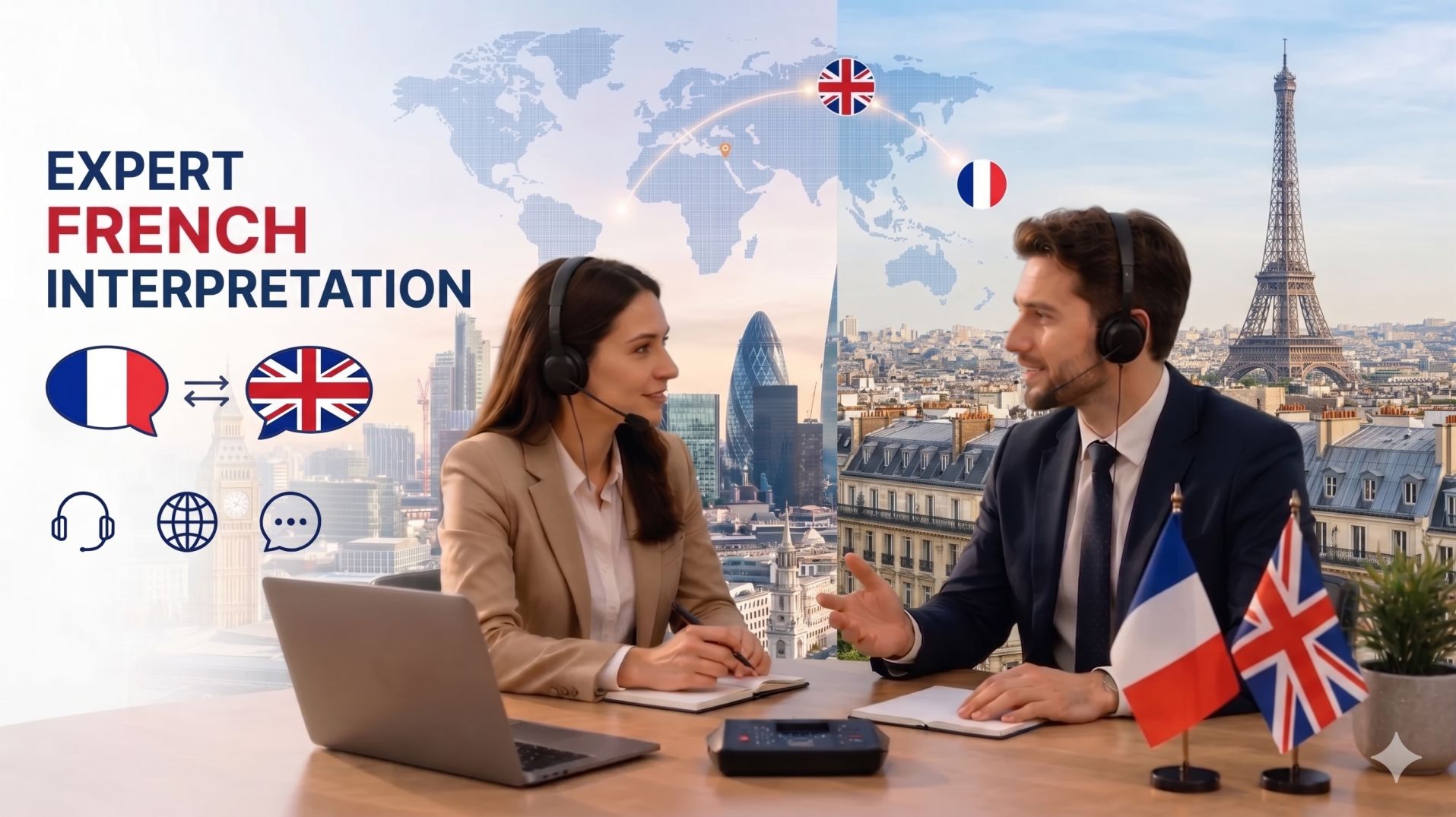

Securing a qualified French interpreter in Hackney is paramount for effective communication across a diverse range of professional sectors within this vibrant East London borough. Hackney, a borough known for its dynamic community and significant economic activity, relies heavily on seamless communication to ensure access to justice, healthcare, and essential public services for its French-speaking residents and businesses. This necessitates the engagement of highly skilled interpreters who understand the nuances of both languages and the specific regulatory and cultural contexts of the United Kingdom. For instance, access to vital healthcare services for French speakers is supported by NHS trusts such as Homerton Healthcare NHS Foundation Trust and Barts Health NHS Trust, both of which serve the Hackney area and are committed to providing language support in line with NHS England’s Language Access guidelines. Ensuring clarity and accuracy in these critical interactions is not merely a matter of convenience but a fundamental requirement for patient safety and legal compliance under UK law, including adherence to UK GDPR principles.
Translation vs Interpretation
While often used interchangeably, translation and interpretation are distinct disciplines, each requiring a unique skill set. Interpretation involves the live, oral conversion of spoken or signed language from one language to another. This is crucial in real-time scenarios such as court hearings, medical appointments, or business meetings. A French interpreter in Hackney must possess not only linguistic fluency but also cultural competency and an understanding of the specific terminology relevant to the context. Conversely, translation deals with the written word, converting documents, websites, or other textual materials from one language to another. For businesses and legal professionals in Hackney, the choice between translation and interpretation services depends entirely on the nature of the communication required. For instance, a legal firm might require a French translator to convert contracts or witness statements, while a solicitor representing a French-speaking client in the Magistrates’ Court would need a French interpreter. Both services are vital for ensuring that information is accurately conveyed and understood, upholding legal and professional standards within the UK. Professional bodies like the National Register of Public Service Interpreters (NRPSI) and the Chartered Institute of Linguists (CIOL) set rigorous standards for both translators and interpreters, ensuring a high level of competence and ethical practice across the UK.
Legal Defence, Immigration, and Courtroom Interpretation
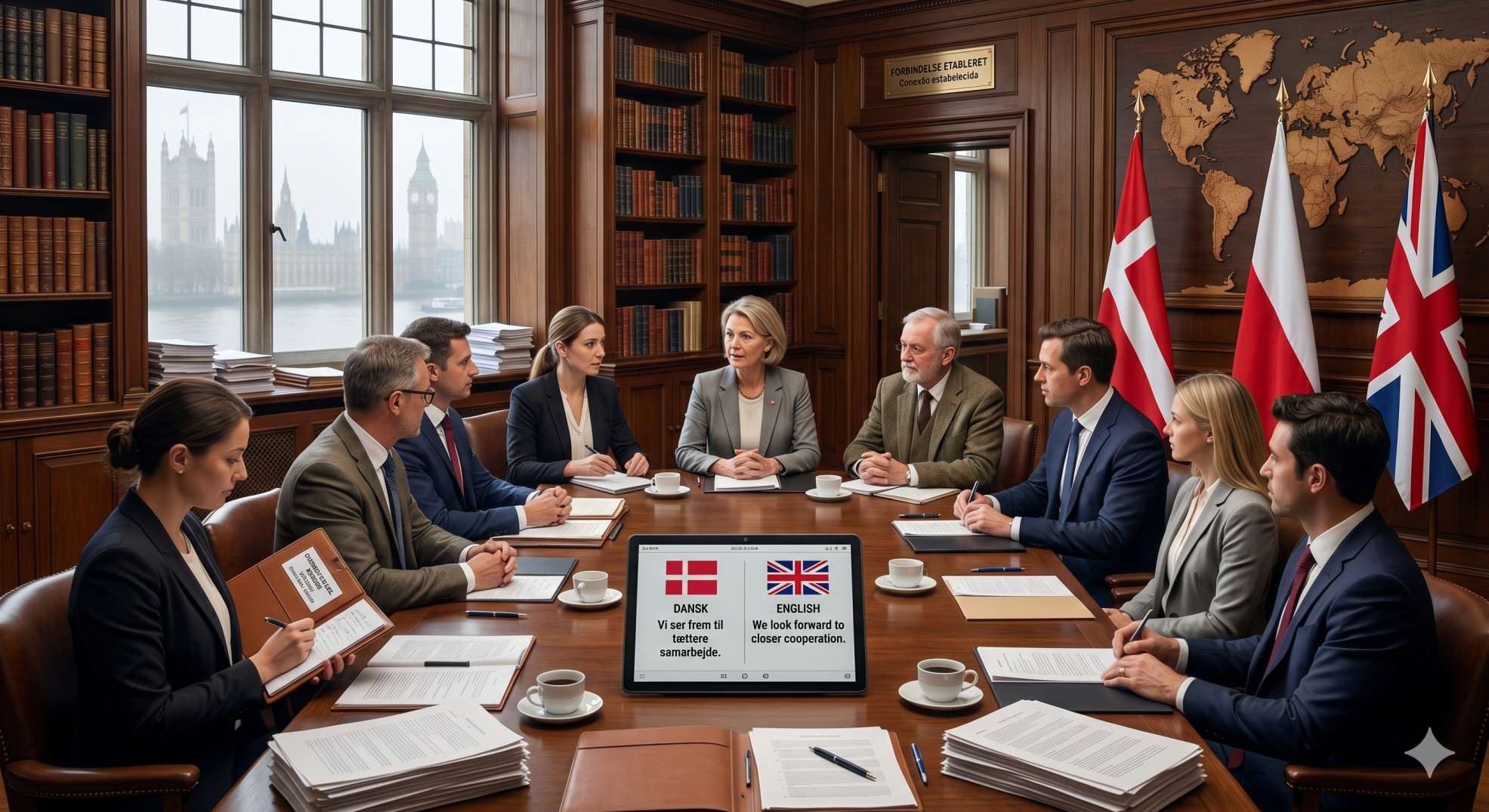
The legal landscape in the UK demands absolute precision, especially when language barriers exist. For French speakers involved in legal proceedings in Hackney, access to accredited interpreters is a fundamental right. This applies across all levels of the UK’s justice system, from initial police interviews to proceedings before His Majesty’s Courts and Tribunals Service (HMCTS). Interpreters play a critical role in ensuring that defendants, witnesses, and victims can fully understand the proceedings and express themselves clearly. This is essential for the fair administration of justice, as mandated by principles of natural justice and the Human Rights Act 1998. In immigration matters, the UK Visas and Immigration (UKVI) department, part of the Home Office, requires accurate communication for visa applications, asylum claims, and appeals. French-speaking individuals navigating these complex processes will require interpreters for interviews and hearings, often before the First-tier Immigration Tribunal. Professional interpreters registered with bodies like the NRPSI or holding qualifications such as the Diploma in Public Service Interpreting (DPSI) are essential. These qualifications ensure that interpreters have the necessary legal knowledge and ethical grounding to operate within the stringent requirements of UK law. The integrity of evidence presented in court, the clarity of legal advice provided, and the fairness of immigration decisions all hinge on the quality of interpretation. Law firms in Hackney and across the UK routinely engage professional French interpreters to represent their clients’ interests effectively, ensuring that no one is disadvantaged due to a lack of understanding. The Royal Courts of Justice and all other HMCTS venues rely on a network of qualified linguists to uphold these standards.
Healthcare and NHS Patient Safety
Patient safety within the National Health Service (NHS) is a cornerstone of UK healthcare policy, and effective communication is integral to achieving this. For French-speaking patients in Hackney, accessing healthcare services without a language barrier is crucial for accurate diagnosis, treatment, and informed consent. NHS trusts serving Hackney, such as Homerton Healthcare and Barts Health, are obligated to provide language support in accordance with Care Quality Commission (CQC) standards and NHS England guidelines. This includes providing qualified French interpreters for consultations, hospital admissions, and any medical procedures. The use of untrained bilingual staff or family members as interpreters is strongly discouraged due to the risk of misinterpretation, omissions, and breaches of confidentiality, which can have severe consequences for patient care and legal liability under UK GDPR. Professional interpreters possess the skills to convey complex medical information accurately, understand medical terminology, and maintain impartiality and confidentiality. They facilitate a more trusting and effective relationship between the patient and healthcare provider, leading to better health outcomes. The NHS England Integrated Care Systems (ICS) also play a role in ensuring equitable access to services, including language support. For the Hackney area, this falls under the remit of the relevant ICS, which oversees the commissioning and delivery of health services. Ensuring that French-speaking patients receive the same standard of care as English speakers is a matter of equity and a legal requirement, underscoring the indispensable role of professional French interpreters in Hackney’s healthcare settings.
Technical Interpretation Modalities
The effectiveness of interpretation services hinges on selecting the appropriate modality for the specific situation. Professional French interpreters in Hackney offer a range of services tailored to different needs:
- Consecutive Interpretation: Used in smaller meetings, one-on-one consultations, or interviews. The interpreter listens to a segment of speech, then delivers the interpretation in the other language once the speaker has finished. This allows for a natural flow of conversation but takes longer than simultaneous interpretation.
- Simultaneous Interpretation: Commonly used in conferences, large meetings, or court proceedings where time is critical. The interpreter speaks almost concurrently with the source speaker, often using specialised equipment like booths and headsets. This requires a high level of concentration and linguistic skill.
- Escort Interpretation: Provided for business meetings, site visits, or social functions where the interpreter accompanies a client or group. The interpreter facilitates communication between parties, often in a less formal setting than courtroom or conference interpretation.
- Remote Interpretation (Video/Telephone): Increasingly popular, this modality allows for interpretation services to be delivered via telephone or video conferencing platforms. This is particularly useful for situations where in-person interpreters are not readily available or for urgent, short-notice requests. It requires reliable technology and a secure connection to maintain confidentiality and clarity.
Each modality demands specific training and expertise. For example, simultaneous interpretation requires advanced cognitive skills, while escort interpretation often involves a greater degree of cultural mediation. Professional interpreting agencies and freelance interpreters adhere to standards set by bodies like the International Association of Conference Interpreters (AIIC) and the NRPSI, ensuring that clients receive services appropriate to their needs, whether for a high-profile international conference or a routine appointment with a solicitor or doctor in Hackney.
Economic and Social Fabric of Hackney
Hackney is a borough characterised by its rich diversity, entrepreneurial spirit, and a dynamic blend of traditional industries and emerging sectors. The presence of a significant French-speaking population and a growing number of French businesses necessitates robust language support services to foster economic growth and social cohesion.
Corporate/Industry
Hackney’s economy is diverse, encompassing creative industries, technology startups, finance, and retail. French businesses operating in or trading with Hackney, or UK companies seeking to engage with French markets, require professional French interpretation and translation services. This includes facilitating negotiations, translating marketing materials, supporting client communications, and ensuring compliance with UK business regulations. The Department for Business and Trade (formerly DIT) often supports UK businesses looking to expand internationally, and clear communication with French partners is vital for success. Professional interpreters ensure that business dealings are conducted smoothly, fostering trust and preventing costly misunderstandings.
Tourism
While not a primary tourist hub compared to some other London boroughs, Hackney attracts visitors interested in its unique culture, arts scene, and independent businesses. French tourists and business travellers visiting Hackney will benefit from readily available interpretation services, particularly in hospitality, retail, and cultural venues. Clear communication enhances the visitor experience, encouraging repeat visits and positive word-of-mouth, contributing to the local economy.
Legal Infrastructure
Hackney has a well-established legal infrastructure, with numerous law firms and access to various courts and tribunals. French-speaking individuals requiring legal assistance, whether for civil disputes, criminal defence, or family law matters, depend on qualified French interpreters. These interpreters are crucial for ensuring access to justice, as mandated by UK legal frameworks. The presence of NRPSI-qualified interpreters ensures that legal professionals can confidently represent their French-speaking clients, upholding the principles of fairness and due process under the purview of His Majesty’s Courts and Tribunals Service (HMCTS).
NHS Healthcare
As detailed previously, the healthcare sector in Hackney, served by trusts like Homerton Healthcare and Barts Health, relies heavily on professional interpreters to serve its diverse population. Ensuring that French-speaking patients can communicate effectively with doctors, nurses, and other healthcare professionals is a critical aspect of patient care and safety. This commitment to accessible healthcare aligns with the broader goals of NHS England and the Care Quality Commission (CQC) in promoting high standards of care for all residents.
Local Infrastructure and Transport
Hackney is well-connected by public transport, with numerous bus routes, Overground stations, and proximity to the London Underground network. For French-speaking residents and visitors, navigating this infrastructure can be made easier with access to interpretation services, particularly for official interactions or when seeking assistance from transport authorities. While direct interpretation services may not be a daily requirement for transport, the underlying principle of accessible communication applies to all public services. The Transport for London (TfL) network, while primarily English-speaking, aims for accessibility, and professional interpreters can bridge communication gaps in specific official contexts. Furthermore, the availability of skilled French interpreters in Hackney supports the borough’s role as a hub for international business and cultural exchange, reinforcing its connectivity within the UK and beyond.
Conclusion
In conclusion, the need for a professional French interpreter in Hackney is multifaceted, extending across critical sectors including legal proceedings, healthcare, and business. Ensuring access to qualified, accredited interpreters is not merely a service but a fundamental requirement for upholding justice, patient safety, and economic opportunity within the UK’s regulatory framework. For businesses, legal firms, and NHS trusts in Hackney, partnering with reputable interpreting agencies or experienced freelance interpreters guarantees accurate, confidential, and culturally sensitive communication. This commitment to linguistic accessibility strengthens the community and ensures that all residents and visitors can fully engage with the services and opportunities available in this dynamic London borough. Engage with certified professionals to guarantee your communication needs are met with the highest standards of accuracy and integrity.