
Securing a qualified French interpreter in Liverpool is paramount for effective communication across vital sectors, from legal proceedings within His Majesty’s Courts and Tribunals Service (HMCTS) to critical healthcare interactions within the NHS. Liverpool, a city with a rich maritime history and a burgeoning modern economy, requires specialised linguistic support to bridge communication gaps. This is particularly true for French speakers interacting with key healthcare providers such as Liverpool University Hospitals NHS Foundation Trust and Mersey Care NHS Foundation Trust, ensuring patient safety and adherence to UK medical standards. This guide outlines the essential considerations for engaging professional French interpretation and translation services tailored to the unique demands of Liverpool and the wider UK professional landscape.
Translation vs Interpretation: Ensuring Precision
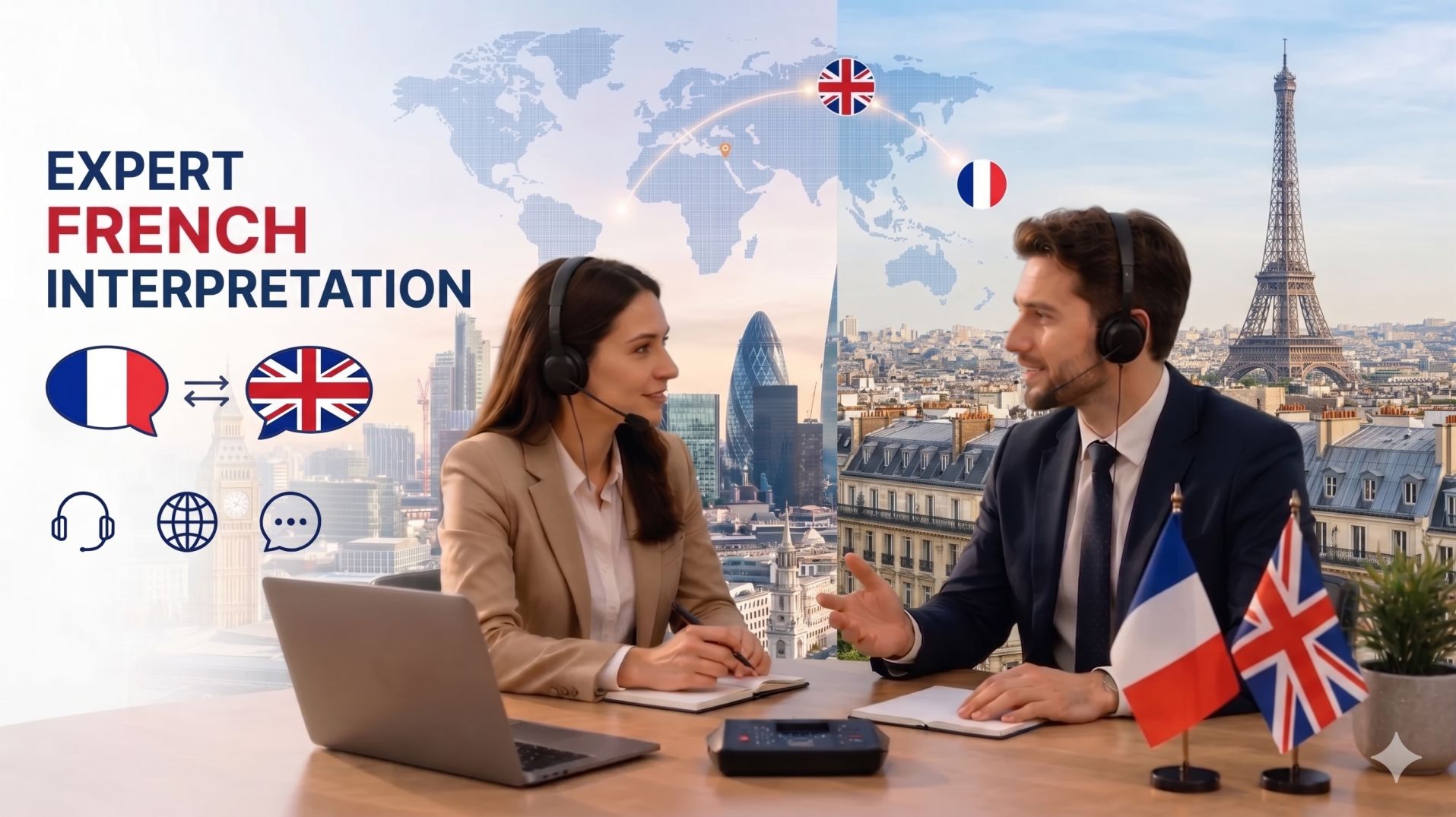
While often used interchangeably, translation and interpretation are distinct disciplines, each requiring specific skill sets and qualifications. Understanding this difference is the first step in procuring the right linguistic support. Interpretation involves the real-time, oral conversion of spoken language from one tongue to another. This demands immediate comprehension, accurate recall, and fluent delivery, often under pressure. A professional French interpreter in Liverpool must possess not only linguistic mastery but also cultural acumen and an understanding of the specific context, whether it be a courtroom, a hospital ward, or a business negotiation. Conversely, translation deals with the written word, converting documents, websites, or other textual materials from one language to another. This process allows for more deliberate review, research, and refinement to ensure accuracy and fidelity to the source text. For legal documents, medical records, or technical manuals, a skilled French translator in Liverpool is essential to maintain the integrity of the information. Both services are critical for businesses and public bodies operating in the UK, ensuring compliance with regulations and fostering clear communication.
Legal Defence, Immigration, and Courtroom Interpretation
The UK’s legal system places a strong emphasis on access to justice for all, regardless of language. For French speakers involved in legal matters in Liverpool, access to accredited interpreters is not merely a convenience but a fundamental right. This is particularly relevant in proceedings before His Majesty’s Courts and Tribunals Service (HMCTS), covering everything from civil disputes to criminal trials. Professional interpreters engaged in these settings must adhere to stringent standards, often requiring accreditation from bodies such as the National Register of Public Service Interpreters (NRPSI) or holding qualifications like the Diploma in Public Service Interpreting (DPSI). These accreditations ensure interpreters possess the necessary linguistic proficiency, ethical understanding, and knowledge of legal terminology to provide accurate and impartial services. In immigration cases, French nationals interacting with the UK Visas and Immigration (UKVI), or appearing before the First-tier Immigration Tribunal, rely on interpreters to articulate their circumstances clearly. The Home Office mandates the use of qualified interpreters to ensure fairness and transparency in these sensitive proceedings. Furthermore, solicitors and barristers in Liverpool often require interpreters for client consultations, evidence gathering, and courtroom advocacy, underscoring the vital role of professional French interpretation in upholding the principles of British justice. The integrity of the legal process hinges on the ability of all parties to understand and be understood, making the engagement of certified interpreters a non-negotiable requirement.
Healthcare and NHS Patient Safety
Patient safety is a cornerstone of the National Health Service (NHS) in the UK, and effective communication is integral to achieving this. For French-speaking patients in Liverpool, accessing healthcare services without clear communication can lead to misunderstandings, delayed diagnoses, and suboptimal treatment outcomes. The NHS has established guidelines, often informed by Care Quality Commission (CQC) recommendations and NHS England’s Language Access policies, that mandate the provision of appropriate language support. Professional French interpreters working within NHS trusts, such as Liverpool University Hospitals NHS Foundation Trust and Mersey Care NHS Foundation Trust, must not only be linguistically proficient but also understand medical terminology and ethical considerations, including patient confidentiality, which is protected under UK GDPR. Interpreters facilitate crucial interactions, from initial consultations and consent processes to complex medical procedures and discharge planning. They enable doctors to accurately assess symptoms, explain diagnoses and treatment options, and ensure patients fully comprehend their care plans. The use of unqualified or informal interpreters, such as family members, can compromise patient safety and data protection. Therefore, NHS trusts and private healthcare providers in Liverpool must prioritise engaging certified and experienced medical French interpreters to uphold the highest standards of care and comply with regulatory requirements.
Technical Interpretation Modalities
The nature of the communication dictates the most effective interpretation modality. Understanding these different modes ensures that the service procured aligns with the specific requirements of the engagement. Simultaneous interpretation is used in settings where speakers talk continuously, and the interpreter conveys the message almost instantaneously, typically using specialised equipment like booths and headsets. This is common in international conferences or high-level business meetings. Consecutive interpretation involves the interpreter speaking after the original speaker has finished a segment of their speech, allowing for more detailed and nuanced rendering. This is often used in smaller meetings, legal depositions, or medical consultations where direct interaction is key. Escort interpretation (also known as liaison interpretation) facilitates communication between two or three parties, often during business negotiations, site visits, or social events. The interpreter acts as a bridge, ensuring smooth dialogue and cultural understanding. In recent years, remote interpretation has gained prominence, utilising telephone or video conferencing platforms. This modality offers flexibility and can be cost-effective, especially for urgent or less complex assignments, but requires reliable technology and clear audio. For a French interpreter in Liverpool, proficiency across these modalities, coupled with an understanding of the specific industry context, is essential for delivering high-quality, contextually appropriate services.
Economic and Social Fabric of Liverpool
Liverpool’s dynamic economy and diverse social landscape necessitate robust linguistic support. French language proficiency is increasingly valuable in various sectors within the city and its surrounding regions.
Corporate and Industry
As a major port city with a strong industrial heritage and a growing service sector, Liverpool attracts international business. French companies investing in or trading with the UK, and UK-based firms looking to expand into French-speaking markets, require professional French interpretation and translation services. This includes facilitating negotiations, translating contracts, localising marketing materials, and supporting cross-cultural team collaboration. The Liverpool Chamber of Commerce often supports businesses engaged in international trade, highlighting the ongoing need for accurate linguistic services to foster strong economic ties.
Tourism
Liverpool is a globally renowned tourist destination, attracting visitors from France and other French-speaking countries. The hospitality sector, including hotels, attractions, and cultural institutions, benefits significantly from French language support. This can range from translated visitor information and multilingual websites to on-site interpretation services for tour groups and VIP guests. Ensuring French-speaking tourists have a seamless and enjoyable experience is crucial for maintaining Liverpool’s reputation as a welcoming international city.
Legal Infrastructure
Liverpool boasts a well-established legal sector, with numerous law firms, barristers’ chambers, and courts. As previously detailed, the demand for French interpreters within this framework is substantial, covering areas such as commercial litigation, family law, and criminal defence. The presence of accredited interpreters ensures that French-speaking individuals can fully participate in legal processes, upholding their rights and contributing to the fair administration of justice through bodies like HMCTS.
NHS Healthcare
The healthcare system in Liverpool, encompassing major trusts like Liverpool University Hospitals NHS Foundation Trust and Mersey Care NHS Foundation Trust, serves a diverse population. Providing accessible and high-quality care to French speakers requires a consistent supply of professional medical interpreters. This ensures that all patients receive equitable treatment and can make informed decisions about their health, adhering to the principles of patient-centred care promoted by NHS England.
Local Infrastructure and Transport
Liverpool’s robust infrastructure supports its economic and social functions, and effective communication is key to its operation. The city’s transport network, including its international port, major road links, and rail connections, facilitates trade and tourism. For businesses and public services operating within this network, clear communication is essential for logistics, customer service, and safety protocols. Whether it’s coordinating with international shipping agents, providing multilingual travel information, or ensuring emergency services can communicate effectively with French-speaking residents or visitors, professional interpretation and translation services play a vital, albeit often unseen, role in the smooth functioning of Liverpool’s infrastructure.
Conclusion
For any organisation or individual in Liverpool requiring precise and professional communication with French speakers, engaging a qualified French interpreter in Liverpool is indispensable. From the critical demands of the UK legal system and the life-saving necessity of clear communication within the NHS, to the nuanced requirements of international business and tourism, the need for expert linguistic services is profound. By prioritising accredited professionals and understanding the different modalities of interpretation and translation, businesses, legal firms, and healthcare providers can ensure compliance, enhance service delivery, and foster stronger relationships. Ensure your communication needs are met with the highest standards of accuracy and professionalism.