Securing a qualified French interpreter in Newcastle upon Tyne is paramount for effective communication across vital sectors within the UK. Whether navigating the complexities of His Majesty’s Courts and Tribunals Service (HMCTS), ensuring patient safety within the National Health Service (NHS), or facilitating international business dealings, the need for precise and culturally attuned linguistic support cannot be overstated. Newcastle upon Tyne, a vibrant hub in the North East, relies on a robust network of professional interpreters to bridge language divides. This is particularly crucial for individuals interacting with key healthcare providers such as the Newcastle Hospitals NHS Foundation Trust and the North East and North Cumbria Integrated Care Board, ensuring that all patients, regardless of their primary language, receive equitable and understandable care, adhering strictly to NHS England’s Language Access guidelines and UK GDPR principles.
Translation vs Interpretation
While often used interchangeably, translation and interpretation are distinct disciplines requiring different skill sets and methodologies. Interpretation involves the real-time, spoken rendition of a message from one language to another. This demands not only fluency in both French and English but also exceptional listening comprehension, memory recall, and the ability to convey nuance, tone, and intent accurately under pressure. A French interpreter in Newcastle upon Tyne must be adept at handling spontaneous speech, cultural idioms, and potentially sensitive subject matter. In contrast, translation deals with the written word, converting documents, websites, or other textual materials from one language to another. This process allows for more deliberation, research, and editing to ensure accuracy and fidelity. For legal documents, medical records, or corporate reports, a skilled French translator in Newcastle upon Tyne is essential to maintain the integrity of the original text. Professional bodies like the Chartered Institute of Linguists (CIOL) and the National Register of Public Service Interpreters (NRPSI) set rigorous standards for both professions, ensuring that practitioners possess the requisite qualifications and adhere to strict ethical codes.
Legal Defence, Immigration, and Courtroom Interpretation
The administration of justice in the UK relies heavily on the impartiality and accuracy of interpreters, especially in cases involving individuals who do not speak English as a first language. For French speakers involved in legal proceedings in Newcastle upon Tyne, access to qualified interpreters is a fundamental right. This service is critical across various legal domains, including criminal defence, civil litigation, family law, and immigration matters. His Majesty’s Courts and Tribunals Service (HMCTS) mandates the provision of interpreters to ensure fair hearings, as stipulated by the Criminal Justice Act 2003 and subsequent regulations. Interpreters working within this sphere must possess a deep understanding of legal terminology, courtroom etiquette, and the specific requirements of HMCTS. Professional registration with bodies such as the NRPSI or holding qualifications like the Diploma in Public Service Interpreting (DPSI) is often a prerequisite for working in sensitive legal environments. This ensures adherence to a strict code of conduct, guaranteeing confidentiality and impartiality. Furthermore, for individuals navigating the UK’s immigration system, including applications processed by the UK Visas and Immigration (UKVI) department of the Home Office, accurate interpretation is vital. Whether attending interviews, preparing statements, or appealing decisions before the First-tier Immigration Tribunal, a French interpreter facilitates clear communication, ensuring that all parties understand the proceedings and can present their case effectively. The Tribunals Service, part of HM Courts & Tribunals Service, oversees many of these hearings, underscoring the importance of professional linguistic support.
Healthcare and NHS Patient Safety
Patient safety and equitable access to healthcare are cornerstones of the UK’s National Health Service (NHS). In Newcastle upon Tyne, the Newcastle Hospitals NHS Foundation Trust and other local healthcare providers are committed to serving a diverse population, including French speakers. Effective communication between healthcare professionals and patients is not merely a matter of convenience; it is a critical component of safe and effective medical care, directly impacting diagnosis, treatment adherence, and overall patient outcomes. The Care Quality Commission (CQC), the independent regulator of health and social care in England, emphasizes the importance of accessible communication in its standards. NHS England’s Language Access guidelines mandate that providers ensure appropriate language support is available for patients who need it, preventing misunderstandings that could lead to medical errors. A professional French interpreter ensures that patients can fully understand medical advice, consent forms, and treatment plans, and that their symptoms and concerns are accurately conveyed to clinicians. This is particularly crucial in emergency situations, during consultations with specialists, or when discussing complex health conditions. Adherence to UK GDPR principles also means that patient confidentiality must be maintained at all times by interpreters, who are bound by professional codes of ethics. The North East and North Cumbria Integrated Care Board plays a key role in coordinating healthcare services across the region, ensuring that language access remains a priority in commissioning and service delivery. Professional interpreters, often registered with bodies like the NRPSI or holding relevant qualifications, are essential in upholding these standards and ensuring that all patients receive the highest quality of care, irrespective of their linguistic background.
Technical Interpretation Modalities
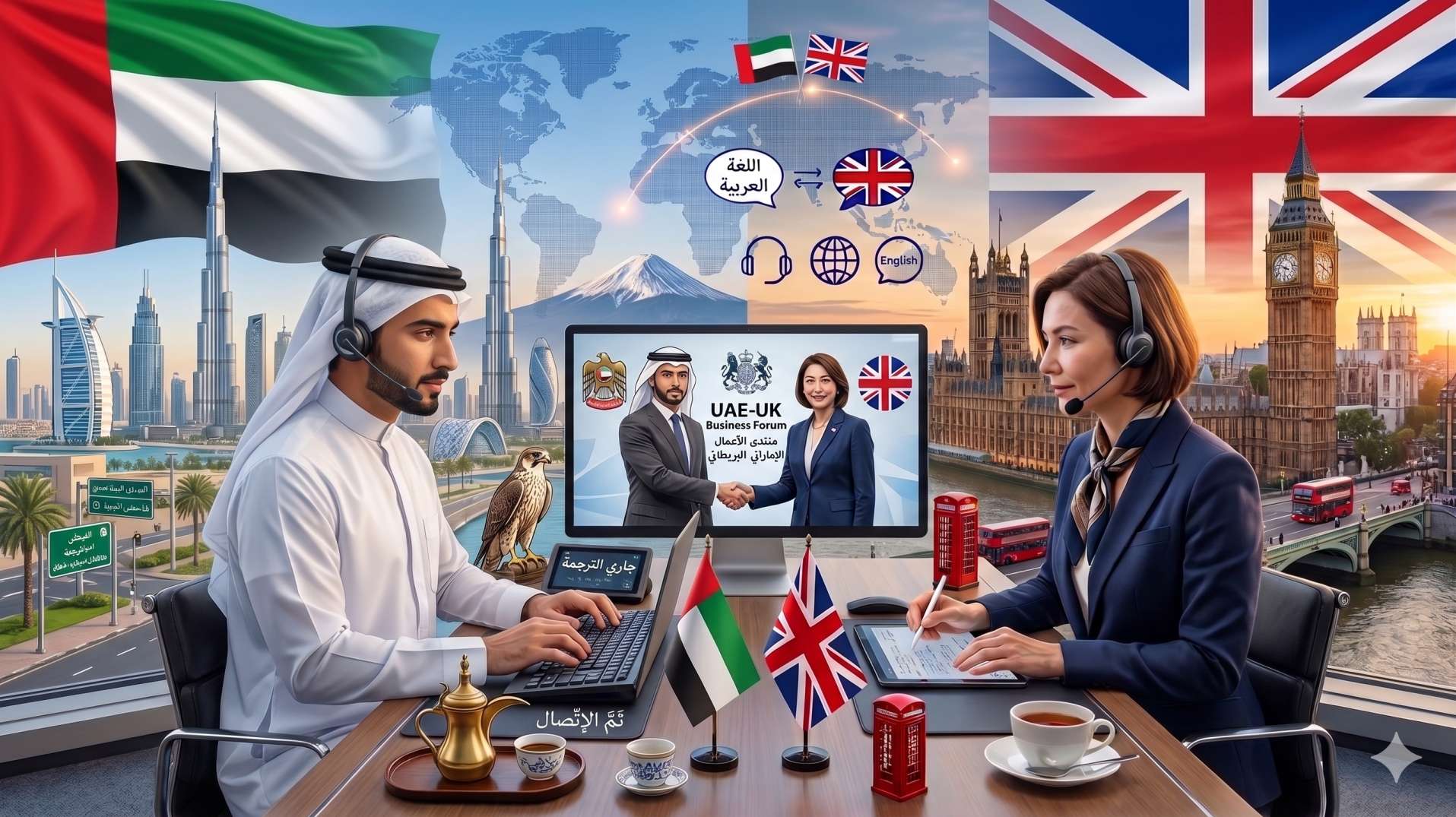
The effective delivery of interpretation services hinges on selecting the appropriate modality to suit the specific context and requirements of the communication. For a French interpreter in Newcastle upon Tyne, understanding these modalities is crucial for providing seamless linguistic support. Simultaneous interpretation is perhaps the most demanding, requiring the interpreter to listen, comprehend, and render the message into the target language with minimal delay, often working from a soundproof booth using specialized equipment. This is typically employed in large conferences, international summits, or high-stakes legal proceedings where continuous flow of information is essential. Consecutive interpretation involves the interpreter listening to a segment of speech, pausing to interpret it, and then rendering it into the target language. This is common in smaller meetings, one-on-one negotiations, or formal presentations where a slightly slower pace is acceptable. Escort interpretation, also known as liaison interpretation, facilitates communication between parties speaking different languages in informal settings, such as business meetings, site visits, or social functions. The interpreter acts as a cultural bridge, ensuring smooth interaction and understanding. Increasingly, remote interpretation services are being utilised, leveraging technology to connect interpreters with clients via telephone or video conferencing platforms. This modality offers flexibility and can be cost-effective, particularly for situations where an on-site interpreter is not feasible or necessary. However, the quality of connection and the interpreter’s ability to manage the remote environment are critical factors. Regardless of the modality, the interpreter’s professional conduct, adherence to ethical standards set by organisations like the International Association of Conference Interpreters (AIIC) (for conference settings) and the NRPSI, and their commitment to accuracy remain paramount.
Economic and Social Fabric of Newcastle upon Tyne
Newcastle upon Tyne, a city with a rich industrial heritage and a forward-looking economy, thrives on its connections both domestically and internationally. The presence of a skilled French interpreter is integral to supporting various facets of its economic and social landscape, fostering smoother operations and broader engagement.
Corporate and Industry
The North East region, with Newcastle at its heart, hosts a diverse range of industries, including advanced manufacturing, life sciences, digital technology, and professional services. Many of these sectors engage with French businesses, suppliers, or clients. Whether it’s negotiating contracts, conducting technical training, participating in trade shows, or managing cross-border projects, professional French interpretation and translation services are indispensable. Companies operating in or looking to expand into the French market require linguistic support to ensure clear communication, build strong business relationships, and comply with regulatory requirements in both jurisdictions. Access to qualified French speakers facilitates market entry, enhances brand reputation, and drives commercial success. The Newcastle Chamber of Commerce often supports businesses in international trade, highlighting the ongoing need for such services.
Tourism
Newcastle upon Tyne is a significant tourist destination, attracting visitors from across the globe with its vibrant culture, historical sites, and modern attractions. French tourists form a notable segment of this international visitor base. Providing services in French, from hotel check-ins and restaurant interactions to guided tours and information centres, significantly enhances the visitor experience. Local tourism businesses, including hotels, museums, and heritage sites, benefit from having access to interpreters or translated materials to cater effectively to French-speaking visitors, encouraging repeat visits and positive word-of-mouth referrals. The NewcastleGateshead Convention Bureau actively promotes the region internationally, underscoring the importance of language accessibility for inbound tourism.
Legal Infrastructure
As previously discussed, Newcastle’s legal sector, encompassing solicitors’ firms, barristers’ chambers, and HMCTS facilities, requires robust language support. French nationals or businesses involved in legal disputes, property transactions, or requiring legal advice within the UK legal framework depend on qualified French interpreters. This ensures that legal professionals can effectively represent their clients and that the principles of justice, as administered by His Majesty’s Courts and Tribunals Service (HMCTS), are upheld for all parties. The availability of accredited interpreters is vital for the smooth functioning of the local legal ecosystem.
NHS Healthcare
The healthcare system in Newcastle, spearheaded by trusts like the Newcastle Hospitals NHS Foundation Trust, serves a diverse population. French-speaking residents and visitors require access to healthcare services without communication barriers. Professional interpreters are essential for consultations, emergency care, and understanding health information, ensuring that all patients receive appropriate and timely medical attention. This commitment to inclusive healthcare is a hallmark of the NHS and is supported by regional bodies like the North East and North Cumbria Integrated Care Board.
Local Infrastructure and Transport
Newcastle upon Tyne boasts a well-developed infrastructure, including a comprehensive public transport network comprising the Tyne and Wear Metro, extensive bus services, and national rail connections. Newcastle International Airport further enhances its connectivity, serving numerous domestic and international routes. For French-speaking visitors and residents, navigating this infrastructure can be made significantly easier with accessible information in French and the availability of interpreters when needed. This applies to travel planning, understanding public transport announcements, interacting with airport or station staff, and accessing essential services. Clear communication facilitated by professional interpreters ensures a smoother and more positive experience for French speakers utilising the city’s transport links, whether for business, leisure, or essential travel. The Nexus public transport authority, responsible for the Metro and bus services, aims to serve all passengers effectively.
Conclusion
In conclusion, the need for a professional and accredited French interpreter in Newcastle upon Tyne is multifaceted, underpinning the city’s engagement with legal, healthcare, economic, and social spheres. Ensuring access to qualified linguistic services is not merely a matter of convenience but a fundamental requirement for justice, safety, and successful collaboration within the UK’s established frameworks. Whether you are a legal professional requiring precise courtroom interpretation, an NHS trust ensuring patient-centred care, a business seeking to expand its international reach, or an individual navigating essential public services, partnering with certified French interpreters guarantees clarity, accuracy, and adherence to the highest professional standards. We provide expert French interpretation and translation services tailored to the specific needs of corporate buyers, law firms, NHS trusts, and government departments across Newcastle upon Tyne and the wider UK.