Securing a qualified French interpreter in North Somerset is paramount for effective communication across vital sectors, from legal proceedings to healthcare consultations and international business dealings. North Somerset, a region known for its picturesque coastline and vibrant communities, relies on seamless communication to ensure all residents and visitors can access essential services and participate fully in civic life. This is particularly crucial when navigating the complexities of the UK’s legal and healthcare systems. For instance, residents and professionals in North Somerset are served by key NHS trusts such as the University Hospitals Bristol and Weston NHS Foundation Trust and the North Bristol NHS Trust, both of which adhere to stringent language access policies to ensure patient safety and equitable care. Understanding the nuances of language services, including the distinction between translation and interpretation, is the first step towards ensuring compliance and fostering trust.
Translation vs Interpretation
While often used interchangeably, translation and interpretation are distinct disciplines requiring different skill sets and methodologies. A French translator in North Somerset works with written text, converting documents, websites, and other written materials from French to English or vice versa. This process allows for careful review, editing, and proofreading to ensure accuracy and fidelity to the original meaning. Professional translators often specialise in specific fields, such as legal, medical, or technical translation, to guarantee the correct terminology is used. Conversely, a French interpreter in North Somerset facilitates spoken communication in real-time. Interpreters are crucial in live settings like courtrooms, medical appointments, business meetings, and conferences. They must possess not only linguistic fluency but also cultural understanding, the ability to think quickly, and a deep understanding of the ethical codes governing their profession, such as those set by the National Register of Public Service Interpreters (NRPSI). The demand for both services underscores the growing international connections within North Somerset and the wider UK economy.
Legal Defence, Immigration, and Courtroom Interpretation
The UK’s justice system is built on the principle of fairness and accessibility for all. For individuals who do not speak English as a first language, access to justice is critically dependent on the availability of qualified interpreters. In North Somerset, as across the UK, legal proceedings at all levels, from local magistrates’ courts to the higher courts, require professional interpreters to ensure defendants, witnesses, and victims can understand proceedings and express themselves clearly. His Majesty’s Courts and Tribunals Service (HMCTS) mandates the use of accredited interpreters for such cases, ensuring adherence to the highest standards of impartiality and accuracy. This is vital for maintaining the integrity of the legal process and upholding the rights of individuals under UK law. The His Majesty’s Courts and Tribunals Service (HMCTS) oversees the administration of justice, and their requirements for interpreters are stringent, often requiring qualifications such as the Diploma in Public Service Interpreting (DPSI) or equivalent, as recognised by bodies like the NRPSI. For immigration matters, which fall under the purview of the Home Office and the UK Visas and Immigration (UKVI) service, accurate interpretation is equally critical. Hearings before the First-tier Immigration Tribunal can have profound consequences for individuals and families, making the role of a French interpreter indispensable. Solicitors and legal professionals in North Somerset frequently engage interpreters to prepare cases, conduct client interviews, and represent clients in hearings, ensuring that all parties understand the complex legal arguments and procedures. The HM Courts and Tribunals Service ensures that standards are maintained across all its jurisdictions, and the NRPSI provides a register of qualified interpreters available for public service work, including legal settings.
Healthcare and NHS Patient Safety
Patient safety and effective communication are cornerstones of the National Health Service (NHS) in the UK. In North Somerset, where diverse communities reside, ensuring that all patients, regardless of their primary language, can fully understand their medical conditions, treatment options, and care plans is a legal and ethical imperative. The NHS has established guidelines, supported by NHS England, to ensure equitable access to healthcare services for individuals with limited English proficiency. This includes the provision of qualified French interpreters for consultations with GPs, hospital specialists, and other healthcare professionals. The Care Quality Commission (CQC), the independent regulator of health and social care services in England, inspects providers to ensure they meet fundamental standards of quality and safety, which includes effective communication with patients. Failure to provide adequate language support can lead to misdiagnosis, incorrect treatment, and adverse patient outcomes, potentially breaching UK GDPR regulations regarding the processing of sensitive personal data and the right to informed consent. NHS trusts serving North Somerset, such as the University Hospitals Bristol and Weston NHS Foundation Trust and the North Bristol NHS Trust, are committed to upholding these standards. They work with professional interpreting agencies and directly employ interpreters to meet the needs of their diverse patient populations. The importance of accurate medical interpretation cannot be overstated, as it directly impacts patient well-being and trust in the healthcare system. Adherence to UK GDPR principles ensures that patient confidentiality is maintained even when using third-party interpreters.
Technical Interpretation Modalities
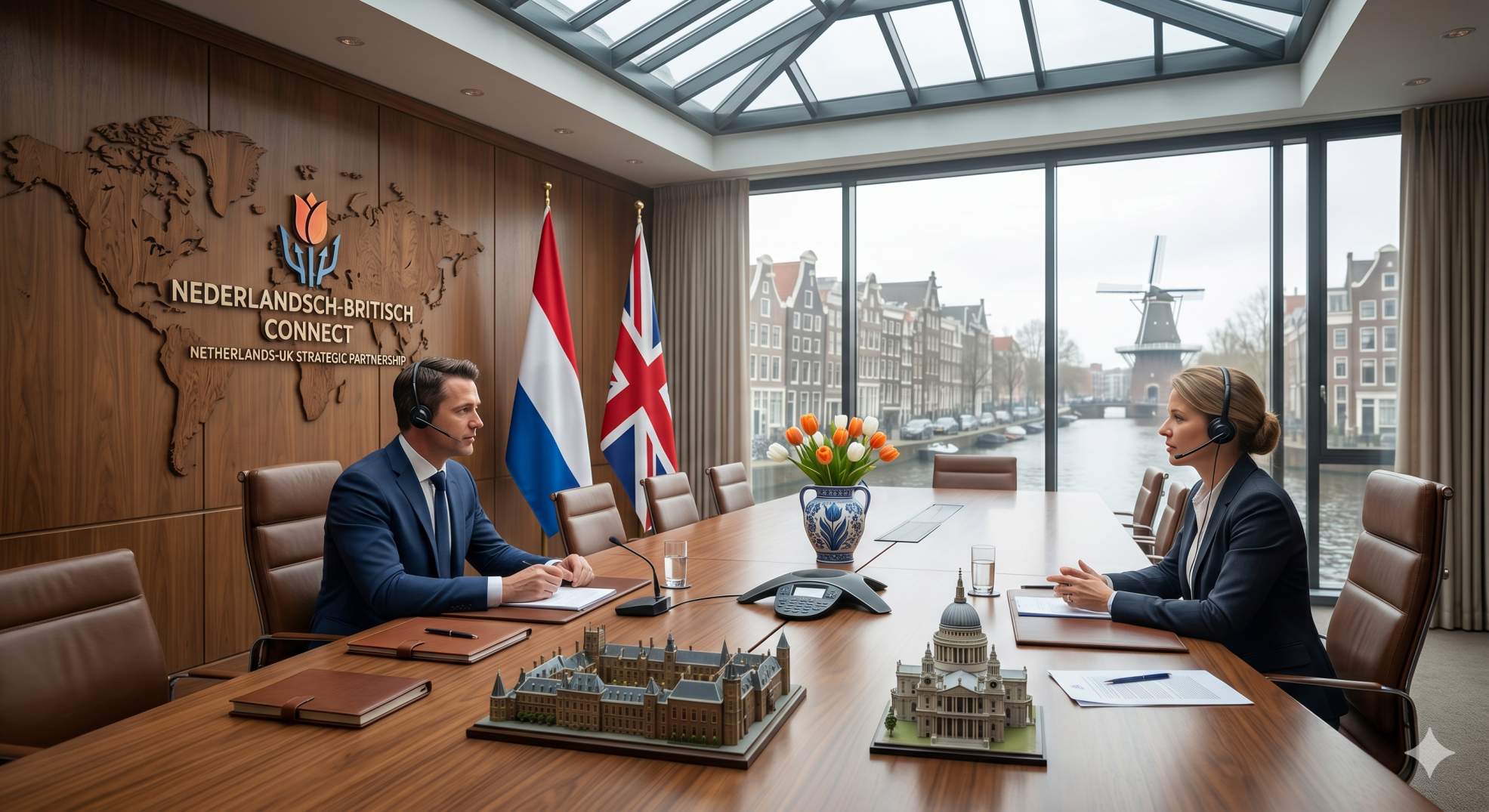
The effectiveness of interpretation services hinges on selecting the appropriate modality for the specific context. For a French interpreter in North Somerset, understanding these different modes is crucial for providing optimal service. Simultaneous interpretation is commonly used in conferences, large meetings, or parliamentary settings where speakers talk continuously. The interpreter, often working in a soundproof booth with specialised equipment, renders the speech into the target language with minimal delay, typically only a few seconds behind the speaker. This requires intense concentration and is usually performed by teams of two interpreters who alternate every 20-30 minutes. Consecutive interpretation is more common in smaller meetings, legal depositions, or medical consultations. Here, the interpreter listens to a segment of speech, waits for the speaker to pause, and then renders the message in the target language. This mode allows for greater accuracy and is less demanding on the interpreter than simultaneous interpretation, but it naturally extends the duration of the interaction. Escort interpretation, also known as liaison interpretation, is used in informal settings, such as business negotiations, site visits, or social events. The interpreter acts as a bridge between parties speaking different languages, facilitating smooth conversation and cultural understanding. This role often involves a degree of cultural mediation. Finally, remote interpretation has become increasingly prevalent, especially following global events. This can take various forms, including telephone interpreting (Voice over IP – VoIP) and video remote interpreting (VRI). VRI, using platforms like Zoom or dedicated interpreting software, allows interpreters to connect with clients and participants remotely, offering flexibility and cost-effectiveness while maintaining a high level of service, provided adequate technology and privacy are ensured. Professional bodies like the International Association of Conference Interpreters (AIIC) and the Chartered Institute of Linguists (CIOL) provide guidance and standards for these different modalities.
Economic and Social Fabric of North Somerset
North Somerset’s economy is diverse, blending traditional industries with emerging sectors, and its social fabric is enriched by a growing international presence. Professional language services play a vital role in supporting this dynamic environment.
Corporate and Industry
The region hosts a range of businesses, from established manufacturing firms to innovative tech start-ups. For companies engaged in international trade, particularly with French-speaking markets, the ability to communicate effectively is a competitive advantage. This includes translating marketing materials, product documentation, and website content, as well as providing interpreters for business meetings, negotiations, and international conferences. Access to skilled French translators and interpreters ensures that North Somerset businesses can build strong relationships with overseas partners, comply with international regulations, and expand their market reach. The Department for Business and Trade offers resources for UK companies looking to export, highlighting the importance of overcoming language barriers.
Tourism
North Somerset boasts significant tourism potential, with attractions ranging from the Mendip Hills to coastal towns like Weston-super-Mare. French-speaking tourists represent an important segment of visitors. Providing multilingual information, signage, and customer service, including access to French interpreters for hospitality staff, enhances the visitor experience and encourages repeat business. This investment in language services can significantly boost the local tourism economy, making North Somerset a more welcoming destination for international travellers.
Legal Infrastructure
As previously discussed, the legal sector is a significant user of interpretation services. Law firms in North Somerset that handle cross-border cases, family law, or immigration matters rely heavily on qualified French interpreters to serve their clients effectively. Ensuring access to justice for all residents, including those who speak French, is a fundamental aspect of the local legal infrastructure. The availability of accredited interpreters through bodies like the NRPSI and DPSI is crucial for maintaining the integrity and accessibility of the legal system, supporting His Majesty’s Courts and Tribunals Service (HMCTS) in its mission.
NHS Healthcare
The healthcare sector in North Somerset, encompassing primary care practices and hospitals, serves a population with diverse linguistic backgrounds. The commitment of NHS trusts like the University Hospitals Bristol and Weston NHS Foundation Trust and the North Bristol NHS Trust to providing culturally competent care necessitates robust language support. This includes readily available French interpreters to ensure clear communication between patients and medical professionals, thereby improving health outcomes and patient satisfaction, in line with NHS England’s language access guidelines and CQC standards.
Local Infrastructure and Transport
North Somerset benefits from a well-developed infrastructure that supports both its residents and its economic activities. Major transport links, including road networks and proximity to Bristol Airport, facilitate national and international connectivity. For businesses and individuals requiring language services, this accessibility is key. The presence of reliable communication channels, whether for remote interpretation services or for facilitating face-to-face meetings, is supported by the region’s infrastructure. The North Somerset Council plays a vital role in planning and maintaining this infrastructure, ensuring that the region remains a conducive environment for economic growth and social well-being. Efficient transport links also mean that professional interpreters can travel readily to various locations within North Somerset and beyond, ensuring timely service delivery for legal, medical, and business appointments.
Conclusion
In conclusion, the need for professional and accredited French interpreter in North Somerset services is undeniable across a spectrum of critical sectors. From ensuring fair trials within the UK justice system under HMCTS, to safeguarding patient well-being within the NHS, and facilitating international commerce, accurate and culturally sensitive interpretation is indispensable. Businesses, legal practitioners, healthcare providers, and public sector organisations in North Somerset must prioritise engaging qualified linguists who adhere to the stringent professional standards set by bodies such as the NRPSI and CIOL. By investing in high-quality French interpretation and translation services, North Somerset can continue to foster an inclusive, accessible, and economically vibrant community, strengthening its ties both domestically and internationally. For your organisation’s communication needs, securing a certified French interpreter in North Somerset is a strategic imperative for success and compliance.