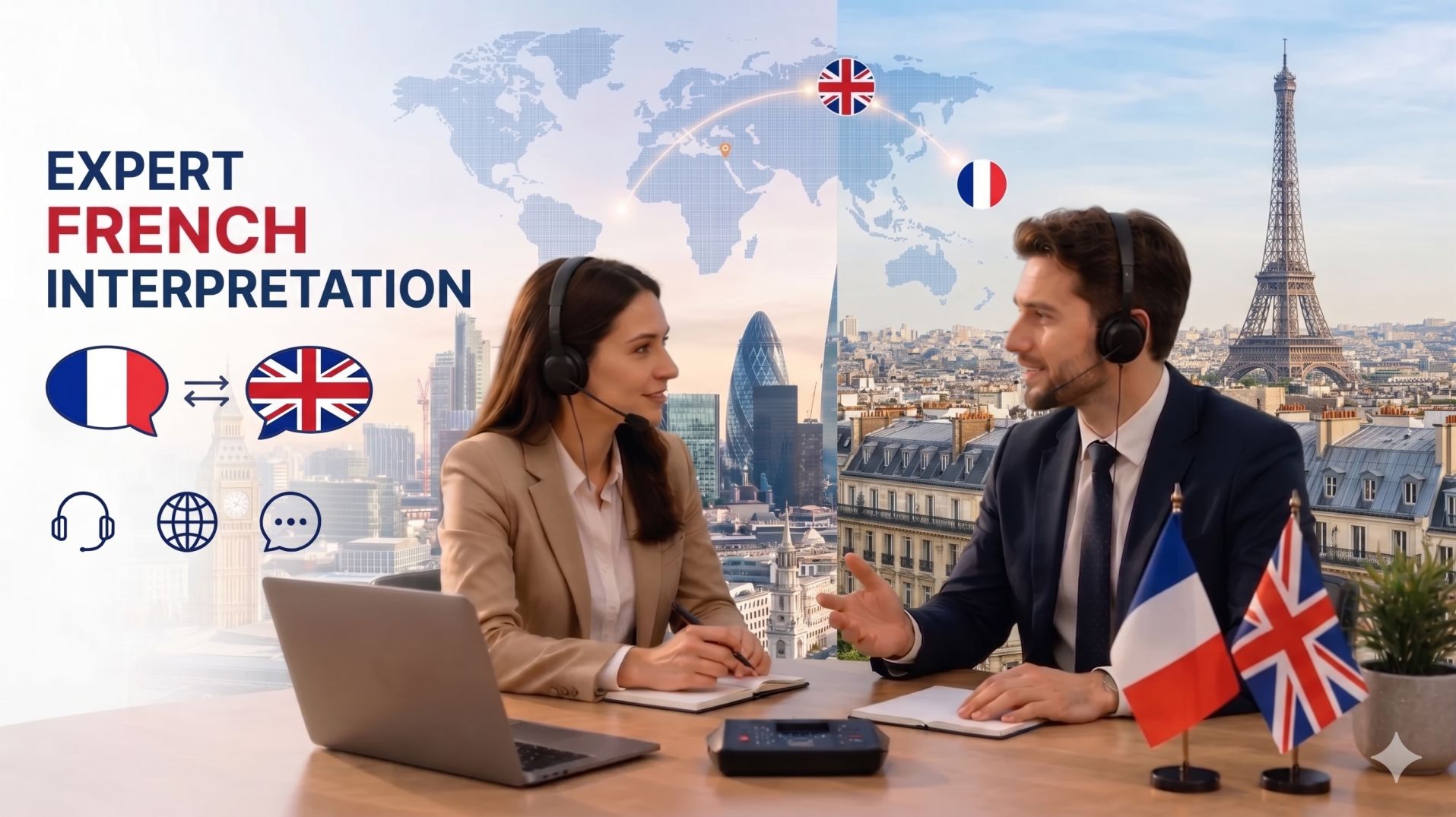
Securing a qualified French interpreter in Northumberland is paramount for ensuring clear communication and upholding legal, medical, and commercial standards within this historically rich region. Northumberland, with its unique blend of rural landscapes and burgeoning business opportunities, requires specialised linguistic support to bridge cultural and language divides. Whether engaging with His Majesty’s Courts and Tribunals Service (HMCTS), navigating the complexities of the National Health Service (NHS) with trusts such as Northumbria Healthcare NHS Foundation Trust and Cumbria, Northumberland, Tyne and Wear NHS Foundation Trust, or facilitating international business transactions, the need for accurate and culturally sensitive interpretation is undeniable. This guide outlines the critical role of professional French interpretation services in Northumberland, highlighting their application across vital sectors and the professional standards that govern them.
Translation vs Interpretation
While often used interchangeably, translation and interpretation are distinct disciplines, each requiring specialised skills and qualifications. Interpretation involves the real-time, oral conversion of spoken or signed language from one language to another. This demands not only fluency in both French and English but also exceptional listening skills, memory retention, cultural understanding, and the ability to think quickly under pressure. A professional French interpreter in Northumberland must be adept at conveying not just the words, but the nuances, tone, and intent of the speaker. In contrast, translation deals with the written word, converting documents, websites, and other textual materials from one language to another. This process allows for more time for research, editing, and proofreading to ensure accuracy. For businesses and legal professionals in Northumberland, understanding this distinction is key to engaging the right linguistic support. For instance, a legal firm might require a certified French translator for contracts and legal documents, while a court case would necessitate a qualified French interpreter. The demand for skilled French translator in Northumberland services is growing, particularly for businesses looking to expand their reach into French-speaking markets or for individuals requiring official document translation for UK immigration or residency purposes.
Legal Defence, Immigration, and Courtroom Interpretation
The administration of justice in the UK relies heavily on the principle of fairness, which includes ensuring that all parties understand the proceedings. For individuals who do not speak English as a first language, access to qualified interpreters is a fundamental right. In Northumberland, this means that French speakers involved in legal matters must have access to interpreters accredited by recognised UK bodies. His Majesty’s Courts and Tribunals Service (HMCTS) mandates the use of qualified interpreters to ensure due process in all court hearings, from the Magistrates’ Court to the Crown Court, and in tribunals. Professional interpreters are essential in cases involving criminal defence, civil litigation, family law, and administrative hearings. The National Register of Public Service Interpreters (NRPSI) sets rigorous standards for interpreters working in the public sector, including the legal field. Membership with the NRPSI, or holding a qualification such as the Diploma in Public Service Interpreting (DPSI), signifies a high level of competence and adherence to a strict code of conduct. This ensures that interpreters maintain impartiality, confidentiality, and accuracy, which are critical in legal settings. Immigration law is another area where French interpretation is vital. Individuals seeking asylum, applying for visas, or undergoing interviews with the Home Office or UK Visas and Immigration (UKVI) require interpreters to articulate their circumstances accurately. The First-tier Immigration Tribunal also relies on these services to ensure fair hearings. A failure to provide adequate interpretation can lead to miscarriages of justice, and professional bodies like the NRPSI play a crucial role in maintaining the integrity of the justice system by vetting and registering qualified interpreters.
Healthcare and NHS Patient Safety
Effective communication is the cornerstone of safe and high-quality healthcare. In Northumberland, the NHS is committed to providing accessible services to all residents, regardless of their linguistic background. For French-speaking patients, accessing healthcare services, understanding diagnoses, treatment plans, and consenting to procedures can be challenging without professional interpretation. The NHS has clear guidelines, aligned with NHS England’s Language Access Policy and UK GDPR, to ensure that language barriers do not impede patient care or compromise patient safety. Specific NHS trusts serving Northumberland, such as Northumbria Healthcare NHS Foundation Trust and Cumbria, Northumberland, Tyne and Wear NHS Foundation Trust, are obligated to provide interpretation services when needed. This includes consultations with GPs, hospital appointments, emergency care, and mental health services. The Care Quality Commission (CQC) also emphasises the importance of effective communication in its inspections, recognising that inadequate language support can lead to patient harm. Professional French interpreters working within the NHS must not only be linguistically proficient but also understand medical terminology and the sensitive nature of healthcare interactions. They must adhere to a strict code of confidentiality, mirroring the professional standards expected within the medical field and governed by bodies like the NRPSI. Ensuring that French-speaking patients can fully participate in their healthcare decisions is a matter of both patient rights and public health. The use of unqualified interpreters or relying on family members can lead to misunderstandings, errors in medication, and a breakdown in the patient-clinician relationship, underscoring the necessity of professional, accredited French interpreters in Northumberland’s healthcare settings.
Technical Interpretation Modalities
The nature of the communication often dictates the modality of interpretation required. Professional French interpreters in Northumberland are skilled in various techniques to suit different contexts. Consecutive interpretation is commonly used in one-on-one meetings, doctor’s appointments, or smaller group discussions. The interpreter listens to a segment of speech, then renders it in the target language, allowing for a natural flow of conversation with brief pauses. Simultaneous interpretation is employed in larger settings such as conferences, international meetings, or court proceedings where immediate translation is necessary. The interpreter, often working from a soundproof booth with specialised equipment, listens to the speaker and interprets almost concurrently, with only a few seconds’ delay. This requires intense concentration and highly developed skills. Escort interpretation, also known as liaison interpretation, facilitates communication between parties who speak different languages in informal settings, such as business negotiations, site visits, or social events. The interpreter acts as a cultural bridge, ensuring smooth interaction. For remote communication, remote simultaneous interpretation (RSI) and other remote interpreting services have become increasingly prevalent, especially following global events. These services leverage technology to connect interpreters with clients via phone or video conferencing platforms, offering flexibility and cost-effectiveness while maintaining professional standards. Selecting the appropriate interpretation modality is crucial for the success of any multilingual interaction in Northumberland, ensuring that the message is conveyed accurately and efficiently.
Economic and Social Fabric of Northumberland
Northumberland’s economy is a dynamic mix of traditional industries and emerging sectors, supported by a rich cultural heritage and a growing international outlook. Professional French interpretation services play a vital role in supporting this diverse economic and social landscape.
Corporate and Industry
Northumberland’s industrial base includes manufacturing, agriculture, and renewable energy, with increasing opportunities for international trade and investment. Businesses operating in or looking to engage with French-speaking markets require expert French interpreters and translators to facilitate negotiations, market research, technical documentation, and client communications. This support is crucial for securing contracts, managing supply chains, and fostering international partnerships. The presence of skilled linguistic professionals ensures that Northumbrian businesses can compete effectively on a global stage, accessing new markets and attracting foreign investment.
Tourism
With its stunning coastline, historic castles, and Hadrian’s Wall, Northumberland is a significant tourist destination. Attracting French-speaking tourists requires accessible information and services. Professional interpretation and translation of marketing materials, websites, and visitor information enhance the visitor experience, encouraging repeat visits and positive word-of-mouth referrals. Local businesses, from hotels and restaurants to heritage sites, can benefit from having access to French-speaking staff or interpretation services to cater to this important demographic.
Legal Infrastructure
As previously discussed, the legal sector in Northumberland, like across the UK, demands precision and adherence to strict protocols. French interpreters are indispensable for law firms, solicitors, and legal aid services dealing with clients who speak French. This ensures that all parties understand their rights and obligations, from initial consultations to court appearances before His Majesty’s Courts and Tribunals Service (HMCTS). The availability of accredited interpreters upholds the principles of justice and accessibility within the local legal framework.
NHS Healthcare
The National Health Service (NHS) in Northumberland serves a diverse population. Providing equitable access to healthcare for French speakers is a priority. Professional French interpreters facilitate vital communication between patients and healthcare providers, ensuring accurate diagnoses, effective treatment, and informed consent. This is critical for patient safety and trust in the healthcare system, supporting trusts like Northumbria Healthcare NHS Foundation Trust and Cumbria, Northumberland, Tyne and Wear NHS Foundation Trust in delivering high-quality care to all residents.
Local Infrastructure and Transport
Northumberland’s infrastructure, including its transport networks, plays a key role in its connectivity. While the county is known for its scenic beauty, it also possesses road and rail links that connect it to the wider UK and beyond. For businesses and visitors, navigating these systems and accessing services can be enhanced by linguistic support. Whether it’s understanding public transport information, engaging with local authorities, or coordinating logistics, professional French interpretation and translation services ensure that language is never a barrier to accessing or utilising local resources. This includes support for local government services, utility providers, and emergency services, ensuring that all residents and visitors can engage effectively with the essential services that underpin daily life in Northumberland.
In conclusion, the presence of a reliable French interpreter in Northumberland is not merely a convenience but a necessity for the region’s continued growth and the well-being of its diverse population. From ensuring justice in the courtroom and safety in healthcare settings to fostering international business relationships and enhancing the tourism experience, professional interpretation services are integral to the functioning of a modern, inclusive society. Engaging accredited professionals guarantees accuracy, confidentiality, and cultural understanding, upholding the highest standards expected by UK institutions and professional bodies.