
Securing a qualified French interpreter in Omagh is paramount for effective communication across vital sectors of the UK economy and public services. Whether engaging with His Majesty’s Courts and Tribunals Service (HMCTS), navigating the complexities of the National Health Service (NHS) with trusts such as the Northern Health and Social Care Trust or the Southern Health and Social Care Trust, or facilitating crucial business interactions, the need for precise linguistic support cannot be overstated. This service ensures that legal proceedings, patient care, and commercial agreements are conducted with the utmost accuracy and adherence to UK professional standards, safeguarding rights and fostering understanding within the Omagh community and beyond.
Translation vs Interpretation
Understanding the distinction between translation and interpretation is fundamental when seeking linguistic assistance. While both involve conveying meaning from one language to another, they are distinct disciplines requiring different skill sets and methodologies. Translation is the process of converting written text from a source language into a target language. This typically involves in-depth research, careful drafting, and meticulous proofreading to ensure accuracy and fidelity to the original document. A French translator in Omagh, for instance, would work with legal documents, business reports, technical manuals, or marketing materials, ensuring the written word is accurately rendered for a UK audience. This process allows for reflection, revision, and the use of dictionaries and glossaries to achieve the highest level of precision.
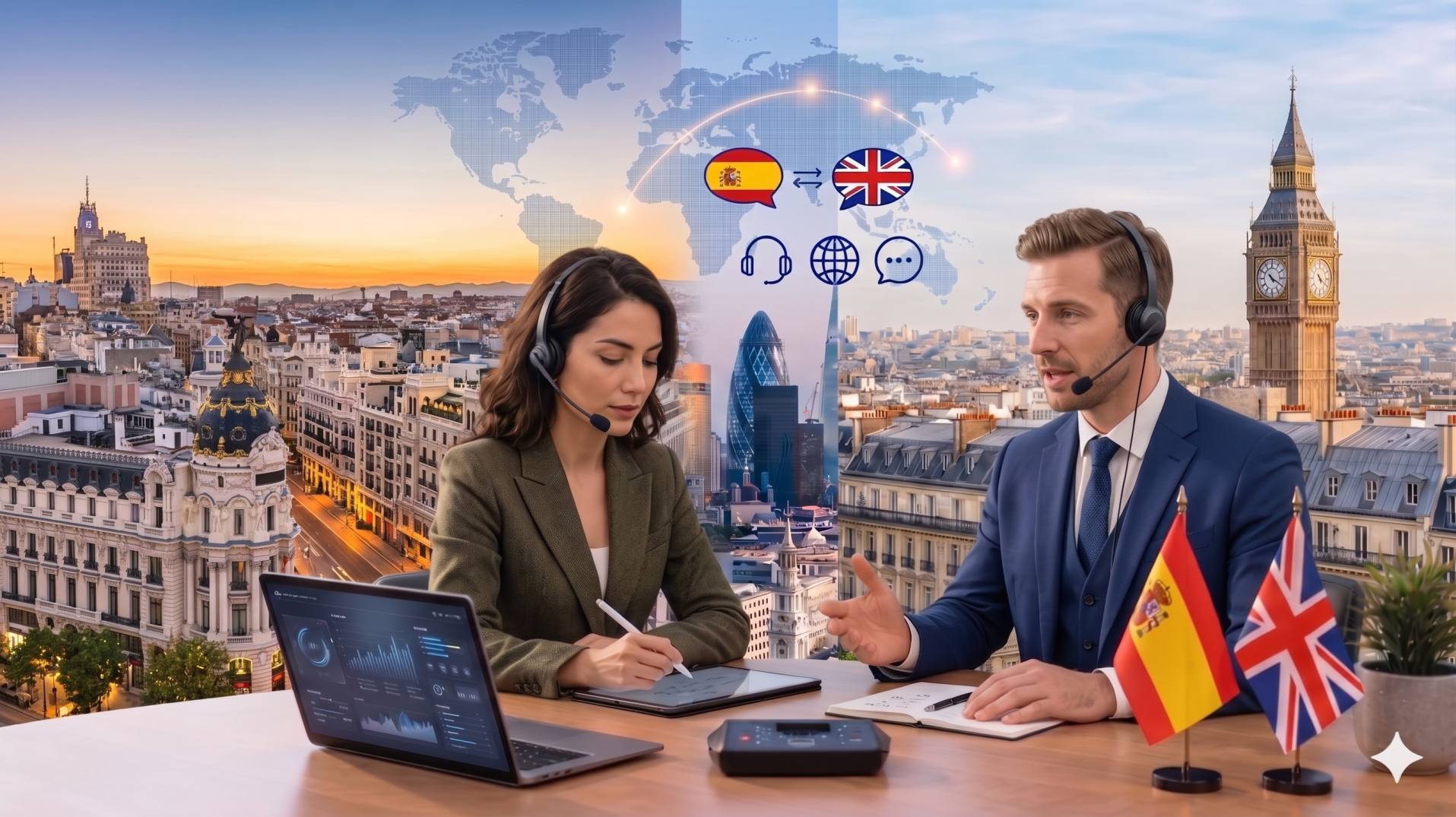
Interpretation, on the other hand, is the real-time, spoken conversion of one language into another. This demands a high degree of linguistic fluency, cultural awareness, and the ability to think and speak under pressure. An interpreter must not only understand the nuances of both languages but also the context of the communication, be it a courtroom, a hospital ward, or a business meeting. The primary keyword, French interpreter in Omagh, highlights the critical need for live, spoken communication support. Interpreters work without the luxury of written aids and must possess exceptional short-term memory, rapid processing skills, and the ability to convey tone, emotion, and intent accurately. Professional interpreters adhere to strict ethical codes, ensuring confidentiality and impartiality, as mandated by bodies like the National Register of Public Service Interpreters (NRPSI), which sets the benchmark for public service interpreting in the UK.
Legal Defence, Immigration, and Courtroom Interpretation
The UK’s legal system, governed by principles of natural justice and due process, relies heavily on the availability of skilled interpreters to ensure fair trials and access to justice for all. For individuals who do not speak English as a first language, particularly those involved in proceedings before His Majesty’s Courts and Tribunals Service (HMCTS), a qualified French interpreter is indispensable. This applies to a wide range of legal matters, from criminal defence cases heard in Crown Courts to civil disputes in the County Court, and administrative hearings in tribunals such as the First-tier Tribunal (Immigration and Asylum Chamber).
The role of the interpreter in a legal setting is multifaceted and critical. They must ensure that defendants understand the charges against them, the proceedings, and the evidence presented. Equally, they must ensure that judges, barristers, and solicitors can understand the testimony of witnesses and the statements of parties involved. This requires not only linguistic accuracy but also a deep understanding of legal terminology and courtroom etiquette as practised in the UK. Professional bodies like the NRPSI and the Diploma in Public Service Interpreting (DPSI) qualification are vital in ensuring that interpreters meet the rigorous standards required for legal work. Law firms in Omagh and across the UK often require interpreters accredited by these bodies to guarantee the integrity of their clients’ cases and to comply with legal aid requirements and professional obligations.
Furthermore, in matters of immigration, the UK Visas and Immigration (UKVI) section of the Home Office, along with immigration solicitors, rely on interpreters to facilitate interviews, appeals, and asylum claims. The accuracy of interpretation in these sensitive cases can have profound consequences for an individual’s right to live, work, or remain in the UK. The Home Office mandates the use of qualified interpreters, and adherence to these requirements is crucial for successful applications and appeals. A proficient French interpreter in Omagh can bridge the communication gap, ensuring that all parties understand the proceedings and that individuals can effectively present their case to the relevant authorities, including the First-tier Immigration Tribunal.
Healthcare and NHS Patient Safety
Patient safety and equitable access to healthcare are cornerstones of the National Health Service (NHS) in the United Kingdom. For French-speaking patients in Omagh and the surrounding areas, effective communication with healthcare professionals is not merely a matter of convenience but a critical component of safe and effective medical care. The NHS operates under stringent guidelines, including those set by the Care Quality Commission (CQC), which oversees the quality and safety of health and social care services. These guidelines emphasise the importance of clear communication, especially for individuals with limited English proficiency.
When a patient requires medical attention, whether for a routine consultation, a diagnostic procedure, or emergency treatment, the ability to communicate symptoms, medical history, and concerns accurately is vital. Misunderstandings can lead to misdiagnosis, incorrect treatment, medication errors, and a general erosion of trust between patient and provider. Therefore, the provision of qualified French medical interpreters is essential for NHS trusts serving Omagh, such as the Northern Health and Social Care Trust and the Southern Health and Social Care Trust. These interpreters must not only be linguistically adept but also possess a thorough understanding of medical terminology, procedures, and the sensitive nature of healthcare interactions.
Adherence to UK data protection laws, specifically the UK General Data Protection Regulation (UK GDPR), is also paramount. Interpreters are bound by strict confidentiality agreements, ensuring that patient information remains private and secure. NHS England’s Language Access guidelines further underscore the requirement for professional interpreting services to be readily available, ensuring that all patients, regardless of their linguistic background, receive the highest standard of care. Professional bodies like the NRPSI and the Chartered Institute of Linguists (CIOL) play a role in setting professional standards for interpreters working within the healthcare sector, ensuring competence and ethical conduct.
Technical Interpretation Modalities
The effective delivery of interpretation services relies on selecting the appropriate modality to suit the specific context and requirements of the communication. For a French interpreter in Omagh, understanding these different modes is crucial for providing seamless and efficient linguistic support. The choice of modality significantly impacts the flow of conversation, the level of engagement, and the overall effectiveness of the interaction.
Simultaneous interpretation is perhaps the most demanding form, where the interpreter speaks almost concurrently with the source speaker, often with only a few seconds’ delay. This is typically used in large conferences, international meetings, or parliamentary sessions where time is of the essence and participants need to follow proceedings in their native language without significant interruption. It requires highly specialised skills, intense concentration, and often the use of soundproof booths and sophisticated audio equipment.
Consecutive interpretation involves the interpreter listening to a segment of speech (a sentence or a few sentences) and then rendering it into the target language. This is common in smaller meetings, one-on-one discussions, legal depositions, or medical consultations where a more natural conversational flow is desired. The interpreter takes notes to aid their memory and delivers the interpretation after the speaker has finished their thought. This mode allows for more interaction and clarification.
Escort interpretation, also known as liaison interpretation, is typically used for business meetings, factory tours, or social events. The interpreter acts as a bridge between parties speaking different languages, facilitating communication in a more informal setting. They often travel with the client and may interpret short segments of speech back and forth, helping to build rapport and understanding.
In recent years, remote interpretation has gained significant traction, especially with advancements in technology. This can take various forms, including telephone interpreting (Voice over IP) and video remote interpreting (VRI). VRI, in particular, allows clients to connect with an interpreter via a video link, offering a visual cue that can enhance understanding, making it a viable alternative to in-person interpretation for many scenarios, including some legal and healthcare settings, provided data security and privacy are assured according to UK GDPR standards.
Economic and Social Fabric of Omagh
Omagh, the county town of County Tyrone, plays a significant role in the economic and social landscape of Northern Ireland. Understanding its local context is crucial for businesses and public services seeking to engage effectively with the community and its stakeholders. The presence of a skilled French interpreter in Omagh can facilitate smoother operations and broader engagement across various sectors.
Corporate and Industry
The economic activity in and around Omagh is diverse, encompassing sectors such as agriculture, manufacturing, and retail. For businesses operating in or looking to engage with Omagh, international trade and partnerships are increasingly important. French companies looking to invest in Northern Ireland, or local businesses seeking to export to French-speaking markets, require professional linguistic services. This includes translating marketing materials, negotiating contracts, and facilitating business meetings. The Invest Northern Ireland agency supports businesses looking to expand internationally, and access to accurate French translation and interpretation services is vital for such endeavours. Ensuring clear communication in all corporate dealings upholds professional standards and fosters strong business relationships, crucial for success in the competitive UK market.
Tourism
Omagh and its surrounding region boast rich cultural heritage and natural beauty, attracting visitors from across the UK and internationally. While English is the primary language, a growing number of tourists may speak French. Providing information, services, and hospitality in French can significantly enhance the visitor experience. This includes translating tourism brochures, website content, and signage, as well as providing interpretation services for guided tours or at local attractions. Enhancing accessibility for French-speaking tourists can boost the local tourism economy, aligning with the broader UK strategy to promote heritage and cultural tourism.
Legal Infrastructure
Omagh hosts a number of legal practices and is served by the local courts. As previously detailed, the UK legal system requires strict adherence to due process, which necessitates qualified interpreters for non-English speakers. French-speaking individuals involved in any legal matter within Omagh, whether as defendants, witnesses, or parties to a civil dispute, will require the services of a certified HMCTS interpreter. Law firms specialising in areas such as family law, criminal defence, or civil litigation often engage interpreters to ensure their clients’ rights are protected and that proceedings are conducted fairly and transparently, in line with UK legal standards.
NHS Healthcare
The healthcare provision in Omagh is primarily managed by the Northern and Southern Health and Social Care Trusts. These trusts are committed to providing accessible and high-quality healthcare to all residents. For the French-speaking population, this means ensuring that language barriers do not impede access to medical advice, treatment, or preventative care. The availability of professional French interpreters is crucial for consultations, hospital stays, and accessing community health services. This commitment aligns with the NHS’s core values and the legal requirements under UK law to provide equitable services to all patients, regardless of their primary language, as overseen by the CQC.
Local Infrastructure and Transport
Omagh is a key hub within County Tyrone, benefiting from a developed local infrastructure that supports its economic and social functions. The town is served by a network of roads, including the A5, which connects it to other major towns and cities in Northern Ireland and the Republic of Ireland. Public transport options, including bus services operated by Translink, facilitate movement within the town and to surrounding areas. For businesses and individuals requiring interpretation services, the accessibility of Omagh is a key factor. Whether for court appearances at the local courthouse, medical appointments within the NHS facilities, or business meetings, the transport links ensure that interpreters can reach their assignments efficiently. The presence of reliable infrastructure supports the seamless integration of professional services, including linguistic support, into the daily operations of the town and its wider region, contributing to the overall economic vitality and social cohesion within the UK context.
In conclusion, the need for a professional French interpreter in Omagh is multifaceted, extending across the critical domains of legal proceedings, healthcare, business, and public services. Ensuring access to qualified and accredited interpreters is not merely a matter of linguistic facilitation but a fundamental requirement for upholding justice, ensuring patient safety, fostering economic growth, and promoting social inclusion within the United Kingdom. By engaging certified professionals who adhere to UK standards, organisations can guarantee accurate communication, protect the rights of individuals, and build trust within the diverse communities they serve. If your organisation requires expert French interpretation services in Omagh or any other part of the UK, seeking out accredited professionals is the essential first step towards achieving clear, accurate, and effective communication.
Additional Local Resources
- Omagh District Council (Historical – now part of Fermanagh and Omagh District Council)
- Fermanagh and Omagh District Council
- Northern Health and Social Care Trust
- Southern Health and Social Care Trust
- His Majesty’s Courts and Tribunals Service (HMCTS)
- National Register of Public Service Interpreters (NRPSI)
- Home Office
- Invest Northern Ireland