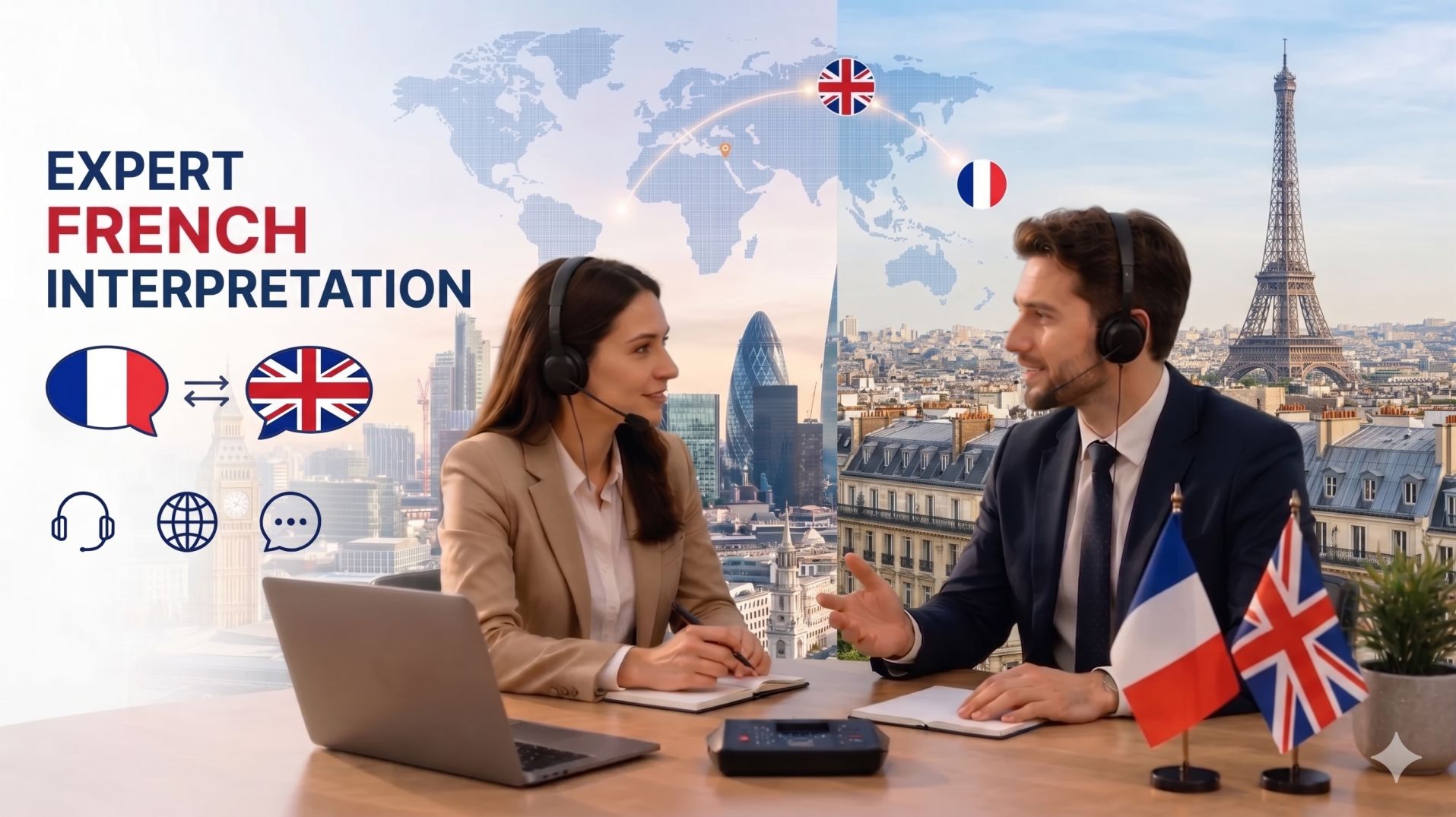
Securing a qualified French interpreter in Southend-on-Sea is paramount for effective communication across critical sectors within the UK. Whether navigating the complexities of His Majesty’s Courts and Tribunals Service (HMCTS), ensuring patient safety within the National Health Service (NHS), or facilitating international business dealings, the need for precise and culturally attuned linguistic support cannot be overstated. For residents and businesses in Southend-on-Sea, access to professional interpreters is vital for upholding legal rights, accessing healthcare, and fostering economic growth. This service is indispensable for individuals and organisations interacting with institutions such as the Southend University Hospital NHS Foundation Trust (https://www.southend.nhs.uk/) and the Mid and South Essex NHS Foundation Trust (https://www.msesst.nhs.uk/), both of which serve the Southend-on-Sea area and are committed to providing accessible care to all patients, regardless of their language proficiency.
Translation vs Interpretation
While often used interchangeably, translation and interpretation are distinct linguistic disciplines, each requiring specialised skills and adhering to different professional standards. Understanding this difference is crucial when seeking linguistic support, particularly for official or sensitive matters. Interpretation involves the real-time, oral conversion of spoken or signed language from one language to another. This requires not only a deep understanding of both source and target languages but also exceptional listening skills, memory, and the ability to convey nuance, tone, and intent accurately. A professional interpreter must also possess cultural competence to bridge any gaps in understanding that might arise from differing cultural contexts. Conversely, translation deals with the written word, converting documents, websites, and other textual materials from one language to another. This process allows for more time for research, editing, and proofreading, aiming for a high degree of accuracy and fidelity to the original text. For legal proceedings, medical consultations, or business negotiations, the distinction is critical. An error in interpretation can have immediate and significant consequences, whereas a translation error might be identified and corrected before dissemination. Therefore, when engaging linguistic services, it is vital to specify whether you require a French translator in Southend-on-Sea for written documents or an interpreter for spoken communication. Professional bodies such as the National Register of Public Service Interpreters (NRPSI) (https://www.nrpsi.uk/) and the Chartered Institute of Linguists (CIOL) (https://www.ciol.org.uk/) set the standards for both professions, ensuring that practitioners are qualified and adhere to strict codes of conduct. For those requiring written materials converted, a certified French translator in Southend-on-Sea will ensure accuracy and compliance with UK legal and business standards.
Legal Defence, Immigration, and Courtroom Interpretation
The UK justice system, overseen by His Majesty’s Courts and Tribunals Service (HMCTS), mandates that all parties involved in legal proceedings have access to justice, which includes understanding the proceedings and being understood. This is particularly critical for individuals who do not speak English as a first language. For French speakers involved in any legal matter in Southend-on-Sea, whether civil, criminal, or family law, the provision of a qualified French interpreter is not merely a courtesy but a legal necessity. These interpreters must be proficient in legal terminology and understand the protocols of the courtroom. They are essential in hearings before magistrates, district judges, and High Court judges, ensuring that evidence is presented accurately, witness testimony is correctly recorded, and defendants fully comprehend the charges against them and their legal rights. The First-tier Immigration Tribunal and the Upper Tribunal (Immigration and Asylum Chamber) frequently require skilled interpreters to facilitate hearings concerning visa applications, asylum claims, and deportation orders. The Home Office, through UK Visas and Immigration (UKVI), also relies on accurate interpretation during interviews and assessments. Professional interpreters working in this domain often hold qualifications such as the Diploma in Public Service Interpreting (DPSI), which includes specialised modules in law, or are registered with the NRPSI. Their adherence to a strict code of ethics, including confidentiality and impartiality, is vital for maintaining the integrity of the legal process. Failure to provide adequate interpretation can lead to miscarriages of justice, and legal professionals, including solicitors and barristers operating in Southend-on-Sea, must ensure that appropriate arrangements are made through accredited agencies or directly with qualified freelance interpreters. The Royal Courts of Justice, while a London institution, sets precedents and standards that apply across all UK courts, underscoring the importance of professional linguistic support nationwide.
Healthcare and NHS Patient Safety
Patient safety within the NHS is a cornerstone of healthcare delivery in the UK, and effective communication is fundamental to achieving this. For French-speaking patients in Southend-on-Sea, accessing healthcare services without a language barrier is crucial for accurate diagnosis, informed consent, and appropriate treatment. The Southend University Hospital NHS Foundation Trust and the Mid and South Essex NHS Foundation Trust are committed to adhering to NHS England’s Language Access guidelines, which stipulate the provision of competent interpreters and translated materials for patients with limited English proficiency. A qualified French interpreter ensures that patients can fully understand their medical conditions, treatment options, potential risks, and post-operative care instructions. This is particularly important for complex procedures, chronic disease management, and mental health consultations, where misunderstandings can have severe consequences. The Care Quality Commission (CQC), the independent regulator of health and social care in England, also emphasises the importance of effective communication in its inspections, assessing how providers ensure that patients receive safe and high-quality care. Interpreters working within the NHS must not only be linguistically proficient but also understand medical terminology and ethical considerations, such as patient confidentiality, which is further reinforced by UK GDPR (General Data Protection Regulation). Professional interpreters in this field often hold the DPSI qualification with a Health module or are registered with the NRPSI. They are trained to facilitate clear communication between clinicians and patients, ensuring that the patient’s voice is heard and their needs are met. Engaging a professional French interpreter in Southend-on-Sea for NHS services is an investment in patient safety and equitable healthcare access, aligning with the core values of the National Health Service.
Technical Interpretation Modalities
The effective delivery of interpretation services relies on selecting the appropriate modality to suit the specific context and requirements of the communication. For a French interpreter in Southend-on-Sea, several technical modalities are commonly employed, each with its unique application:
- Simultaneous Interpretation: This is the most demanding form of interpretation, where the interpreter speaks the target language almost concurrently with the source language speaker, typically with a slight delay of a few seconds. It requires specialised equipment, such as soundproof booths, headsets, and microphones, and is commonly used in large conferences, international meetings, and parliamentary sessions where seamless communication is essential. The interpreter must possess exceptional concentration and rapid processing skills.
- Consecutive Interpretation: In this mode, the interpreter listens to a segment of speech (a sentence or a few sentences) and then renders it into the target language. This is often used in smaller meetings, legal depositions, medical appointments, and one-on-one discussions. It allows for a more natural flow of conversation but takes longer than simultaneous interpretation. The interpreter needs a strong memory and note-taking skills.
- Escort Interpretation (Liaison Interpretation): This involves the interpreter accompanying a client or group and facilitating communication between parties who speak different languages. It is common in business negotiations, site visits, social events, and diplomatic missions. The interpreter acts as a bridge, ensuring smooth dialogue and cultural understanding.
- Remote Simultaneous Interpretation (RSI): With advancements in technology, RSI allows interpreters to work from anywhere in the world, connecting to events via secure online platforms. This modality offers flexibility and cost-effectiveness, especially for international events. It requires reliable internet connectivity and specialised software, and the interpreter must be adept at using these tools while maintaining high standards of performance.
The choice of modality depends on factors such as the number of participants, the setting, the urgency of the communication, and the budget. Professional interpreting agencies and freelance interpreters in Southend-on-Sea can advise on the most suitable modality for any given requirement, ensuring that communication objectives are met efficiently and effectively.
Economic and Social Fabric of Southend-on-Sea
Southend-on-Sea, a vibrant coastal town in Essex, possesses a dynamic economic and social landscape that increasingly benefits from international connections. The presence of professional linguistic services, such as a skilled French interpreter in Southend-on-Sea, plays a crucial role in supporting this growth and ensuring inclusivity.
Corporate and Industry
The town and its surrounding areas host a diverse range of businesses, from burgeoning tech startups to established manufacturing firms and service providers. For companies engaged in international trade, seeking investment from French-speaking markets, or collaborating with French partners, accurate communication is non-negotiable. Professional interpretation and translation services facilitate contract negotiations, client meetings, technical documentation, and marketing materials, ensuring that UK businesses can compete effectively on a global stage. The availability of qualified French linguists supports the town’s ambition to attract foreign direct investment and foster innovation within its business community. Organisations like the Confederation of British Industry (CBI) (https://www.cbi.org.uk/) highlight the importance of international trade for UK economic prosperity, a sentiment echoed by local enterprise support agencies.
Tourism
As a popular seaside resort, Southend-on-Sea attracts visitors from across the UK and beyond. While French tourism might not be as dominant as domestic travel, any international visitor, including those from France, benefits from accessible information and services. Local businesses, including hotels, restaurants, and attractions, can enhance their visitor experience by providing multilingual information or having access to interpreters. This not only improves customer satisfaction but also promotes Southend-on-Sea as a welcoming destination for a broader range of international tourists, potentially increasing revenue for the local economy. The Southend-on-Sea Borough Council (https://www.southend.gov.uk/) actively promotes the town as a visitor destination, and multilingual support can be a key differentiator.
Legal Infrastructure
Southend-on-Sea has a well-established legal community, with numerous law firms and access to His Majesty’s Courts and Tribunals Service (HMCTS) facilities. French speakers involved in legal matters, whether as parties to a dispute, witnesses, or victims, require professional interpretation to ensure fair access to justice. This includes interactions with local solicitors, barristers, and court officials. The demand for interpreters extends to areas such as conveyancing, family law, and criminal defence. The presence of qualified French interpreters ensures that the legal rights of all individuals are protected, regardless of their linguistic background, upholding the principles of justice administered by HMCTS.
NHS Healthcare
The healthcare needs of Southend-on-Sea’s population are served by the Southend University Hospital NHS Foundation Trust and the wider Mid and South Essex NHS Foundation Trust. Ensuring that French-speaking residents and visitors can access timely and effective medical care is a priority. Professional interpreters facilitate consultations, diagnostic procedures, and emergency care, preventing miscommunication that could compromise patient safety. This commitment to linguistic accessibility is vital for maintaining public health and ensuring that all members of the community receive the high-quality care expected from the NHS. The Care Quality Commission (CQC) oversees standards across these trusts, with effective communication being a key performance indicator.
Local Infrastructure and Transport
Southend-on-Sea benefits from robust local infrastructure and transport links, facilitating both domestic and international connectivity. The town is served by a comprehensive road network, including the A127 and A13, providing efficient access to London and the wider motorway system. Public transport is well-developed, with Southend Victoria and Southend Central stations offering regular rail services to London Liverpool Street and Fenchurch Street respectively. For international travel, London Southend Airport provides a convenient gateway for flights to European destinations, including those in France. The Port of Harwich is also within reasonable travelling distance for ferry services. This connectivity is crucial for businesses and individuals requiring the services of a French interpreter in Southend-on-Sea, enabling seamless travel for international clients, delegates, or individuals attending important appointments. The efficiency of these transport links ensures that interpreters can reach their assignments promptly, whether they are based locally or travelling from further afield. Furthermore, the town’s digital infrastructure is continually improving, supporting the increasing demand for remote interpretation services, which can be accessed from anywhere with a stable internet connection.
Conclusion
For any organisation or individual requiring linguistic assistance in Southend-on-Sea, engaging a professional French interpreter in Southend-on-Sea is essential for ensuring clarity, accuracy, and compliance across all critical interactions. From the courtroom to the hospital ward, and from the boardroom to international business meetings, the services of a qualified interpreter uphold legal rights, safeguard patient well-being, and foster economic opportunity. We are committed to providing expert, confidential, and reliable French interpretation services tailored to the specific needs of the UK professional services market. Contact us today to discuss your requirements and ensure seamless communication.