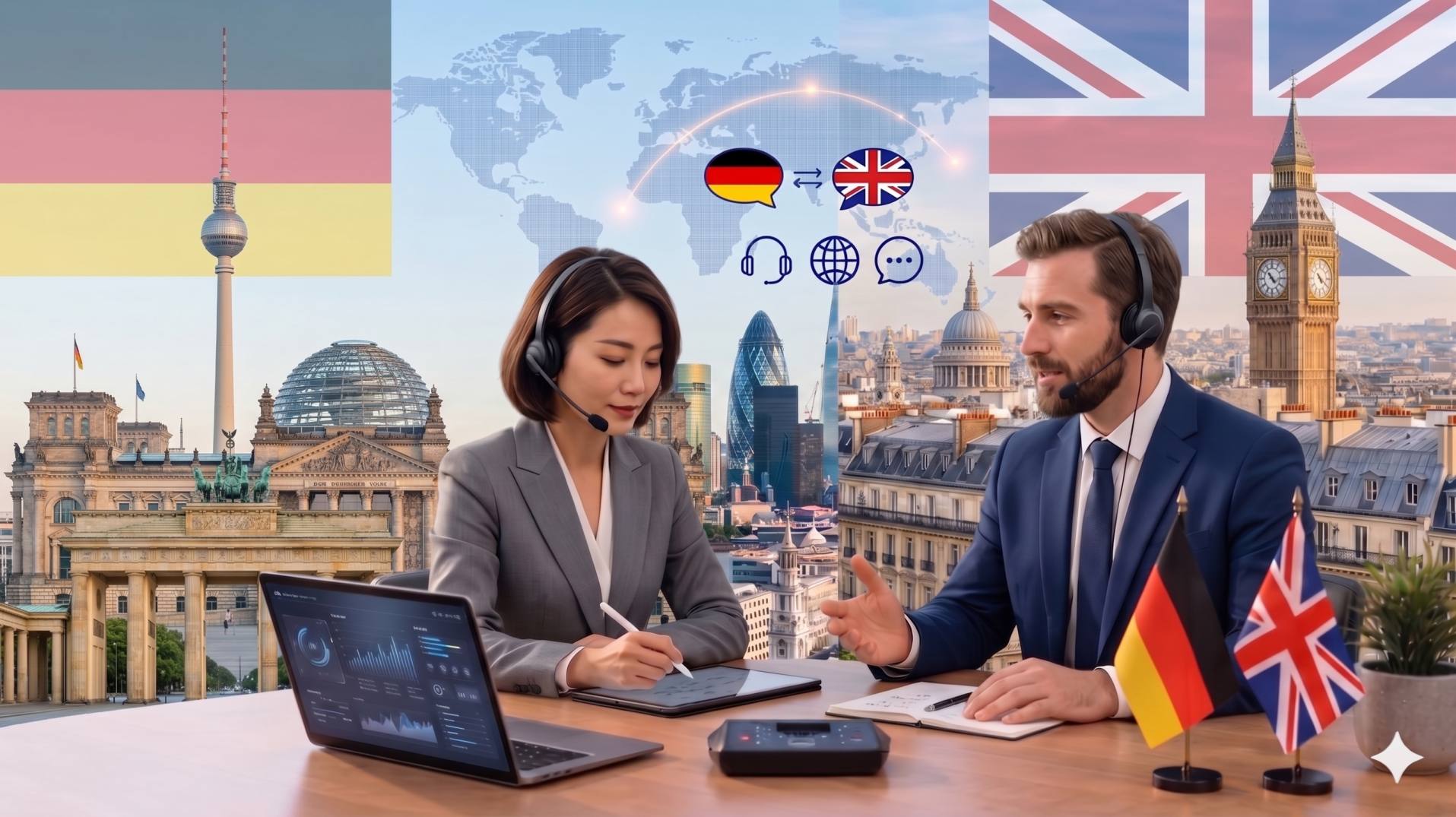
Securing a qualified German interpreter in Aberdeenshire is paramount for effective communication across diverse sectors, from legal proceedings and healthcare to international business dealings. Aberdeenshire, a region known for its rich history and dynamic economy, relies on robust linguistic support to bridge cultural and language divides. This is particularly crucial within the vital public services, such as the NHS Grampian and the NHS Highland (serving parts of Aberdeenshire), ensuring that all residents, regardless of their primary language, receive equitable access to essential services and information. Professional interpretation services are not merely a convenience; they are a fundamental requirement for justice, patient safety, and economic prosperity within the United Kingdom.
Translation vs Interpretation
While often used interchangeably, translation and interpretation are distinct linguistic disciplines, each requiring specialised skills and adherence to professional standards. Interpretation involves the real-time, oral conversion of spoken or signed language from one language to another. This demands not only fluency in both the source and target languages but also exceptional listening comprehension, memory recall, and the ability to convey meaning, tone, and nuance accurately and instantaneously. A skilled German translator in Aberdeenshire, conversely, works with written texts, converting documents, websites, and other written materials from one language to another. This process allows for more time for research, editing, and refinement to ensure precision and stylistic fidelity. For legal, medical, and official purposes in the UK, the distinction is critical. For instance, court proceedings require live interpretation, whereas legal contracts or medical records necessitate meticulous translation. Professional bodies such as the National Register of Public Service Interpreters (NRPSI) and the Chartered Institute of Linguists (CIOL) set the benchmarks for both professions, ensuring that practitioners meet rigorous standards of competence and ethical conduct. The choice between a translator and an interpreter depends entirely on the context and the medium of communication. For face-to-face meetings, court hearings, or medical consultations, a qualified German interpreter is essential. For written documentation, such as official certificates, business proposals, or patient information leaflets, a professional German translator is required. Both roles are vital for facilitating seamless communication within Aberdeenshire and the wider UK.
Legal Defence, Immigration, and Courtroom Interpretation
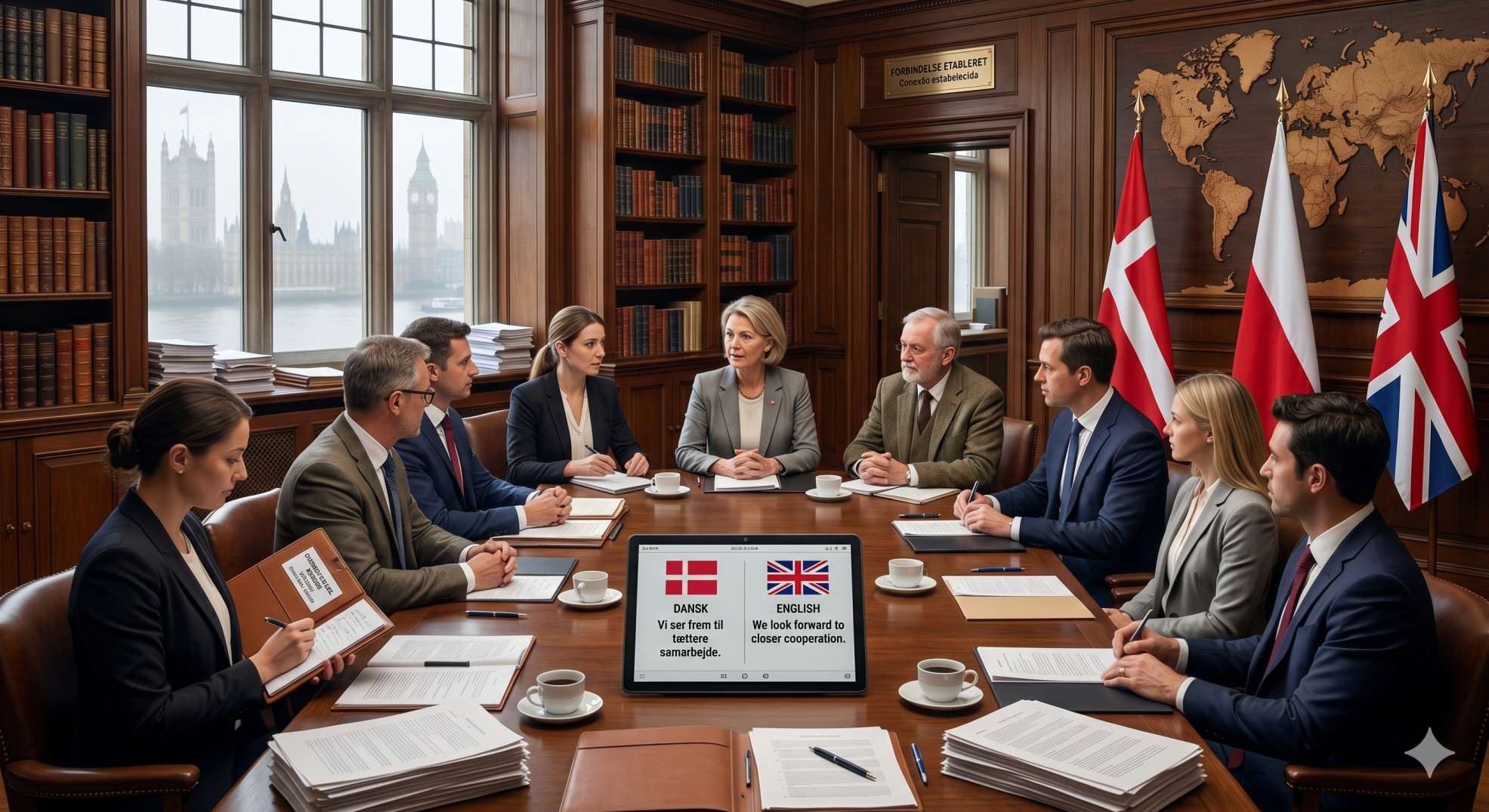
The administration of justice in the United Kingdom is built upon the principle of fairness and equal access to legal processes. For individuals who do not speak English as a first language, particularly those involved in legal matters, the availability of a competent German interpreter in Aberdeenshire is non-negotiable. His Majesty’s Courts and Tribunals Service (HMCTS) mandates the provision of qualified interpreters to ensure that all parties understand proceedings and can effectively present their case. This is governed by strict protocols and professional standards, often requiring interpreters to be registered with bodies like the NRPSI or hold qualifications such as the Diploma in Public Service Interpreting (DPSI). In criminal and civil courts, interpreters facilitate communication between judges, barristers, solicitors, witnesses, and defendants. The accuracy and impartiality of the interpretation are critical, as misinterpretations can have profound consequences, potentially leading to miscarriages of justice. The His Majesty’s Courts and Tribunals Service (HMCTS) provides guidance on the appointment and use of interpreters, emphasising the need for professional qualifications and adherence to a strict code of conduct. Furthermore, in immigration matters, which fall under the purview of the Home Office and the UK Visas and Immigration (UKVI), accurate interpretation is vital. Asylum seekers, visa applicants, and individuals facing deportation proceedings often rely on interpreters to understand complex legal requirements, present their evidence, and communicate effectively during interviews and hearings before the First-tier Immigration Tribunal. The Home Office has specific requirements for language services to ensure fair treatment and adherence to UK law. Professional interpreters must maintain strict confidentiality and impartiality, acting solely as a conduit for communication without offering advice or personal opinions. This commitment to professional ethics is a cornerstone of the UK’s legal system, ensuring that language barriers do not impede access to justice. The NRPSI, in particular, plays a crucial role in maintaining a register of qualified interpreters who have undergone rigorous vetting and assessment, providing assurance to legal professionals and the public alike.
Healthcare and NHS Patient Safety
Patient safety and equitable access to healthcare are fundamental pillars of the UK’s National Health Service (NHS). For German-speaking patients in Aberdeenshire, access to timely and accurate interpretation services is essential for effective diagnosis, treatment, and overall patient care. NHS trusts, including NHS Grampian, are legally and ethically bound to provide language support to ensure that patients understand their medical conditions, treatment options, and consent forms. This commitment is reinforced by guidelines from Care Quality Commission (CQC) and NHS England’s Language Access guidelines, which stipulate the need for qualified interpreters in healthcare settings. The use of unqualified or untrained individuals, such as family members, can lead to serious misunderstandings, errors in medication, and compromised patient safety, violating the principles of patient-centred care and data protection under UK GDPR. A professional German interpreter in Aberdeenshire, particularly one with experience in medical terminology and settings, can facilitate clear communication between patients and healthcare professionals, ensuring that diagnoses are accurate, treatment plans are understood, and informed consent is obtained. This is crucial for all medical interactions, from routine GP appointments and hospital visits to complex surgical procedures and mental health consultations. The NRPSI and other professional bodies offer qualifications like the DPSI (Health) which specifically train interpreters for the healthcare environment. Ensuring that NHS trusts have robust systems in place for booking qualified German interpreters is therefore not just a matter of service provision but a critical component of patient safety and adherence to regulatory standards. The NHS Grampian, like all NHS bodies, must ensure that language is not a barrier to receiving high-quality care, and professional interpreters are key to achieving this goal.
Technical Interpretation Modalities
The effective delivery of interpretation services relies on understanding and applying various modalities, each suited to different communication scenarios. A professional German interpreter in Aberdeenshire can offer expertise in several key modes:
- Simultaneous Interpretation: This is the most demanding form, where the interpreter speaks the target language almost concurrently with the source language speaker, typically with a slight delay of a few seconds. It requires intense concentration and is usually performed in pairs using specialised equipment (booths, microphones, headsets) for conferences, large meetings, and international summits.
- Consecutive Interpretation: Here, the interpreter listens to a segment of speech, then renders it into the target language. This is common in smaller meetings, one-on-one discussions, legal depositions, and medical consultations where the speaker pauses to allow for interpretation. It requires excellent note-taking skills (chunking) and memory.
- Escort Interpretation (Liaison Interpretation): This mode facilitates communication in informal settings, such as business negotiations, site visits, or social events. The interpreter acts as a bridge between parties, often interpreting short segments of dialogue in both directions, and may also assist with cultural nuances.
- Remote Interpretation (Telephone/Video): With advancements in technology, remote interpretation has become increasingly prevalent. This involves providing interpretation services via telephone (Voice over IP) or video conferencing platforms. It offers flexibility and cost-effectiveness, especially for situations where an on-site interpreter is not feasible or necessary. Professional interpreters adhere to the same rigorous standards of accuracy and confidentiality regardless of the modality. For businesses and public services in Aberdeenshire, selecting the appropriate modality ensures that communication objectives are met efficiently and effectively, maintaining the integrity of the message.
Economic and Social Fabric of Aberdeenshire
Aberdeenshire’s economy is a complex tapestry woven from traditional industries and emerging sectors, supported by a diverse population. Effective communication, facilitated by professional German interpreters and translators, is crucial for its continued growth and social cohesion.
Corporate and Industry
Historically, Aberdeenshire’s economy has been heavily influenced by agriculture and fishing. However, the region has also become a significant hub for the oil and gas industry, attracting international companies and a skilled workforce. German businesses play a role in this sector, as well as in renewable energy, advanced manufacturing, and food processing. For these companies, having access to qualified German interpreters is vital for international collaborations, mergers and acquisitions, technical training, client meetings, and ensuring compliance with UK regulations. Professional interpretation services ensure that business negotiations are conducted smoothly, technical specifications are accurately conveyed, and partnerships are built on a foundation of clear understanding. The Aberdeenshire Council supports local businesses, and facilitating international trade through language services is a key component of economic development.
Tourism
Aberdeenshire boasts stunning landscapes, historic castles, and a rich cultural heritage, making it an attractive destination for tourists worldwide, including those from German-speaking countries. German visitors often seek authentic experiences and require assistance with information, bookings, and local guidance. Providing multilingual services, including German interpretation at visitor centres, hotels, and heritage sites, enhances the visitor experience and boosts the local tourism economy. Professional interpreters can assist tour operators, event organisers, and hospitality businesses in catering to their German-speaking clientele, ensuring memorable and positive stays.
Legal Infrastructure
While Aberdeenshire has its own legal traditions, it is integrated within the broader UK legal framework. Law firms operating in the region, particularly those dealing with international clients or cross-border transactions, require reliable German interpretation services. This is essential for client consultations, contract negotiations, and any interaction with UK legal institutions like HMCTS. The presence of qualified interpreters ensures that justice is accessible to all, regardless of language, upholding the UK’s commitment to fairness and due process.
NHS Healthcare
As previously detailed, the healthcare sector in Aberdeenshire, primarily served by NHS Grampian, relies heavily on professional interpretation to ensure patient safety and equitable access. German-speaking residents and visitors must be able to communicate effectively with doctors, nurses, and other healthcare professionals. This is critical for accurate medical histories, informed consent, and understanding treatment plans, directly impacting health outcomes and patient satisfaction.
Local Infrastructure and Transport
Aberdeenshire benefits from a well-developed infrastructure that supports its economic and social activities. Key transport links include Aberdeen International Airport, providing connections to major European hubs, including Germany, and a comprehensive network of roads and rail services connecting the region to the rest of Scotland and the UK. The Port of Aberdeen is also a significant maritime gateway. For businesses and individuals requiring interpretation services, the accessibility provided by this infrastructure is crucial. Whether it’s facilitating international business travel, supporting logistics operations, or enabling German-speaking individuals to navigate public transport and access services, reliable language support is an integral part of the region’s operational efficiency. Professional German interpreters can assist in various transport-related contexts, from coordinating international freight and passenger services to providing essential communication support for visitors and new residents integrating into the local community. The efficiency of these transport links, coupled with the availability of professional language services, ensures that Aberdeenshire remains an accessible and well-connected region for both commerce and personal engagement.
In conclusion, the need for a professional German interpreter in Aberdeenshire is multifaceted, extending across critical sectors such as legal, healthcare, and business. Ensuring access to qualified, certified interpreters is not merely a matter of language proficiency but a fundamental requirement for upholding justice, ensuring patient safety, fostering economic growth, and promoting social inclusion within the UK. By engaging accredited professionals, organisations and individuals can guarantee clear, accurate, and confidential communication, thereby strengthening the ties between Aberdeenshire and the global community.