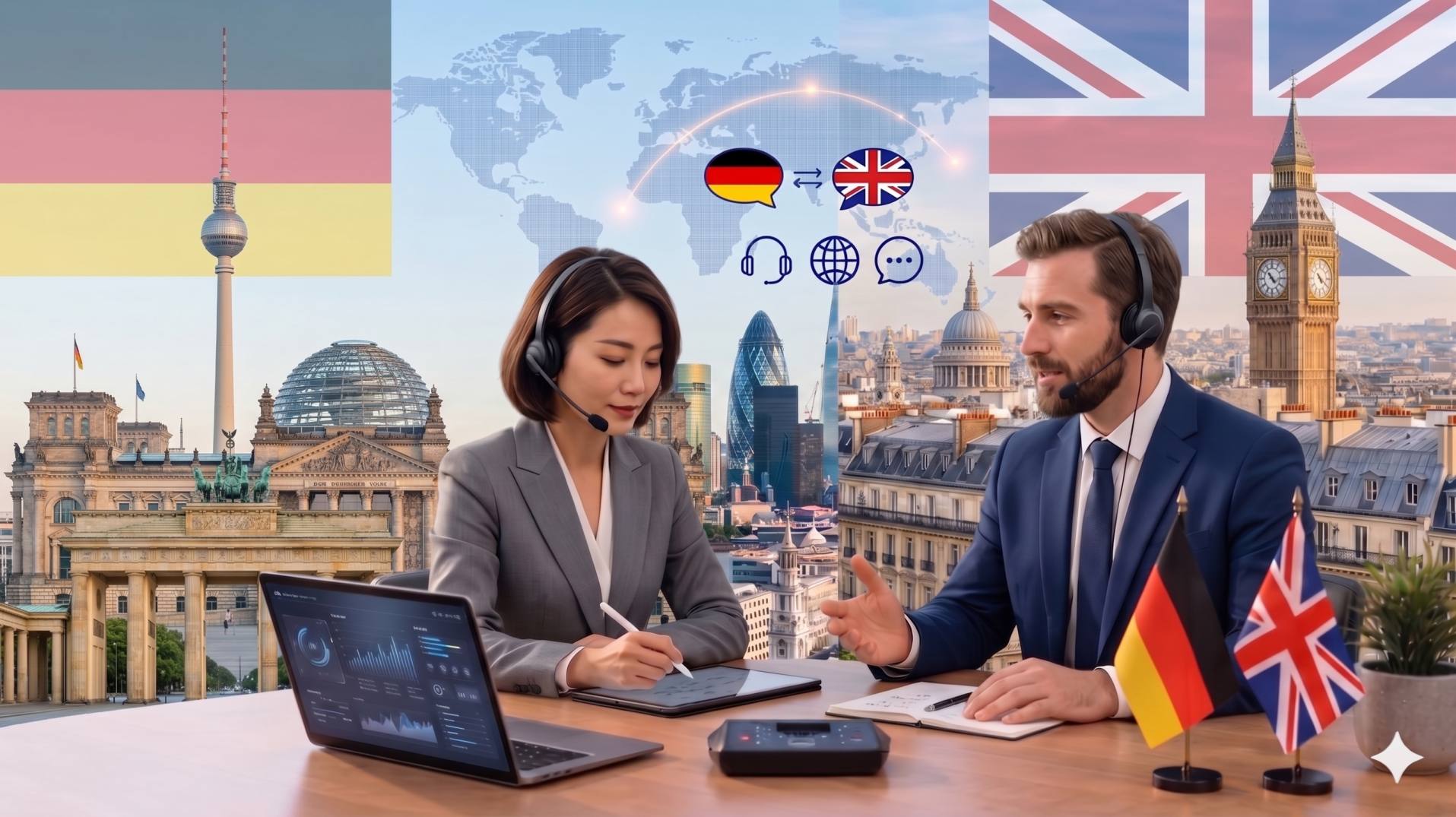

Securing a qualified German interpreter in Barnet is paramount for effective communication across a multitude of critical sectors within the UK’s professional landscape. Whether navigating the complexities of His Majesty’s Courts and Tribunals Service (HMCTS), ensuring patient safety within the National Health Service (NHS), or facilitating international business dealings, the need for precise and culturally nuanced interpretation is non-negotiable. Barnet, a vibrant borough in North London, benefits from proximity to the capital’s global connections, yet maintains its distinct economic and social identity. This necessitates specialised linguistic support, particularly for German speakers, to ensure seamless interaction with UK institutions and businesses. For instance, residents and professionals in Barnet are served by vital NHS trusts such as the Royal Free London NHS Foundation Trust and the Whittington Health NHS Trust, both of which adhere to stringent language access policies to support diverse patient populations. Professional interpretation bridges the gap, ensuring that legal rights are understood, healthcare needs are met, and commercial opportunities are realised without linguistic barriers.
Translation vs Interpretation: Understanding the Nuances
While often used interchangeably, translation and interpretation are distinct disciplines, each requiring specialised skills and qualifications. A German translator in Barnet works with written text, converting documents, websites, and other written materials from German to English or vice versa. This process demands meticulous attention to detail, a deep understanding of subject-specific terminology, and the ability to maintain the original text’s tone and intent. Professional translators often hold qualifications from bodies like the Chartered Institute of Linguists (CIOL) or possess recognised accreditations demonstrating their expertise. Conversely, a German interpreter facilitates spoken communication in real-time. This involves listening to a speaker in one language and rendering their message accurately and fluently in another. The skills required for interpretation are different; they include exceptional listening comprehension, rapid cognitive processing, public speaking ability, and a profound understanding of cultural context. Professional interpreters working in sensitive environments, such as legal proceedings or medical consultations, are often required to hold qualifications like the Diploma in Public Service Interpreting (DPSI) or be registered with the National Register of Public Service Interpreters (NRPSI), ensuring adherence to a strict code of conduct and professional standards. For businesses and public services in Barnet, understanding this distinction is crucial when procuring linguistic support to ensure the right professional is engaged for the specific task.
Legal Defence, Immigration, and Courtroom Interpretation
The UK’s legal system, governed by principles of natural justice and the right to a fair trial, mandates that all parties understand the proceedings against them or in which they are involved. For German speakers interacting with the legal system, this means access to qualified interpreters is not just a convenience but a legal right. His Majesty’s Courts and Tribunals Service (HMCTS) relies heavily on professional interpreters to ensure that justice is accessible to all, regardless of their primary language. This includes criminal courts, civil courts, family courts, and various tribunals, such as the First-tier Immigration Tribunal. Interpreters working in these settings must possess a deep understanding of legal terminology, courtroom etiquette, and the specific requirements of HMCTS. Registration with the NRPSI is often a prerequisite for interpreters working in official capacities, guaranteeing a high standard of competence and ethical practice. Furthermore, the Home Office and UK Visas and Immigration (UKVI) require accurate interpretation for interviews, asylum claims, and other immigration-related matters. A German interpreter engaged in these contexts must be adept at conveying complex legal and bureaucratic information clearly and precisely, ensuring that individuals can fully understand their rights, obligations, and the implications of decisions made by UK authorities. The integrity of legal proceedings hinges on the accuracy and impartiality of the interpreter, making the selection of NRPSI-registered professionals a critical factor for law firms and legal aid providers in Barnet and across the UK.
Healthcare and NHS Patient Safety
Patient safety and effective communication are cornerstones of the National Health Service (NHS). For German-speaking patients in Barnet, accessing healthcare services without linguistic barriers is essential for receiving appropriate care and making informed decisions about their health. NHS trusts, including those serving Barnet such as the Royal Free London NHS Foundation Trust and the Whittington Health NHS Trust, are committed to providing language support in line with NHS England’s Language Access guidelines and UK GDPR regulations. This ensures that patient confidentiality is maintained and that all individuals receive care that is sensitive to their linguistic needs. A qualified German medical interpreter facilitates consultations between patients and healthcare professionals, ensuring that medical histories are accurately conveyed, diagnoses are understood, and treatment plans are clearly explained. This is vital for obtaining informed consent, managing chronic conditions, and ensuring adherence to medication regimes. The Care Quality Commission (CQC) also emphasises the importance of effective communication in its inspections, recognising that language barriers can significantly impact the quality and safety of care. Professional interpreters working within the NHS must not only be linguistically proficient but also possess an understanding of medical terminology and the ethical considerations involved in healthcare settings. Their role is crucial in preventing misunderstandings that could lead to misdiagnosis, delayed treatment, or adverse patient outcomes, thereby upholding the highest standards of care within the UK’s healthcare system.
Technical Interpretation Modalities
The effective delivery of German interpretation services in Barnet and beyond relies on understanding and applying various technical modalities, tailored to the specific context and requirements of the assignment. Consecutive interpretation is commonly used in one-on-one meetings, small group discussions, and medical consultations. The interpreter listens to a segment of speech, then delivers the interpretation while the speaker pauses. This allows for a natural flow of conversation and is ideal for situations where detailed understanding and interaction are key. Simultaneous interpretation, often employed in conferences, large meetings, and court proceedings, requires the interpreter to speak their interpretation almost concurrently with the original speaker, typically using specialised equipment like soundproof booths and headsets. This modality demands exceptional concentration and rapid processing skills. Escort interpretation, also known as liaison interpretation, is used for business meetings, site visits, or social functions. The interpreter acts as a cultural and linguistic bridge, facilitating communication between parties who do not share a common language. This often involves a more informal and interactive approach. Increasingly, remote interpretation services are becoming prevalent, utilising telephone or video conferencing platforms. This modality offers flexibility and cost-effectiveness, allowing access to interpreters regardless of geographical location, which is particularly beneficial for businesses and public services in Barnet seeking immediate linguistic support. Each modality requires a distinct skill set and preparation, ensuring that the chosen method aligns perfectly with the communication objectives and the professional standards expected in the UK.
Economic and Social Fabric of Barnet
Corporate and Industry Presence
Barnet’s economic landscape is diverse, encompassing a range of industries that benefit from international engagement. While not a primary manufacturing hub, its proximity to London means it hosts numerous corporate offices, service sector businesses, and innovative start-ups. For German companies looking to establish or expand their presence in the UK, or for UK-based firms engaging with German markets, professional German interpretation and translation services are indispensable. This includes facilitating negotiations, client meetings, marketing presentations, and internal communications. The ability to conduct business in German, or to have critical documents accurately translated, builds trust and fosters stronger commercial relationships. Adherence to UK business practices and regulations, coupled with effective cross-cultural communication facilitated by expert linguists, is key to success in this competitive environment.
Tourism and Cultural Exchange
Barnet, while perhaps less known for mass tourism than central London, offers historical sites, green spaces, and a vibrant community life that attracts visitors. For German tourists or business travellers, having access to local information and services in their language enhances their experience. Likewise, local businesses in Barnet that cater to international visitors, such as hotels, restaurants, and cultural attractions, can significantly improve customer satisfaction by offering multilingual support. Professional German interpreters can assist in guided tours, at local events, or in resolving any issues that may arise, ensuring a positive impression of Barnet as a welcoming destination. This cultural exchange is vital for fostering understanding and strengthening international ties.
Legal Infrastructure and Services
Barnet possesses a robust legal infrastructure, with numerous law firms and legal professionals serving the local community and beyond. These firms often handle cases involving international clients or cross-border legal issues, including those with connections to Germany. The need for certified German interpreters and translators is therefore significant within Barnet’s legal sector. Whether for solicitors preparing cases, barristers presenting arguments in court, or immigration lawyers assisting clients with visa applications and appeals to the First-tier Immigration Tribunal, accurate linguistic support is critical. Compliance with the stringent requirements of HMCTS and the professional standards set by bodies like the NRPSI ensures that legal processes are fair and accessible to German speakers. The presence of qualified professionals ensures that Barnet’s legal services can effectively cater to a diverse clientele.
NHS Healthcare Provision
As previously highlighted, the NHS is a major employer and service provider in Barnet. The borough is served by a network of GP practices, hospitals, and community health services, all operating under the umbrella of NHS England. For the German-speaking population residing in or visiting Barnet, accessing these vital healthcare services requires effective communication. The commitment of trusts like the Royal Free London NHS Foundation Trust and Whittington Health NHS Trust to providing language access ensures that patients can articulate their symptoms, understand diagnoses, and participate actively in their treatment plans. This commitment to patient-centred care, underpinned by professional interpretation services, is a hallmark of the UK’s healthcare system and is crucial for maintaining health equity within Barnet.
Local Infrastructure and Transport
Barnet’s strategic location in North London provides excellent transport links, facilitating both local movement and connectivity to wider UK and international destinations. The borough is served by a comprehensive network of public transport, including the London Underground, Overground, and numerous bus routes. For businesses and individuals requiring interpretation services, this accessible infrastructure means that professional German interpreters can readily reach various locations for assignments, whether it’s a corporate office in Finchley, a legal firm in Golders Green, or a hospital appointment in Edgware. The efficiency of transport networks supports the timely and reliable delivery of interpretation services, ensuring that critical appointments and meetings are not missed due to logistical challenges. This seamless integration of transport and professional services reinforces Barnet’s position as a well-connected and accessible hub for business and public services.
In conclusion, the demand for a skilled German interpreter in Barnet is driven by the borough’s dynamic economic activity, its integral role within the UK’s legal and healthcare systems, and its commitment to inclusive communication. Engaging certified professionals ensures that legal proceedings are fair, patient care is safe and effective, and business opportunities are maximised. For any organisation or individual in Barnet requiring expert German interpretation or translation services, seeking accredited professionals registered with bodies such as the NRPSI or CIOL is the definitive route to ensuring accuracy, confidentiality, and adherence to the highest UK professional standards. We are dedicated to providing these essential linguistic bridges, connecting you seamlessly with the German-speaking community and markets.