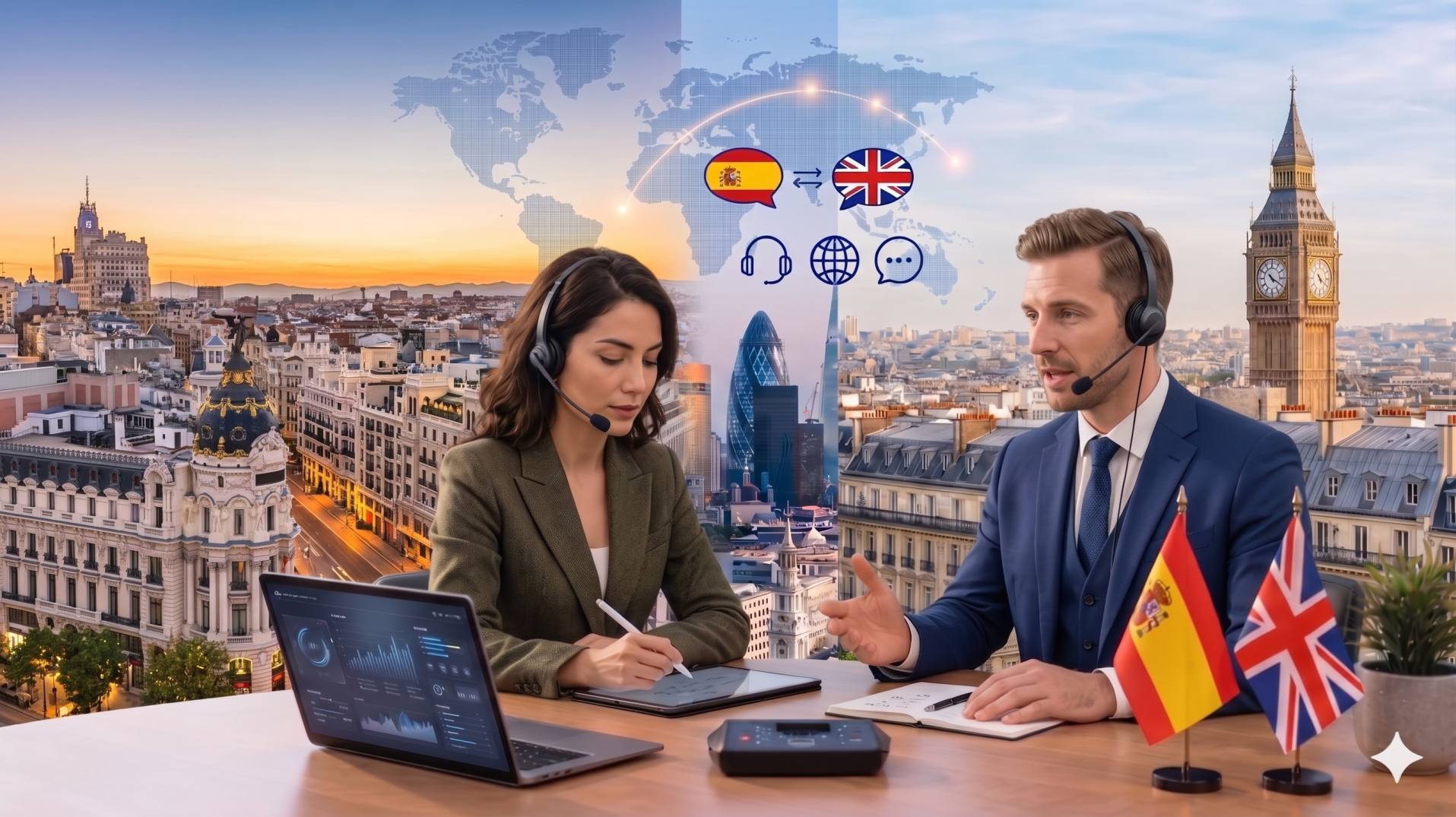
Securing a qualified German interpreter in Birmingham is paramount for effective communication across a multitude of critical sectors within the UK. Birmingham, a vibrant and economically significant city, hosts a diverse population and a thriving business environment, necessitating seamless linguistic support for its German-speaking residents, visitors, and commercial partners. Whether navigating the complexities of the UK legal system, accessing vital NHS healthcare services, or engaging in international business, the availability of professional German interpretation is indispensable. For residents in Birmingham, accessing healthcare is facilitated by prominent NHS trusts such as the University Hospitals Birmingham NHS Foundation Trust (https://www.uhb.nhs.uk/) and the Birmingham Community Healthcare NHS Foundation Trust (https://www.bhamcommunity.nhs.uk/), both of which operate under stringent NHS England Language Access guidelines, underscoring the need for accredited interpreters.
Translation vs. Interpretation
While often used interchangeably, translation and interpretation are distinct linguistic disciplines, each requiring specialised skills and qualifications. Interpretation involves the live rendition of spoken or signed language from one language to another, demanding immediate comprehension, accurate recall, and fluent delivery. This is crucial in real-time interactions such as court proceedings, medical consultations, or business meetings. A professional German interpreter in Birmingham must possess not only linguistic proficiency but also cultural awareness and an understanding of the specific terminology relevant to the context. In contrast, translation deals with the written word, converting text from one language to another. This process allows for more time for research, editing, and refinement. For instance, translating legal documents or technical manuals requires a different skill set than providing simultaneous interpretation at a conference. The demand for a skilled German translator in Birmingham is equally high, particularly within the city’s strong manufacturing and professional services sectors, where accurate documentation is vital for international trade and compliance with UK regulations.
Legal Defence, Immigration, and Courtroom Interpretation
The UK legal system, governed by principles of natural justice and fairness, mandates that all individuals, regardless of their linguistic background, have access to justice. For German speakers involved in legal matters in Birmingham, this means access to qualified interpreters is not a luxury but a necessity. His Majesty’s Courts and Tribunals Service (HMCTS) requires interpreters to meet rigorous standards, often necessitating qualifications such as the Diploma in Public Service Interpreting (DPSI) or equivalent, and registration with bodies like the National Register of Public Service Interpreters (NRPSI). A German interpreter working within UK courts, including those overseen by HMCTS, must be adept at handling complex legal jargon, understanding nuances of testimony, and maintaining strict impartiality. This is critical in criminal defence cases, civil litigation, family law proceedings, and particularly in immigration matters heard before the First-tier Immigration Tribunal. The Home Office and UK Visas and Immigration (UKVI) also rely heavily on accurate interpretation during interviews and assessments. Failure to provide adequate interpretation can lead to miscarriages of justice, impacting individuals’ rights and the integrity of the legal process. Professional interpreters ensure that evidence is presented accurately, witness statements are understood correctly, and legal counsel can effectively represent their German-speaking clients. The Royal Courts of Justice and numerous county courts across the UK, including those serving Birmingham, depend on the availability of such specialised linguistic professionals to uphold the rule of law.
Healthcare and NHS Patient Safety
Patient safety and effective communication are cornerstones of the National Health Service (NHS) in the UK. For German-speaking patients in Birmingham, accessing healthcare services without a language barrier is essential for accurate diagnosis, treatment, and overall well-being. NHS trusts, including the aforementioned University Hospitals Birmingham NHS Foundation Trust and Birmingham Community Healthcare NHS Foundation Trust, are legally and ethically bound to provide interpretation services to patients who require them, as stipulated by NHS England’s Language Access guidelines and the UK GDPR. The Care Quality Commission (CQC) also scrutinises the provision of accessible services, ensuring that all patients receive safe and high-quality care. A professional German interpreter in an NHS setting must not only be linguistically competent but also possess a deep understanding of medical terminology, ethical considerations, and the sensitive nature of healthcare interactions. This includes interpreting during GP appointments, hospital consultations, diagnostic procedures, and mental health assessments. The interpreter acts as a vital conduit, ensuring that patients fully comprehend their conditions, treatment options, and post-care instructions, while also enabling healthcare professionals to gather accurate patient histories and explain complex medical information clearly. The use of unqualified or unprofessional interpreters can lead to serious medical errors, delayed treatment, and significant patient distress, undermining the fundamental principles of patient-centred care within the NHS framework. Ensuring compliance with UK GDPR also means that patient confidentiality is paramount, a responsibility that professional interpreters uphold rigorously.
Technical Interpretation Modalities
The nature of the communication dictates the most appropriate interpretation modality. For a German interpreter in Birmingham, proficiency in various techniques is essential to meet diverse client needs. Simultaneous interpretation is typically used in conferences, large meetings, or parliamentary settings where the interpreter, often working in a soundproof booth with specialised equipment, renders the speech in real-time with only a few seconds’ delay. This requires intense concentration and rapid processing. Consecutive interpretation is more common in smaller settings like business negotiations, legal depositions, or medical appointments. Here, the interpreter listens to a segment of speech, then renders it into the target language once the speaker pauses. This allows for more detailed and nuanced communication. Escort interpretation, also known as liaison interpretation, facilitates communication between two or more parties speaking different languages in informal settings, such as factory tours, site visits, or social events. The interpreter acts as a cultural bridge, ensuring smooth dialogue. Increasingly, remote interpretation services are being utilised, leveraging technology to connect interpreters with clients via telephone or video conferencing platforms. This modality offers flexibility and cost-effectiveness, particularly for urgent or infrequent assignments, but still requires the same high standards of professionalism and accuracy from the German interpreter in Birmingham.
Economic and Social Fabric of Birmingham
Birmingham’s status as a major UK economic hub means that German language services are integral to its multifaceted landscape. The city’s dynamic economy, rich cultural heritage, and strategic location necessitate robust linguistic support across various sectors.
Corporate and Industry
Birmingham boasts a strong industrial heritage, particularly in manufacturing, automotive, and engineering, sectors where German companies have significant investment and operational presence. The presence of German multinational corporations and their supply chains in and around Birmingham creates a constant demand for German interpretation and translation services. This includes facilitating communication for board meetings, technical training, contract negotiations, and international marketing efforts. Professional bodies such as the Chartered Institute of Linguists (CIOL) and the International Association of Conference Interpreters (AIIC) set standards for professionals serving these demanding corporate clients, ensuring that communication aligns with UK business practices and legal requirements.
Tourism
As a major tourist destination and a gateway to the West Midlands, Birmingham attracts visitors from across the globe, including a notable number of German tourists. The hospitality sector, including hotels, restaurants, and cultural attractions, benefits from the availability of German-speaking staff or, at minimum, access to professional interpretation services for visitor information and customer support. This enhances the visitor experience and supports Birmingham’s reputation as an internationally welcoming city.
Legal Infrastructure
Birmingham possesses a substantial legal sector, with numerous law firms, barristers’ chambers, and corporate legal departments. German companies operating in the UK, or UK companies with German interests, frequently require legal interpretation and translation services. This ranges from assisting with due diligence and contract law to supporting litigation and dispute resolution within the UK’s legal framework, involving HMCTS and other relevant UK judicial bodies. The need for accredited interpreters registered with NRPSI or holding DPSI qualifications is particularly acute in these contexts.
NHS Healthcare
The extensive healthcare provision in Birmingham, as previously mentioned, serves a diverse population. The integration of German-speaking individuals into the community, whether as residents, students, or temporary workers, means that NHS trusts and private healthcare providers must ensure equitable access to medical services. This requires a consistent supply of qualified German interpreters to bridge communication gaps in all healthcare settings, from primary care to specialised hospital treatments, ensuring adherence to CQC standards and NHS England’s Language Access policies.
Local Infrastructure and Transport
Birmingham’s well-developed infrastructure plays a crucial role in supporting its economic and social functions, and by extension, the need for effective communication. The city is a major transport hub within the UK, boasting excellent rail connectivity through Birmingham New Street station, a comprehensive bus network, and proximity to Birmingham Airport. These transport links facilitate the movement of people and goods, underpinning international business relationships and tourism. For German professionals, business travellers, and visitors arriving in Birmingham, clear communication is essential for navigating transport systems, accessing services, and conducting business efficiently. The availability of German interpretation services supports the smooth operation of these logistical networks and enhances the overall experience for German speakers interacting with Birmingham’s infrastructure.
In conclusion, the demand for a professional German interpreter in Birmingham is multifaceted and deeply integrated into the city’s economic, legal, and social fabric. From ensuring fair justice within HMCTS proceedings and safeguarding patient well-being within the NHS, to facilitating international commerce and supporting the city’s vibrant tourism sector, the role of qualified interpreters is indispensable. Engaging accredited professionals who adhere to UK standards, such as those registered with NRPSI or holding DPSI qualifications, guarantees accuracy, confidentiality, and cultural sensitivity. For any organisation or individual in Birmingham requiring expert German interpretation or translation services, partnering with qualified linguists is a strategic investment in clear, effective, and compliant communication.