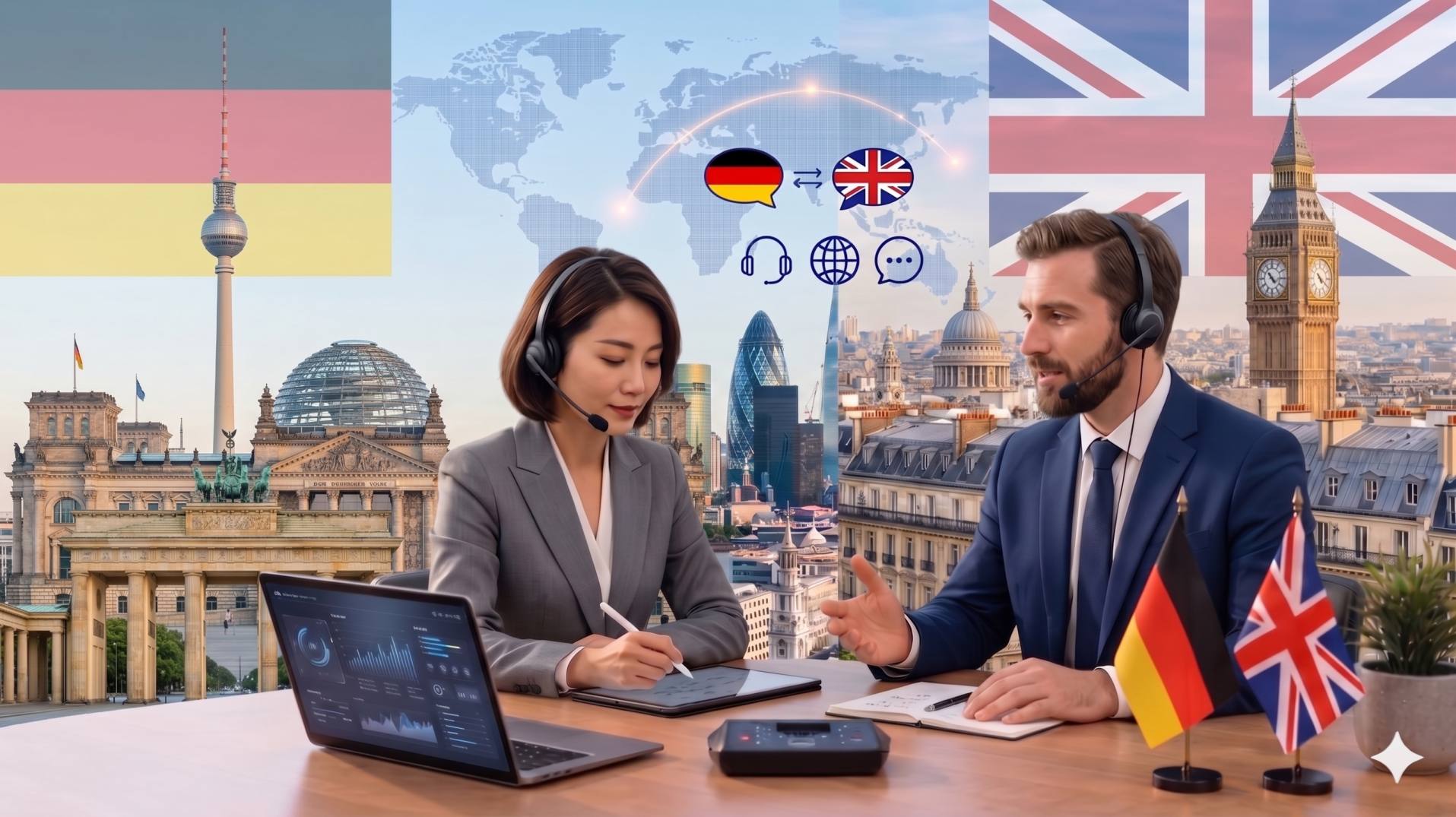
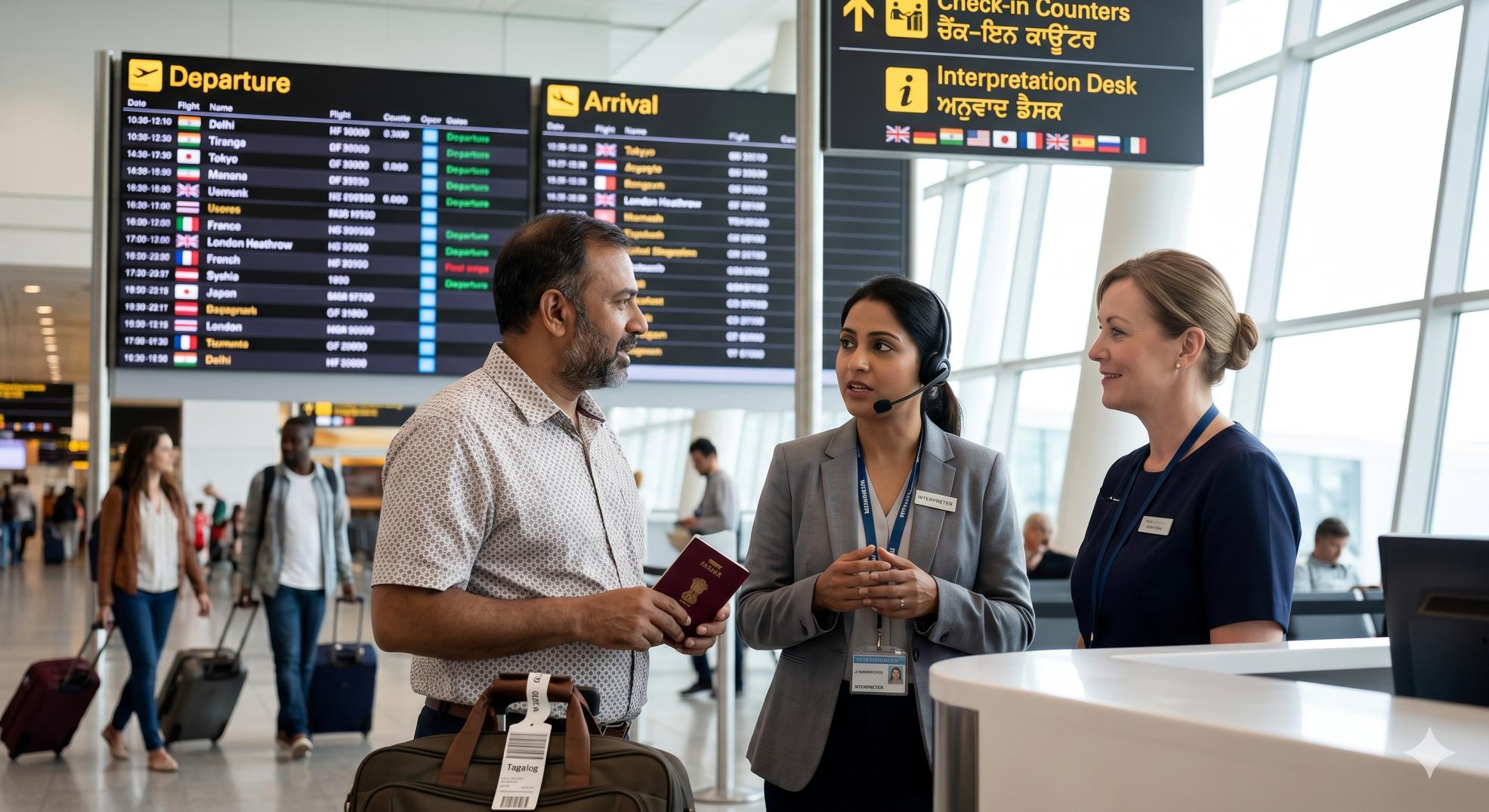
Securing a qualified German interpreter in Blaenau Gwent is paramount for effective communication across diverse sectors, from legal proceedings and healthcare access to international business dealings within the United Kingdom. Blaenau Gwent, a region with a rich industrial heritage, now navigates a modern economic landscape where linguistic proficiency is a key enabler of success and compliance. Access to professional German interpretation ensures that individuals and organisations can engage confidently with UK institutions, including critical services like the Aneurin Bevan University Health Board and the Cwm Taf Morgannwg University Health Board, which serve the local population. These services are vital for upholding patient safety and ensuring equitable access to care, adhering strictly to NHS England’s Language Access guidelines and the robust data protection standards mandated by UK GDPR.
Translation vs Interpretation
While often used interchangeably, translation and interpretation are distinct linguistic disciplines, each requiring specialised skills and adherence to professional standards. Interpretation involves the real-time, spoken rendering of a message from one language to another. This is crucial in live environments such as court hearings, medical consultations, or business meetings. A skilled German translator in Blaenau Gwent, conversely, works with written text, converting documents, reports, or websites from German to English or vice versa. The accuracy and nuance required for both professions are governed by professional bodies in the UK, such as the National Register of Public Service Interpreters (NRPSI) and the Chartered Institute of Linguists (CIOL), ensuring that clients receive services that meet rigorous quality benchmarks. For legal and public service contexts, interpreters often need to hold qualifications like the Diploma in Public Service Interpreting (DPSI) to demonstrate their competence and ethical understanding.
Legal Defence, Immigration, and Courtroom Interpretation
The UK’s legal system, administered by His Majesty’s Courts and Tribunals Service (HMCTS), places a strong emphasis on fairness and due process, which inherently requires clear communication for all parties involved, regardless of their language proficiency. For individuals facing legal challenges or engaging with immigration authorities, the availability of a professional German interpreter is not merely a convenience but a fundamental right. This is particularly relevant in cases involving the First-tier Immigration Tribunal or proceedings within the Royal Courts of Justice. The Home Office, through UK Visas and Immigration (UKVI), also relies on accurate interpretation to ensure that asylum claims, visa applications, and other immigration matters are handled with clarity and transparency. Professional interpreters working in these sensitive areas must adhere to strict codes of conduct, often regulated by bodies like the NRPSI, ensuring impartiality, confidentiality, and accuracy. This adherence is critical for maintaining the integrity of the legal process and ensuring that justice is accessible to everyone. Law firms in Blaenau Gwent and across the UK frequently require the services of qualified German interpreters to represent clients effectively in criminal and civil courts, family law matters, and commercial disputes. The accuracy of interpretation in these settings directly impacts case outcomes, making the selection of a certified professional indispensable.
Healthcare and NHS Patient Safety
Patient safety within the National Health Service (NHS) is a cornerstone of UK healthcare policy, and effective communication is integral to achieving this. For German-speaking patients in Blaenau Gwent, accessing healthcare services provided by trusts such as Aneurin Bevan University Health Board and Cwm Taf Morgannwg University Health Board requires the support of qualified interpreters. These professionals ensure that patients can fully understand diagnoses, treatment options, and medical advice, and that healthcare practitioners accurately grasp the patient’s symptoms and concerns. This is vital for informed consent, adherence to treatment plans, and the overall quality of care. The Care Quality Commission (CQC) monitors the safety and effectiveness of health and social care services across England, and language access is a key component of their assessments. NHS England provides guidelines on language services, underscoring the requirement for competent interpreters who understand medical terminology and cultural nuances. Adherence to UK GDPR is also critical, ensuring that sensitive patient information is handled with the utmost confidentiality by both healthcare providers and interpreters. The presence of a professional German interpreter facilitates a more patient-centred approach, reducing the risk of medical errors and improving health outcomes for the German-speaking community within Blaenau Gwent and beyond.
Technical Interpretation Modalities
The nature of the communication dictates the interpretation modality required. For high-stakes environments like courtrooms or international conferences, simultaneous interpretation is often employed. Here, the interpreter translates the speaker’s words almost instantaneously, typically using specialised equipment such as booths and headsets. This allows for a continuous flow of communication, essential when time is a critical factor. Consecutive interpretation is more suited to smaller meetings, interviews, or one-on-one discussions. The interpreter listens to a segment of speech, then renders it into the target language once the speaker has finished. This method allows for greater accuracy and is often used in legal depositions or medical examinations where precise recall is necessary. Escort interpretation, also known as liaison interpretation, facilitates communication between parties who speak different languages in social or business settings, such as accompanying delegates on a tour or during business negotiations. Finally, remote interpretation, facilitated by advancements in technology, allows interpreters to provide services via telephone or video conferencing. This modality offers flexibility and can be particularly useful for accessing specialised language skills across geographical distances, ensuring that even in locations like Blaenau Gwent, expert German interpretation is readily available for various needs, from urgent legal consultations to routine business calls.
Economic and Social Fabric of Blaenau Gwent
Blaenau Gwent, situated in South Wales, possesses a unique economic and social landscape shaped by its industrial past and its evolving present. Understanding this context is crucial for tailoring professional services, including German interpretation, to meet local demands.
Corporate and Industry
Historically, Blaenau Gwent was a powerhouse of coal mining and steel production. While these heavy industries have declined, the region is undergoing economic diversification. New manufacturing, advanced engineering, and service-based industries are emerging. Businesses operating in or engaging with Blaenau Gwent that have international connections, particularly with German-speaking markets, will find value in professional German interpretation and translation services. This can facilitate smoother negotiations with German suppliers, partners, or clients, support the localisation of technical documentation, and enhance market entry strategies. The presence of a skilled German interpreter can bridge cultural divides, fostering stronger business relationships and ensuring compliance with UK business regulations.
Tourism
While not a primary tourist destination compared to some other UK regions, Blaenau Gwent offers unique attractions related to its industrial heritage, such as the Blaenau Gwent Ironworks and the surrounding scenic landscapes of the Brecon Beacons National Park. As tourism evolves, there is potential for growth in niche markets. German-speaking tourists, researchers, or heritage enthusiasts visiting the area would benefit from readily available interpretation services, whether for guided tours, museum visits, or general assistance. Providing such services can enhance the visitor experience and contribute to the local economy by making the area more accessible and welcoming to international visitors.
Legal Infrastructure
The legal infrastructure supporting Blaenau Gwent, while perhaps not as extensive as in major metropolitan centres, is integral to the functioning of the local community and its businesses. Access to His Majesty’s Courts and Tribunals Service (HMCTS) facilities, local solicitors’ offices, and potentially regional branches of national legal aid organisations necessitates clear communication. For German-speaking individuals involved in legal matters, whether as defendants, witnesses, or parties in civil disputes, the availability of certified German interpreters is essential. This ensures that proceedings before UK courts are understood and that legal rights are protected, aligning with the principles of justice upheld by UK law. Professional interpreters play a vital role in ensuring that all individuals, irrespective of their linguistic background, can fully participate in and comprehend the legal processes within the UK.
NHS Healthcare
The National Health Service (NHS) is a critical service provider for the residents of Blaenau Gwent. The primary NHS trusts serving the area, Aneurin Bevan University Health Board and Cwm Taf Morgannwg University Health Board, are committed to providing accessible and high-quality care to all patients. For the German-speaking population, this means ensuring that language barriers do not impede access to essential medical services. Professional German interpreters are indispensable in GP surgeries, hospitals, and specialist clinics. They facilitate accurate communication between patients and medical professionals, ensuring that diagnoses are correctly understood, treatment plans are followed, and patient consent is properly obtained, all in accordance with NHS England’s Language Access guidelines and UK GDPR. The availability of these services directly contributes to patient safety and equitable healthcare delivery.
Local Infrastructure and Transport
Blaenau Gwent is served by a network of local infrastructure and transport links that connect it to the wider South Wales region and beyond. Road networks, including the A465 Heads of the Valleys road, provide crucial connectivity for residents and businesses. While public transport options exist, including bus services, the region’s geography means that road transport is often the most practical means of travel. For businesses requiring the services of a German interpreter, understanding the transport infrastructure is key to logistical planning. Whether arranging for an interpreter to travel to a client’s premises or coordinating remote interpretation services, the accessibility of Blaenau Gwent influences the efficiency and cost-effectiveness of service delivery. Reliable transport links also ensure that essential services, including legal and healthcare interpretation, can reach those who need them promptly and efficiently, supporting the economic and social well-being of the community.
In conclusion, the need for a professional German interpreter in Blaenau Gwent is multifaceted, extending across legal, healthcare, and commercial domains. Ensuring access to qualified, certified interpreters is fundamental to upholding UK legal standards, ensuring patient safety within the NHS, and fostering robust economic relationships. By engaging professional services, organisations and individuals in Blaenau Gwent can navigate the complexities of cross-lingual communication with confidence and compliance, securing the best possible outcomes.