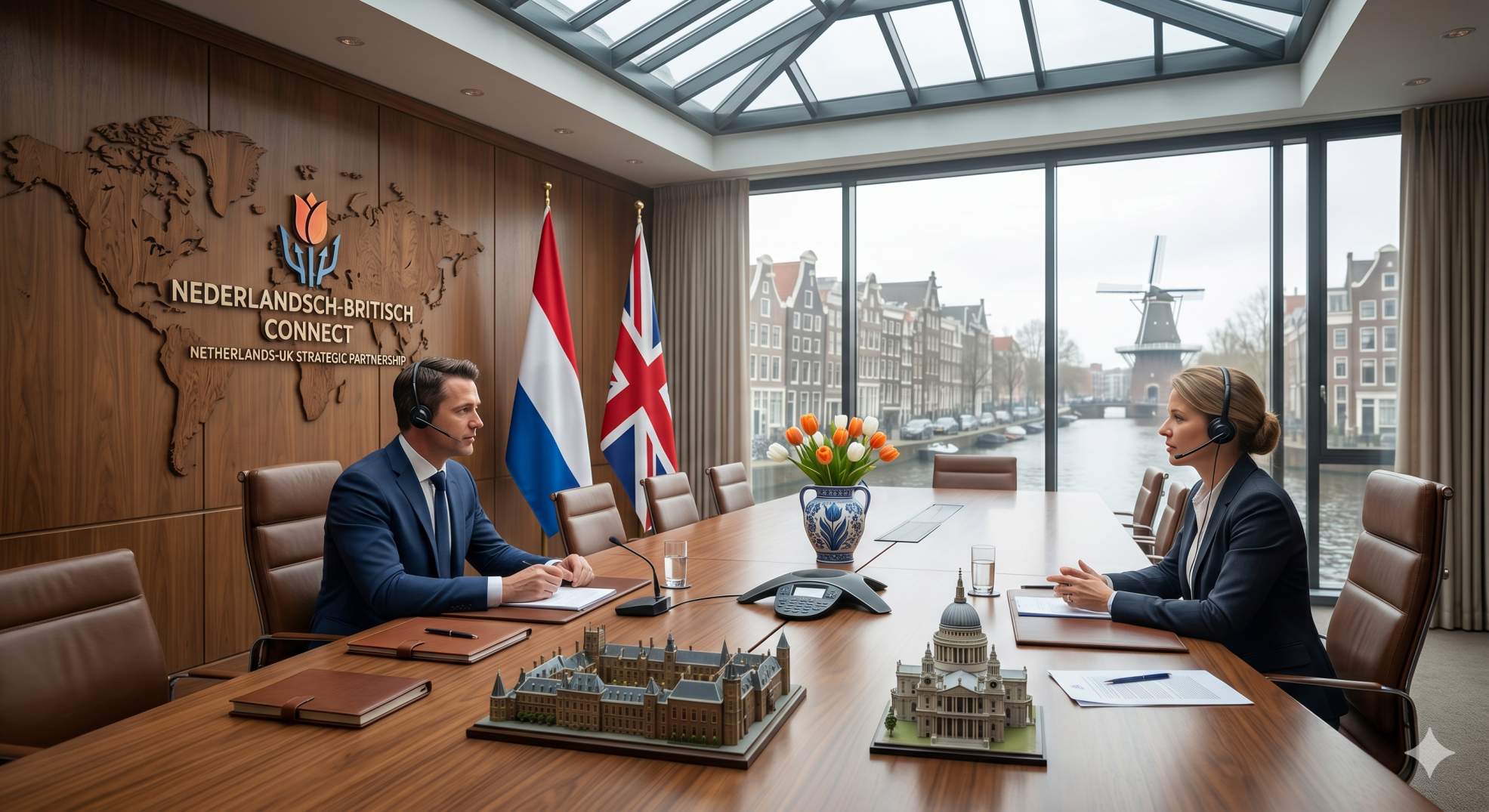
Securing a qualified German interpreter in Brent is paramount for effective communication across a multitude of critical sectors within the UK. Whether engaging with legal proceedings at His Majesty’s Courts and Tribunals Service (HMCTS), navigating complex healthcare scenarios within the National Health Service (NHS), or facilitating international business transactions, the need for precise and culturally nuanced interpretation is non-negotiable. In Brent, a borough known for its vibrant diversity, the demand for professional German language services is met by a network of highly skilled interpreters. These professionals are essential for ensuring clarity, accuracy, and adherence to UK legal and professional standards, particularly when serving the extensive patient populations managed by NHS trusts such as Chelsea and Westminster Hospital NHS Foundation Trust and The Royal Marsden NHS Foundation Trust, both of which have a significant presence and patient catchment area that includes Brent.
Translation vs Interpretation
While often used interchangeably, translation and interpretation are distinct linguistic disciplines, each requiring specialised skills and methodologies. Interpretation involves the real-time, spoken rendition of a message from one language to another. This can occur simultaneously, where the interpreter speaks concurrently with the source speaker, or consecutively, where the interpreter speaks after the source speaker has finished their utterance. The role of a professional German translator in Brent, conversely, focuses on the written word, converting documents, contracts, and other textual materials from German to English or vice versa. The accuracy and fidelity required in both fields are exceptionally high, but the pressures and demands of live interpretation, especially in high-stakes environments like courtrooms or medical consultations, necessitate a unique set of competencies. For legal and official documents, a certified translation may be required, which is a specialised service often performed by translators accredited by bodies such as the Chartered Institute of Linguists (CIOL). The distinction is crucial for clients to understand when commissioning language services, ensuring they engage the appropriate professional for their specific needs, whether it’s a German interpreter for an immediate spoken exchange or a German translator for written documentation.
Legal Defence, Immigration, and Courtroom Interpretation
The administration of justice in the United Kingdom relies heavily on the principle of equal access to legal representation and fair trial, regardless of a defendant’s or witness’s language proficiency. For individuals requiring German language support within the UK legal system, the services of a qualified German interpreter are indispensable. These interpreters operate within the stringent framework set by His Majesty’s Courts and Tribunals Service (HMCTS), ensuring that all parties understand proceedings, evidence, and judgments. This is particularly vital in criminal defence cases, civil litigation, family law matters, and immigration tribunals. The Ministry of Justice, through HMCTS, mandates adherence to professional standards for interpreters, often requiring accreditation from bodies like the National Register of Public Service Interpreters (NRPSI) or holding qualifications such as the Diploma in Public Service Interpreting (DPSI). These qualifications ensure interpreters possess the linguistic competence, ethical understanding, and knowledge of legal terminology necessary for accurate and impartial interpretation in sensitive legal contexts. Immigration law, overseen by the UK Visas and Immigration (UKVI), also frequently requires German interpreters for interviews, appeals before the First-tier Immigration Tribunal, and other administrative processes. The integrity of the legal process, from initial police interviews conducted under the Police and Criminal Evidence Act 1984 (PACE) to final judgments in the Royal Courts of Justice, depends on the precise communication facilitated by these professional interpreters.
Healthcare and NHS Patient Safety
Patient safety and equitable access to healthcare are cornerstones of the NHS. In a diverse borough like Brent, where residents may speak German as their primary language, the provision of professional German interpretation services is critical for effective patient care. The NHS operates under strict guidelines, including those set by the Care Quality Commission (CQC), which emphasises the importance of clear communication in ensuring patient dignity, informed consent, and accurate diagnosis and treatment. German interpreters working within NHS trusts serving Brent, such as Chelsea and Westminster Hospital NHS Foundation Trust and The Royal Marsden NHS Foundation Trust, must not only be linguistically proficient but also understand medical terminology and the sensitive nature of healthcare interactions. Adherence to NHS England’s Language Access guidelines and the principles of UK GDPR ensures that patient confidentiality is maintained and that individuals receive care that is culturally and linguistically appropriate. Interpreters play a vital role in consultations, explaining diagnoses, treatment options, medication instructions, and obtaining informed consent, thereby mitigating risks associated with miscommunication. The effective deployment of German interpreters directly contributes to better health outcomes and upholds the fundamental right of all patients to understand and participate in their own healthcare journey within the UK’s public health system.
Technical Interpretation Modalities
The effective delivery of German interpretation services in Brent spans various modalities, each suited to different contexts and requirements. Simultaneous interpretation is often employed in conferences, large meetings, or parliamentary settings where the interpreter, typically working from a soundproof booth with specialised equipment, conveys the speaker’s message with minimal delay. This mode demands intense concentration and rapid processing. Consecutive interpretation is more common in smaller meetings, legal depositions, or medical appointments, where the interpreter listens to a segment of speech, then renders it into the target language after the speaker pauses. This allows for a more natural conversational flow but takes longer overall. Escort interpretation, also known as liaison interpretation, facilitates communication between two or more parties speaking different languages in informal settings, such as business negotiations, site visits, or social events. The interpreter acts as a cultural bridge, ensuring smooth interaction. In recent years, remote interpretation (also known as telephonic or video interpretation) has become increasingly prevalent, offering flexibility and cost-effectiveness. This modality allows interpreters to connect with clients via phone or video conferencing platforms, providing real-time interpretation for a wide range of scenarios, from urgent medical consultations to business calls. The choice of modality depends on factors such as the number of participants, the formality of the setting, the technical requirements, and the urgency of the communication need, all while maintaining the professional standards expected within the UK.
Economic and Social Fabric of Brent
Brent’s dynamic economic and social landscape necessitates robust linguistic support, particularly for its German-speaking community and business interactions. The borough’s diverse population and strategic location contribute to its economic vitality, making professional German interpretation services a valuable asset for various sectors.
Corporate and Industry
Brent hosts a significant number of businesses, ranging from multinational corporations to burgeoning SMEs, many of which engage in international trade or have German-speaking clients, suppliers, or employees. The presence of German companies or those with strong ties to Germany means that German interpreters are frequently required for business meetings, contract negotiations, product launches, and internal communications. Accurate interpretation ensures that business objectives are clearly understood, fostering stronger commercial relationships and facilitating smoother operations within the UK’s regulatory framework. Professional bodies such as the International Association of Conference Interpreters (AIIC) set global standards that UK-based interpreters often adhere to, ensuring a high calibre of service for corporate clients.
Tourism
While not a primary tourist hub in the same vein as central London, Brent attracts visitors for its cultural attractions, sporting events (such as Wembley Stadium), and diverse communities. German tourists and business travellers may require interpretation services for various purposes, from navigating local services to participating in guided tours or business engagements. Providing accessible language support enhances the visitor experience and reflects positively on the borough’s commitment to inclusivity.
Legal Infrastructure
As previously detailed, Brent falls under the jurisdiction of UK courts and tribunals, requiring German interpreters for legal matters. The borough’s proximity to major legal centres means that residents and businesses may frequently interact with the UK legal system. The availability of accredited German interpreters ensures that individuals can access justice and comply with legal obligations, supported by institutions like HMCTS and professional bodies such as the NRPSI. This legal infrastructure is vital for maintaining order and ensuring fair process for all residents.
NHS Healthcare
The National Health Service (NHS) in Brent serves a population with diverse linguistic backgrounds. For German speakers, access to qualified medical interpreters is crucial for receiving timely and effective healthcare. This ensures that patients can communicate their symptoms accurately, understand diagnoses and treatment plans, and provide informed consent, thereby upholding the high standards of patient care mandated by the CQC and NHS England. The integration of language services within the NHS trusts serving Brent, such as Chelsea and Westminster Hospital NHS Foundation Trust and The Royal Marsden NHS Foundation Trust, is a testament to the commitment to equitable healthcare access for all residents.
Local Infrastructure and Transport
Brent benefits from robust local infrastructure and transport links, facilitating the movement of people and goods, and enhancing accessibility for professional services. Major transport arteries, including the M1 and A406 North Circular Road, run through or near the borough, connecting it to wider London and the UK motorway network. This connectivity is advantageous for interpreters travelling to client sites or for businesses coordinating international logistics. Public transport is also well-developed, with numerous London Underground lines (Jubilee, Piccadilly, Metropolitan) and Overground services serving the area, making it accessible for both clients and interpreters. The Transport for London (TfL) network ensures that key locations within Brent and its surrounding areas are easily reachable. This well-integrated transport system supports the efficient delivery of professional German interpretation services across the borough and beyond, underpinning its role as a significant economic and social hub within the UK.
In conclusion, the provision of expert German interpreter in Brent services is fundamental to the effective functioning of legal, healthcare, and business sectors within the borough and across the United Kingdom. By engaging accredited professionals who adhere to UK standards, organisations and individuals can ensure clear, accurate, and confidential communication, fostering trust and achieving desired outcomes. Whether your needs lie in the courtroom, the hospital, or the boardroom, securing a qualified German interpreter is an investment in clarity, compliance, and success.