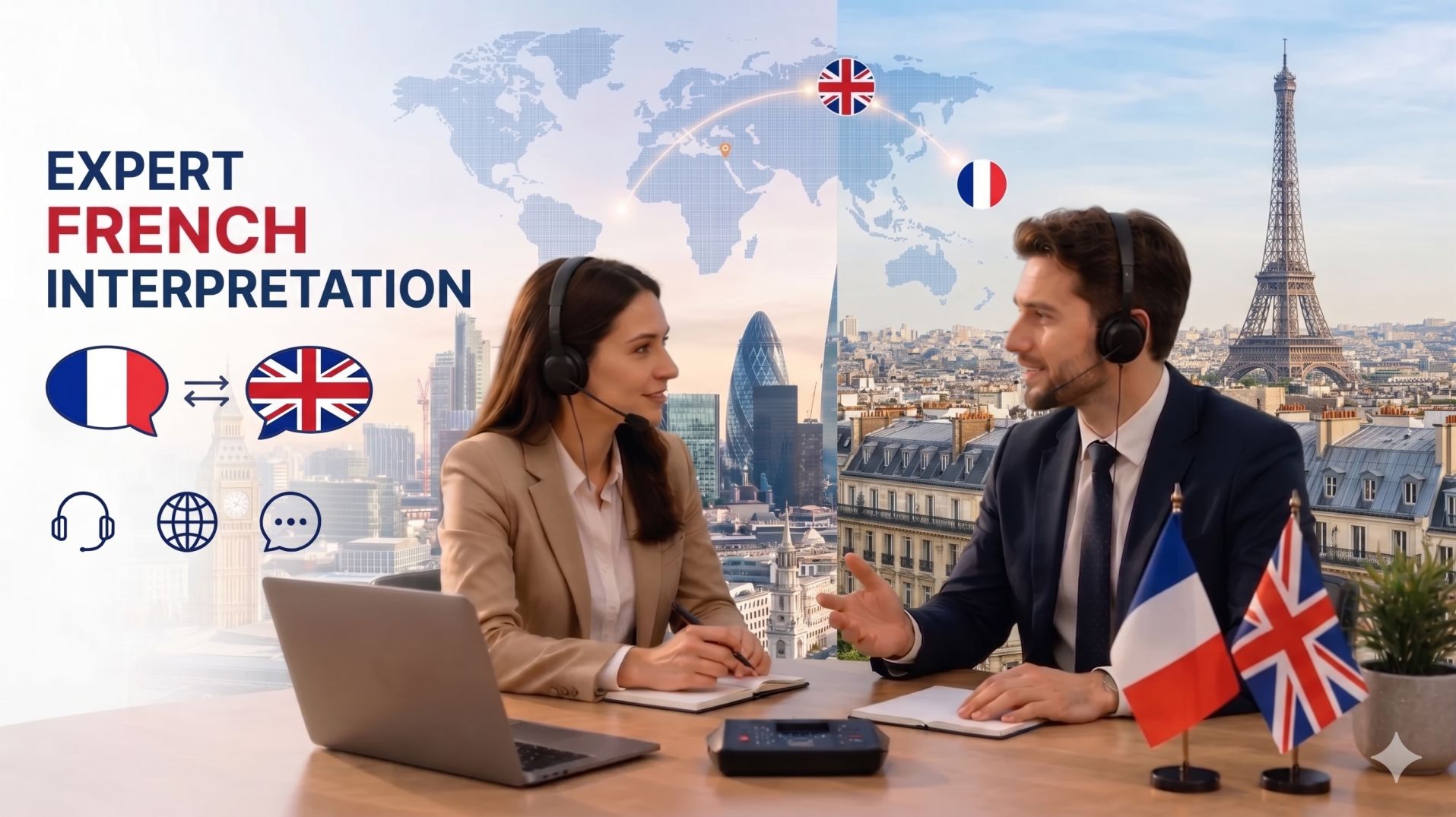
Securing a qualified German interpreter in Caerphilly is paramount for effective communication across diverse professional sectors within the United Kingdom. Whether engaging with UK legal frameworks, navigating the complexities of the National Health Service (NHS), or fostering international business relationships, the need for precise and culturally attuned linguistic support cannot be overstated. For residents and businesses in Caerphilly, access to professional German interpretation services ensures that language barriers do not impede access to justice, healthcare, or economic opportunities. The NHS in this region is served by vital trusts such as Aneurin Bevan University Health Board and Cardiff and Vale University Health Board, both of which rely on effective communication to deliver patient-centred care, underscoring the importance of accredited interpreters for German-speaking individuals within their care pathways.
Translation vs Interpretation
Understanding the distinction between translation and interpretation is fundamental when seeking linguistic services. While both involve conveying meaning from one language to another, they are distinct disciplines requiring different skill sets and methodologies. Interpretation is the live, spoken rendition of a message from one language into another. This can occur simultaneously, where the interpreter speaks concurrently with the source speaker, or consecutively, where the interpreter speaks after the source speaker has finished their utterance. A professional German translator in Caerphilly, conversely, works with written texts, converting documents, websites, or other written materials from German to English or vice versa. The accuracy and nuance required for both roles are critical, but the pressure and immediacy of interpretation demand a unique set of cognitive abilities, including rapid processing, excellent memory, and the capacity to maintain focus under demanding conditions. For legal proceedings, medical consultations, or business negotiations, engaging a certified interpreter is crucial to avoid misunderstandings that could have significant consequences. Professional bodies such as the National Register of Public Service Interpreters (NRPSI) and the Chartered Institute of Linguists (CIOL) set stringent standards for public service interpreters, ensuring a high level of competence and ethical conduct.
Legal Defence, Immigration, and Courtroom Interpretation
The UK’s legal system, administered through His Majesty’s Courts and Tribunals Service (HMCTS), operates on the principle of natural justice, which includes the right to understand proceedings and to be understood. For individuals who do not speak English as a first language, this necessitates the provision of qualified interpreters. A skilled German interpreter in Caerphilly plays a vital role in ensuring fair trials and access to justice for German speakers involved in criminal or civil litigation. This includes assisting defendants, witnesses, and legal counsel in understanding charges, evidence, and court procedures. The accuracy of interpretation in these settings is non-negotiable, as misinterpretations can lead to wrongful convictions, miscarriages of justice, or significant disadvantages in legal arguments. Professional interpreters working in this domain must adhere to strict codes of conduct, often holding qualifications recognised by bodies like the NRPSI or the Diploma in Public Service Interpreting (DPSI). These qualifications demonstrate a rigorous understanding of legal terminology and courtroom etiquette. Furthermore, immigration law, overseen by the Home Office and the UK Visas and Immigration (UKVI), frequently requires the services of German interpreters. Individuals applying for visas, seeking asylum, or undergoing immigration interviews must be able to communicate effectively with immigration officers and, if necessary, with legal representatives. The First-tier Immigration Tribunal also relies on interpreters to ensure that all parties can present their cases clearly. Engaging an interpreter certified by a recognised UK body ensures that the interpretation meets the high standards expected by HMCTS and the Home Office, safeguarding the rights of individuals and the integrity of the legal process.
Healthcare and NHS Patient Safety
Patient safety and effective healthcare delivery within the NHS are critically dependent on clear communication between healthcare professionals and patients. For German-speaking individuals accessing healthcare services in Caerphilly and the surrounding areas, the availability of professional German interpreters is essential. The NHS Constitution for England mandates that patients have the right to receive information in a way they can understand. This principle is extended across the UK’s healthcare systems, including Wales. Interpreters facilitate consultations, explain diagnoses, discuss treatment options, and ensure informed consent is obtained. Without adequate linguistic support, patients may misunderstand crucial medical information, leading to poor adherence to treatment, adverse health outcomes, and a breakdown of trust between patient and provider. The Care Quality Commission (CQC) inspects health and social care services across England, with similar bodies overseeing services in other UK nations, and places a strong emphasis on effective communication as a cornerstone of high-quality care. NHS trusts, including those serving Caerphilly such as Aneurin Bevan University Health Board, are expected to have robust systems in place for accessing language services. This includes ensuring that interpreters are not only fluent but also possess an understanding of medical terminology and the sensitive nature of healthcare interactions. Compliance with UK GDPR is also paramount, ensuring that patient confidentiality is maintained throughout the interpretation process. Professional interpreters working within the NHS are often required to have specific training in medical interpretation and adhere to ethical guidelines that prioritise patient well-being and privacy. The NHS Language Access guidelines further reinforce the need for accessible and high-quality interpretation services for all patients, irrespective of their linguistic background.
Technical Interpretation Modalities
The effective delivery of German interpretation services in professional settings in Caerphilly relies on selecting the appropriate modality to suit the specific context. Several technical interpretation modes are employed, each with its unique application:
- Simultaneous Interpretation: This is the most demanding form, where the interpreter listens to the speaker through headphones and renders the speech into the target language in real-time, with only a few seconds’ delay. It requires highly skilled interpreters and specialised equipment (booths, microphones, headsets) and is typically used in large conferences, international meetings, or parliamentary sessions where seamless flow of communication is essential.
- Consecutive Interpretation: In this mode, the interpreter listens to a segment of speech, then renders it into the target language after the speaker has paused. This requires excellent memory and note-taking skills. It is commonly used in smaller meetings, one-on-one discussions, legal depositions, or medical appointments where direct interaction and a slightly slower pace are acceptable.
- Escort Interpretation (Liaison Interpretation): This mode involves the interpreter facilitating communication between two or more parties who speak different languages. The interpreter often moves with the client, providing interpretation during business meetings, factory tours, site visits, or social functions. The interpreter acts as a cultural bridge, ensuring smooth dialogue and understanding.
- Remote Interpretation (Video/Telephone): With advancements in technology, remote interpretation has become increasingly prevalent. This involves interpreters connecting to a meeting or appointment via telephone or video conferencing platforms. It offers flexibility and cost-effectiveness, particularly for situations where an on-site interpreter is not feasible or necessary. This modality is governed by strict protocols to ensure security and confidentiality, aligning with UK GDPR standards.
The choice of modality depends on factors such as the number of participants, the formality of the setting, the technical requirements, and the budget. Professional interpreting agencies and experienced freelance interpreters in Caerphilly can advise on the most suitable mode for any given requirement, ensuring that the communication objectives are met effectively and professionally.
Economic and Social Fabric of Caerphilly
Caerphilly, a town with a rich industrial heritage and a forward-looking economy, benefits significantly from robust linguistic support services. The ability to engage with international partners, attract foreign investment, and serve a diverse population hinges on effective communication. Professional German interpretation and translation services are integral to this process, supporting various facets of the local and national economy.
Corporate and Industry
The industrial landscape of Caerphilly and the wider South Wales region has historically been strong, with a growing modern economy encompassing manufacturing, technology, and professional services. For businesses operating in or looking to engage with German markets, having access to a reliable German interpreter in Caerphilly is crucial. This facilitates international trade negotiations, joint ventures, technical support, and the translation of crucial business documentation, including contracts, marketing materials, and technical manuals. Adherence to UK business law and professional standards is paramount, and clear communication ensures that all parties understand their obligations and the terms of engagement. Professional bodies like the International Association of Conference Interpreters (AIIC), while international, have a strong presence and influence in the UK, setting benchmarks for quality in corporate interpretation.
Tourism
Caerphilly is renowned for its iconic castle and its place in Welsh history, attracting visitors from across the globe. While German tourists may have a good command of English, providing information and services in German can significantly enhance their visitor experience. This can include translated visitor guides, information at heritage sites, and support for hospitality businesses aiming to cater to German-speaking visitors. Effective communication fosters goodwill and encourages repeat tourism, contributing to the local economy.
Legal Infrastructure
The presence of a well-functioning legal system is a cornerstone of any developed economy. For German-speaking individuals or businesses interacting with the UK legal system in or around Caerphilly, access to qualified interpreters is essential. This includes interactions with solicitors, barristers, and His Majesty’s Courts and Tribunals Service (HMCTS). Ensuring that all parties understand legal proceedings, contractual obligations, and dispute resolution processes is vital for maintaining confidence in the rule of law and facilitating cross-border legal activities. The His Majesty’s Courts and Tribunals Service (HMCTS) website provides information on court procedures, and the availability of interpreters ensures these are accessible to all.
NHS Healthcare
As previously detailed, the NHS is a critical service for all residents. For German speakers in Caerphilly, accessing healthcare requires interpreters who can bridge linguistic and cultural divides. This ensures that patients receive appropriate care, understand medical advice, and can participate fully in their treatment decisions. The commitment of the NHS to patient-centred care is supported by the availability of professional language services, ensuring equity of access and high standards of patient safety, in line with guidance from NHS England and the CQC.
Local Infrastructure and Transport
Caerphilly benefits from its strategic location within South Wales, with good transport links connecting it to major cities like Cardiff and Newport, as well as the wider UK. The town is served by road networks, including the A470 and A465, facilitating the movement of goods and people. Public transport options include a reliable train service connecting to Cardiff Central and other key destinations, managed by Transport for Wales. For professional interpreters and translators, these transport links are essential for reaching clients across the region efficiently, whether for on-site interpretation at business premises, legal offices, or healthcare facilities. Remote interpretation services further enhance accessibility, allowing interpreters to provide support regardless of geographical location, connecting Caerphilly businesses and institutions to a global network of linguistic expertise. The efficiency of local infrastructure supports the seamless integration of professional services, including vital language support, into the daily operations of businesses, legal firms, and healthcare providers in Caerphilly.
Conclusion
In conclusion, the need for professional and certified German interpretation services in Caerphilly is clear and multifaceted. From ensuring access to justice within the UK’s legal framework, including proceedings before His Majesty’s Courts and Tribunals Service (HMCTS), to safeguarding patient safety and well-being within the NHS, and facilitating robust international business relations, a qualified German interpreter in Caerphilly is an indispensable asset. By adhering to the highest professional standards set by bodies such as the NRPSI and CIOL, and by understanding the specific demands of each sector, interpreters provide a critical service that upholds the principles of fairness, clarity, and effective communication. For any organisation or individual requiring expert German language support in Caerphilly and beyond, engaging accredited professionals is the key to overcoming language barriers and achieving successful outcomes. Contacting a reputable interpreting agency or a certified freelance interpreter today is the first step towards ensuring seamless communication.