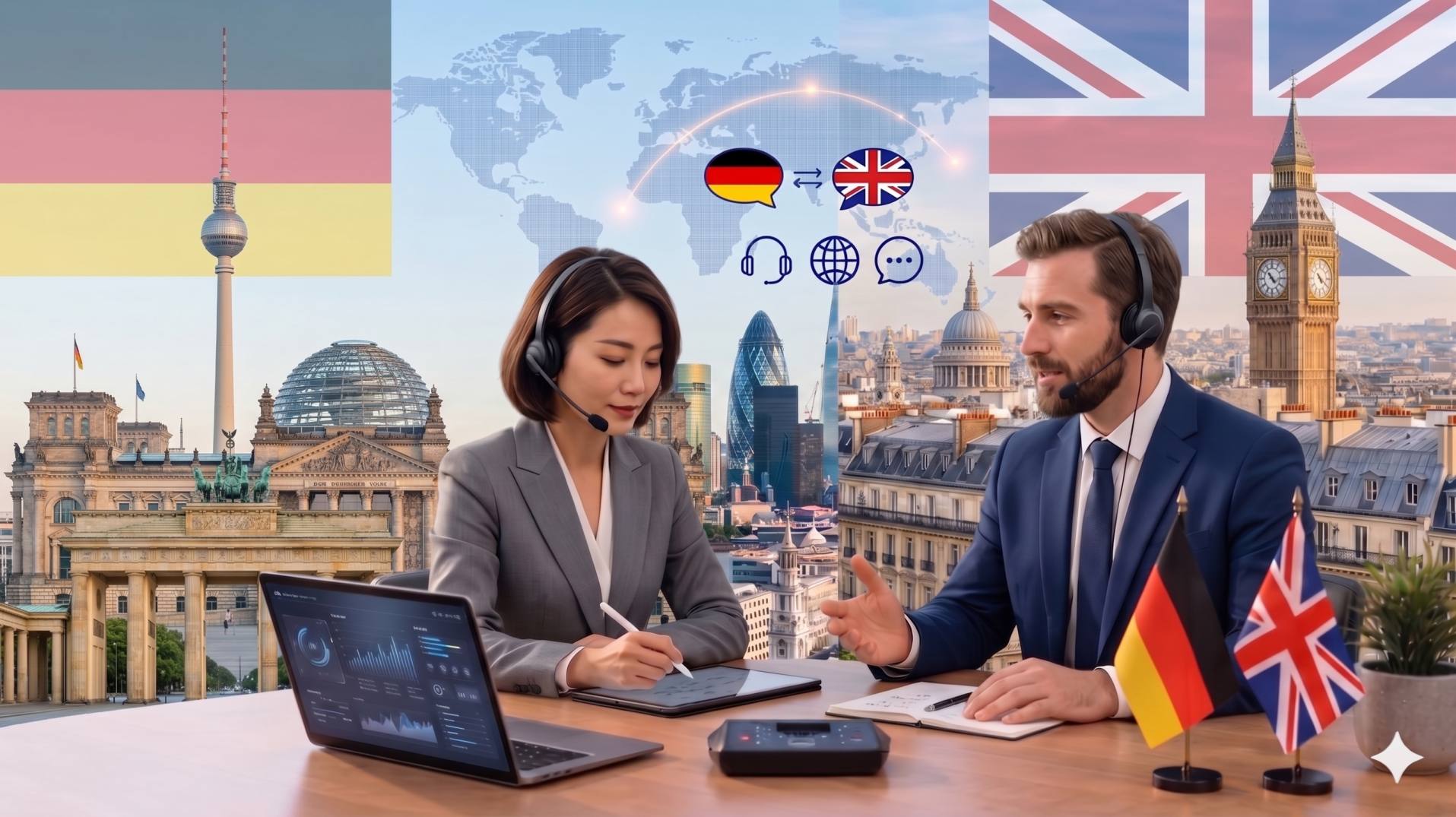
Securing a qualified German interpreter in Carlisle is paramount for effective communication across vital sectors, from legal proceedings to critical healthcare appointments. Carlisle, a historic city in Cumbria, relies on robust communication channels to serve its diverse population and engage with international partners. This necessitates access to professional language services that adhere to the stringent standards expected within the United Kingdom. Whether dealing with the complexities of His Majesty’s Courts and Tribunals Service (HMCTS), navigating the intricacies of the National Health Service (NHS) with trusts such as the North Cumbria Integrated Care NHS Foundation Trust and the University Hospitals of Morecambe Bay NHS Foundation Trust, or facilitating international business, the need for accurate and culturally sensitive interpretation is undeniable. This guide explores the critical role of German interpreters in Carlisle, highlighting their importance in upholding legal, medical, and commercial standards within the UK context.
Translation vs Interpretation
While often used interchangeably, translation and interpretation are distinct linguistic disciplines, each requiring specialised skills and adhering to different professional standards. Understanding this difference is crucial when seeking language support, particularly for a German translator in Carlisle or a German interpreter. Interpretation involves the real-time, spoken rendition of a message from one language to another. This can occur in various settings, such as face-to-face meetings, telephone calls, or video conferences. Interpreters must possess not only fluency in both German and English but also a deep understanding of cultural nuances, subject-specific terminology, and the ability to think quickly and accurately under pressure. Professional interpreters in the UK are often regulated and accredited by bodies like the National Register of Public Service Interpreters (NRPSI) or hold qualifications such as the Diploma in Public Service Interpreting (DPSI). Conversely, translation deals with the written word. A translator converts written documents, such as legal contracts, medical reports, or technical manuals, from German to English or vice versa. This process allows for more time for research, editing, and proofreading to ensure accuracy and fidelity to the source text. Professional translators often belong to organisations like the Chartered Institute of Linguists (CIOL). For legal or medical matters in Carlisle, engaging a qualified interpreter is essential for immediate understanding and action, whereas translation is vital for preserving the integrity of written records and communications.
Legal Defence, Immigration, and Courtroom Interpretation
The administration of justice in the UK relies heavily on the principle that all individuals, regardless of their linguistic background, have access to fair legal representation and proceedings. For German speakers involved in legal matters in Carlisle, the presence of a qualified German interpreter is not merely a convenience but a fundamental right. His Majesty’s Courts and Tribunals Service (HMCTS) mandates the provision of interpreters to ensure that defendants, witnesses, and victims can fully understand the proceedings and participate effectively. This is particularly critical in criminal cases heard at the Carlisle Crown Court or civil matters before the County Court, all overseen by HMCTS. The His Majesty’s Courts and Tribunals Service (HMCTS) ensures that interpreters meet specific standards, often requiring accreditation from the NRPSI or holding a DPSI qualification. These interpreters are trained to maintain impartiality, confidentiality, and accuracy, even in highly stressful and complex legal environments. Furthermore, immigration law presents another significant area where German interpreters are indispensable. Individuals seeking asylum, applying for visas, or facing deportation proceedings often need to communicate with the Home Office, UK Visas and Immigration (UKVI), and the First-tier Immigration Tribunal. Accurate interpretation ensures that the nuances of their cases are understood, preventing miscarriages of justice. The NRPSI plays a vital role in maintaining a register of qualified public service interpreters who can be trusted to uphold the highest professional standards in these sensitive legal contexts. Law firms in Carlisle and across the UK that represent German-speaking clients must partner with accredited interpreters to guarantee that their clients’ rights are protected and that all legal documentation and testimonies are accurately conveyed.
Healthcare and NHS Patient Safety
Patient safety and effective communication are cornerstones of the National Health Service (NHS) in the UK. For German-speaking patients in Carlisle, accessing healthcare services without a language barrier is crucial for accurate diagnosis, treatment, and overall well-being. The NHS is committed to providing equitable care to all patients, and this includes ensuring that language is not a barrier to receiving high-quality medical attention. Trusts serving Carlisle, such as the North Cumbria Integrated Care NHS Foundation Trust and the University Hospitals of Morecambe Bay NHS Foundation Trust, are obligated to provide interpretation services when needed. NHS England has established guidelines for language services, emphasising the importance of using qualified and competent interpreters, particularly in clinical settings. These interpreters must understand medical terminology and adhere to strict confidentiality requirements, in line with UK GDPR regulations. The Care Quality Commission (CQC) also monitors the quality of care provided by health and social care services, including how effectively they communicate with patients. A German interpreter facilitates vital conversations between patients and clinicians, ensuring that symptoms are correctly described, treatment plans are understood, and consent is properly obtained. This not only enhances patient safety by reducing the risk of medical errors but also improves patient satisfaction and trust in the healthcare system. Professional bodies like the NRPSI and the CIOL provide frameworks for the training and accreditation of medical interpreters, ensuring they possess the necessary linguistic and ethical competencies. Engaging a certified German interpreter for NHS appointments, hospital visits, or consultations with GPs in Carlisle is essential for bridging the communication gap and ensuring that all patients receive the care they deserve, in accordance with UK healthcare standards.
Technical Interpretation Modalities
The effective delivery of German interpretation services in Carlisle and beyond relies on understanding various modalities, each suited to different contexts and communication needs. The choice of modality significantly impacts the flow of conversation and the required skill set of the interpreter. Simultaneous interpretation is perhaps the most demanding, requiring the interpreter to listen, comprehend, and speak in the target language almost instantaneously, often with the aid of specialised equipment like booths and headsets. This is typically used in large conferences, international summits, or parliamentary sessions where time is of the essence and the audience is substantial. Consecutive interpretation involves the interpreter speaking after the source speaker has finished a segment of their speech. The interpreter takes notes and then renders the message in the target language. This is common in smaller meetings, press conferences, or legal depositions where a more deliberate pace is acceptable. Escort interpretation, also known as liaison interpretation, is employed in informal settings, such as business meetings, factory tours, or social events. The interpreter facilitates communication between two or more parties, often acting as a cultural bridge. This requires a high degree of flexibility and interpersonal skills. Increasingly, remote interpretation services are becoming prevalent, utilising telephone or video conferencing platforms. This modality offers flexibility and cost-effectiveness, allowing access to interpreters regardless of geographical location. For businesses and organisations in Carlisle, understanding these different interpretation types ensures they can select the most appropriate service for their specific requirements, whether it’s a formal legal deposition, a crucial business negotiation, or a routine medical consultation. Professional bodies like the Association of Interpreters and Translators (AIIC) provide guidance on best practices for various interpretation assignments.
Economic and Social Fabric of Carlisle
Carlisle, a city with a rich history and a strategic location in Cumbria, possesses a dynamic economic and social landscape that benefits significantly from robust international communication. The presence of skilled German interpreters and translators is integral to fostering these connections and ensuring that local businesses, institutions, and communities can thrive in an increasingly globalised world.
Corporate/Industry
The economic landscape of Carlisle includes a range of industries, from manufacturing and engineering to professional services and retail. For businesses operating in or trading with German-speaking markets, accurate communication is non-negotiable. German interpreters facilitate crucial business meetings, negotiations, and technical discussions, ensuring that contracts are understood, collaborations are smooth, and trade agreements are successfully concluded. This direct support for international commerce strengthens Carlisle’s position within the UK economy and opens up new avenues for growth. Professional bodies like the Chartered Institute of Linguists (CIOL) recognise the vital role linguists play in supporting UK businesses on the global stage.
Tourism
Carlisle and its surrounding areas, including Hadrian’s Wall, attract a significant number of tourists. German visitors represent a key demographic for the local tourism sector. Providing information, hospitality services, and visitor experiences in German, or having access to interpreters for German-speaking tourists, enhances their experience and encourages repeat visits. This linguistic support directly contributes to the local economy by boosting visitor spending and supporting hospitality businesses. Ensuring that tourist information centres and heritage sites can communicate effectively with German speakers is a valuable asset.
Legal Infrastructure
As previously discussed, Carlisle’s legal infrastructure, including its courts and legal practices, requires reliable German interpretation services. Law firms in the city that handle cases involving German nationals or German legal matters depend on accredited interpreters to ensure justice is served fairly. The seamless operation of His Majesty’s Courts and Tribunals Service (HMCTS) and the Home Office’s UK Visas and Immigration (UKVI) services relies on the availability of qualified interpreters to uphold legal standards and protect the rights of all individuals involved.
NHS Healthcare
The healthcare sector in Carlisle, served by trusts like the North Cumbria Integrated Care NHS Foundation Trust, must cater to the linguistic needs of its diverse patient population. German-speaking residents and visitors require access to healthcare professionals who can communicate effectively with them. Professional German interpreters are essential for ensuring patient safety, accurate diagnosis, and effective treatment within the NHS framework, adhering to UK GDPR and CQC standards.
Local Infrastructure and Transport
Carlisle’s strategic location as a transport hub in the North West of England, with excellent rail and road links, facilitates both national and international connectivity. The city is served by major road networks, including the M6 motorway, and has a significant railway station connecting it to London, Scotland, and other major UK cities. This accessibility is crucial for businesses requiring face-to-face interpretation services, whether for client meetings, site visits, or conferences. The ease of travel to and from Carlisle means that professional German interpreters can readily serve clients across the region and beyond. Furthermore, the city’s infrastructure supports various interpretation modalities, including remote services via reliable internet connections, which are essential for modern business and public service operations. The availability of accessible venues and reliable transport links ensures that German interpretation services can be delivered efficiently and professionally, supporting the economic and social integration of German speakers within Carlisle and its surrounding areas.
Conclusion
In conclusion, the demand for professional German interpreter in Carlisle is a critical component of the city’s engagement with the wider UK and international community. From ensuring fair justice within HMCTS proceedings and safeguarding patient well-being in NHS trusts to facilitating international trade and supporting the tourism sector, the role of qualified German interpreters is indispensable. Adherence to UK professional standards, as set by bodies like the NRPSI, and the use of accredited linguists are paramount for maintaining the integrity and effectiveness of communication across all sectors. Organisations and individuals in Carlisle requiring expert German interpretation services can be assured that a robust framework exists to meet these needs, upholding the highest standards of accuracy, confidentiality, and cultural competence. Engaging a certified German interpreter is an investment in clear communication, legal compliance, and successful outcomes.