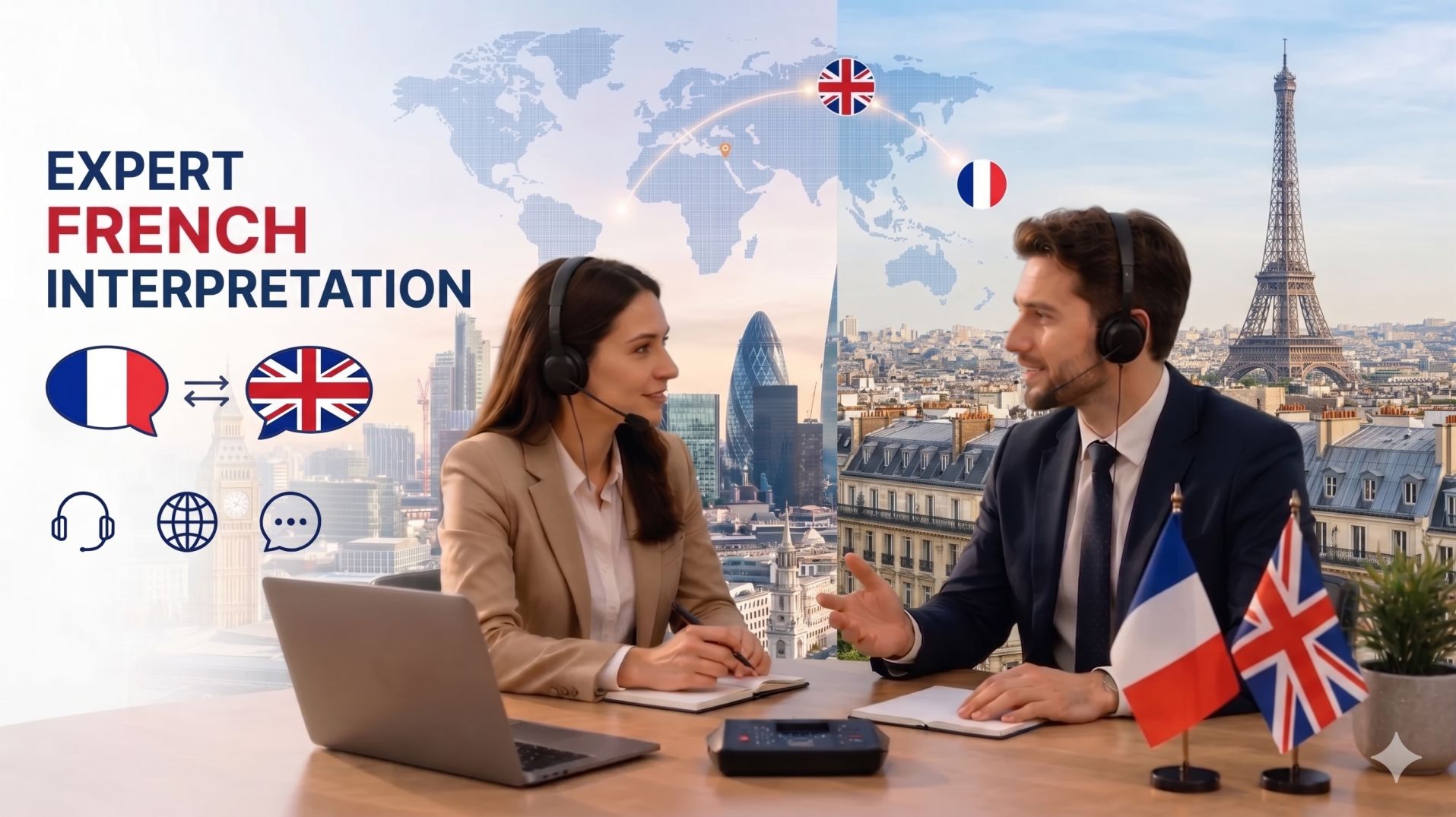
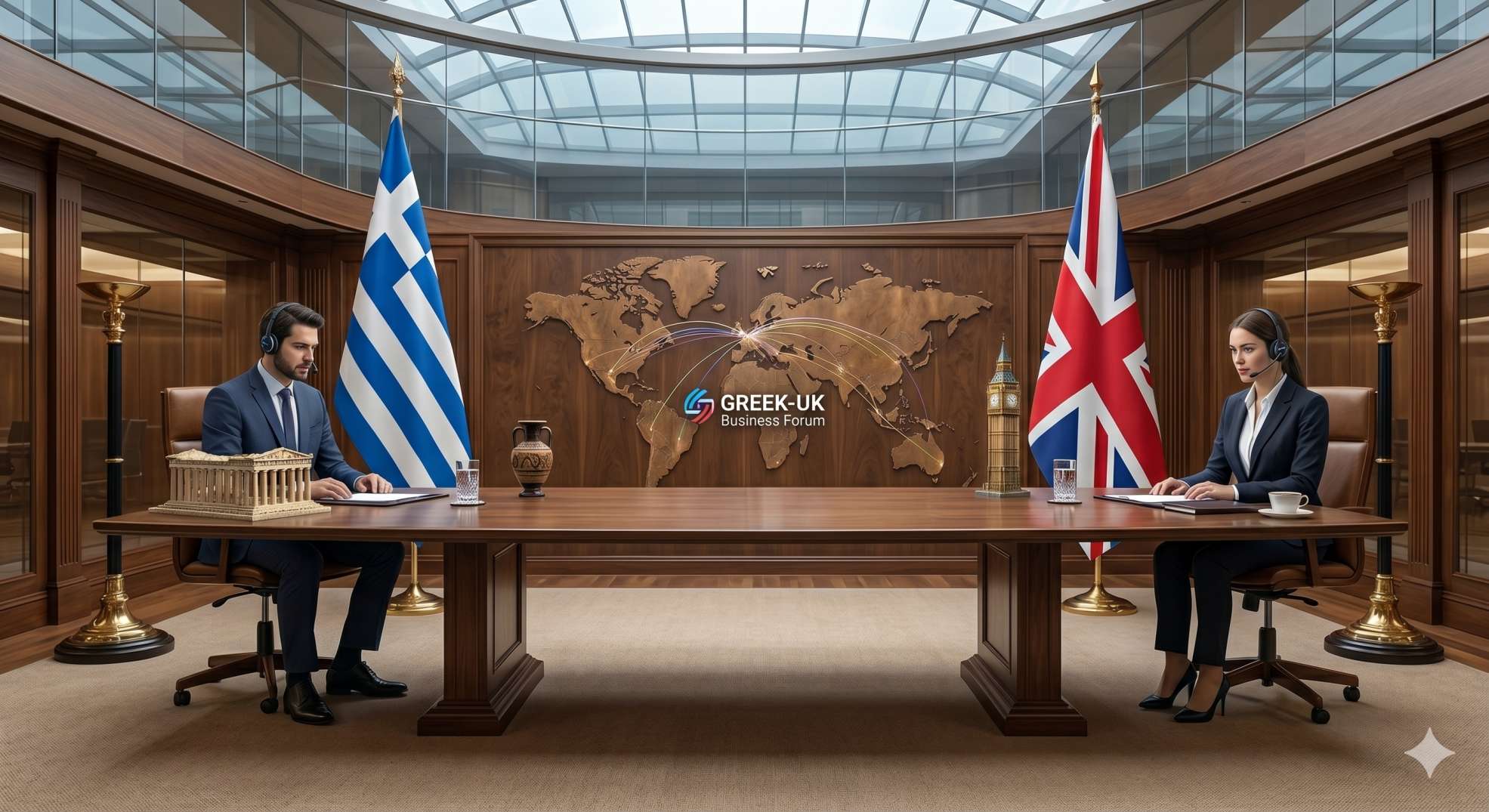
Securing a qualified German interpreter in Cheshire East is paramount for effective communication across a multitude of critical sectors within the United Kingdom. Whether navigating the complexities of the UK’s legal system, ensuring patient safety within the National Health Service (NHS), or facilitating international business dealings, the need for precise and culturally nuanced interpretation cannot be overstated. Cheshire East is served by several key NHS trusts, including the Mid Cheshire Hospitals NHS Foundation Trust and the East Cheshire NHS Trust, both of which rely on robust language services to uphold their commitment to patient care and adherence to UK healthcare standards.
Translation vs Interpretation
While often used interchangeably, translation and interpretation are distinct disciplines, each requiring specialised skills and adherence to professional standards. Interpretation involves the live, oral rendition of spoken language from one language to another. This process demands not only fluency in both the source and target languages but also exceptional active listening skills, a strong memory, and the ability to think quickly and accurately under pressure. In contrast, translation deals with the written word, converting text from one language to another. This requires a different skill set, focusing on written accuracy, stylistic nuance, and often, specialised subject matter knowledge. For professionals seeking to bridge language barriers in real-time interactions, such as legal proceedings or medical consultations, a skilled German translator in Cheshire East may be required for documentation, but it is the interpreter who facilitates the immediate spoken exchange. Professional bodies like the Chartered Institute of Linguists (CIOL) and the National Register of Public Service Interpreters (NRPSI) set the benchmarks for these professions in the UK, ensuring that practitioners meet rigorous standards of competence and ethical conduct.
Legal Defence, Immigration, and Courtroom Interpretation
The UK’s justice system, overseen by His Majesty’s Courts and Tribunals Service (HMCTS), mandates that all parties have access to justice, regardless of their language proficiency. This is particularly critical in criminal and civil proceedings where misunderstandings can have profound consequences. For individuals involved in legal matters in Cheshire East, whether as defendants, witnesses, or victims, the provision of a qualified German interpreter in Cheshire East is a legal right. These interpreters must possess a deep understanding of legal terminology and procedures, adhering to the strict codes of conduct established by the NRPSI. Their role extends beyond mere word-for-word rendition; they must convey the precise meaning, tone, and intent of the speaker, ensuring that all parties, including judges, barristers, and solicitors, receive accurate information. This is vital in cases heard before HMCTS, from Magistrates’ Courts to the Crown Court, and also in tribunals such as the First-tier Immigration Tribunal. The Home Office and UK Visas and Immigration (UKVI) also require certified interpreters for asylum claims, visa applications, and other immigration-related interviews. Professional interpreters often hold qualifications such as the Diploma in Public Service Interpreting (DPSI), demonstrating their expertise in legal contexts. The integrity of the legal process hinges on the impartiality and accuracy of these linguistic professionals, making their selection a critical decision for law firms and legal aid providers operating within or serving Cheshire East.
Healthcare and NHS Patient Safety
Patient safety and effective communication are cornerstones of the UK’s National Health Service (NHS). For German-speaking patients in Cheshire East, accessing healthcare services without a language barrier is essential for accurate diagnosis, treatment, and informed consent. The NHS operates under stringent guidelines, including those set by the Care Quality Commission (CQC), which emphasise the importance of accessible communication for all patients. NHS trusts, such as the aforementioned Mid Cheshire Hospitals NHS Foundation Trust and East Cheshire NHS Trust, are obligated to provide professional interpreting services when needed. This ensures that patients can fully understand their medical conditions, treatment options, and post-care instructions, thereby upholding their rights under UK law and the principles of patient-centred care. The NHS England Language Access guidelines reinforce the need for high-quality interpreting, particularly in sensitive areas like mental health, maternity services, and chronic disease management. Interpreters working within the NHS must not only be fluent in German and English but also possess a thorough understanding of medical terminology and the ethical considerations involved, including patient confidentiality, which is protected under UK GDPR. The NRPSI also registers interpreters qualified for medical settings, ensuring a high standard of service. Failure to provide adequate interpretation can lead to misdiagnosis, incorrect treatment, and significant patient harm, making the role of a qualified German interpreter in Cheshire East indispensable to the functioning of local healthcare providers.
Technical Interpretation Modalities
The choice of interpretation modality depends heavily on the context and the specific needs of the communication. For a German interpreter in Cheshire East, proficiency in various techniques is crucial. Consecutive interpretation is common in one-on-one meetings, doctor’s appointments, or smaller legal consultations, where the interpreter speaks after the source speaker has finished their utterance. Simultaneous interpretation, often used in conferences, large meetings, or courtrooms, requires the interpreter to speak concurrently with the source speaker, typically using specialised equipment like booths and headsets. This is a highly demanding skill requiring intense concentration and rapid processing. Escort interpretation, also known as liaison interpretation, facilitates communication between two or more parties speaking different languages in informal settings, such as business negotiations or site visits. Finally, remote interpretation, facilitated by telephone or video conferencing, has become increasingly prevalent, offering flexibility and accessibility, especially for situations where in-person interpreters are not readily available or cost-effective. This modality requires interpreters to maintain high levels of clarity and focus, adapting to the nuances of virtual communication while adhering to professional standards set by bodies like the International Association of Conference Interpreters (AIIC), which also influences UK practices.
Economic and Social Fabric of Cheshire East
Cheshire East is a diverse and economically significant region in the North West of England, with a dynamic blend of rural charm and industrial heritage. Understanding its local economic landscape is key to appreciating the demand for specialised linguistic services.
Corporate and Industry
The borough boasts a strong presence in sectors such as advanced manufacturing, automotive, and professional services. Companies operating in Cheshire East, whether local enterprises or international corporations with UK operations, often engage in cross-border trade, require foreign investment, or employ a diverse workforce. For German businesses looking to establish or expand their presence in the UK, or for UK firms collaborating with German partners, accurate communication is vital. This includes everything from contract negotiations and technical specifications to marketing materials and internal communications. A professional German translator in Cheshire East can ensure that all written documentation is culturally and legally appropriate for the UK market, while interpreters facilitate seamless dialogue in meetings and presentations. The presence of skilled linguists supports the region’s economic growth by fostering stronger international business relationships.
Tourism
Cheshire East is a popular tourist destination, attracting visitors from across the UK and internationally. Its attractions range from historic market towns like Macclesfield and Nantwich to the picturesque Peak District National Park. German-speaking tourists contribute to the local economy, and businesses in the hospitality sector, including hotels, restaurants, and attractions, can benefit from providing multilingual services. While many tourist-facing businesses may rely on basic English proficiency, situations requiring more detailed information or customer service can necessitate the assistance of a German interpreter. Ensuring that German visitors feel welcomed and well-catered for enhances their experience and encourages repeat visits, positively impacting the local tourism economy.
Legal Infrastructure
Cheshire East is served by a robust legal infrastructure, with numerous law firms and legal professionals operating within its towns and cities. These firms handle a wide array of cases, from corporate law and property transactions to family matters and criminal defence. As previously highlighted, the UK legal system requires interpreters for non-English speakers. Law firms in Cheshire East that represent German-speaking clients, or are involved in cases with an international dimension involving Germany, will require the services of qualified legal interpreters. These professionals ensure that clients understand their rights, the legal process, and can effectively communicate with their legal counsel, thereby upholding the principles of justice administered by His Majesty’s Courts and Tribunals Service (HMCTS).
NHS Healthcare
The provision of high-quality healthcare is a significant aspect of the local infrastructure in Cheshire East. The NHS trusts serving the area are committed to providing accessible care to all residents. For the German-speaking population, this means having access to professional interpreters who can facilitate communication between patients and healthcare providers. Whether it’s a routine GP appointment, a specialist consultation, or an emergency admission, clear communication is vital for patient safety and effective treatment. The reliance on qualified interpreters ensures that the NHS can meet its obligations under UK law and provide equitable care to all members of the community, supported by national bodies like NHS England and regulated by the CQC.
Local Infrastructure and Transport
Cheshire East benefits from a well-developed transport network, including major road links such as the M6 and M56 motorways, and a comprehensive rail service connecting it to major cities like Manchester, Liverpool, and London. This connectivity is crucial for businesses, commuters, and visitors alike. For international businesses and delegations visiting or operating within Cheshire East, efficient transport links facilitate meetings and site visits. Professional interpreters can assist in navigating these logistical aspects, ensuring that business travellers can move efficiently and communicate effectively during their stay. The accessibility of the region, supported by its transport infrastructure, further enhances its appeal as a location for international commerce and collaboration, underscoring the ongoing need for reliable German interpretation services.
In conclusion, the demand for a professional German interpreter in Cheshire East is multifaceted, driven by the region’s vibrant economy, its critical legal and healthcare systems, and its position within the broader UK context. Ensuring access to qualified and certified interpreters is not merely a matter of convenience but a fundamental requirement for upholding justice, ensuring patient safety, and fostering successful international business relationships. For any organisation or individual requiring expert German interpretation services within Cheshire East and across the United Kingdom, engaging with accredited professionals is the essential step towards achieving clear, accurate, and effective communication.