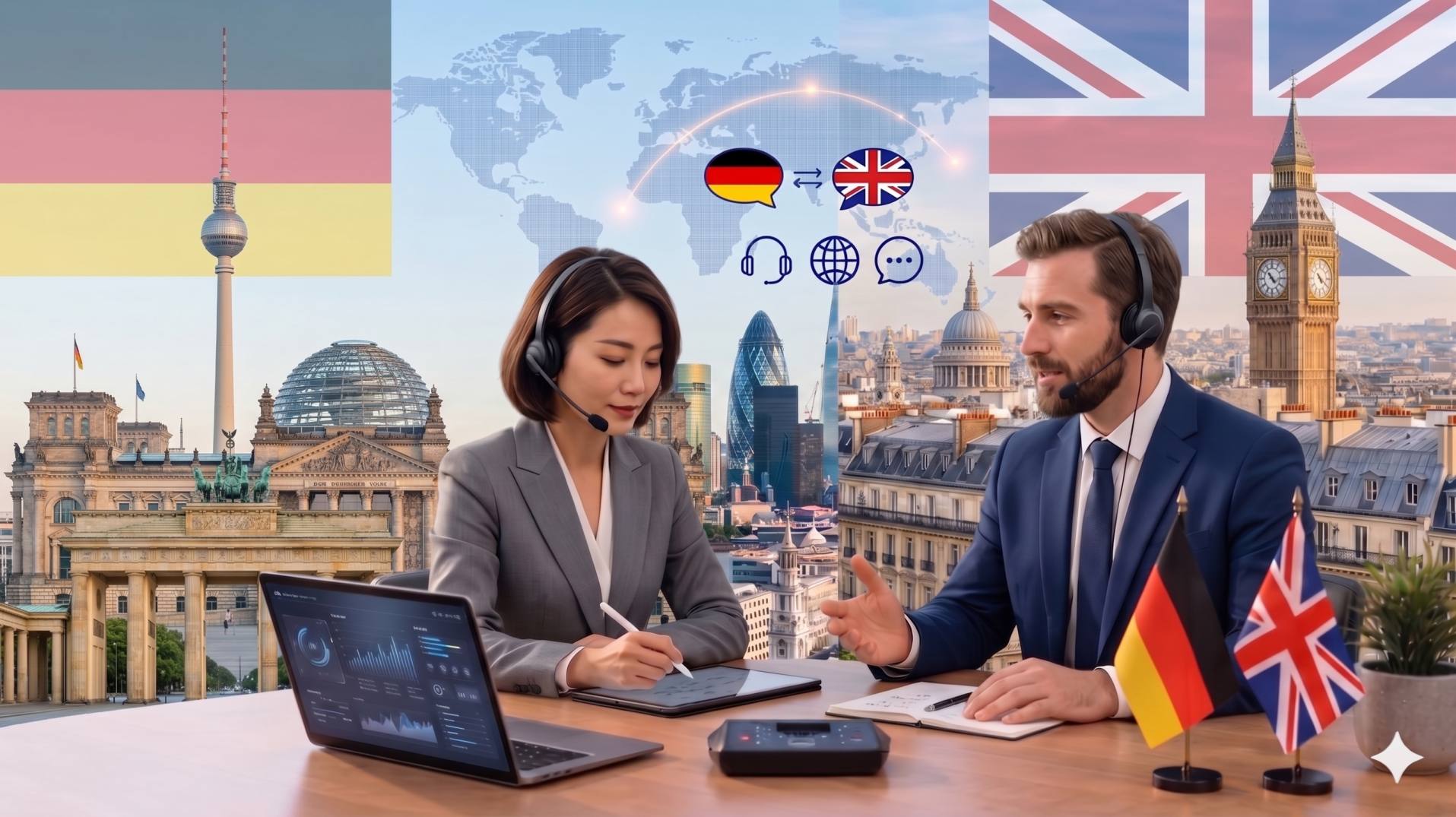
Securing a qualified German interpreter in Gloucester is paramount for effective communication across diverse professional sectors within the United Kingdom. Whether engaging with legal proceedings, accessing vital healthcare services, or conducting international business, precise linguistic support ensures clarity, compliance, and successful outcomes. Gloucester, a city with a rich history and a growing economic profile, relies on a robust network of professional interpreters to bridge language divides. This is particularly crucial when dealing with official bodies such as the Gloucestershire Hospitals NHS Foundation Trust and the Gloucestershire Health and Care NHS Foundation Trust, where accurate communication is directly linked to patient safety and well-being. This document outlines the critical role of professional German interpreters in Gloucester, detailing their application in legal, medical, and commercial environments, while adhering strictly to UK professional standards and regulations.
Translation vs Interpretation: Understanding the Nuances
While often used interchangeably, translation and interpretation are distinct linguistic disciplines, each requiring specialised skills and qualifications. A German translator in Gloucester works with written text, converting documents, reports, websites, and other written materials from German to English or vice versa. This process demands meticulous attention to detail, an understanding of subject-specific terminology, and the ability to convey nuances accurately in written form. Professional translators often hold qualifications from bodies like the Chartered Institute of Linguists (CIOL), ensuring a high standard of written output. Conversely, a German interpreter in Gloucester facilitates spoken communication in real-time. This involves listening to a speaker in one language and rendering their message orally in another. The skills required for interpretation are different from those of translation; interpreters must possess exceptional listening comprehension, immediate recall, and the ability to speak fluently and accurately under pressure. Professional interpreters often adhere to the standards set by the National Register of Public Service Interpreters (NRPSI) or hold qualifications such as the Diploma in Public Service Interpreting (DPSI), particularly for work within the public sector. Understanding this distinction is the first step in engaging the correct linguistic professional for your specific needs in Gloucester.
Legal Defence, Immigration, and Courtroom Interpretation
The legal landscape in the UK demands absolute precision, and the presence of a qualified German interpreter is often non-negotiable. For individuals navigating the complexities of the UK legal system, whether as defendants, witnesses, or victims, accurate interpretation is fundamental to ensuring a fair trial and due process. This applies across all levels of the judiciary, from local Magistrates’ Courts to the higher courts. Professional German interpreters working in this sector must possess a deep understanding of legal terminology and procedures, adhering to the stringent ethical codes and professional standards set by bodies like the NRPSI. They play a vital role in proceedings before His Majesty’s Courts and Tribunals Service (HMCTS), ensuring that all parties, including German speakers, fully comprehend evidence, legal arguments, and judicial decisions. This includes assisting solicitors and barristers in client consultations, enabling clear communication during police interviews conducted under caution, and providing live interpretation during court hearings. In matters of immigration, the UK Visas and Immigration (UKVI) department, part of the Home Office, requires certified interpreters for interviews and appeals. The First-tier Immigration Tribunal also relies heavily on skilled interpreters to ensure that asylum claims and other immigration cases are heard and decided fairly. Engaging an interpreter registered with the NRPSI or holding a recognized qualification like the DPSI provides assurance of their competence and adherence to UK legal standards, safeguarding the integrity of the justice system and the rights of individuals involved.
Healthcare and NHS Patient Safety
Patient safety within the National Health Service (NHS) is intrinsically linked to effective communication, especially when language barriers exist. For German-speaking patients in Gloucester, accessing healthcare services requires interpreters who understand medical terminology and the sensitive nature of health consultations. The Gloucestershire Hospitals NHS Foundation Trust and the Gloucestershire Health and Care NHS Foundation Trust, along with primary care services managed by the NHS Gloucestershire Integrated Care Board (ICB), are committed to providing accessible care. This necessitates the availability of qualified German interpreters for a range of services, including GP appointments, hospital visits, diagnostic procedures, and mental health support. Interpreters must operate with the utmost confidentiality and adhere to the ethical guidelines stipulated by NHS England’s Language Access guidelines and the Care Quality Commission (CQC), which oversees the quality and safety of health and social care services in England. Compliance with UK GDPR is also critical, ensuring that patient data and sensitive personal information are handled with the highest degree of privacy and security. Professional interpreters in the NHS context often hold qualifications such as the DPSI (Health) or are registered with the NRPSI, demonstrating their competence in medical settings. Their role extends beyond simple word-for-word conversion; they must facilitate understanding, ensure patient consent is informed, and support the therapeutic relationship between clinician and patient, thereby contributing directly to positive health outcomes and upholding the principles of equitable care within the UK healthcare system.
Technical Interpretation Modalities
The effective delivery of German interpretation services in Gloucester relies on selecting the appropriate modality to suit the specific context and requirements of the interaction. Consecutive interpretation is commonly used in one-on-one settings, such as medical consultations or legal interviews, where the interpreter listens to a segment of speech, then delivers the interpretation while the speaker pauses. This allows for a natural flow of conversation and detailed exchanges. Simultaneous interpretation, on the other hand, is employed in larger settings like conferences, meetings, or court proceedings where speed and efficiency are paramount. Here, the interpreter speaks almost concurrently with the original speaker, often using specialised equipment such as booths and headsets. This modality requires intense concentration and is typically performed by highly experienced interpreters, often certified by professional bodies like the International Association of Conference Interpreters (AIIC) for international events, or adhering to NRPSI standards for public service. Escort interpretation, also known as liaison interpretation, is used in less formal settings, such as business meetings, site visits, or social gatherings. The interpreter acts as a cultural and linguistic bridge, facilitating communication between parties who do not share a common language. Finally, remote interpretation, including telephone interpreting (OPI) and video remote interpreting (VRI), has become increasingly prevalent. This modality offers flexibility and cost-effectiveness, allowing access to qualified German interpreters regardless of geographical location. Services like those provided by the Gloucestershire Hospitals NHS Foundation Trust may utilise remote options for routine appointments, while critical legal or medical situations may still necessitate in-person interpretation. Each modality demands specific skills and preparation, and choosing the right one is crucial for successful communication in Gloucester.
Economic and Social Fabric of Gloucester
Gloucester’s dynamic economic and social landscape necessitates skilled linguistic support to foster robust connections and facilitate growth. As a hub for various industries and a destination for international visitors, the demand for professional German interpretation and translation services is significant. Understanding the local economic drivers and social structures helps in tailoring these services effectively.
Corporate and Industry
Gloucester boasts a diverse industrial base, including advanced manufacturing, engineering, and technology sectors. Businesses operating within these fields often engage with German partners, suppliers, or clients. Professional German interpreters and translators are essential for facilitating international trade negotiations, technical documentation translation, joint venture agreements, and cross-cultural business communication. Adherence to UK commercial law and professional standards ensures that all business interactions are conducted with integrity and legal compliance. The University of Gloucestershire also plays a role in fostering business links and research, often requiring translation of academic papers and collaboration agreements.
Tourism
As a city with a rich heritage, including its famous Cathedral and historic docks, Gloucester attracts tourists from around the world, including Germany. Providing high-quality interpretation and translation services for the tourism sector enhances the visitor experience. This can range from translating marketing materials and websites to providing on-site interpretation for tour groups or at local events. Ensuring that German-speaking visitors feel welcomed and can easily access information contributes positively to Gloucester’s reputation as a tourist destination and supports the local economy.
Legal Infrastructure
Gloucester’s legal infrastructure, including local law firms and access to HMCTS services, requires reliable German interpretation. Immigration solicitors, family law practitioners, and corporate legal departments often require interpreters for client meetings, court appearances, and document review. The availability of NRPSI-registered interpreters ensures that legal professionals can meet their obligations to provide accessible justice for German speakers, upholding the principles of fairness and due process within the UK legal framework.
NHS Healthcare
The provision of healthcare services by the Gloucestershire Hospitals NHS Foundation Trust and Gloucestershire Health and Care NHS Foundation Trust is a cornerstone of the local community. Ensuring that German-speaking residents can access these services without linguistic barriers is a priority. Professional interpreters facilitate doctor-patient communication, ensuring accurate diagnosis, treatment plans, and informed consent, thereby directly contributing to patient safety and well-being in line with NHS standards and CQC regulations.
Local Infrastructure and Transport
Gloucester’s infrastructure and transport network are vital for facilitating the movement of people and goods, and by extension, the services of German interpreters. The city is well-connected by road, with the M5 motorway providing easy access to Bristol, Birmingham, and beyond. This connectivity is crucial for interpreters travelling to and from assignments across the region, as well as for facilitating the transport of goods for businesses involved in international trade. Public transport, including local bus services and the nearby train station, further enhances accessibility. For interpreters providing on-site services, understanding the local transport options is key to punctuality and efficiency. Furthermore, the presence of reliable digital infrastructure, including widespread internet access, supports the growing demand for remote interpretation services, allowing German speakers in Gloucester to connect with interpreters instantly via video or telephone. This blend of physical and digital connectivity ensures that professional linguistic support is readily available across the city and its surrounding areas, underpinning Gloucester’s role as a functional and accessible economic centre within the UK.
Conclusion
In conclusion, the need for a professional German interpreter in Gloucester is multifaceted, spanning critical sectors such as legal services, healthcare, and international business. Ensuring access to qualified, accredited interpreters is not merely a matter of convenience but a fundamental requirement for upholding justice, ensuring patient safety, and fostering economic prosperity within the UK. By engaging interpreters who adhere to the rigorous standards set by UK professional bodies like the NRPSI and possess relevant qualifications such as the DPSI, organisations and individuals in Gloucester can be assured of accurate, confidential, and culturally sensitive communication. Whether you require assistance in the courtroom, a medical facility, or a corporate boardroom, investing in professional German interpretation services is an investment in clarity, compliance, and successful outcomes. Contact a reputable provider today to discuss your specific needs and secure the linguistic expertise essential for your operations in Gloucester and across the United Kingdom.