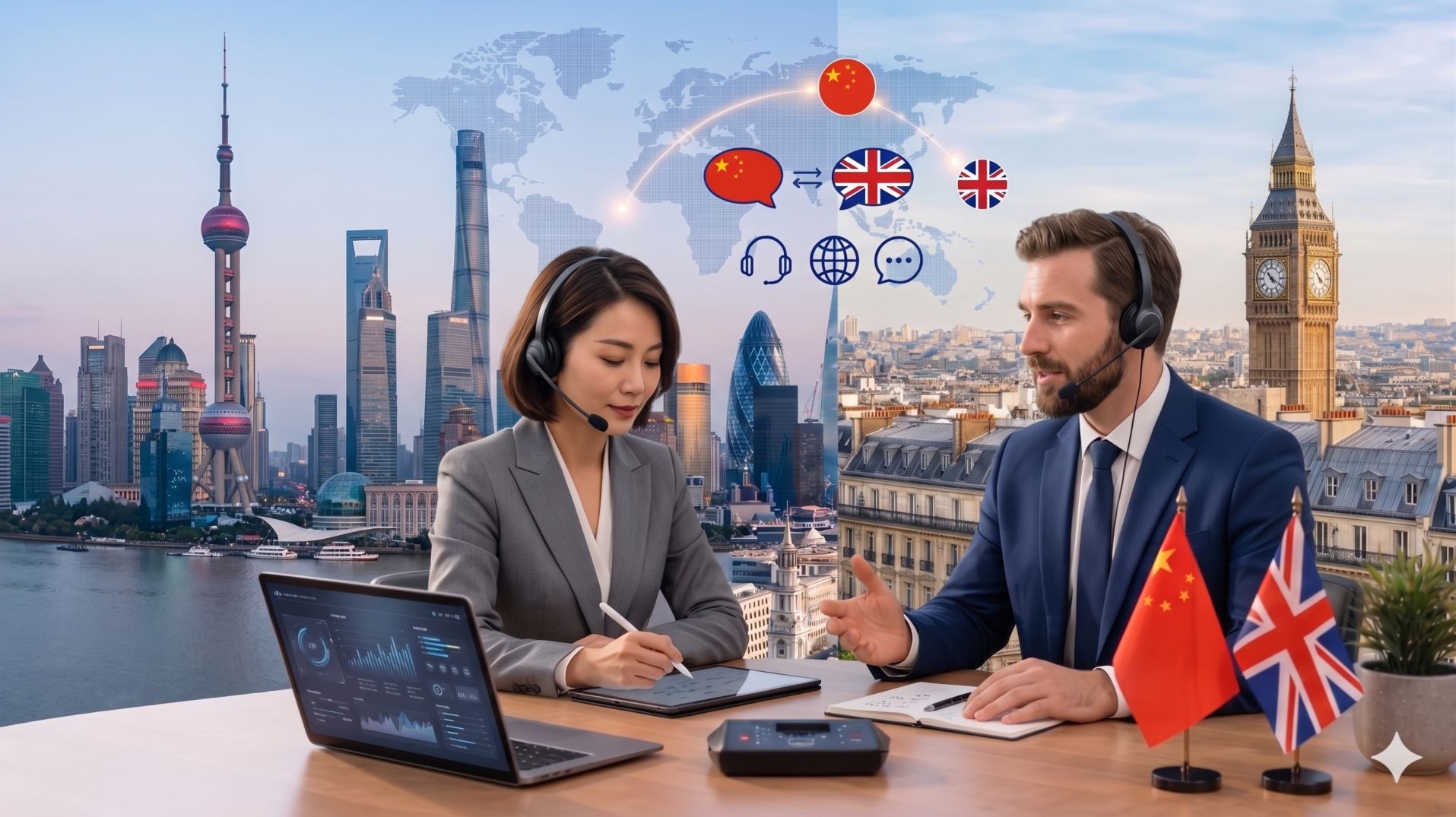
Securing a qualified German interpreter in Liverpool is paramount for effective communication across critical sectors, from legal proceedings and healthcare appointments to business negotiations and immigration matters within the United Kingdom. Liverpool, a city with a rich history and a dynamic present, hosts a diverse population and a thriving economy, necessitating robust linguistic support. For instance, residents and visitors requiring medical assistance can rely on services facilitated by trusts such as Liverpool University Hospitals NHS Foundation Trust and Mersey Care NHS Foundation Trust, both of which are committed to providing accessible care to all patients, irrespective of their language. Ensuring clear understanding in these sensitive environments is not merely a matter of convenience but a fundamental requirement for patient safety, legal accuracy, and business success. This page explores the vital role of professional German interpretation and translation services in Liverpool, highlighting their integration into the UK’s established institutional frameworks and economic landscape.
Translation vs Interpretation
While often used interchangeably, translation and interpretation are distinct linguistic disciplines, each serving a unique purpose. Interpretation involves the real-time, oral conversion of spoken or signed language from one language to another. This requires immediate comprehension, memory, and accurate delivery, often under pressure. A skilled German interpreter in Liverpool must possess not only fluency in both German and English but also a deep understanding of cultural nuances and subject-specific terminology. This is crucial in settings like His Majesty’s Courts and Tribunals Service (HMCTS) hearings, where misinterpretation can have severe legal consequences, or during complex medical consultations within the NHS. The primary keyword, German interpreter in Liverpool, directly addresses this need for live, spoken communication support.
Translation, conversely, deals with the written word. It involves converting written documents, such as legal contracts, medical reports, technical manuals, or marketing materials, from one language to another. This process allows for more time for research, drafting, and editing, aiming for a precise and polished written output. A professional German translator in Liverpool ensures that written communications are accurate, culturally appropriate, and legally compliant within the UK context. Both services are indispensable, but their application differs significantly based on whether the communication is spoken or written, and the urgency and context of the interaction. For businesses operating internationally or engaging with diverse client bases, understanding this distinction is key to procuring the appropriate linguistic support.
Legal Defence, Immigration, and Courtroom Interpretation
The UK’s legal system places a strong emphasis on fairness and due process, which inherently requires that all parties understand the proceedings. For individuals involved in legal matters who speak German, access to qualified interpreters is a statutory right. This is particularly relevant in criminal and civil courts administered by His Majesty’s Courts and Tribunals Service (HMCTS). Interpreters play a critical role in ensuring that defendants, witnesses, and legal counsel can communicate effectively. They must adhere to strict codes of conduct, often regulated by bodies like the National Register of Public Service Interpreters (NRPSI), which sets standards for professional interpreters in the UK.
In immigration law, the situation is equally critical. Individuals seeking asylum or other immigration statuses often need to communicate complex personal histories and legal arguments to the Home Office, UK Visas and Immigration (UKVI), and the First-tier Immigration Tribunal. A German interpreter facilitates these vital conversations, ensuring that all information is conveyed accurately and without omission. The accuracy of interpretation in these contexts directly impacts the outcome of legal cases and immigration applications. Professional bodies like the Institute of Translation and Interpreting (ITI) and the Chartered Institute of Linguists (CIOL) also uphold standards that guide interpreters working within the legal sector, ensuring they possess the necessary skills and ethical grounding. The integrity of the UK justice system relies heavily on the impartiality and competence of these linguistic professionals.
Healthcare and NHS Patient Safety
Patient safety is a cornerstone of the National Health Service (NHS) in the UK. Effective communication between healthcare professionals and patients is fundamental to accurate diagnosis, appropriate treatment, and informed consent. For German-speaking patients in Liverpool, this means having access to professional interpreters when needed. NHS trusts are mandated to provide language support services to ensure equitable access to care, as outlined by NHS England’s Language Access guidelines. This commitment is crucial for patients interacting with various NHS services, from general practitioners (GPs) and hospital specialists to mental health services provided by trusts like Mersey Care NHS Foundation Trust.
The Care Quality Commission (CQC) monitors and inspects health and social care services across England, including their effectiveness in meeting the diverse needs of patients. This includes ensuring that language barriers do not impede the quality of care. A certified German interpreter ensures that medical histories are correctly understood, treatment plans are clearly explained, and patients can express their concerns fully. Adherence to UK GDPR principles also means that patient confidentiality is maintained, even when third-party interpreters are involved. The professional standards expected of interpreters in healthcare settings are high, often requiring specific qualifications and a thorough understanding of medical terminology. This ensures that the communication is not only linguistically accurate but also sensitive to the patient’s condition and cultural background, thereby enhancing patient safety and trust within the NHS.
Technical Interpretation Modalities
The nature of communication often dictates the modality of interpretation required. For a German interpreter in Liverpool, proficiency in various techniques is essential to meet diverse client needs. Consecutive interpretation is commonly used in one-on-one meetings, doctor’s appointments, or smaller legal discussions. The interpreter listens to a segment of speech, waits for the speaker to pause, and then renders the message in the target language. This allows for a natural flow of conversation, albeit with slight delays.
Simultaneous interpretation is employed in more formal settings such as conferences, large meetings, or court proceedings where time is of the essence. The interpreter, typically working from a soundproof booth using specialised equipment, listens to the speaker through headphones and interprets almost instantaneously into a microphone. This requires intense concentration and rapid processing. Escort interpretation, also known as liaison interpretation, is more informal and facilitates communication between parties in social or business settings, such as factory tours, site visits, or business lunches. The interpreter acts as a cultural bridge, ensuring smooth interaction. In recent years, remote interpretation (also known as Video Remote Interpreting – VRI, or Over-the-Phone Interpreting – OPI) has become increasingly prevalent. This modality utilises technology to connect clients with interpreters via phone or video conferencing, offering flexibility and cost-effectiveness, particularly useful for urgent or less frequent language needs, while still adhering to UK professional standards.
Economic and Social Fabric of Liverpool
Corporate and Industry
Liverpool’s economy is diverse and growing, with significant strengths in sectors such as advanced manufacturing, creative and digital industries, and professional services. International trade and investment are vital components of this economic landscape. German companies with a presence in or looking to engage with the UK market require seamless communication. This includes everything from negotiating contracts and managing supply chains to marketing products and services to a UK audience. Professional German interpreters and translators are instrumental in facilitating these business interactions, ensuring that commercial agreements are clear, marketing messages resonate, and operational instructions are understood, thereby supporting the economic vitality of Liverpool and its connections to Germany.
Tourism
As a major cultural and historical hub, Liverpool attracts millions of tourists annually, including many from German-speaking countries. The tourism sector relies heavily on effective communication to provide excellent visitor experiences. German-speaking tourists interacting with hotels, restaurants, attractions, and transport services benefit immensely from the availability of interpreters or translated materials. This enhances their enjoyment of the city, encourages repeat visits, and contributes positively to Liverpool’s reputation as a welcoming international destination. The presence of skilled German linguists supports the city’s vibrant tourism economy.
Legal Infrastructure
Liverpool boasts a robust legal sector, with numerous law firms, barristers’ chambers, and legal support services. These institutions frequently engage with clients and partners from across the globe, including German-speaking jurisdictions. The need for accurate legal interpretation and translation is therefore constant, covering areas such as corporate law, commercial litigation, property transactions, and family law. The efficient functioning of Liverpool’s legal infrastructure depends on the availability of accredited interpreters who understand the intricacies of both German and UK legal systems, ensuring that justice is accessible to all, in line with the principles upheld by HMCTS.
NHS Healthcare
The National Health Service (NHS) in Liverpool, comprising various trusts and primary care services, serves a population with diverse linguistic backgrounds. As previously mentioned, trusts like Liverpool University Hospitals NHS Foundation Trust and Mersey Care NHS Foundation Trust are committed to providing equitable healthcare. This necessitates a reliable network of German interpreters to assist patients who may not be fluent in English. Ensuring clear communication in healthcare settings is vital for patient well-being, treatment adherence, and overall public health outcomes within the city, aligning with the standards set by NHS England and the CQC.
Local Infrastructure and Transport
Liverpool’s infrastructure supports its role as a key economic and cultural centre in the North West of England. The city is well-connected by road, rail, and air, facilitating both domestic and international business and tourism. Major transport links include Liverpool John Lennon Airport, the Port of Liverpool, and an extensive rail network connecting to major UK cities. For German businesses and visitors, understanding local transport regulations, navigating public transport, or coordinating logistics requires clear communication. Professional interpreters can assist in these scenarios, ensuring that operations run smoothly and visitors have a positive experience of the city’s transport network. The availability of language services enhances the accessibility and efficiency of Liverpool’s infrastructure for its international community.
The presence of a reliable German interpreter in Liverpool is not just a service; it is an essential component for the effective functioning of the city’s legal, healthcare, business, and public service sectors. By bridging language divides, these professionals ensure that all individuals can access vital services, participate fully in legal processes, and engage confidently in economic activities. Their expertise upholds the principles of fairness, safety, and inclusivity that are fundamental to the UK’s institutional framework.
In conclusion, for any organisation or individual requiring linguistic support in Liverpool, engaging a qualified German interpreter in Liverpool is a critical step towards ensuring clarity, accuracy, and compliance. Whether navigating the complexities of UK courts, ensuring patient safety within the NHS, or fostering international business relationships, professional interpretation services are indispensable. We are committed to providing expert linguistic solutions that meet the highest professional standards, facilitating seamless communication and supporting your objectives within the UK context.