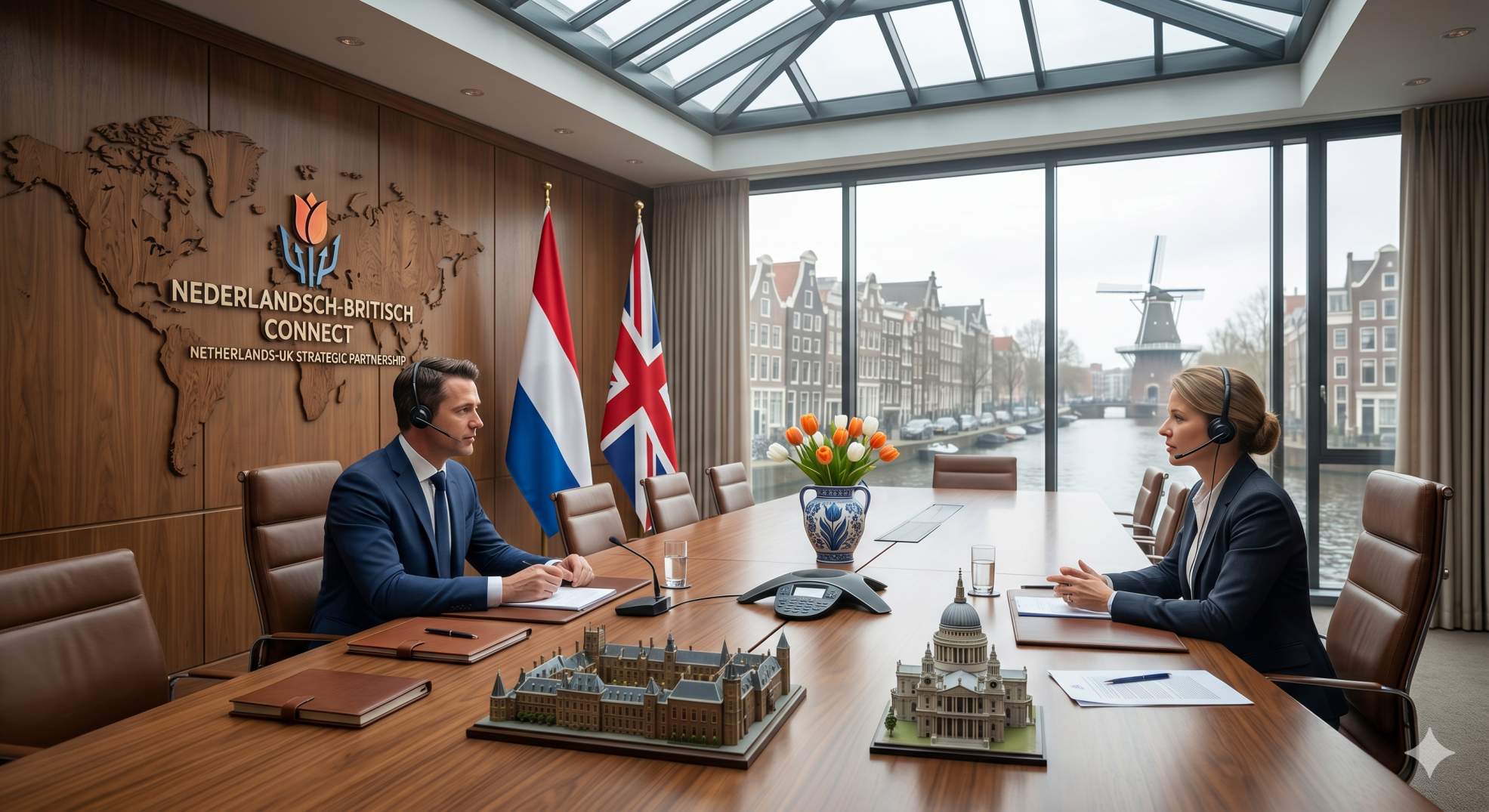
Securing a qualified German interpreter in London is paramount for effective communication across a multitude of critical sectors within the UK’s dynamic capital. Whether navigating the complexities of His Majesty’s Courts and Tribunals Service (HMCTS), ensuring patient safety within the National Health Service (NHS) at trusts like Imperial College Healthcare NHS Trust or University College London Hospitals NHS Foundation Trust, or facilitating international business dealings, the need for precise and culturally nuanced interpretation is undeniable. This service bridges linguistic divides, upholding professional standards and legal requirements specific to the United Kingdom.
Translation vs. Interpretation: Understanding the Nuances
While often used interchangeably, translation and interpretation are distinct disciplines, each requiring a unique skill set. Interpretation involves the live, oral conversion of spoken or signed language from one language to another. This demands not only linguistic fluency but also exceptional listening comprehension, memory retention, and the ability to think and speak in real-time, often under pressure. A German translator in London, conversely, works with written text, converting documents, websites, or other written materials. The skills required for translation include a deep understanding of grammar, syntax, and the cultural context of both source and target languages, as well as proficiency in specific terminology relevant to the subject matter. For legal, medical, or business contexts in London, the choice between a translator and an interpreter is critical, impacting the accuracy and effectiveness of communication. Professional bodies such as the Chartered Institute of Linguists (CIOL) and the National Register of Public Service Interpreters (NRPSI) set the standards for these professions in the UK, ensuring that practitioners meet rigorous requirements for competence and ethical conduct.
Legal Defence, Immigration, and Courtroom Interpretation
The UK’s legal system, governed by principles of natural justice and the right to a fair trial, mandates that individuals who do not speak English as a first language have access to qualified interpreters. For German speakers involved in legal proceedings in London, this is a fundamental right. His Majesty’s Courts and Tribunals Service (HMCTS) relies heavily on accredited interpreters to ensure that all parties, including defendants, witnesses, and legal representatives, can understand proceedings and communicate effectively. This is particularly crucial in criminal cases heard at the Crown Court or Magistrates’ Courts, as well as in civil litigation and family law matters. The His Majesty’s Courts and Tribunals Service (HMCTS) has stringent requirements for interpreter qualifications, often favouring those registered with the NRPSI or holding qualifications such as the Diploma in Public Service Interpreting (DPSI). These qualifications ensure interpreters possess the necessary legal terminology, ethical understanding, and impartiality required for courtroom settings. Furthermore, in immigration matters, German nationals interacting with the Home Office or the UK Visas and Immigration (UKVI) department, or appearing before the First-tier Immigration Tribunal, will require skilled interpreters to navigate complex application processes, asylum claims, or appeals. The accuracy of interpretation in these scenarios directly impacts legal outcomes and personal liberty, underscoring the vital role of professional German interpreters in London’s legal infrastructure.
Healthcare and NHS Patient Safety
Patient safety and effective communication are cornerstones of the National Health Service (NHS) in London. The Care Quality Commission (CQC), the independent regulator of health and social care services in England, emphasizes the importance of clear communication in providing safe and high-quality care. For German-speaking patients accessing healthcare services across London’s diverse NHS trusts, such as Barts Health NHS Trust or Guy’s and St Thomas’ NHS Foundation Trust, the availability of qualified German interpreters is non-negotiable. NHS England’s Language Access guidelines mandate that providers ensure patients can access interpreters when needed, without incurring personal cost. This is crucial for informed consent, accurate diagnosis, effective treatment, and adherence to medication regimes. Misunderstandings arising from language barriers can lead to serious medical errors, delayed treatment, and patient dissatisfaction. Professional German interpreters working within the NHS must not only be linguistically proficient but also understand medical terminology, ethical considerations, and the specific cultural nuances that may influence a patient’s understanding of their health condition and treatment options. Compliance with UK GDPR is also essential, ensuring patient confidentiality is maintained at all times. The role of the interpreter in healthcare is to facilitate a therapeutic relationship between the clinician and the patient, ensuring that the patient’s voice is heard and understood, and that they receive equitable care regardless of their language proficiency.
Technical Interpretation Modalities
The effectiveness of interpretation often depends on selecting the appropriate modality for the specific situation. German interpreters in London employ various techniques to facilitate communication:
- Simultaneous Interpretation: This is the most demanding form, where the interpreter speaks the translated message almost at the same time as the original speaker. It requires sophisticated equipment (booths, headsets, microphones) and is typically used in conferences, large meetings, or parliamentary sessions where seamless flow of information is critical.
- Consecutive Interpretation: Here, the interpreter listens to a segment of speech, then renders it in the target language once the speaker pauses. This is common in smaller meetings, one-on-one discussions, legal depositions, or medical consultations where direct interaction is key. It allows for more deliberation and clarification.
- Escort Interpretation: Also known as liaison interpretation, this involves facilitating communication between two or more parties who speak different languages in informal settings, such as business meetings, factory tours, or social events. The interpreter often travels with the client.
- Remote Interpretation (ROH): With advancements in technology, remote simultaneous and consecutive interpretation have become increasingly prevalent. This allows interpreters to work from anywhere, connecting via secure platforms for telephone interpreting (OPI) or video remote interpreting (VRI). This modality offers flexibility and can be cost-effective, especially for urgent or ad-hoc needs, while still adhering to professional standards and data protection regulations.
The choice of modality is influenced by factors such as the number of participants, the setting, the subject matter’s complexity, and the required speed of communication. Professional interpretation agencies in London can advise on the most suitable approach.
Economic and Social Fabric of London
London’s status as a global hub for finance, culture, and innovation necessitates robust multilingual communication infrastructure. German is a significant language in international business, and its speakers are integral to various sectors within the UK’s capital.
Corporate and Industry Engagement
Many multinational corporations with operations in London have ties to German-speaking countries. German companies investing in the UK, or UK firms trading with Germany, require expert German interpreters and translators for negotiations, client meetings, technical documentation, and market analysis. Sectors such as finance, automotive, engineering, pharmaceuticals, and technology in London frequently engage German professionals. The London Chamber of Commerce and Industry often facilitates international business connections, where language services are indispensable. Adherence to professional standards set by bodies like the International Association of Conference Interpreters (AIIC) ensures that high-level business communication is conducted with precision and confidentiality.
Tourism and Hospitality
London is a premier tourist destination for German-speaking visitors. The tourism and hospitality sector, from hotels and restaurants to museums and attractions, benefits immensely from German language services. Providing information, booking services, and customer support in German enhances the visitor experience, encouraging repeat business and positive reviews. Official bodies like Visit London highlight the city’s global appeal, and multilingual support is key to maintaining this.
Legal Infrastructure
As previously detailed, London’s legal sector is a major employer of German interpreters. Law firms specializing in international law, commercial disputes, or cross-border transactions frequently require German language expertise. The presence of German legal professionals, or German clients involved in UK legal matters, necessitates interpreters accredited by bodies such as the NRPSI to ensure compliance with UK legal standards and the integrity of judicial processes overseen by His Majesty’s Courts and Tribunals Service (HMCTS).
NHS Healthcare Access
The diverse population of London means that NHS trusts are continually serving patients from various linguistic backgrounds. German-speaking residents and visitors require access to healthcare services. Professional German interpreters are essential for consultations, hospital admissions, and emergency care, ensuring that all patients receive appropriate and safe medical attention, as mandated by NHS England’s patient access policies and regulated by the CQC.
Local Infrastructure and Transport
Navigating London’s extensive public transport network, managed by Transport for London (TfL), can be challenging for non-English speakers. Information regarding travel updates, ticketing, and safety procedures needs to be accessible. While TfL provides information in multiple languages, for complex queries or specific assistance, German interpreters may be required, particularly for business travellers or individuals with specific needs. The integration of language services into the city’s infrastructure ensures that all residents and visitors can engage with essential services and amenities effectively. This includes accessing information from local authorities, such as the Greater London Authority, or understanding local regulations and services.
Conclusion
For any organisation or individual requiring precise and reliable communication in German within London, engaging a professional German interpreter in London is essential. From the critical demands of the UK’s legal and healthcare systems, including adherence to HMCTS and NHS guidelines, to the nuances of international business and daily life, qualified interpreters uphold accuracy, confidentiality, and cultural understanding. Ensuring access to professional language services is not merely a matter of convenience but a fundamental requirement for justice, safety, and successful engagement in the diverse and complex environment of the UK’s capital. Contact a reputable interpreting service today to discuss your specific needs and ensure seamless communication.