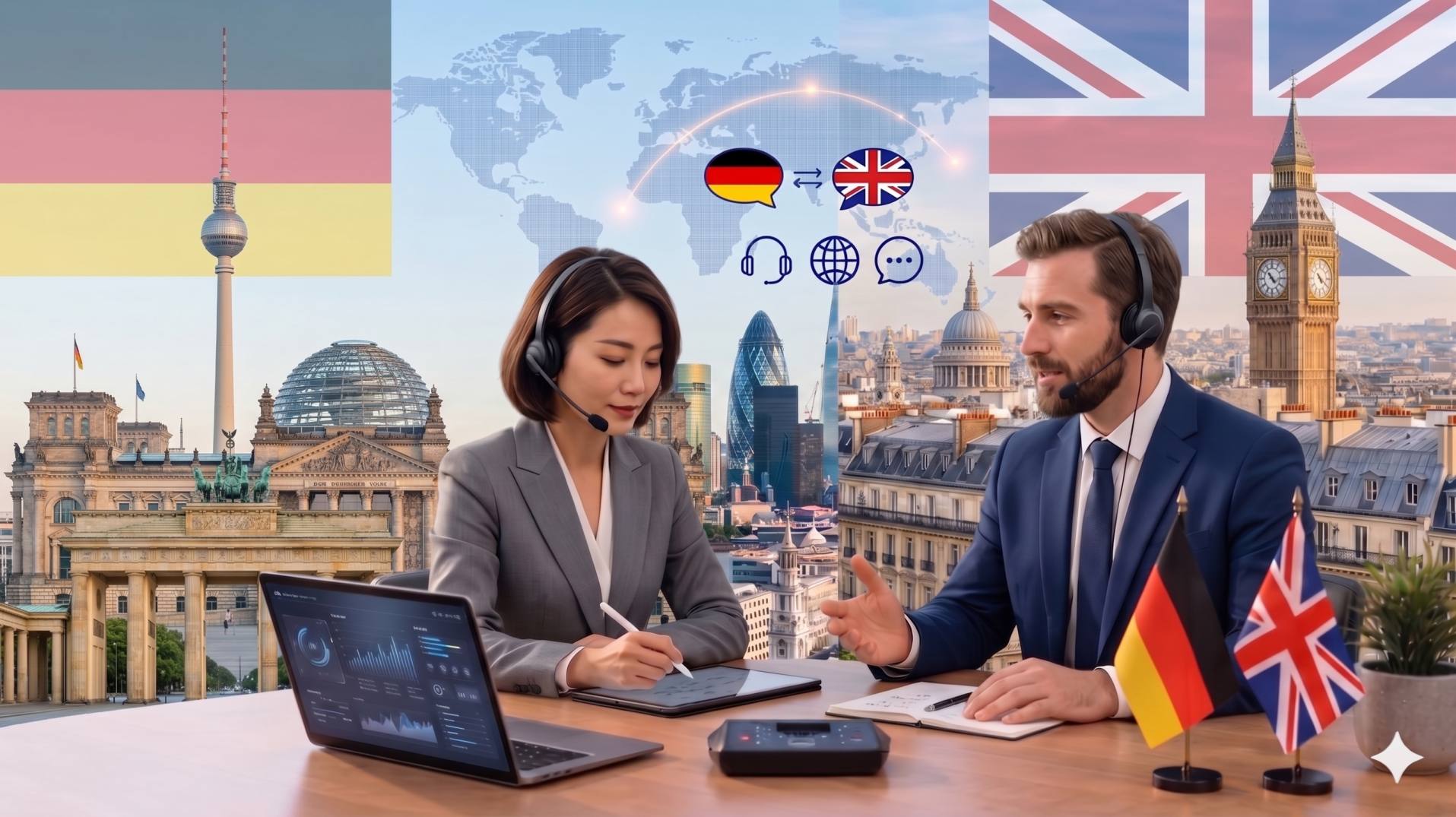
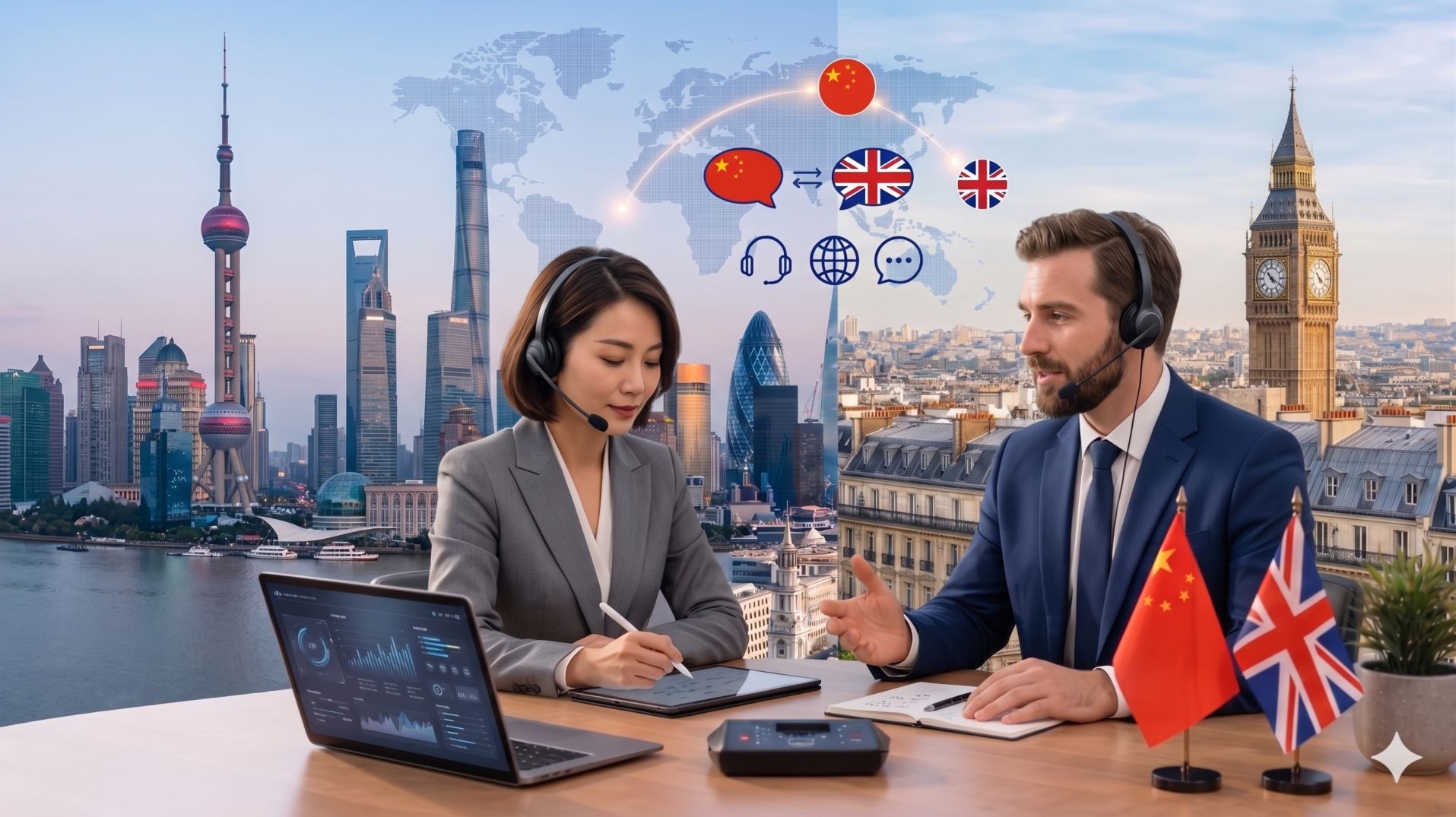
Securing a qualified German interpreter in Oldham is paramount for effective communication across various critical sectors within the UK’s professional landscape. Whether navigating the complexities of His Majesty’s Courts and Tribunals Service (HMCTS), ensuring patient safety within the National Health Service (NHS) trusts serving Oldham, such as the Northern Care Alliance NHS Group and the Bolton NHS Foundation Trust, or facilitating international business dealings, the need for precise and culturally nuanced interpretation is undeniable. This service is not merely about language conversion; it is about bridging cultural divides, upholding legal and medical standards, and ensuring that all parties, regardless of their linguistic background, have equitable access to essential services and justice within the United Kingdom.
Translation vs Interpretation: Understanding the Nuance
While often used interchangeably, translation and interpretation are distinct disciplines, each requiring specialised skills and qualifications. A German translator in Oldham works with written text, converting documents, reports, websites, and other materials from German to English or vice versa. This process demands meticulous attention to detail, a deep understanding of subject-specific terminology, and the ability to maintain the original text’s tone and intent. Professional translators often hold qualifications from bodies like the Chartered Institute of Linguists (CIOL) or the Institute of Translation and Interpreting (ITI).
Interpretation, on the other hand, deals with spoken language in real-time. A German interpreter in Oldham facilitates live communication, whether in a face-to-face meeting, a court hearing, or a medical consultation. This role requires not only linguistic fluency but also exceptional listening skills, memory retention, cultural awareness, and the ability to think quickly under pressure. Professional interpreters often adhere to stringent ethical codes and may be accredited by organisations such as the National Register of Public Service Interpreters (NRPSI) or hold qualifications like the Diploma in Public Service Interpreting (DPSI).
For businesses and public services in Oldham, understanding this distinction is crucial for procuring the correct linguistic support. Using a translator for an urgent spoken communication, or an interpreter for a complex legal document, can lead to misunderstandings, errors, and potentially significant legal or financial repercussions. Ensuring the right professional is engaged for the specific task is the first step towards effective cross-cultural communication and compliance with UK professional standards.
Legal Defence, Immigration, and Courtroom Interpretation
The legal system in the UK operates on principles of fairness and access to justice for all. For individuals who do not speak English as a first language, the role of a qualified German interpreter in Oldham is indispensable. This is particularly true in matters involving His Majesty’s Courts and Tribunals Service (HMCTS), where misunderstandings can have profound consequences on legal outcomes. Certified interpreters are essential in criminal courts, civil proceedings, family law cases, and tribunals, ensuring that defendants, witnesses, and victims can fully understand the proceedings and express themselves clearly.
The National Register of Public Service Interpreters (NRPSI) sets rigorous standards for interpreters working in the public sector, including the legal field. Holding NRPSI accreditation signifies that an interpreter has met stringent criteria for competence, ethics, and professional conduct, which is vital for maintaining the integrity of legal processes. Similarly, the Diploma in Public Service Interpreting (DPSI) is a recognised qualification that demonstrates a high level of skill in legal interpretation. These qualifications ensure that interpreters are not only linguistically proficient but also understand the legal terminology, procedures, and ethical obligations inherent in courtroom and legal settings.
Immigration law is another area where expert German interpretation is frequently required. Individuals navigating the UK’s immigration system, whether applying for visas, seeking asylum, or attending interviews with the UK Visas and Immigration (UKVI) – part of the Home Office – need clear communication. Interpreters facilitate these crucial interactions, ensuring that all information is accurately conveyed and understood. This is vital for the fairness of the process and for individuals to present their cases effectively. The First-tier Immigration Tribunal also relies heavily on qualified interpreters to ensure that all parties can participate fully in appeal hearings.
The commitment to providing access to justice is a cornerstone of the UK legal framework. This commitment extends to ensuring that language barriers do not impede an individual’s right to a fair trial or their ability to engage with legal processes. Therefore, engaging a German interpreter in Oldham who is registered with bodies like the NRPSI or holds a DPSI qualification is not just a matter of convenience, but a legal necessity to uphold the principles of justice and due process as administered by HMCTS and the Home Office.
Healthcare and NHS Patient Safety
Patient safety and effective communication are paramount within the National Health Service (NHS). For German-speaking patients in Oldham, accessing healthcare services requires the support of skilled medical interpreters. The NHS has a legal and ethical obligation to provide language assistance to ensure that all patients can understand their diagnosis, treatment options, and care plans. This is crucial for informed consent, adherence to medical advice, and overall patient well-being.
The NHS England Language Access guidelines mandate that providers ensure appropriate language support is available. This includes providing qualified interpreters for consultations, hospital admissions, and any other healthcare interactions where a language barrier exists. The Care Quality Commission (CQC), the independent regulator of health and social care in England, also considers effective communication as a key aspect of high-quality care. Services that fail to provide adequate language support risk falling short of CQC standards.
A professional German interpreter in Oldham working within the healthcare sector must possess not only linguistic fluency but also a deep understanding of medical terminology, cultural sensitivities, and the ethical principles governing patient confidentiality. This is vital to prevent miscommunication that could lead to diagnostic errors, incorrect treatment, or adverse health outcomes. Adherence to UK GDPR (General Data Protection Regulation) is also critical, ensuring that patient information is handled with the utmost confidentiality and security.
When seeking a German interpreter in Oldham for NHS services, it is essential to engage professionals who are trained in medical interpretation and understand the specific protocols of UK healthcare providers. This ensures that the interpreter can accurately convey complex medical information, facilitate a trusting relationship between patient and clinician, and contribute to the delivery of safe, effective, and patient-centred care across all NHS trusts serving the region.
Technical Interpretation Modalities
The effectiveness of interpretation hinges on selecting the appropriate modality for the specific situation. A professional German interpreter in Oldham can offer a range of services tailored to different communication needs:
- Simultaneous Interpretation: This is typically used in conferences, large meetings, or live broadcasts where the interpreter speaks almost concurrently with the speaker, often using specialised equipment like booths and headsets. It requires intense concentration and is ideal for conveying information to a large audience quickly and efficiently.
- Consecutive Interpretation: In this mode, the interpreter listens to a segment of speech, then renders it into the target language once the speaker has finished. This is common in smaller meetings, legal depositions, or one-on-one discussions where a more measured pace is acceptable. It allows for greater accuracy and the opportunity for clarification.
- Escort Interpretation (Liaison Interpretation): This involves the interpreter accompanying a client to meetings, site visits, or social events, facilitating communication between parties. It is often more informal and requires the interpreter to act as a cultural bridge, ensuring smooth interactions in business or diplomatic contexts.
- Remote Interpretation (Video/Telephone): With advancements in technology, remote interpretation services are increasingly common. This allows clients to connect with a German interpreter in Oldham or elsewhere via video conferencing or telephone, offering flexibility and cost-effectiveness for various situations, from quick calls to scheduled meetings. This modality requires reliable technology and clear audio for optimal performance.
Choosing the correct modality ensures that the interpretation service aligns with the event’s objectives, the number of participants, the environment, and the required level of formality. Professional interpretation agencies and accredited interpreters can advise on the most suitable approach for any given scenario, ensuring that communication flows effectively and professionally.
Economic and Social Fabric of Oldham
Oldham, a vibrant town in Greater Manchester, possesses a dynamic economic and social fabric that benefits significantly from robust international communication links. The presence of skilled German interpreters and translators is integral to fostering these connections and supporting the town’s diverse community and business interests.
Corporate and Industry
Oldham’s industrial heritage is evolving, with a growing number of businesses engaged in international trade and collaboration. German companies may have operations or partnerships within the region, requiring German language services for meetings, contract negotiations, technical documentation, and employee training. A professional German interpreter in Oldham can facilitate these crucial business interactions, ensuring that agreements are clear, collaborations are productive, and that UK businesses can effectively engage with their German counterparts. This supports inward investment and strengthens the local economy by enabling seamless cross-border commerce.
Tourism
While perhaps not a primary tourist destination compared to larger cities, Oldham and its surrounding areas attract visitors from across the globe. German-speaking tourists may require assistance with information, accommodation, or local services. Providing access to German language support, even in a limited capacity, can enhance the visitor experience and contribute to the local tourism economy. This can range from translated visitor information to the availability of interpreters for specific hospitality or cultural events.
Legal Infrastructure
Oldham is served by a network of legal professionals and institutions that are part of the wider UK legal system. This includes solicitors’ firms, legal aid agencies, and local branches of national legal bodies. For individuals and businesses involved in cross-border legal matters, or for German nationals residing in or interacting with the UK legal system, the availability of qualified German interpreters is essential. These interpreters are vital for ensuring access to justice through HMCTS, supporting immigration cases handled by UKVI, and facilitating communication in civil disputes. The presence of accredited interpreters underpins the fairness and accessibility of the legal infrastructure for all residents.
NHS Healthcare
As previously detailed, the NHS is a critical service provider in Oldham. The town’s diverse population means that healthcare providers, including local GP practices and hospitals under trusts like the Northern Care Alliance NHS Group, frequently encounter patients with limited English proficiency. The availability of German interpreters is crucial for ensuring that these patients receive accurate diagnoses, understand treatment plans, and can communicate their health concerns effectively. This commitment to language access is fundamental to providing equitable and high-quality healthcare, aligning with the standards set by NHS England and the CQC.
Local Infrastructure and Transport
Oldham’s infrastructure and transport links play a vital role in its connectivity, both locally and regionally. The town is well-served by a network of roads, including the M60 and M62 motorways, providing excellent access to Manchester and other major UK cities. Public transport options include a comprehensive bus network and the Metrolink tram system, which connects Oldham to Manchester city centre and surrounding areas. These transport links are essential for businesses requiring the movement of goods and personnel, and for individuals needing to access services across the region.
For businesses requiring the services of a German interpreter in Oldham, the town’s connectivity ensures that interpreters can easily travel to various locations for assignments, whether it’s a corporate office, a legal firm, or a healthcare facility. The efficiency of local transport networks supports the timely delivery of interpretation services, contributing to the smooth operation of businesses and public services. Furthermore, Oldham’s position within the Greater Manchester conurbation means it benefits from the wider region’s economic dynamism and infrastructure, making it an accessible and practical location for international engagement.
Conclusion
In conclusion, the demand for professional linguistic services, particularly a skilled German interpreter in Oldham, is a critical component of the town’s engagement with the wider UK and international professional spheres. From upholding the principles of justice within HMCTS and the Home Office, to ensuring patient safety and equitable care within the NHS, and facilitating robust commercial relationships, the role of qualified interpreters and translators cannot be overstated. By adhering to UK professional standards and engaging accredited linguists, businesses, legal firms, and healthcare providers in Oldham can ensure clear, accurate, and culturally sensitive communication, thereby strengthening their operations and serving their diverse clientele effectively.