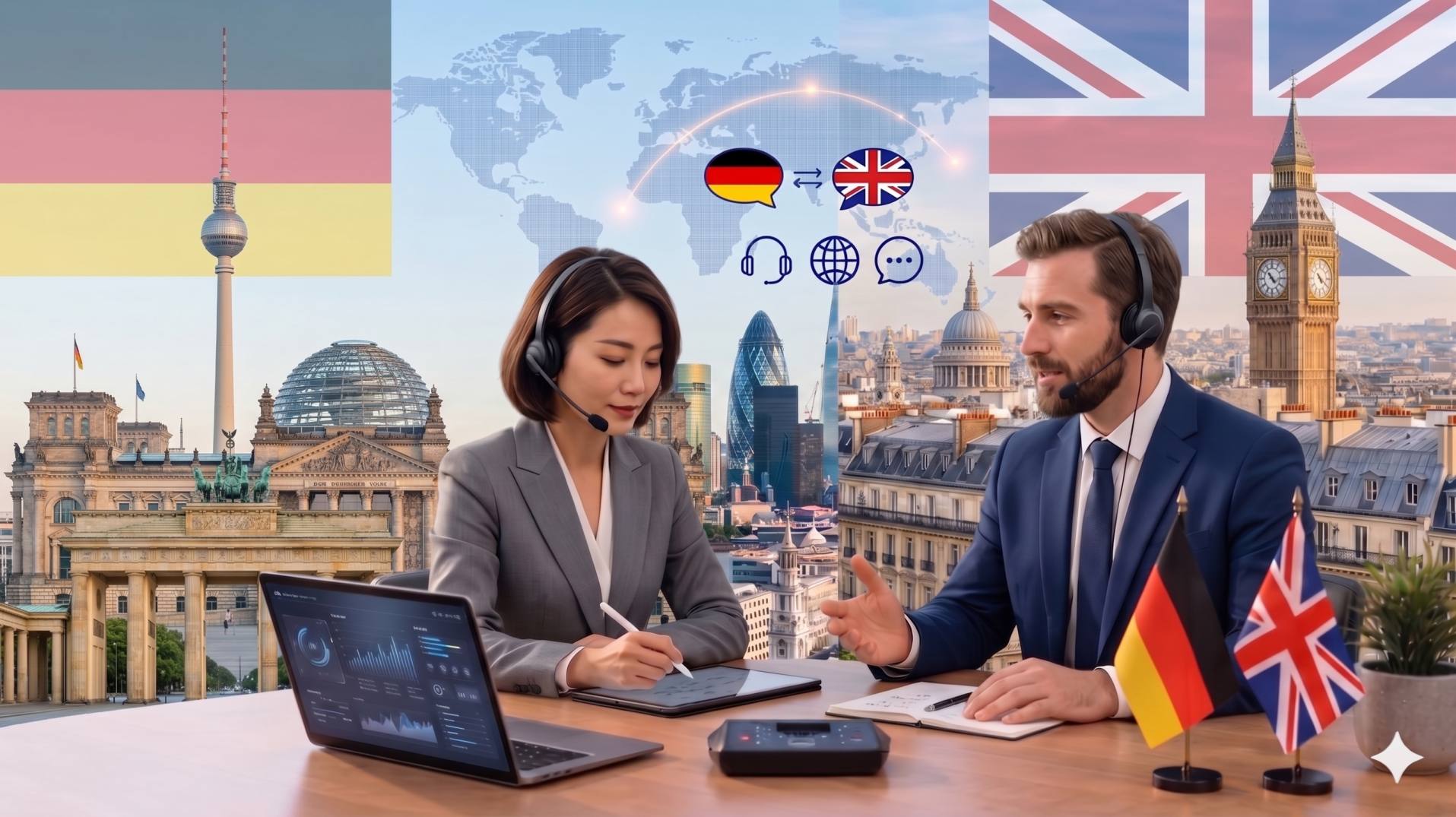
Securing a qualified German interpreter in Rhondda Cynon Taff is paramount for effective communication across various critical sectors within the United Kingdom. Whether engaging with legal proceedings, accessing vital healthcare services, or conducting international business, the accuracy and cultural nuance provided by professional interpreters are indispensable. For residents and businesses in Rhondda Cynon Taff, access to these services is facilitated by a network of highly skilled linguists who understand the specific demands of UK professional environments. This is particularly crucial when dealing with public services, such as those provided by the Aneurin Bevan University Health Board or the Cardiff and Vale University Health Board, both of which serve parts of the region and adhere to stringent NHS language access guidelines to ensure equitable patient care for all, including those requiring German language support.
Translation vs Interpretation
While often used interchangeably, translation and interpretation are distinct linguistic disciplines, each requiring specialised skills and qualifications. Interpretation involves the real-time, oral conversion of spoken language from one tongue to another. This demands not only fluency in both German and English but also an acute understanding of cultural context, subject matter, and the ability to think quickly and accurately under pressure. A professional German translator in Rhondda Cynon Taff, conversely, works with written text, converting documents, websites, or other written materials. The precision required for translation is different from that of interpretation, focusing on the fidelity of the written word. For legal documents, medical records, or technical manuals, the accuracy of a professional German translator is non-negotiable. In professional services, particularly within the UK’s regulated markets, the distinction is critical. For instance, legal contracts require meticulous translation, while courtroom proceedings necessitate immediate and accurate interpretation. Both services are vital for businesses and individuals operating in or interacting with the UK’s diverse economy and legal framework, ensuring that misunderstandings are minimised and that all parties are fully informed.
Legal Defence, Immigration, and Courtroom Interpretation
The administration of justice in the UK relies heavily on clear and accurate communication, especially in legal settings involving individuals who do not speak English as a first language. For those requiring a German interpreter in Rhondda Cynon Taff, access to certified professionals is essential for navigating the complexities of the UK legal system. This includes proceedings before His Majesty’s Courts and Tribunals Service (HMCTS), which oversees a vast range of judicial matters. The National Register of Public Service Interpreters (NRPSI) sets the benchmark for professional standards, ensuring interpreters possess the necessary qualifications, such as the Diploma in Public Service Interpreting (DPSI), to work in sensitive environments. Immigration law, overseen by the Home Office and UK Visas and Immigration (UKVI), frequently requires German interpretation for interviews, appeals, and applications. The First-tier Immigration Tribunal also relies on qualified interpreters to ensure fairness and due process for all applicants. A professional German interpreter ensures that evidence is accurately conveyed, witness testimonies are understood, and legal advice is comprehended, thereby upholding the principles of natural justice. The integrity of the legal process, from initial police interviews to final judgments in the Royal Courts of Justice, depends on the impartiality and linguistic competence of public service interpreters. Compliance with NRPSI standards and adherence to the UK’s legal framework are therefore paramount for any interpreter working in this domain.
Healthcare and NHS Patient Safety
Patient safety within the National Health Service (NHS) is a cornerstone of UK healthcare policy, and effective communication is fundamental to achieving this. For German-speaking patients in Rhondda Cynon Taff, accessing healthcare services requires the support of qualified German interpreters to ensure they can fully understand diagnoses, treatment options, and medical advice. The NHS has established guidelines for language access, recognising that linguistic barriers can lead to misdiagnosis, incorrect treatment, and adverse outcomes. The Care Quality Commission (CQC) monitors and inspects health and social care services across England, with a strong emphasis on patient experience and safety, which inherently includes effective communication. Interpreters working within the NHS must not only be fluent in German and English but also possess a thorough understanding of medical terminology and the ethical considerations involved, such as confidentiality, which is further reinforced by UK GDPR regulations. Professional interpreters ensure that patients can articulate their symptoms accurately, ask clarifying questions, and provide informed consent for procedures. This is vital for building trust between patients and healthcare providers, and for ensuring that all patients, regardless of their linguistic background, receive the highest standard of care. The specific NHS trusts serving Rhondda Cynon Taff, such as the aforementioned Aneurin Bevan University Health Board and Cardiff and Vale University Health Board, are committed to providing accessible services, and this includes facilitating access to professional German interpretation when needed. Adherence to NHS England’s Language Access guidelines and the principles of the UK GDPR are critical for maintaining patient confidentiality and trust.
Technical Interpretation Modalities
The effective delivery of German interpretation services in Rhondda Cynon Taff encompasses a range of modalities, each suited to different contexts and requirements. Consecutive interpretation is commonly used in one-on-one settings, such as medical consultations or legal interviews, where the interpreter speaks after the primary speaker has finished their utterance. This allows for a more natural flow of conversation and detailed understanding. Simultaneous interpretation, often employed in conferences, large meetings, or courtrooms, involves the interpreter speaking concurrently with the speaker, typically using specialised equipment like booths and headsets. This is crucial for maintaining the pace of proceedings and is a skill requiring intense concentration and linguistic dexterity. Escort interpretation, also known as liaison interpretation, facilitates communication between parties speaking different languages in less formal settings, such as business meetings, site visits, or social events. The interpreter acts as a bridge, ensuring smooth interaction and cultural understanding. In recent years, remote interpretation services have become increasingly prevalent, utilising telephone or video conferencing platforms. This modality offers flexibility and can be particularly useful for urgent requests or for reaching interpreters with niche specialisms, while still adhering to professional standards and ensuring data security under UK regulations. The choice of modality depends on the specific needs of the client, the environment, and the desired level of formality and immediacy, all while maintaining the professional standards expected by UK institutions.
Economic and Social Fabric of Rhondda Cynon Taff
Rhondda Cynon Taff, a region with a rich industrial heritage, is continually evolving its economic landscape. Understanding its current structure is key for businesses and organisations seeking to engage with the local community and economy. The presence of German speakers, whether residents, business partners, or tourists, necessitates professional linguistic support to foster integration and economic growth.
Corporate and Industry
The region is home to a diverse range of industries, including advanced manufacturing, professional services, and public sector organisations. For companies with international ties, particularly those engaging with German markets or employing German-speaking staff, professional German interpretation and translation services are vital. This ensures clear communication in board meetings, client negotiations, technical training, and internal communications, supporting business development and operational efficiency. Adherence to UK business standards and regulations is paramount, and accurate linguistic support facilitates this compliance.
Tourism
While perhaps not as widely recognised for tourism as some other UK regions, Rhondda Cynon Taff possesses natural beauty and historical sites that attract visitors. As international travel resumes and diversifies, German-speaking tourists may visit the area. Providing information and services in German, through translation of promotional materials or on-site interpretation, can enhance the visitor experience and encourage greater engagement with local attractions and businesses. This aligns with the UK’s broader strategy to promote tourism and cultural exchange.
Legal Infrastructure
The legal landscape in Rhondda Cynon Taff is served by local solicitors’ firms and is connected to the wider UK legal system, including His Majesty’s Courts and Tribunals Service (HMCTS). For German-speaking individuals involved in legal matters, whether as defendants, witnesses, or parties to a civil dispute, access to qualified German interpreters is a fundamental right. These interpreters must be accredited by bodies like the NRPSI to ensure impartiality and accuracy in proceedings before UK courts. The availability of such services supports access to justice for all residents.
NHS Healthcare
The National Health Service (NHS) is a critical service for all residents of Rhondda Cynon Taff. For German-speaking patients, accessing healthcare, from GP appointments to hospital treatments, requires effective communication. Professional German interpreters, trained in medical terminology and adhering to NHS guidelines and UK GDPR, are essential for ensuring patient safety, informed consent, and equitable access to care. This commitment to language access is a key component of the CQC’s oversight of healthcare quality.
Local Infrastructure and Transport
Rhondda Cynon Taff benefits from a developing infrastructure that connects it to the wider South Wales region and beyond. Key transport links, including road networks and public transport services, facilitate movement for residents, businesses, and visitors. For professional interpreters, understanding the local geography and transport options is crucial for timely arrival at appointments, whether for a court hearing at His Majesty’s Courts and Tribunals Service, a medical appointment with a local NHS trust, or a business meeting. The efficiency of these transport links supports the seamless delivery of professional services, including German interpretation, across the borough and into neighbouring areas. This robust infrastructure underpins the region’s capacity to support diverse economic and social activities, ensuring that professional services, including vital linguistic support, are readily accessible.
Conclusion
In conclusion, the need for a professional German interpreter in Rhondda Cynon Taff is multifaceted, extending across legal, healthcare, and commercial domains. The UK’s commitment to justice, patient safety, and economic integration necessitates the availability of highly qualified linguistic professionals. By engaging certified interpreters who adhere to UK professional standards, such as those set by the NRPSI, individuals and organisations can ensure accurate, confidential, and effective communication. Whether you require interpretation for HMCTS proceedings, NHS consultations, Home Office interviews, or corporate engagements, securing expert German language services is an investment in clarity, compliance, and successful outcomes within the United Kingdom’s professional landscape. Contacting a reputable agency specialising in UK public service interpretation is the first step towards bridging linguistic divides and ensuring all voices are heard and understood.