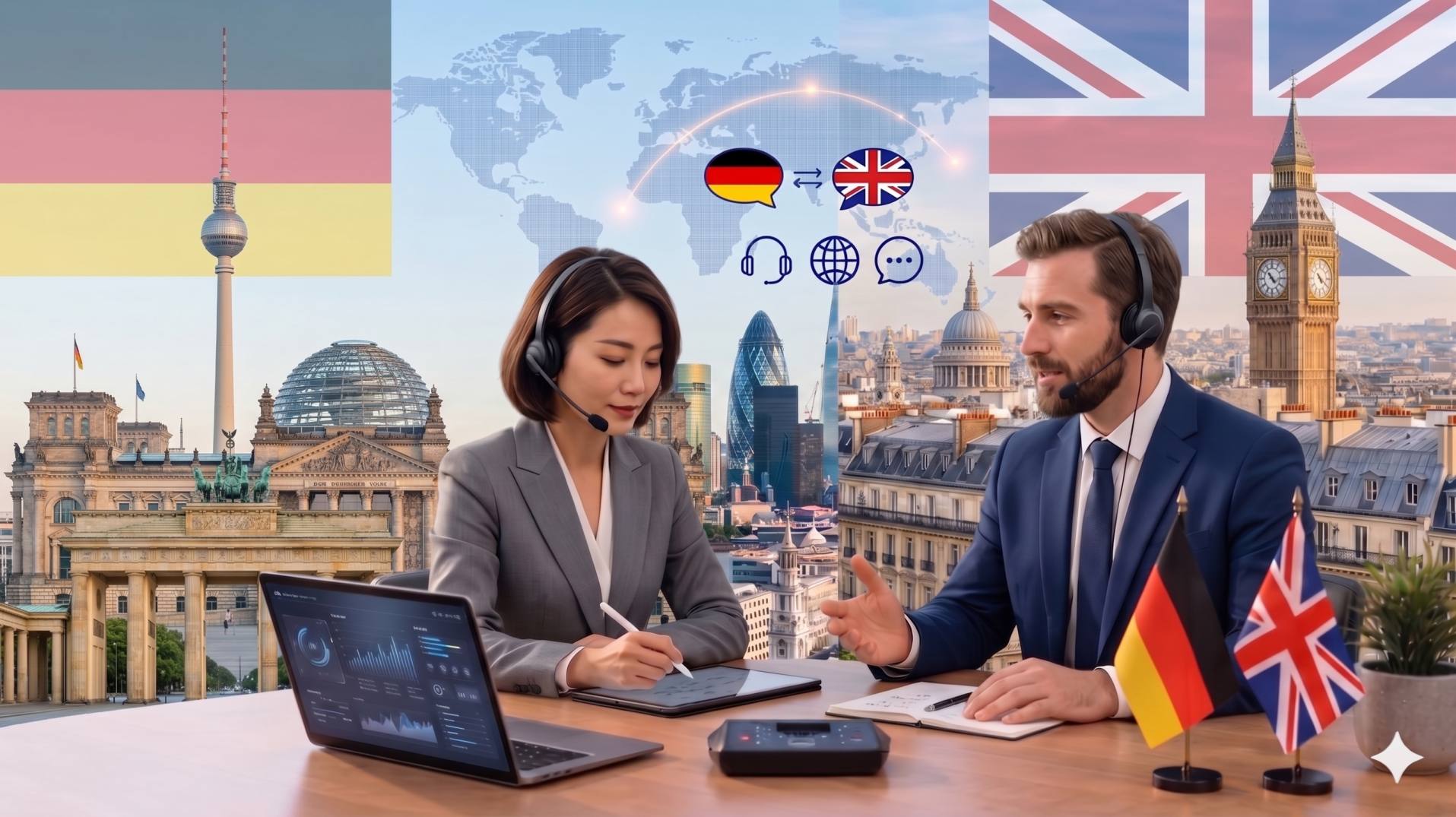
Securing a qualified German interpreter in St Helens is paramount for effective communication across vital sectors, from legal proceedings and healthcare to business and immigration. In a region like St Helens, where diverse professional services are integral to its economic vitality, the need for accurate, culturally sensitive, and legally compliant interpretation cannot be overstated. This is particularly true when navigating the complexities of the UK’s institutional frameworks, including His Majesty’s Courts and Tribunals Service (HMCTS), the National Health Service (NHS), and various government departments. For residents and businesses interacting with these bodies, or for UK entities engaging with German-speaking clients or individuals, the availability of professional German interpretation is a critical enabler of access to justice, healthcare, and economic opportunity. St Helens is served by key NHS trusts, including the St Helens and Knowsley Teaching Hospitals NHS Trust (https://www.sthk.nhs.uk/) and the Mersey Care NHS Foundation Trust (https://www.merseycare.nhs.uk/), both of which operate under stringent language access policies mandated by NHS England, ensuring that language barriers do not impede patient care.
Translation vs Interpretation
While often used interchangeably, translation and interpretation are distinct disciplines requiring different skill sets and methodologies. Interpretation involves the real-time, spoken rendition of a message from one language to another, demanding immediate comprehension, cultural nuance, and linguistic fluency. This is crucial in live settings such as courtrooms, medical consultations, or business meetings. A professional German translator in St Helens, conversely, works with written texts, converting documents, reports, or websites from German to English or vice versa. The accuracy and fidelity of both services are critical, but the pressure and immediacy of interpretation make it a unique and highly specialised field. Professional bodies like the National Register of Public Service Interpreters (NRPSI) and the Chartered Institute of Linguists (CIOL) set rigorous standards for both translators and interpreters, ensuring competence and ethical conduct within the UK’s professional services landscape. For legal and public service contexts, adherence to these standards is not merely a matter of quality but a legal and ethical imperative. The distinction is vital for corporate buyers and legal professionals seeking the right linguistic support, ensuring that the correct service is engaged for the specific need, whether it’s a face-to-face legal consultation or the translation of a complex technical manual.
Legal Defence, Immigration, and Courtroom Interpretation
The UK’s legal system, governed by principles of natural justice and access to justice for all, places a significant emphasis on the role of qualified interpreters. For German speakers involved in any legal matter within St Helens or elsewhere in the UK, access to a certified German interpreter in St Helens is a fundamental right. This applies to proceedings before His Majesty’s Courts and Tribunals Service (HMCTS), including civil courts, family courts, and criminal courts. The Ministry of Justice mandates that all parties have a clear understanding of the proceedings, and this is impossible without competent language support. Interpreters working in this domain must possess not only exceptional linguistic skills but also a deep understanding of legal terminology, courtroom etiquette, and the specific codes of conduct set by bodies like the NRPSI. This ensures impartiality, confidentiality, and accuracy, which are non-negotiable in legal settings. Furthermore, for individuals navigating the UK’s immigration system, the Home Office and the UK Visas and Immigration (UKVI) require accurate interpretation during interviews and appeals. The First-tier Immigration Tribunal also relies heavily on skilled interpreters to ensure fair hearings. Engaging an interpreter qualified through the Diploma in Public Service Interpreting (DPSI) or listed on the NRPSI register provides the necessary assurance of professional competence and adherence to UK legal standards. The integrity of the justice system depends on the reliability of these linguistic services, ensuring that justice is truly accessible regardless of a person’s primary language.
Healthcare and NHS Patient Safety
Patient safety within the NHS is a cornerstone of UK healthcare policy, and effective communication is central to achieving this. For German-speaking patients in St Helens, accessing healthcare services provided by trusts like the St Helens and Knowsley Teaching Hospitals NHS Trust and the Mersey Care NHS Foundation Trust requires reliable German interpretation. NHS England’s Language Access guidelines, underpinned by the Care Quality Commission (CQC)‘s focus on patient experience and safety, mandate that NHS providers must ensure that patients can communicate effectively with healthcare professionals. This includes providing interpreters for consultations, diagnostic procedures, and treatment discussions. Failure to do so can lead to misdiagnosis, incorrect treatment, and significant patient harm, violating the principles of UK GDPR regarding the processing of sensitive personal data and the duty of care. Professional interpreters engaged in healthcare settings must not only be linguistically proficient but also understand medical terminology, ethical considerations such as patient confidentiality, and the specific protocols of the NHS. The UK GDPR, alongside NHS trust policies, ensures that patient data and communications are handled with the utmost discretion. Professional interpreters often hold qualifications recognised by bodies such as NRPSI or CIOL, demonstrating their commitment to high standards. The availability of a qualified German interpreter in St Helens is therefore essential for ensuring equitable access to high-quality NHS care and upholding patient safety standards across all medical interactions.
Technical Interpretation Modalities
The nature of the communication often dictates the most appropriate interpretation modality. For a German interpreter in St Helens, proficiency in various techniques is essential to meet diverse client needs. Simultaneous interpretation is typically used in conferences, large meetings, or parliamentary settings, where the interpreter conveys the message almost instantaneously while the speaker is still talking, often using specialised equipment. Consecutive interpretation is more common in smaller meetings, legal depositions, or medical consultations, where the interpreter waits for the speaker to pause before rendering the message. This allows for a more deliberate and detailed rendition. Escort interpretation, also known as liaison interpretation, facilitates communication in social or business settings, such as factory tours, site visits, or informal business discussions, where the interpreter acts as a cultural bridge. Finally, remote interpretation, including telephone interpreting and video remote interpreting (VRI), has become increasingly prevalent, offering flexibility and cost-effectiveness for situations where face-to-face interaction is not feasible. This modality requires interpreters to maintain high levels of concentration and clarity, often using sophisticated audio and video platforms. Regardless of the modality, the professional standards set by UK bodies like the NRPSI and CIOL ensure that interpreters maintain accuracy, impartiality, and confidentiality, providing a reliable service across all these technical applications.
Economic and Social Fabric of St Helens
St Helens, a town with a rich industrial heritage and a forward-looking economy, benefits significantly from robust professional services, including specialised linguistic support. The ability to bridge language gaps with German-speaking partners, clients, or residents is crucial for fostering economic growth and social cohesion. The town’s economic landscape is diverse, encompassing manufacturing, digital industries, and a growing service sector, all of which can benefit from international engagement.
Corporate and Industry
For businesses in St Helens operating in sectors such as advanced manufacturing, engineering, or technology, engaging with German markets or suppliers is common. A skilled German translator in St Helens can facilitate the translation of technical specifications, contracts, and marketing materials, while a German interpreter is vital for negotiations, technical discussions, and international trade fairs. Professional bodies like the Association of Translation Companies (ATC) and the International Association of Professional Translators and Interpreters (IAPTI), alongside UK-based CIOL, provide frameworks for quality assurance in this sector. Ensuring clear communication with German counterparts enhances business opportunities, strengthens supply chains, and supports St Helens’ role in the wider UK economy.
Tourism
While perhaps not as prominent as other UK cities, St Helens has attractions and a cultural heritage that can appeal to international visitors, including those from Germany. The town’s history, its sporting connections (notably rugby league), and its proximity to major North West attractions mean that German-speaking tourists may visit. Providing information in German and having interpreters available for guided tours or hospitality services can significantly enhance the visitor experience, contributing to the local tourism economy. This aligns with the UK’s broader strategy to attract international visitors and showcase its cultural offerings.
Legal Infrastructure
St Helens possesses a local legal infrastructure that serves its community and businesses. This includes solicitors’ firms and potentially branches of larger legal practices. For these firms, dealing with German-speaking clients or international legal matters requires access to accredited interpreters. Whether it’s for client consultations, property transactions, or dispute resolution, the availability of NRPSI-qualified interpreters ensures that legal services are accessible and that UK legal standards are upheld for all parties involved. The local presence of HMCTS further underscores the need for reliable interpretation services within the town’s judicial framework.
NHS Healthcare
As previously detailed, the NHS trusts serving St Helens, namely the St Helens and Knowsley Teaching Hospitals NHS Trust and Mersey Care NHS Foundation Trust, are critical components of the local social fabric. Ensuring that German-speaking residents can access timely and effective healthcare is a matter of public health and social equity. Professional interpretation services are not just a convenience but a necessity for patient well-being and safety, reflecting the UK’s commitment to universal healthcare access.
Local Infrastructure and Transport
St Helens benefits from its strategic location within the North West of England, with good transport links that facilitate both local and national connectivity. The town is well-served by road networks, including major motorways like the M6, M62, and M57, which provide efficient access to Liverpool, Manchester, and beyond. This connectivity is crucial for businesses requiring logistical support and for individuals travelling for professional appointments, including those requiring interpretation services. Public transport options, including bus services and nearby rail links, further enhance accessibility. For professional interpreters, these transport links ensure they can reach clients across St Helens and the wider Merseyside region promptly. The availability of reliable transport infrastructure supports the seamless delivery of essential services, including professional German interpretation, to businesses and individuals throughout the area, reinforcing St Helens’ position as a functional and accessible hub within the UK’s economic network.
Conclusion
In conclusion, the provision of professional German interpreter in St Helens services is indispensable for the effective functioning of the town’s legal, healthcare, and commercial sectors. Adherence to UK professional standards, as upheld by bodies like the NRPSI and CIOL, ensures that these services are delivered with the accuracy, impartiality, and confidentiality required by UK institutions such as HMCTS, the Home Office, and NHS trusts. Whether for courtroom proceedings, critical medical consultations, or international business negotiations, engaging a qualified German interpreter is a strategic investment in clear communication, legal compliance, and patient safety. For any organisation or individual in St Helens requiring expert linguistic support, seeking out accredited professionals is the key to navigating the complexities of cross-lingual interactions within the UK’s robust regulatory framework. Contacting a reputable agency or directly engaging certified interpreters ensures that your communication needs are met to the highest professional standards.