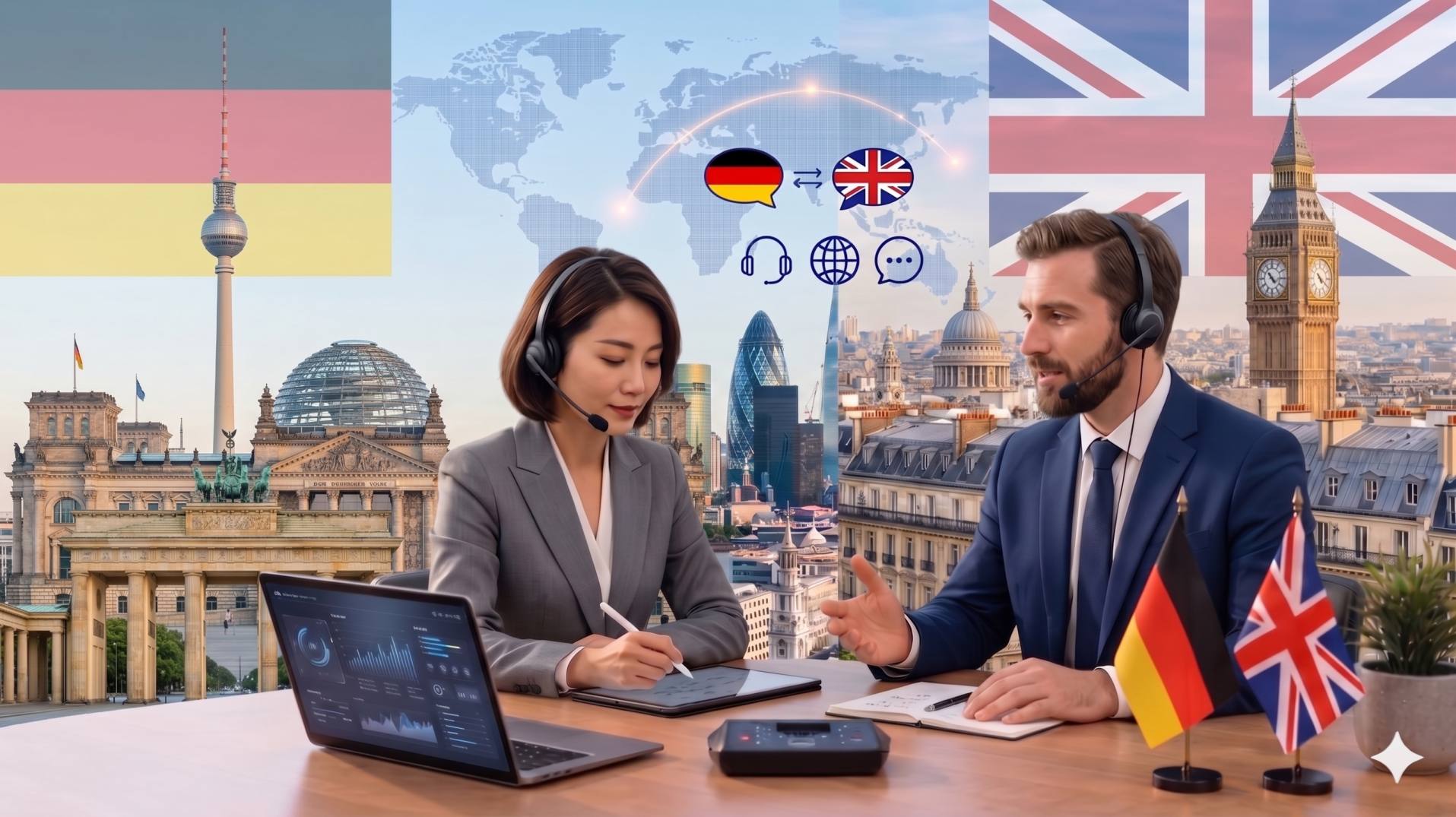
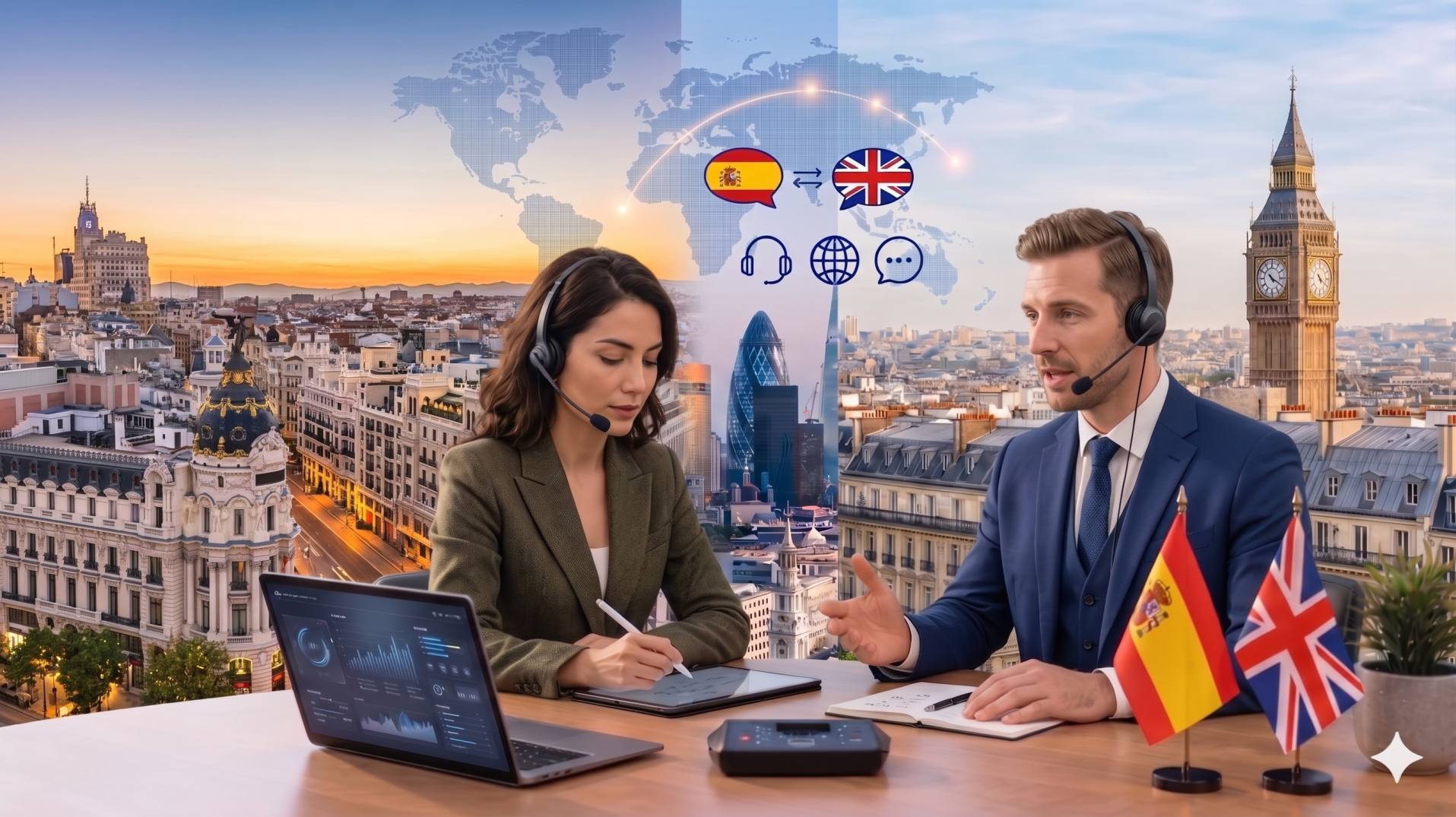
Securing a qualified German interpreter in Stockton-on-Tees is paramount for effective communication across diverse professional sectors within the United Kingdom. Whether engaging with His Majesty’s Courts and Tribunals Service (HMCTS), navigating complex healthcare scenarios with the NHS, or facilitating international business dealings, the need for precise and culturally nuanced interpretation is undeniable. Stockton-on-Tees is served by key NHS trusts, including the North Tees and Hartlepool NHS Foundation Trust and the County Durham and Darlington NHS Foundation Trust, both of which operate within the Tees Valley Integrated Care System, underscoring the local importance of accessible language services. This document outlines the critical role of professional German interpretation and translation services, specifically tailored to the UK’s legal, medical, and commercial landscapes, with a focus on the economic realities and infrastructure of Stockton-on-Tees.
Translation vs Interpretation
While often used interchangeably, translation and interpretation are distinct linguistic disciplines, each requiring specialised skills and qualifications. Translation involves the conversion of written text from one language to another. This process demands meticulous attention to detail, a deep understanding of both source and target languages, and often, subject-specific knowledge to ensure accuracy in documents such as legal contracts, medical reports, or technical manuals. A German translator in Stockton-on-Tees, therefore, works with the written word, ensuring that legal documents, business correspondence, or academic papers are rendered faithfully into German or English. Conversely, interpretation deals with the spoken word, facilitating real-time communication between individuals speaking different languages. This requires not only linguistic proficiency but also exceptional listening skills, memory retention, cultural awareness, and the ability to think quickly under pressure. The nuances of spoken language, including tone, emotion, and intent, must be conveyed accurately. For professionals in Stockton-on-Tees requiring immediate communication, such as in a courtroom or a medical consultation, a skilled German interpreter is indispensable. The choice between a translator and an interpreter depends entirely on the medium of communication – written or spoken – and the specific requirements of the task at hand. Both roles are vital for bridging language barriers in the UK’s multicultural society and globalised economy.
Legal Defence, Immigration, and Courtroom Interpretation
The UK’s legal system, governed by principles of natural justice and the right to a fair trial, mandates that all individuals, regardless of their language proficiency, have access to justice. This is particularly critical in proceedings before His Majesty’s Courts and Tribunals Service (HMCTS). For German speakers involved in civil litigation, criminal defence, family law matters, or immigration appeals, the presence of a qualified German interpreter is not merely a convenience but a legal necessity. These interpreters must adhere to stringent professional standards, often requiring accreditation from bodies such as the National Register of Public Service Interpreters (NRPSI) or holding qualifications like the Diploma in Public Service Interpreting (DPSI). The Home Office and UK Visas and Immigration (UKVI) also rely heavily on accurate interpretation during interviews and assessments for visa applications, asylum claims, and other immigration-related matters. Failure to provide adequate interpretation can lead to miscarriages of justice, wrongful decisions, and significant legal repercussions. Professional interpreters working within the UK legal framework understand the specific terminology, procedures, and ethical codes governing HMCTS, the First-tier Immigration Tribunal, and other judicial bodies. They are trained to maintain impartiality, confidentiality, and accuracy, ensuring that all parties understand the proceedings and can participate fully. The integrity of the UK’s justice system depends on the reliability of these linguistic services, making the engagement of certified professionals a non-negotiable aspect of legal practice.
Healthcare and NHS Patient Safety
Patient safety and effective communication are cornerstones of the National Health Service (NHS) in the UK. For German-speaking patients receiving care in Stockton-on-Tees, whether at facilities managed by the North Tees and Hartlepool NHS Foundation Trust or the County Durham and Darlington NHS Foundation Trust, access to competent German interpretation is vital for informed consent, accurate diagnosis, and appropriate treatment. The NHS operates under strict guidelines, including those set by the Care Quality Commission (CQC) and NHS England’s Language Access guidelines, which emphasise the need for language services to ensure equitable access to care. Interpreters working within the NHS must not only possess linguistic skills but also a thorough understanding of medical terminology, ethical considerations, and the sensitive nature of healthcare interactions. They play a crucial role in bridging the communication gap between healthcare professionals and patients, ensuring that medical histories are accurately conveyed, treatment options are clearly explained, and patient concerns are fully understood. Adherence to UK GDPR principles is also paramount, ensuring that patient confidentiality is maintained at all times. The absence of qualified interpreters can lead to misdiagnosis, medication errors, delayed treatment, and a breakdown in the patient-doctor relationship, all of which can have severe consequences for patient well-being. Therefore, NHS trusts and other healthcare providers in the Stockton-on-Tees area must prioritise the provision of professional German interpretation services to uphold their commitment to patient safety and equitable care.
Technical Interpretation Modalities
The effective delivery of interpretation services in professional settings, including those in Stockton-on-Tees, relies on employing the appropriate modality to suit the context. Several technical interpretation modes are available, each designed for different scenarios:
- Simultaneous Interpretation: This is the most demanding form, where the interpreter speaks the target language almost at the same time as the source speaker, typically with the aid of specialised equipment (booths, microphones, headphones). It is commonly used in international conferences, large-scale meetings, and parliamentary sessions where seamless, real-time communication is essential.
- Consecutive Interpretation: Here, the interpreter listens to a segment of speech, then renders it into the target language after the speaker has finished. This mode is suitable for smaller meetings, one-on-one discussions, and legal depositions where detailed accuracy is required, and the flow of conversation can accommodate pauses.
- Escort Interpretation (Liaison Interpretation): This involves the interpreter accompanying a client (e.g., a business delegation or a tourist) and facilitating communication in various settings, such as factory tours, site visits, or social events. The interpreter acts as a cultural bridge, ensuring smooth interactions.
- Remote Interpretation (RSI): With advancements in technology, remote interpretation has become increasingly prevalent. This can be simultaneous or consecutive, conducted via telephone or video conferencing platforms. It offers flexibility and cost-effectiveness, particularly for situations where in-person interpreters are not readily available or practical, though it requires robust technology and a stable internet connection.
The selection of the correct modality by businesses, legal firms, or healthcare providers in Stockton-on-Tees ensures that communication objectives are met efficiently and effectively, maximising the value of the interpretation service.
Economic and Social Fabric of Stockton-on-Tees
Stockton-on-Tees, a vibrant town in the Tees Valley, possesses a dynamic economic landscape and a rich social tapestry, influenced by its industrial heritage and ongoing regeneration. Understanding these local dynamics is crucial for businesses and organisations seeking to engage with the German-speaking community or leverage international connections.
Corporate and Industry
Historically, Stockton-on-Tees has been a significant industrial hub, particularly in chemicals, engineering, and manufacturing. While traditional industries remain important, the local economy is diversifying, with growth in sectors such as digital technology, advanced manufacturing, and renewable energy. German companies have a strong presence in the UK, and fostering business relationships requires clear communication. Professional German interpretation and translation services are essential for facilitating negotiations, technical discussions, market entry strategies, and collaborations with German partners, suppliers, or investors interested in the Stockton-on-Tees region. The Tees Valley Combined Authority actively promotes inward investment, and access to accurate linguistic support can be a key differentiator for local businesses seeking to expand their international reach.
Tourism
Stockton-on-Tees offers a growing tourism sector, attracting visitors interested in its industrial heritage, cultural attractions, and the scenic Tees Barrage. As international tourism recovers, providing multilingual support can enhance the visitor experience for German-speaking tourists. This includes translated promotional materials, website content, and on-site interpretation services for guided tours or at key attractions. Effective communication can boost visitor numbers and contribute positively to the local hospitality and retail sectors.
Legal Infrastructure
The town is supported by a robust legal infrastructure, including local law firms and access to His Majesty’s Courts and Tribunals Service (HMCTS) facilities. For German nationals residing in or visiting Stockton-on-Tees, or for UK legal professionals dealing with German clients or cases involving German law, the availability of qualified German interpreters is critical. This ensures that legal advice is understood, court proceedings are accessible, and justice is served impartially, aligning with the UK’s commitment to equal access to legal representation.
NHS Healthcare
As previously mentioned, the provision of healthcare in Stockton-on-Tees is primarily managed by NHS trusts, serving a diverse population. The presence of German speakers necessitates a proactive approach to language access within the healthcare system. This ensures that patients can communicate effectively with medical professionals at facilities like the University Hospital of North Tees, managed by the North Tees and Hartlepool NHS Foundation Trust, leading to better health outcomes and patient satisfaction. The integration of professional interpretation services is a key component of delivering high-quality, patient-centred care within the local NHS framework.
Local Infrastructure and Transport
Stockton-on-Tees benefits from strategic infrastructure that supports its economic activity and connectivity. The town is well-connected by road, with the A19 and A66 providing major arterial routes, facilitating the movement of goods and people. Public transport options include local bus services and rail links, connecting Stockton to other parts of the Tees Valley and the wider UK rail network. For businesses requiring international logistics, proximity to ports and airports, such as Teesside International Airport, is advantageous. The reliability of these transport links is crucial for businesses that depend on international trade and collaboration, including those with German partners. Professional interpretation services play a supporting role by ensuring that all logistical, contractual, and operational communications related to transport and infrastructure projects are clear and accurate, thereby facilitating the smooth functioning of the local and regional economy.
Conclusion
In conclusion, the demand for professional linguistic services, particularly for a German interpreter in Stockton-on-Tees, is multifaceted and essential for the region’s economic vitality and social cohesion. From ensuring fair access to justice within HMCTS and the Home Office, to safeguarding patient well-being in NHS trusts like North Tees and Hartlepool, and facilitating international commerce, the role of qualified interpreters and translators cannot be overstated. By engaging accredited professionals who understand the specific requirements of UK legal, medical, and business environments, organisations in Stockton-on-Tees can overcome language barriers, build stronger relationships, and achieve their objectives with confidence. For reliable and expert German interpretation and translation services tailored to the UK context, professional consultation is recommended.