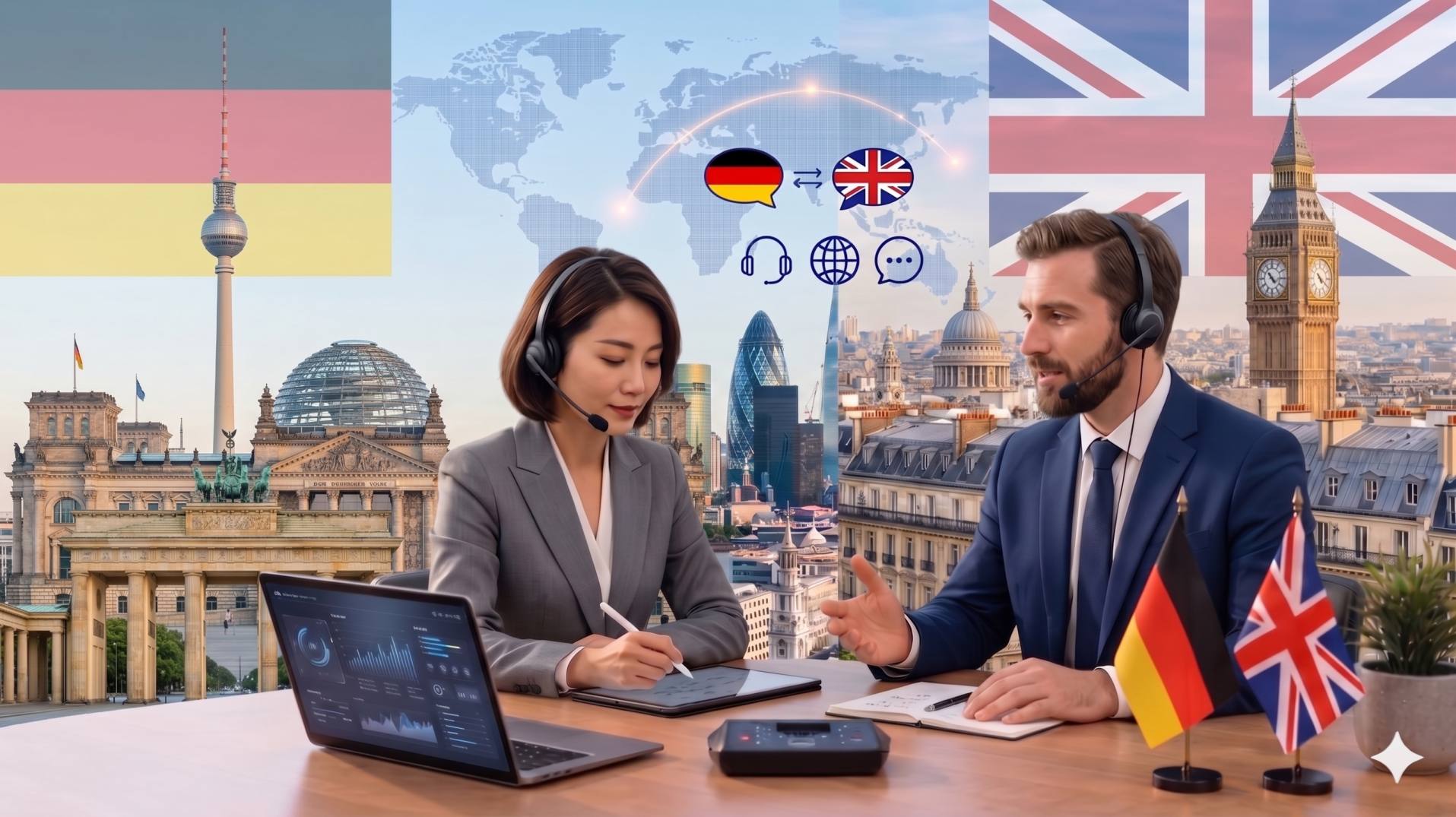
Securing a qualified German interpreter in Westminster is paramount for effective communication across a multitude of critical sectors within the UK’s capital. Westminster, a borough synonymous with governance, international business, and a vibrant cultural landscape, demands precision and cultural nuance in its linguistic services. Whether engaging with His Majesty’s Courts and Tribunals Service (HMCTS), navigating the complexities of the National Health Service (NHS) with trusts such as Imperial College Healthcare NHS Trust and Chelsea and Westminster Hospital NHS Foundation Trust, or facilitating international corporate dialogues, the need for expert German interpretation is undeniable. This service ensures that legal proceedings, medical consultations, and business negotiations are conducted with accuracy, confidentiality, and adherence to the highest professional standards mandated by UK law and regulatory bodies.
Translation vs Interpretation: Ensuring Clarity in Westminster
The distinction between translation and interpretation, while seemingly subtle, is fundamental to understanding the specialised skills required in Westminster. Translation involves the conversion of written text from one language to another, demanding meticulous attention to detail, grammar, and stylistic consistency. Interpretation, conversely, is the real-time, spoken rendering of communication from one language to another. This requires not only linguistic proficiency but also exceptional auditory processing, memory, and the ability to convey meaning, tone, and intent instantaneously. For businesses and institutions in Westminster, engaging a professional German translator in Westminster for written documents such as contracts, reports, or marketing materials is distinct from requiring a live German interpreter in Westminster for face-to-face meetings, court hearings, or medical appointments. Both services are vital, but the skill sets and contexts differ significantly. Professional bodies like the Chartered Institute of Linguists (CIOL) and the National Register of Public Service Interpreters (NRPSI) set stringent standards for both disciplines, ensuring that practitioners are qualified and adhere to ethical codes of conduct. Understanding this difference is the first step for any organisation in Westminster seeking to bridge linguistic divides effectively and compliantly within the UK legal and professional framework.
Legal Defence, Immigration, and Courtroom Interpretation
Westminster, as the seat of the UK government and a hub for legal services, presents a high demand for specialised German interpretation in legal contexts. Navigating the intricacies of the UK legal system requires interpreters who are not only fluent in German and English but also deeply familiar with legal terminology, procedures, and the specific requirements of His Majesty’s Courts and Tribunals Service (HMCTS). This includes providing interpretation for criminal and civil proceedings, family law matters, and administrative hearings. The HMCTS mandates that all parties involved in legal proceedings have access to competent interpretation services to ensure fairness and due process. For individuals facing immigration matters, the UK Visas and Immigration (UKVI), and the First-tier Immigration Tribunal require accurate interpretation during interviews, appeals, and hearings. Professional interpreters registered with bodies like the NRPSI or holding qualifications such as the Diploma in Public Service Interpreting (DPSI) are essential. These qualifications signify a rigorous understanding of legal frameworks and ethical obligations, including impartiality and confidentiality, as stipulated by UK law. The integrity of the justice system relies heavily on the accuracy and professionalism of these interpreters, ensuring that all parties, regardless of their linguistic background, can understand and participate fully in legal proceedings within the Royal Courts of Justice and other tribunals across the UK.
Healthcare and NHS Patient Safety
Patient safety and effective communication are cornerstones of the UK’s National Health Service (NHS). In a diverse borough like Westminster, ensuring that German-speaking patients can fully understand their medical conditions, treatment options, and care plans is a critical responsibility. The NHS is committed to providing equitable access to healthcare, and this includes overcoming language barriers. Trusts serving Westminster, such as Imperial College Healthcare NHS Trust and Chelsea and Westminster Hospital NHS Foundation Trust, are bound by NHS England’s Language Access guidelines and the Care Quality Commission (CQC)‘s standards for patient safety and communication. These guidelines emphasise the need for professional, qualified interpreters rather than relying on family members or untrained staff, who may lack the necessary linguistic skills or understanding of medical terminology and ethical protocols. Professional German interpreters ensure that sensitive medical information is conveyed accurately, respecting patient confidentiality and adhering to the principles of informed consent, as underpinned by UK data protection laws, including the UK General Data Protection Regulation (UK GDPR). The use of certified interpreters is vital for accurate diagnosis, effective treatment, and building trust between patients and healthcare providers, ultimately contributing to better health outcomes and upholding the high standards of care expected within the NHS.
Technical Interpretation Modalities
The effective delivery of German interpretation services in Westminster spans various modalities, each suited to different communication scenarios. Simultaneous interpretation is often employed in conferences, large meetings, or parliamentary sessions where speakers talk continuously, and interpreters render the speech into German with minimal delay, typically using specialised equipment. Consecutive interpretation is more common in smaller meetings, legal consultations, or medical appointments, where the interpreter speaks after the source speaker has finished a segment of their speech, allowing for a more conversational flow. Escort interpretation, also known as liaison interpretation, facilitates communication between parties speaking different languages in informal settings, such as business negotiations, site visits, or social events, acting as a cultural bridge as well as a linguistic one. In recent years, remote interpretation services have gained prominence, utilising technology to connect interpreters with clients via telephone or video conferencing platforms. This modality offers flexibility and cost-effectiveness, particularly for urgent requests or when geographical distance is a factor. Regardless of the modality, the professional standards set by UK bodies like the International Association of Conference Interpreters (AIIC) and the NRPSI remain paramount, ensuring accuracy, impartiality, and confidentiality across all forms of German interpretation used within Westminster and beyond.
Economic and Social Fabric of Westminster
Westminster’s unique position as a global centre for finance, politics, and culture creates a dynamic environment where German language proficiency is highly valued. The borough’s economic and social fabric is woven with threads of international collaboration, requiring seamless communication across linguistic divides.
Corporate and Industry Hub
Westminster hosts a significant concentration of multinational corporations, financial institutions, and professional services firms. German companies with a presence in London, or UK businesses engaging with German markets, rely heavily on expert German interpreters and translators for a range of activities. This includes facilitating board meetings, client presentations, contract negotiations, and market research. The London Chamber of Commerce and Industry often supports businesses in navigating international trade, where accurate linguistic support is a key enabler of successful partnerships. Professional interpreters ensure that the nuances of business etiquette and legal frameworks are respected, fostering trust and facilitating smooth transactions within the UK’s robust regulatory environment.
Tourism and Cultural Exchange
As a major global tourist destination, Westminster attracts millions of visitors annually, including a significant number of German-speaking tourists. While many tourist-facing businesses may have multilingual staff, the need for professional German interpretation can arise in various contexts, from guided tours of iconic landmarks to assisting German visitors with specific needs or inquiries. Cultural institutions, museums, and event organisers often require interpretation services for international delegations, conferences, and exhibitions, promoting cultural exchange and enhancing the visitor experience. The Visitlondon.com platform highlights the city’s appeal, and professional linguistic services ensure that this appeal is accessible to German-speaking audiences.
Legal Infrastructure and International Law
The concentration of law firms, barristers’ chambers, and international legal bodies in Westminster necessitates a high level of German legal interpretation. Matters involving German clients, cross-border litigation, or international arbitration frequently require the services of NRPSI-qualified interpreters. The presence of institutions like the Royal Courts of Justice underscores the importance of accurate legal communication. Ensuring that all parties, including witnesses, defendants, and legal representatives, have access to competent German interpretation is fundamental to the administration of justice in the UK, aligning with the principles upheld by HMCTS.
NHS Healthcare Access
As previously detailed, the NHS trusts serving Westminster, such as Chelsea and Westminster Hospital NHS Foundation Trust, are committed to providing accessible healthcare to all residents. For German speakers, this means having access to professional interpreters during consultations, hospital stays, and when accessing community health services. This commitment is crucial for patient well-being, ensuring that medical advice is understood and that patients can actively participate in their care decisions, in line with CQC regulations and NHS England’s patient safety directives.
Local Infrastructure and Transport
Westminster’s status as a central London borough means it benefits from extensive public transport infrastructure, facilitating the movement of people and services. The presence of major transport hubs, including numerous Tube stations and bus routes, ensures that German interpreters can reach their assignments efficiently across the borough and the wider city. This accessibility is crucial for time-sensitive assignments, whether it’s an emergency court appearance, a critical medical appointment, or an important business meeting. The Transport for London (TfL) network provides the backbone for this connectivity, enabling professional linguists to deliver their vital services across Westminster and beyond, supporting the seamless operation of legal, medical, and commercial sectors.
Conclusion
In conclusion, the demand for a professional German interpreter in Westminster is multifaceted, driven by the borough’s pivotal role in UK governance, international business, and public services. From the solemnity of HMCTS courtrooms and the critical care provided by NHS trusts like Chelsea and Westminster Hospital NHS Foundation Trust, to the intricate negotiations of global commerce, accurate and culturally sensitive interpretation is not merely a convenience but a necessity. Organisations and individuals requiring linguistic support can be assured that adherence to UK professional standards, as upheld by bodies like the NRPSI and CIOL, guarantees the integrity and effectiveness of the services provided. Engaging a certified German interpreter ensures compliance, fosters understanding, and upholds the principles of fairness and safety that are fundamental to the UK’s institutional framework. For all your German interpretation needs in Westminster, securing a qualified professional is the definitive step towards achieving clear, accurate, and compliant communication.